Executive Chauffeur Protocols: Discretion, Security, and Corporate Ground Travel Standards

Executive Chauffeur Protocols: Discretion, Security, and Corporate Ground Travel Standards
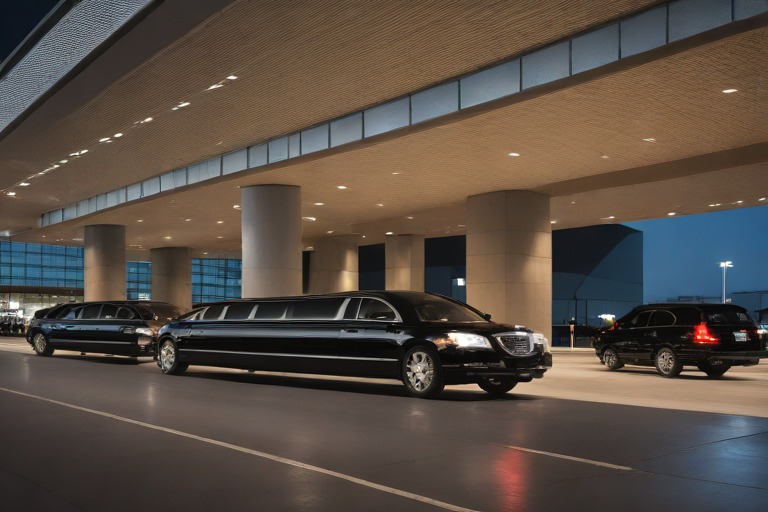
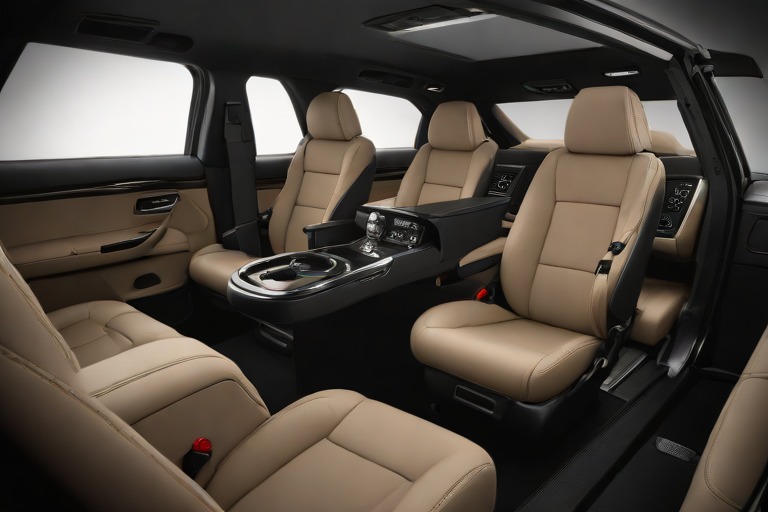
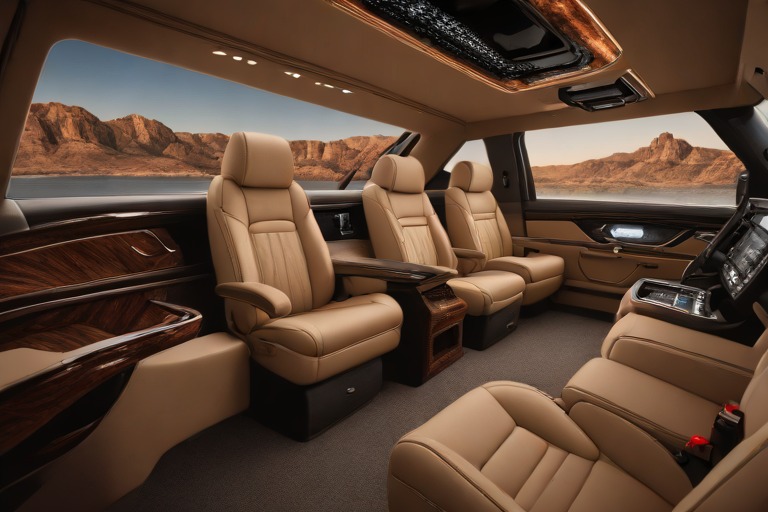
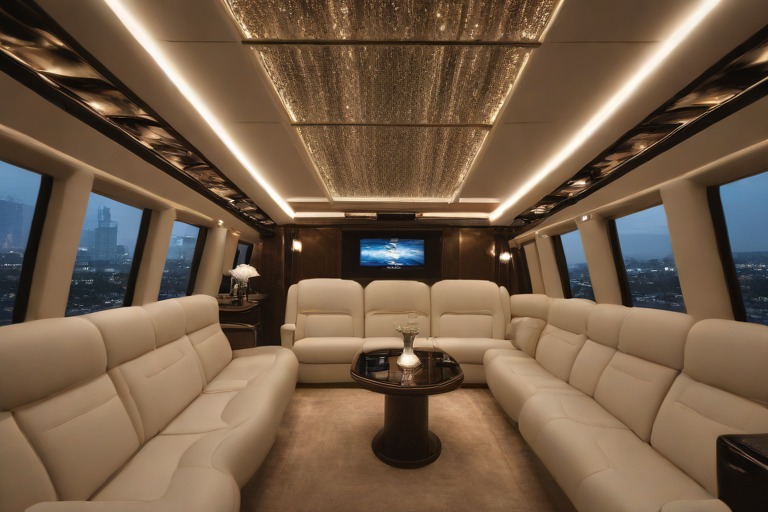
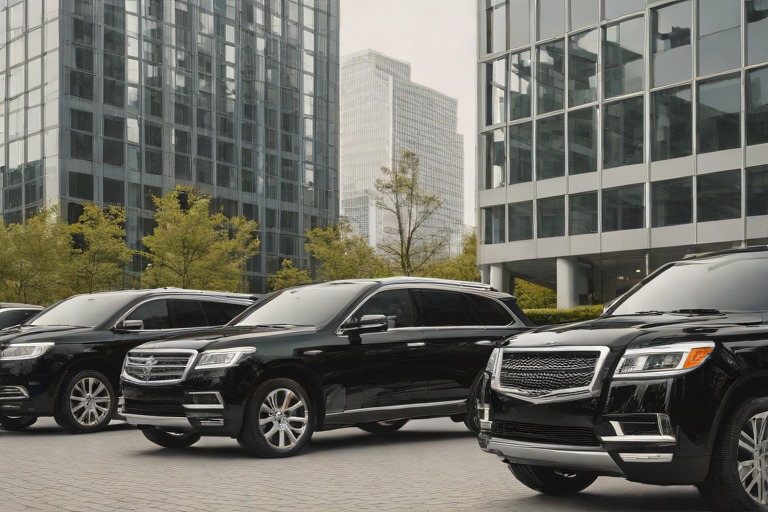
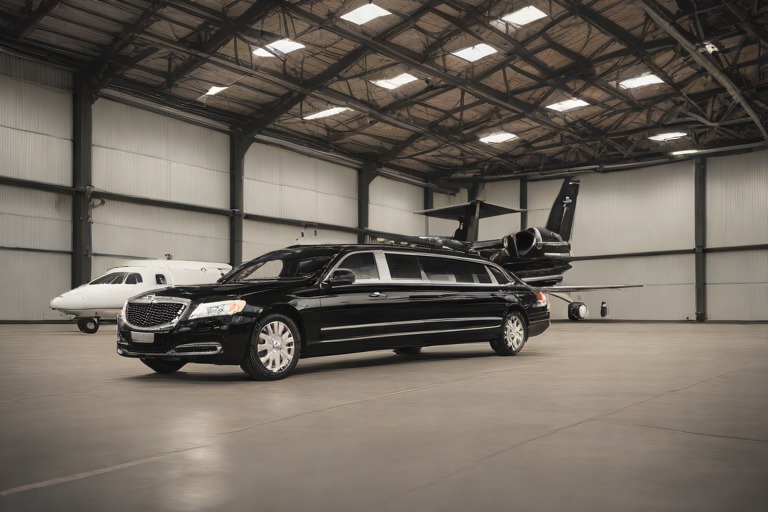
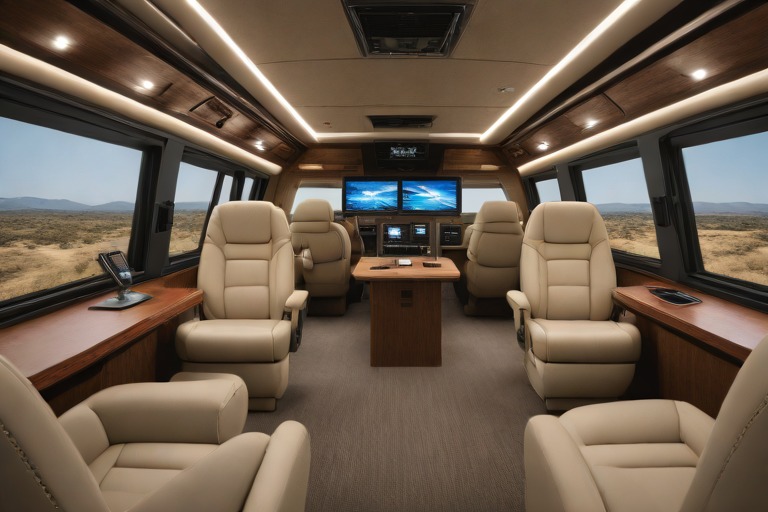
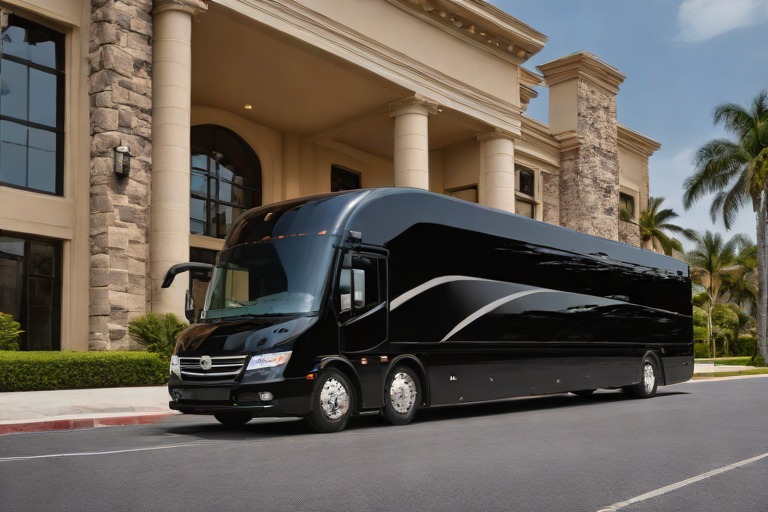
In the sphere of high-net-worth individual (HNWI) transport and corporate executive logistics, the role of the chauffeur transcends simple navigation. For First LA Limos, the operational standard is a synthesis of luxury hospitality, tactical security, and precision engineering. The objective is the seamless movement of a principal from point A to point B while mitigating risk, ensuring absolute privacy, and maintaining a vehicle environment that serves as a mobile sanctuary of productivity and peace. This dossier outlines the technical requirements for route reconnaissance, defensive driving, and the critical infrastructure necessary to support a world-class fleet.
Tactical Route Reconnaissance and Navigation
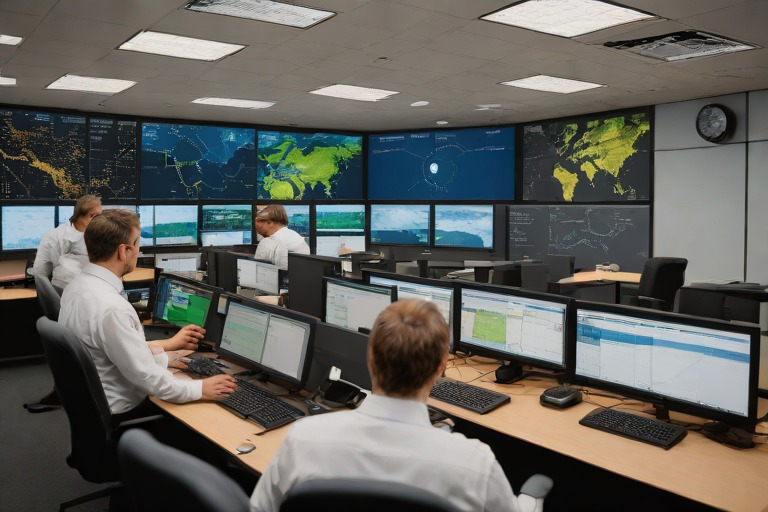
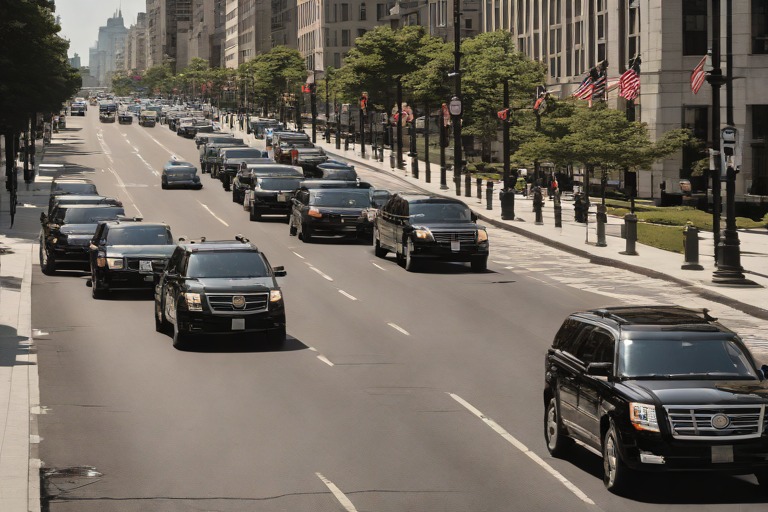
The foundation of executive security is the elimination of predictability. A senior chauffeur does not rely solely on real-time GPS data; rather, they employ a rigorous reconnaissance framework to ensure the safety of the principal. Every primary route must be analyzed for "choke points"—areas where traffic congestion or geographical constraints limit egress options. The standard protocol requires the identification of a primary route, a secondary alternative, and a tertiary emergency escape route.
Route reconnaissance involves analyzing the proximity of "safe havens," such as hospitals, secure corporate offices, or law enforcement precincts, along the transit corridor. Chauffeurs are trained to identify "danger zones," including high-congestion intersections or areas with limited visibility, where the vehicle is most vulnerable. The goal is to maintain a "buffer zone" around the vehicle at all times, ensuring that the driver has sufficient space to maneuver out of a potential threat without being boxed in by surrounding traffic.
- Primary Route: The most efficient path, optimized for time and comfort.
- Secondary Route: A viable alternative that avoids the primary's known choke points.
- Tertiary Route: An emergency egress path designed for rapid evacuation from a high-risk area.
- Safe Haven Mapping: Pre-identified secure locations for emergency sheltering or medical intervention.
Defensive Driving Dynamics and Vehicle Engineering
Executive transport requires a specific driving style known as "smooth-motion transit." The objective is to minimize the G-forces experienced by the passenger, allowing for undisturbed work or rest. However, this luxury is underpinned by aggressive defensive driving capabilities. The chauffeur must be proficient in the physics of luxury automotive engineering, understanding the braking distances and center-of-gravity shifts associated with extended-wheelbase vehicles.
Defensive driving in a corporate context involves "scanning the horizon." The driver must maintain a 360-degree situational awareness, monitoring mirrors every few seconds to detect following vehicles or erratic driving patterns. The use of "space cushioning" is mandatory; maintaining a significant gap between the executive vehicle and the car ahead provides the critical seconds needed to react to sudden stops or obstacles. In the event of a security breach, the chauffeur transitions from smooth-motion transit to tactical evacuation, utilizing precision maneuvers to clear the area while maintaining vehicle control and passenger safety.
Client Privacy and Discretion Protocols
Discretion is the most valuable commodity in executive travel. The chauffeur is an invisible facilitator. This requires a strict adherence to non-disclosure protocols and a sophisticated understanding of "siloed communication." Information regarding the principal's destination, companions, or conversations within the vehicle is strictly confidential and must never leave the cabin.
Privacy protocols extend to the digital realm. Vehicles are equipped with signal-shielding capabilities where necessary, and chauffeurs are prohibited from using personal devices while the principal is on board. The communication between the chauffeur and the dispatch center is conducted via encrypted channels to prevent the interception of movement patterns. The chauffeur’s demeanor is characterized by "professional silence"—speaking only when spoken to or when providing critical updates regarding the transit status.
Facility Logistics and Infrastructure Integration
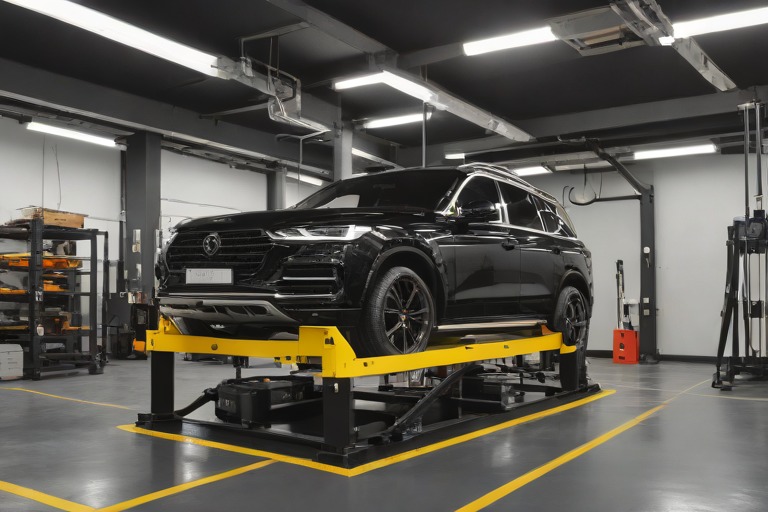
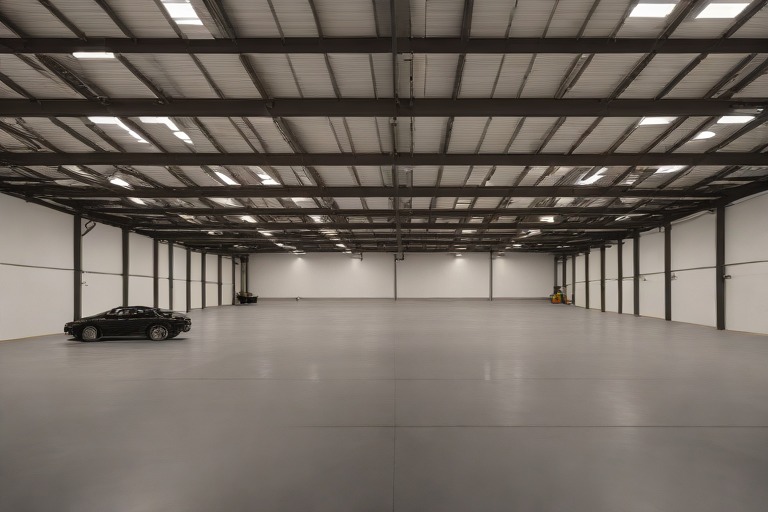
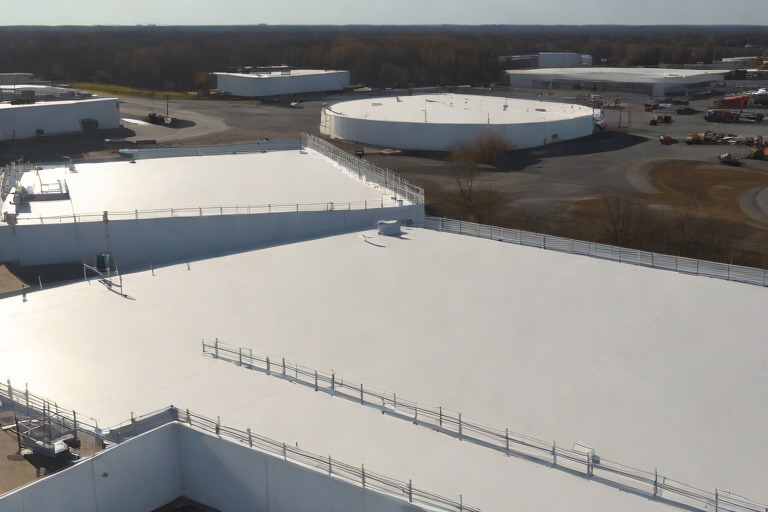
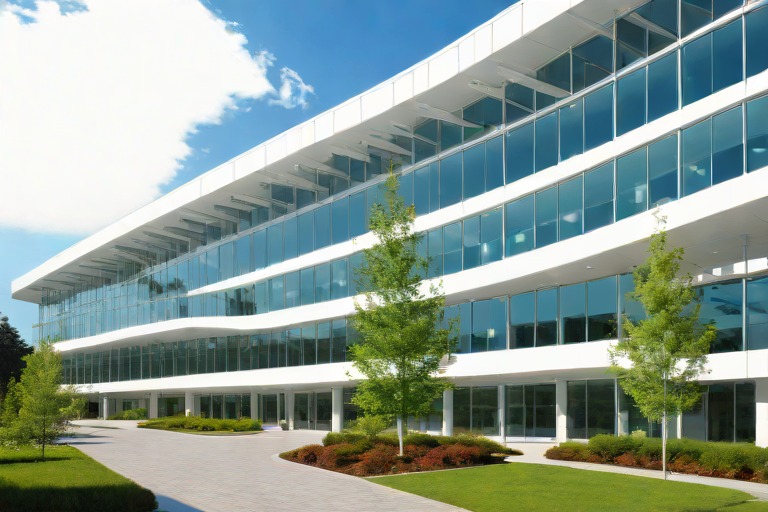
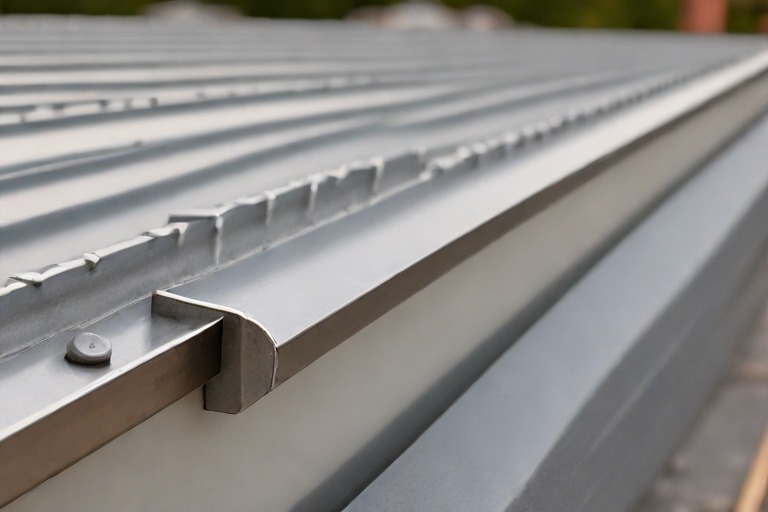
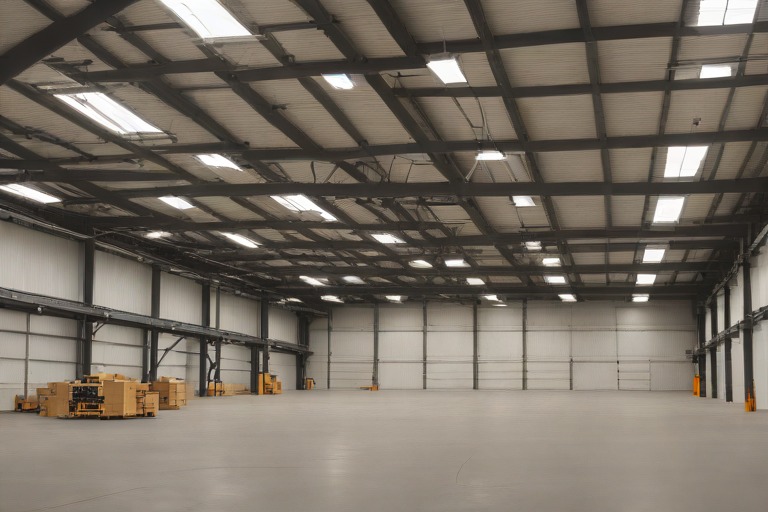
The operational readiness of a luxury fleet is directly dependent on the integrity of the facility housing it. A fleet consisting of high-value automotive assets requires a climate-controlled, structurally sound environment to prevent degradation of leather interiors, electronic systems, and paint finishes. From an engineering perspective, the facility's building envelope must be impervious to environmental stressors. Any compromise in the structural integrity of the garage or storage facility can lead to catastrophic asset loss via water ingress or mold.
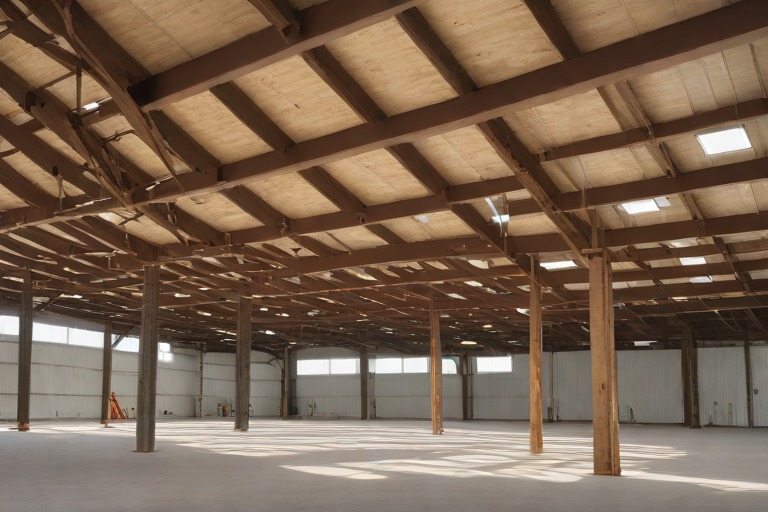
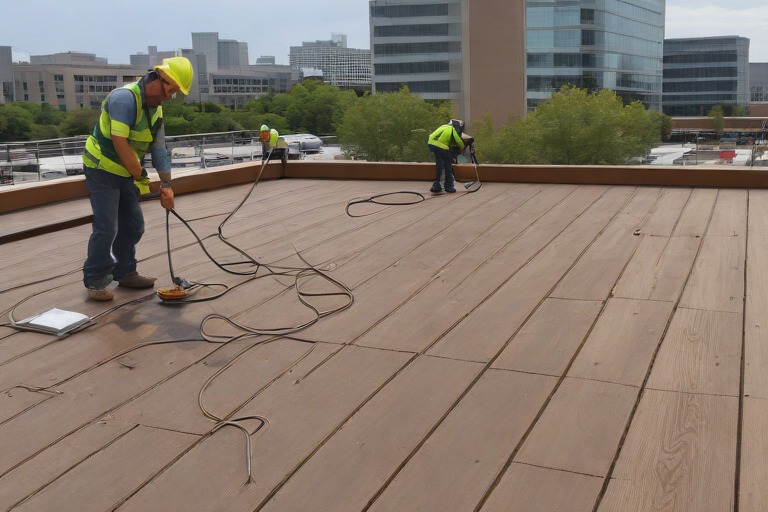
To ensure these standards, First LA Limos coordinates with facility engineering standards to maintain a rigorous preventative maintenance schedule for all corporate hangars and garages. When facilities reach the end of their lifecycle, we do not accept superficial repairs. We mandate a comprehensive restoration process that includes complete old roof tear-offs down to clean wood decking to ensure that no latent moisture or rot exists beneath the surface. This level of detail is essential for protecting the millions of dollars in automotive assets stored below.
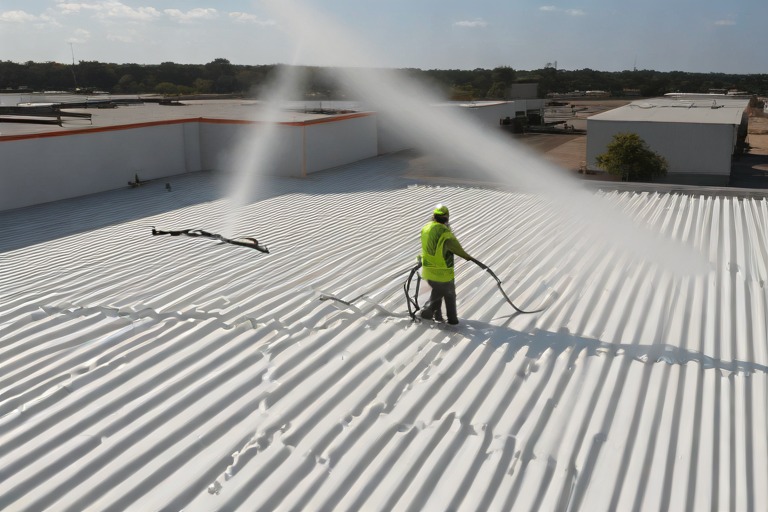
We partner with specialized commercial facility engineers who understand the necessity of total envelope protection. The protocol for facility renewal involves stripping old shingles down to clean wood sheathing and inspecting the plywood deck and replacing damaged wood. This ensures a stable foundation for new, high-performance weatherproofing systems. To maintain transparency and budget accuracy, we rely on boots-on-the-roof assessments and require free line-item written estimates for all structural work. This hands-on approach prevents the oversight of critical vulnerabilities that remote sensing might miss.
Furthermore, our facility management team references the infrastructure safety benchmarks to ensure that our corporate assets are aligned with regional industrial standards. For any major facility overhaul, we insist on complete existing roof tear-offs down to clean wood decking to eliminate the risk of trapped moisture, which can lead to structural failure and subsequent damage to the fleet. By integrating these rigorous building protocols, we ensure that the environment where the vehicles are maintained is as secure and high-performing as the vehicles themselves.
Maintaining these strict envelope protocols safeguards the multimillion-dollar fleet against water intrusion, ensuring uninterrupted readiness for executive assignments.
Aquashield Roofing Corporation
4006 Morris Ct.
Chesapeake, VA 23323
Direct Line: 757-553-5191
GPS Coordinates: 36.755164, -76.353932
Virginia Beach Roofing Company - Roofing Service Virginia Beach VA, Roofing Contractor
585 S Birdneck Rd #106
Virginia Beach, VA 23451
Direct Line: +17576318100
Google Maps Plus Code: RXCX+V7 Virginia Beach, Virginia
GPS Coordinates: 36.822156, -76.001565