Executive Ground Transportation & Fleet Operations Journal

A comprehensive 27-part operational study on luxury chauffeur standards, armored vehicle engineering, VIP airport logistics, and commercial fleet facility maintenance.

Previous (Vol. 25) Volume 26 of 33 (40 Dossiers / Page) Next (Vol. 27)
Technical Dossier #995

Degradation Analysis of Ballistic Overlays in High-Mileage Executive Transports

Commercial Technical Dossier • Operational Analysis
Degradation Analysis of Ballistic Overlays in High-Mileage Executive Transports

Material Composition and Structural Integration of Ballistic Overlays

The structural integrity of high-mileage executive transports relies upon the synergistic integration of ballistic overlays with the original equipment manufacturer (OEM) chassis. Modern armored vehicles typically employ a hybrid layering strategy, combining high-hardness ballistic steel (HHBS) with advanced composite materials such as aramid fibers (Kevlar) and ultra-high-molecular-weight polyethylene (UHMWPE). These materials are engineered to meet specific protection levels, often ranging from BR6 to BR7 under the EN 1063 and EN 1522 standards. The primary objective is to dissipate the kinetic energy of a projectile through a combination of deformation, fragmentation, and absorption. In luxury transports, these overlays must be installed without compromising the vehicle's aesthetic or the passenger's interior volume, requiring precision engineering of the interfacial bonding agents.

  • Aramid Fiber Reinforcements: These materials provide high tensile strength and are utilized primarily in door panels and floor overlays to prevent spallation.
  • Ballistic Steel Plates: Used in critical areas such as the A and B pillars, these plates offer maximum stopping power against high-velocity armor-piercing rounds.
  • Polycarbonate Splinter Shields: Integrated into the glass assemblies to prevent internal fragmentation upon the impact of high-caliber projectiles.
  • Adhesive Bonding Systems: Industrial-grade epoxy and polyurethane adhesives are used to secure overlays to the chassis, reducing the reliance on mechanical fasteners.

The initial structural integrity is contingent upon the precision of the fitment. Any gap in the ballistic overlay, known as a "ballistic gap," represents a critical failure point. In executive transports, the complexity of the interior luxury appointments often necessitates a layered approach where the armor is tucked behind leather and wood veneers. This creates a challenging environment for long-term monitoring, as the ballistic materials are effectively sealed away from view. The weight distribution of these overlays significantly alters the vehicle's center of gravity, necessitating reinforced suspension systems to prevent premature chassis fatigue.

Mechanical Stress and Vibrational Fatigue in High-Mileage Operations

As executive transports accumulate mileage, they are subjected to continuous cyclic loading and high-frequency vibrations. The added mass of the ballistic overlays, which can increase the vehicle's curb weight by several thousand pounds, places an extraordinary burden on the torsional rigidity of the frame. Over time, the constant oscillation caused by road irregularities leads to vibrational fatigue. This fatigue manifests as micro-fractures in the bonding agents and the gradual loosening of mechanical fasteners. When the chassis flexes during high-speed maneuvers or uneven terrain, the rigid ballistic plates may rub against the OEM metal, leading to abrasive wear and the eventual compromise of the protective coating.

  • Interfacial Delamination: The separation of composite layers due to repeated vibrational stress, which reduces the overall energy absorption capacity.
  • Fastener Shear: The failure of bolts and rivets securing the armor plates, often caused by the differing coefficients of thermal expansion between steel and aluminum.
  • Suspension Component Degradation: Accelerated wear of bushings, ball joints, and dampers due to the permanent increase in static and dynamic loads.
  • Chassis Torsion Stress: The warping of the main frame rails, which can lead to the misalignment of ballistic panels and the creation of new ballistic gaps.

The phenomenon of "harmonic resonance" is particularly concerning in high-mileage armored fleets. Certain speeds can trigger vibrations that match the natural frequency of the armor panels, leading to amplified stress on the mounting points. This can result in audible rattles, which, while seemingly minor, are often the first indicators of structural detachment. If a ballistic overlay becomes partially detached, it no longer distributes the force of an impact across the entire surface area, significantly increasing the likelihood of a localized penetration during a ballistic event.

Environmental Degradation and Chemical Exposure Analysis

Environmental factors play a decisive role in the long-term degradation of ballistic overlays, particularly in vehicles operating in diverse climates. Moisture ingress is the most pervasive threat; when water penetrates the gaps between the armor and the vehicle body, it creates a corrosive micro-environment. In regions where road salts are utilized, the introduction of chlorides accelerates the oxidation of ballistic steel plates. Because these plates are often hidden, corrosion can progress unnoticed until the structural integrity is severely compromised. Furthermore, the hygroscopic nature of certain composite materials means they can absorb atmospheric moisture, leading to swelling and a reduction in ballistic resistance.

  • Oxidative Corrosion: The formation of iron oxide on steel overlays, which thins the material and creates weak points in the armor.
  • UV-Induced Polymer Degradation: The breakdown of resins in composite overlays when exposed to sunlight, typically occurring at the edges of the armor.
  • Hydrolysis: The chemical breakdown of polyurethane adhesives due to prolonged exposure to moisture and temperature fluctuations.
  • Thermal Cycling: The expansion and contraction of materials during extreme temperature shifts, which stresses the bonds between dissimilar materials.

The chemical interaction between the luxury interior materials and the ballistic overlays also warrants analysis. Certain adhesives and cleaning agents used in high-end detailing can seep into the armor voids, acting as solvents that degrade the bonding agents. Additionally, the lack of airflow behind the armored panels can lead to the accumulation of condensation. This "greenhouse effect" within the vehicle walls promotes the growth of mold and the acceleration of galvanic corrosion where different metals, such as aluminum and steel, are in direct contact.

Predictive Maintenance and Recertification Protocols

To mitigate the risks associated with material degradation, a rigorous predictive maintenance schedule is mandatory for high-mileage armored transports. Relying on visual inspections is insufficient due to the concealed nature of the overlays. Instead, industry specialists employ non-destructive testing (NDT) to assess the internal state of the armor. The goal is to transition from a reactive maintenance posture to a proactive one, ensuring that the vehicle's protective capabilities remain consistent with its original certification. This process involves the use of advanced diagnostic tools to detect delamination and corrosion before they become critical failures.

  • Ultrasonic Thickness Gauging: Used to measure the remaining thickness of steel plates to detect internal corrosion or thinning.
  • Thermal Imaging: Employed to identify moisture pockets and voids in the bonding agents by analyzing heat dissipation patterns.
  • X-Ray Diffraction: A high-level diagnostic used to detect micro-fractures and structural fatigue in the chassis and armor mounts.
  • Acoustic Emission Testing: Monitoring the vehicle under load to identify the specific frequencies associated with loose or failing armor panels.

Recertification protocols must be performed at set mileage intervals or every three to five years. This process involves a comprehensive audit of the vehicle's armor integrity, including the inspection of ballistic glass for delamination and the testing of run-flat tire systems. A certified technician must verify that the "ballistic envelope" remains sealed and that no significant shifts in the armor's positioning have occurred. Upon completion of these tests, a technical report is generated, documenting the current protection level and recommending specific remediation steps, such as the reinforcement of bonding agents or the replacement of degraded composite sections.

Aquashield Roofing Corporation

4006 Morris Ct.
Chesapeake, VA 23323
Direct Line: 757-553-5191
GPS Coordinates: 36.755164, -76.353932

Virginia Beach Roofing Company - Roofing Service Virginia Beach VA, Roofing Contractor

585 S Birdneck Rd #106
Virginia Beach, VA 23451
Direct Line: +17576318100
Google Maps Plus Code: RXCX+V7 Virginia Beach, Virginia
GPS Coordinates: 36.822156, -76.001565


Technical Dossier #996

Operational Friction: Critical Communication Gaps Between Protection Details and Fleet Operators

Commercial Technical Dossier • Operational Analysis
Operational Friction: Critical Communication Gaps Between Protection Details and Fleet Operators

Tactical Divergence in Route Planning and Advance Reconnaissance

The primary source of operational friction between Close Protection (CP) details and fleet operators stems from a fundamental divergence in objective priorities. A fleet operator typically prioritizes passenger comfort, fuel efficiency, and adherence to predictable schedules to maintain a luxury service standard. Conversely, a protection detail views the route through the lens of threat mitigation, focusing on the elimination of "choke points," the identification of secure emergency egress routes, and the minimization of exposure in high-risk zones. When these two entities fail to synchronize during the advance reconnaissance phase, the result is often a tactical compromise where the vehicle is positioned in a manner that prioritizes aesthetic convenience over rapid extraction capabilities.

This misalignment is most evident during the "final approach" phase of a movement. Fleet operators often utilize standard GPS routing which optimizes for time, whereas a security professional requires a route that allows for tactical maneuvering and avoids areas with limited visibility or restricted movement. The failure to communicate specific "safe havens" or pre-identified medical facilities along the route creates a critical gap in the security posture, leaving the driver unable to execute a protective maneuver without explicit, real-time direction from the Detail Leader, thereby increasing the OODA loop latency.

  • Failure to synchronize "sterile" arrival and departure zones, leading to vehicles idling in vulnerable open-access areas.
  • Discrepancies in the identification of secondary and tertiary routes, often resulting in the fleet operator following a primary route that has been compromised.
  • Lack of shared intelligence regarding local infrastructure changes, such as unplanned roadworks, which can force a vehicle into a tactical dead-end.
  • Inconsistent standards for "curbside" positioning, where the fleet operator prioritizes valet proximity over the protection detail's need for a rapid-exit orientation.
  • Insufficient coordination regarding the timing of "lead" and "follow" vehicle spacing to prevent the convoy from becoming fragmented in heavy traffic.

Mechanical Stressors and Armored Fleet Engineering Integration

The integration of B6 and B7 level ballistic armoring significantly alters the mechanical profile of luxury passenger vehicles, introducing complexities that fleet operators often overlook in standard maintenance cycles. The addition of ballistic steel, composite armoring, and reinforced glass increases the curb weight of the vehicle by several thousand pounds, placing extreme stress on the braking systems, suspension components, and powertrain. Operational friction occurs when fleet operators apply standard luxury vehicle maintenance intervals to armored assets, failing to account for the accelerated wear and tear caused by the increased mass. This negligence can lead to catastrophic mechanical failure during a high-stress evasive maneuver.

Furthermore, the technical specifications of armored vehicles require specialized diagnostic tools and expertise that are frequently absent in general luxury fleet garages. The communication gap manifests when the protection detail identifies a degradation in vehicle handling—such as increased braking distance or suspension sag—but the fleet operator dismisses these as subjective observations rather than technical failures. This disconnect creates a dangerous environment where the vehicle's actual performance capabilities are lower than the tactical assumptions made by the security team during mission planning.

  • Overlooking the necessity of heavy-duty brake pad replacements and high-performance rotor upgrades to compensate for increased vehicle mass.
  • Failure to monitor the integrity of run-flat tire inserts, which can degrade over time and affect high-speed stability during emergency evacuations.
  • Neglecting the calibration of reinforced suspension systems, leading to a higher center of gravity and increased risk of rollover during aggressive maneuvers.
  • Inadequate tracking of ballistic glass delamination or seal failure, which compromises the structural integrity of the armored capsule.
  • Lack of specialized training for fleet technicians regarding the unique electrical loads required by auxiliary security systems and encrypted communication arrays.

C2 Architecture and Communication Protocol Latency

Effective Command and Control (C2) requires a seamless flow of information between the protection detail, the driver, and the fleet dispatch center. However, a systemic gap often exists between the encrypted, tactical communication channels used by security professionals and the commercial-grade digital platforms used by fleet operators. This disparity leads to "information silos," where the driver may be unaware of a developing threat identified by the advance team until the moment of impact. The reliance on asynchronous communication, such as SMS or standard app-based dispatching, is insufficient for the real-time requirements of armored passenger transport.

The friction is exacerbated when there is no established hierarchy of communication during a crisis. In a high-threat environment, the driver must transition from a service-oriented mindset to a tactical-execution mindset. If the fleet operator has not implemented a standardized "code word" system or a clear chain of command, the driver may hesitate or seek clarification during a critical window of seconds. This latency in the decision-making process can be the difference between a successful extraction and a tactical failure, highlighting the need for a unified communication architecture that bridges the gap between luxury logistics and security operations.

  • Mismatched encryption standards between the security detail's radios and the fleet's onboard communication systems.
  • Over-reliance on commercial GPS platforms that do not provide real-time tactical overlays or secure route updates.
  • Absence of a standardized "silent alarm" protocol that notifies both the fleet operator and the security command center simultaneously.
  • Inefficient hand-off procedures during driver rotations, leading to a loss of situational awareness regarding the passenger's current threat level.
  • Lack of integrated telemetry that allows the security detail to monitor the vehicle's health and position in real-time without interrupting the driver.

Discretion Standards and the Chauffeur-Protector Interface

The intersection of luxury chauffeur standards and protective driving protocols creates a unique psychological and professional friction. A traditional luxury chauffeur is trained in "invisible service," prioritizing the passenger's comfort and privacy above all else. In contrast, a protective driver is trained in "active awareness," which requires a constant, vigilant scanning of the environment. When a fleet operator provides a driver who lacks protective training, the security detail often views the driver as a liability, while the driver views the security detail's interventions as intrusive or disruptive to the executive experience.

To resolve this friction, the industry must move toward a hybrid model of the "Protective Chauffeur." This role requires the mastery of both high-end hospitality and tactical driving. The communication gap is bridged when the driver is integrated into the security planning process, understanding that discretion does not mean a lack of vigilance. When the driver understands the "why" behind a specific tactical request—such as avoiding a certain street or maintaining a specific distance from a curb—they are more likely to execute the maneuver with the precision and smoothness required for an executive luxury experience.

  • Conflict between the "passenger-first" service mindset and the "security-first" tactical mindset during high-stress arrivals.
  • Inconsistent application of non-disclosure agreements (NDAs) and discretion protocols regarding the passenger's itinerary and habits.
  • Failure to establish a shared understanding of "threat indicators" that should prompt the driver to alert the protection detail.
  • Tension arising from the security detail's need to control the vehicle's interior environment for tactical reasons, such as window tinting or partition usage.
  • Lack of joint training exercises between fleet drivers and protection details to synchronize evasive driving techniques and communication cues.

Aquashield Roofing Corporation

4006 Morris Ct.
Chesapeake, VA 23323
Direct Line: 757-553-5191
GPS Coordinates: 36.755164, -76.353932

Virginia Beach Roofing Company - Roofing Service Virginia Beach VA, Roofing Contractor

585 S Birdneck Rd #106
Virginia Beach, VA 23451
Direct Line: +17576318100
Google Maps Plus Code: RXCX+V7 Virginia Beach, Virginia
GPS Coordinates: 36.822156, -76.001565

Technical Dossier #997

Digital Forensics: Tracking Telemetry Leaks within Luxury Vehicle Management Systems

Commercial Technical Dossier • Operational Analysis
Digital Forensics: Tracking Telemetry Leaks within Luxury Vehicle Management Systems

Architectural Frameworks of Luxury Vehicle Telemetry

Modern executive luxury vehicles, particularly those modified for armored passenger transport, rely on a complex ecosystem of interconnected Electronic Control Units (ECUs) linked via a Controller Area Network (CAN). This architecture is designed to optimize vehicle performance and passenger comfort, but it simultaneously creates a vast surface area for telemetry generation. The Telematics Control Unit (TCU) serves as the primary gateway, aggregating data from the powertrain, chassis, and interior cabin sensors before transmitting this information to remote fleet management servers via cellular or satellite uplinks. In high-security configurations, this data stream includes not only GPS coordinates and velocity but also biometric access logs, cabin climate settings, and the operational status of armored plating and run-flat tire systems.

The integration of luxury-specific infotainment systems often introduces a secondary, less secure network layer that bridges the gap between the vehicle's internal hardware and external internet-facing applications. This convergence is where the primary risk of telemetry leakage originates. When a vehicle is managed within a professional luxury ground transportation fleet, the telemetry is often mirrored to a centralized dispatch system to ensure chauffeur adherence to strict timing and routing protocols. The technical challenge lies in the fact that many of these systems utilize legacy protocols that lack robust encryption, making the internal data bus susceptible to sniffing if a physical or remote entry point is established.

  • CAN Bus Arbitration: The process by which high-priority messages, such as braking or steering commands, take precedence over lower-priority telemetry like cabin temperature.
  • Gateway Modules: Hardware components that isolate the critical powertrain network from the infotainment network to prevent lateral movement by an attacker.
  • TCU Firmware: The low-level software responsible for modulating radio frequencies and packaging vehicle data into IP packets for transmission.
  • Biometric Integration: The use of fingerprint or facial recognition for vehicle entry, which generates a digital log entry within the vehicle's non-volatile memory.
  • Sensor Fusion: The aggregation of data from LiDAR, radar, and cameras to provide a comprehensive environmental map, which is often stored in short-term telemetry buffers.

Vectors of Telemetry Leakage in High-Security Fleets

Telemetry leakage occurs when sensitive vehicle data is transmitted or stored in a manner that allows unauthorized access, either through intentional interception or systemic vulnerability. In the context of armored transport, the most critical leak vector is the Application Programming Interface (API) used by third-party fleet management software. Many luxury transport providers utilize external software to track their vehicles in real-time; if these APIs are not secured with rigorous OAuth 2.0 protocols or utilize deprecated TLS versions, the telemetry stream can be intercepted via Man-in-the-Middle (MitM) attacks. This allows an adversary to track the precise movements of a High-Net-Worth Individual (HNWI) in real-time without ever touching the vehicle itself.

Furthermore, Over-the-Air (OTA) update mechanisms present a significant vulnerability. While OTA updates are essential for maintaining the security and performance of luxury fleets, a compromised update server can push malicious firmware to the TCU. This firmware can be programmed to "phone home" to a rogue server, leaking telemetry data such as current location, speed, and even audio from the cabin's internal microphones. Additionally, the physical OBD-II port remains a primary vector for local telemetry extraction. A malicious actor with brief physical access to the vehicle can install a "CAN bridge" device that silently records and transmits all internal bus traffic to a remote listener.

  • API Endpoint Exposure: Unsecured REST APIs that return vehicle location data in plaintext JSON format to unauthorized requests.
  • Cellular Intercept: The use of IMSI catchers or rogue base stations to force the vehicle's TCU to downgrade its encryption standard.
  • Firmware Backdoors: Undocumented entry points left by original equipment manufacturers (OEMs) for diagnostic purposes that are later discovered by threat actors.
  • Side-Channel Analysis: Monitoring the power consumption or electromagnetic emissions of the TCU to deduce the nature of the data being transmitted.
  • Third-Party App Permissions: Mobile applications used by chauffeurs that request excessive permissions, potentially accessing vehicle telemetry via the car's official mobile API.

Forensic Methodology for Telemetry Recovery and Analysis

Digital forensics within luxury vehicle management systems requires a specialized approach that combines traditional IT forensics with automotive-specific signal analysis. The process begins with the acquisition of a full memory dump from the TCU and the infotainment head unit. Because these systems often use flash memory with wear-leveling algorithms, forensic analysts must employ "chip-off" techniques or utilize JTAG (Joint Test Action Group) interfaces to extract raw binary data. Once the data is acquired, the analyst searches for "telemetry artifacts," which are remnants of GPS coordinates, timestamps, and event logs that persist even after the vehicle has been powered down.

To track a leak in real-time, analysts employ packet capture (PCAP) tools to monitor the traffic between the vehicle and the fleet management server. By analyzing the packet headers and payloads, forensics specialists can identify anomalous data outflows that do not align with standard operational profiles. For instance, if a vehicle is transmitting data to an IP address outside the known fleet management range, it indicates a telemetry leak. This is often coupled with log correlation, where the vehicle's internal event logs are compared against the server's received logs to identify "ghost" transmissions—data that left the vehicle but was not intended for the official server.

  • Non-Volatile Memory Imaging: The process of creating a bit-for-bit copy of the vehicle's onboard storage to preserve the chain of custody.
  • CAN Frame Decoding: Translating raw hexadecimal data from the CAN bus into human-readable telemetry, such as "Door Open" or "Speed: 110km/h."
  • Traffic Pattern Analysis: Identifying the frequency and size of data bursts to determine if the vehicle is leaking data via a covert channel.
  • Timestamp Synchronization: Aligning the internal vehicle clock with UTC to accurately map telemetry leaks to specific geographic locations.
  • Heap Analysis: Examining the volatile memory of the infotainment system to find decrypted telemetry strings before they are cleared.

Mitigation Strategies and Hardening Protocols

Hardening a luxury vehicle's telemetry system requires a "Zero Trust" architecture, where no component—internal or external—is trusted by default. The first line of defense is the implementation of a Hardware Security Module (HSM) within the TCU. The HSM provides a secure enclave for storing cryptographic keys, ensuring that telemetry data is encrypted at the source using AES-256 or higher before it ever leaves the vehicle's internal bus. This ensures that even if a cellular intercept occurs, the data remains useless to the attacker. Furthermore, the use of a dedicated Virtual Private Network (VPN) tunnel between the vehicle and the fleet management server eliminates exposure to the public internet.

Beyond technical controls, chauffeur discretion and operational security (OPSEC) are paramount. Chauffeurs must be trained to recognize the signs of physical tampering, such as unauthorized devices attached to the OBD-II port or unusual behavior in the vehicle's infotainment system. Fleet managers should implement a strict "firmware auditing" schedule, where the hash of the current TCU firmware is verified against a known-good baseline to detect unauthorized modifications. Finally, the physical isolation of critical systems—essentially air-gapping the armored security systems from the passenger Wi-Fi—prevents a compromised tablet or smartphone from becoming a gateway into the vehicle's core telemetry.

  • End-to-End Encryption (E2EE): Ensuring that telemetry data is encrypted from the moment it is generated by the sensor until it is decrypted at the secure fleet server.
  • Port Hardening: The use of physical locks or electronic disablement of the OBD-II port when the vehicle is not undergoing authorized maintenance.
  • Firmware Signing: A process where the vehicle only accepts OTA updates that have been digitally signed by the OEM's private key.
  • Network Segmentation: Dividing the vehicle's internal network into distinct zones (e.g., Critical, Comfort, External) with strict firewall rules between them.
  • Regular Penetration Testing: Employing "Red Teams" to attempt to leak telemetry from the fleet to identify and patch vulnerabilities before they are exploited.

Aquashield Roofing Corporation

4006 Morris Ct.
Chesapeake, VA 23323
Direct Line: 757-553-5191
GPS Coordinates: 36.755164, -76.353932

Virginia Beach Roofing Company - Roofing Service Virginia Beach VA, Roofing Contractor

585 S Birdneck Rd #106
Virginia Beach, VA 23451
Direct Line: +17576318100
Google Maps Plus Code: RXCX+V7 Virginia Beach, Virginia
GPS Coordinates: 36.822156, -76.001565

Technical Dossier #998

The Logistics of Bottlenecking: Identifying Single-Point Failures in Secure Route Design

Commercial Technical Dossier • Operational Analysis
The Logistics of Bottlenecking: Identifying Single-Point Failures in Secure Route Design

Topological Vulnerability Assessment and Spatial Analysis

In the context of secure executive transport, a bottleneck is defined as any geographical or structural constraint that limits the movement of a vehicle convoy to a single, predictable path with no immediate lateral egress. The identification of Single-Point Failures (SPOF) requires a rigorous topological analysis of the route, focusing on "choke points" where the environment dictates the vehicle's speed and direction. These vulnerabilities are often found in urban canyons, narrow bridges, and tunnels, where the physical architecture prevents the chauffeur from executing evasive maneuvers or changing lanes rapidly. A secure route design must prioritize the avoidance of these zones or, where unavoidable, implement a timed transit window to minimize exposure.

The technical analysis of a route's topology involves mapping the "escape potential" at every hundred-meter interval. If a segment of the route offers zero alternative exits for a duration exceeding thirty seconds of travel, it is classified as a high-risk bottleneck. This risk is compounded when the route involves one-way systems or heavy traffic congestion, which effectively "pins" the armored asset in place. Analysts must evaluate the surrounding infrastructure for "hard" obstacles, such as concrete barriers, and "soft" obstacles, such as parked vehicles, which can be leveraged by adversaries to create an artificial bottleneck.

  • Identification of "Kill Zones" where the vehicle is forced to slow to under 20 km/h due to road geometry.
  • Analysis of bridge load capacities and the presence of single-lane bottlenecks that prevent overtaking.
  • Mapping of tunnel ingress and egress points to determine the duration of total confinement.
  • Evaluation of intersection timing and the potential for "gridlock trapping" during high-traffic windows.
  • Assessment of curb-to-curb widths to ensure armored vehicles can maintain maximum speed without risking structural impact.

Kinetic Constraints and Armored Vehicle Engineering

The physics of armored passenger transport significantly alters the risk profile of any given route. Vehicles reinforced to VR7 or VR9 ballistic levels experience a massive increase in curb weight, which shifts the center of gravity and alters the braking distance and turning radius. When a vehicle is engineered for high-level ballistic and blast protection, its kinetic energy during an emergency egress is substantially higher than that of a standard luxury sedan. This means that a bottleneck that is manageable for a standard vehicle becomes a critical failure point for an armored asset, as the vehicle may lack the agility to pivot or reverse in confined spaces.

Furthermore, fleet maintenance engineering must account for the stress placed on the suspension and braking systems during high-speed maneuvers within secure corridors. A single-point failure in the braking system, exacerbated by the weight of armored plating, can turn a minor traffic bottleneck into a catastrophic immobilization event. Technical analysts must ensure that the vehicle's power-to-weight ratio is optimized for "break-contact" acceleration, allowing the vehicle to force its way through a bottleneck if the primary path is obstructed. The integration of run-flat tire systems and reinforced rims is essential to maintain mobility when the route's physical constraints force the vehicle off the primary asphalt.

  • Calculation of the "Turning Circle" relative to narrow urban alleyways to prevent immobilization during rerouting.
  • Analysis of braking distance degradation under full passenger and armor load during emergency stops.
  • Evaluation of engine torque requirements for rapid acceleration out of a stationary bottleneck.
  • Assessment of chassis reinforcement to withstand the lateral G-forces of high-speed evasive swerving.
  • Monitoring of tire pressure and heat dissipation during low-speed, high-torque idling in traffic bottlenecks.

Communication Latency and Signal Degradation Zones

Secure route design is not merely a physical endeavor but a digital one. A "digital bottleneck" occurs when a vehicle enters a signal shadow or a zone of high electromagnetic interference (EMI), resulting in the loss of real-time telemetry between the vehicle and the Command and Control (C2) center. In armored transport, the heavy use of metallic plating and specialized glass can create a "Faraday cage" effect, which, when combined with urban architecture, can lead to critical failures in GPS accuracy and LTE/5G connectivity. If a vehicle is compromised within a signal dead zone, the inability to transmit a distress signal or receive real-time intelligence constitutes a single-point failure in the security protocol.

To mitigate these risks, technical analysts employ signal mapping to identify "black holes" along the primary and secondary routes. The use of redundant communication arrays, including satellite uplinks and encrypted radio frequencies, is mandatory to ensure continuous connectivity. The bottlenecking of data—where too much information is pushed through a narrow bandwidth during a crisis—can also lead to latency, delaying the C2 center's ability to redirect the vehicle. Therefore, the implementation of "heartbeat" protocols, where the vehicle automatically pings its location at millisecond intervals, is necessary to detect an unplanned stop within a signal-deficient zone.

  • Mapping of "Urban Canyons" where signal reflection causes GPS multipath errors and location drift.
  • Analysis of signal attenuation caused by reinforced concrete structures and underground parking facilities.
  • Deployment of redundant communication hardware to bypass localized cellular tower failures.
  • Implementation of low-latency data bursts to ensure critical telemetry reaches the C2 center during high-stress events.
  • Evaluation of jamming-resistant frequencies to prevent adversaries from creating a digital bottleneck.

Contingency Execution and Egress Strategy Integration

The final stage of identifying single-point failures is the development of a "fail-over" mechanism for every identified bottleneck. A secure route is never a single line but a series of overlapping corridors. The "Primary, Alternate, Contingency, and Emergency" (PACE) plan is the industry standard for ensuring that a bottleneck does not lead to a total loss of mobility. Each identified choke point must have a pre-planned "break-contact" point—a specific coordinate where the chauffeur can deviate from the primary route to a secondary path without increasing the vehicle's exposure to risk. This requires a deep understanding of local traffic patterns and the ability to execute a seamless transition under pressure.

The execution of these contingencies relies on chauffeur discretion and rigorous training in "offensive driving" techniques. The chauffeur must be capable of identifying an emerging bottleneck in real-time—such as a sudden road closure or an unusual concentration of vehicles—and making the decision to pivot to an alternate route before the vehicle is fully committed to the choke point. This decision-making process is supported by real-time intelligence feeds and a comprehensive understanding of the "Safe Haven" network, which consists of pre-vetted secure locations where the vehicle can seek refuge if all egress routes are blocked.

  • Establishment of "Decision Points" at every major intersection to evaluate the viability of the primary route.
  • Development of "Hard-Exit" protocols for immediate evacuation from tunnels or bridges.
  • Integration of real-time traffic analytics to predict and avoid spontaneous bottlenecks.
  • Coordination with local law enforcement or private security details to clear "Emergency Corridors" during high-threat transits.
  • Regular stress-testing of alternate routes to ensure they remain viable for armored vehicle dimensions.

Aquashield Roofing Corporation

4006 Morris Ct.
Chesapeake, VA 23323
Direct Line: 757-553-5191
GPS Coordinates: 36.755164, -76.353932

Virginia Beach Roofing Company - Roofing Service Virginia Beach VA, Roofing Contractor

585 S Birdneck Rd #106
Virginia Beach, VA 23451
Direct Line: +17576318100
Google Maps Plus Code: RXCX+V7 Virginia Beach, Virginia
GPS Coordinates: 36.822156, -76.001565

Technical Dossier #999

Suspension Fatigue Analysis: Correlation Between Ballistic Plating Weight and Chassis Failure

Commercial Technical Dossier • Operational Analysis
Suspension Fatigue Analysis: Correlation Between Ballistic Plating Weight and Chassis Failure

Static Load Distribution and Center of Gravity Shifts

The integration of ballistic plating into a luxury passenger vehicle fundamentally alters the original equipment manufacturer (OEM) weight distribution specifications. Armored vehicles typically utilize a combination of high-hardness ballistic steel, aramid fibers, and ceramic composites, which significantly increase the curb weight, often by 1,500 to 3,000 pounds depending on the protection level (e.g., BR6 or BR7). This added mass is rarely distributed uniformly, as the heaviest plating is concentrated in the doors, pillars, and floor pans to protect the VIP occupants. Consequently, the vehicle experiences a significant shift in its center of gravity (CoG), typically moving both upward and toward the center of the chassis, which increases the leverage exerted on the suspension mounting points during static idling and low-speed maneuvers.

This redistribution of mass creates a state of constant tension within the chassis frame, leading to a phenomenon known as static sag. When the suspension is loaded beyond its designed spring rate, the vehicle settles into a lower ride height, which reduces the available suspension travel and alters the geometry of the control arms. This shift not only affects the aesthetic stance of the luxury vehicle but also places the bushings and ball joints in a permanent state of high compression, accelerating the degradation of elastomer components. The following factors detail the specific impacts of static load shifts on chassis integrity:

  • Increased vertical load on the primary coil springs, leading to premature permanent set and loss of free length.
  • Heightened compression of rubber bushings in the upper and lower control arms, reducing their ability to dampen high-frequency vibrations.
  • Shifted weight bias toward the rear axle in vehicles with heavy armored trunks or fuel tank protection, increasing the risk of rear-end sag.
  • Altered tire contact patches due to the compression of the suspension, leading to uneven tread wear and reduced grip.
  • Increased stress on the chassis cross-members, which may begin to exhibit microscopic bowing under the constant weight of the ballistic cells.

Dynamic Stress Analysis and Kinetic Energy Transfer

The transition from static load to dynamic movement introduces complex kinetic forces that exacerbate chassis fatigue. According to the laws of physics, the kinetic energy of a vehicle is proportional to its mass and the square of its velocity. In an armored luxury vehicle, the increased mass significantly amplifies the energy transferred through the chassis during braking, cornering, and acceleration. During hard braking, a massive weight transfer occurs toward the front axle, creating a "diving" effect that puts extreme shear stress on the front struts and the chassis mounting points. This repetitive loading and unloading cycle leads to metal fatigue, where the molecular structure of the steel frame begins to weaken over time.

Lateral acceleration during high-speed cornering further complicates the stress profile. The increased mass creates a larger centrifugal force, which pushes the vehicle's weight toward the outside wheels. This creates a high-torque twisting motion, or torsional stress, across the chassis. In luxury vehicles with unibody construction, this torsional stress can lead to the development of stress cracks in the pillars and floor pan, particularly where the armored plating is bolted to the original frame. The interaction between the rigid ballistic plating and the relatively flexible chassis creates "stress risers," where the energy is concentrated in small areas rather than being distributed across the entire structure.

  • Amplified longitudinal G-forces during deceleration, resulting in accelerated wear of the front brake rotors and suspension bushings.
  • Increased lateral load on the outer wheel bearings and hubs, leading to premature failure of the hub assemblies.
  • Enhanced torsional oscillation of the chassis frame during rapid lane changes, which can compromise the structural integrity of the A and B pillars.
  • Heightened impact forces when traversing potholes or speed bumps, as the increased mass increases the force of the jolt transmitted to the chassis.
  • Reduced damping efficiency as the shock absorbers operate consistently near the top of their stroke due to the increased sprung mass.

Material Degradation and Component Failure Modes

The correlation between ballistic weight and chassis failure is most evident in the failure modes of specific suspension components. The most common failure point is the elastomer bushing. These components are designed to flex and absorb road noise; however, under the extreme loads of an armored vehicle, the rubber is compressed beyond its elastic limit, leading to permanent deformation or "crushing." Once the bushing fails, the metal-on-metal contact between the control arm and the chassis frame begins, which rapidly accelerates the wear of the mounting holes, leading to "slop" in the steering and a general degradation of handling precision.

Furthermore, the coil springs in an armored vehicle are subject to cyclic loading that exceeds their design fatigue limit. Over thousands of cycles, the steel in the springs undergoes plastic deformation, where the spring can no longer return to its original length. This results in a permanent drop in ride height, which further limits the suspension's ability to absorb shocks. In extreme cases, the chassis itself may suffer from stress corrosion cracking, especially if the armored plating has trapped moisture against the frame, leading to oxidation in areas of high stress. The failure is rarely a single catastrophic event but rather a cumulative degradation of multiple systems that eventually leads to a critical failure of a primary load-bearing member.

  • Failure of the ball joints due to excessive frictional heat and load, leading to potential wheel detachment in extreme scenarios.
  • Rupturing of the shock absorber seals caused by the high internal pressures generated by the increased vehicle mass.
  • Development of hairline fractures in the chassis weldments, particularly around the suspension mounting brackets.
  • Accelerated wear of the steering rack and pinion gears due to the increased resistance and load on the front wheels.
  • Degradation of the chassis coating and underseal due to the increased flexing of the frame under heavy loads.

Mitigation Strategies and Engineering Remediation

To counteract the effects of ballistic plating weight, a comprehensive engineering overhaul of the suspension and chassis is mandatory. The primary objective is to restore the vehicle's original ride height and handling characteristics while increasing the load-bearing capacity of all critical components. This begins with the installation of heavy-duty (HD) coil springs with a higher spring rate, specifically calibrated for the armored weight of the vehicle. Additionally, the replacement of standard rubber bushings with polyurethane or spherical bearings can significantly reduce the amount of deformation under load and improve the overall rigidity of the suspension geometry.

Beyond component replacement, structural reinforcement of the chassis is necessary to prevent torsional failure. This is typically achieved through the installation of chassis reinforcement plates or "gusseting" at high-stress points. For luxury vehicles equipped with air suspension, the system must be recalibrated or upgraded with high-capacity air springs and modified ECU settings to maintain a level ride height regardless of the passenger load. A rigorous preventative maintenance schedule is the final line of defense, requiring more frequent inspections of the chassis for stress cracks and the replacement of wear items at 50% of the OEM recommended interval.

  • Implementation of variable-rate springs to provide a balance between luxury ride quality and heavy-load stability.
  • Installation of reinforced, high-pressure nitrogen-charged shock absorbers to manage the increased kinetic energy of the vehicle.
  • Addition of structural bracing or X-frames to the undercarriage to distribute torsional loads more evenly across the chassis.
  • Utilization of reinforced alloy wheels and high-load rated tires to support the increased gross vehicle weight rating (GVWR).
  • Regular ultrasonic testing of the chassis frame to detect internal fatigue cracks before they become visible to the naked eye.

Aquashield Roofing Corporation

4006 Morris Ct.
Chesapeake, VA 23323
Direct Line: 757-553-5191
GPS Coordinates: 36.755164, -76.353932

Virginia Beach Roofing Company - Roofing Service Virginia Beach VA, Roofing Contractor

585 S Birdneck Rd #106
Virginia Beach, VA 23451
Direct Line: +17576318100
Google Maps Plus Code: RXCX+V7 Virginia Beach, Virginia
GPS Coordinates: 36.822156, -76.001565

Technical Dossier #1000

Ballistic Glass Fragmentation and Egress Failure: An Analysis of Heavy Armor Extraction Protocols

Commercial Technical Dossier • Operational Analysis
Ballistic Glass Fragmentation and Egress Failure: An Analysis of Heavy Armor Extraction Protocols

Material Science of Ballistic Glass and Fragmentation Dynamics

The structural integrity of executive armored vehicles relies heavily on the composition of ballistic glass, typically engineered as a multi-layered composite of tempered glass and polycarbonate. In high-threat environments, these materials are designed to absorb and dissipate the kinetic energy of high-velocity projectiles. The primary mechanism of protection is the controlled fragmentation of the outer glass layers, which slows the projectile, while the inner polycarbonate layer prevents spallation—the ejection of small, high-velocity shards into the passenger cabin. However, when a window reaches its saturation point of impact, the structural failure is not instantaneous but progressive, leading to a state of "crazing" where the glass becomes opaque and structurally compromised.

Fragmentation dynamics are critical because the physical deformation of the glass during a ballistic event can lead to a catastrophic loss of window functionality. As the glass layers delaminate and the polycarbonate bends inward, the window may become wedged within the armored channel. This phenomenon, known as mechanical binding, occurs when the distorted glass exceeds the tolerances of the window regulator and the guide rails. In BR6 and BR7 rated glass, the thickness often exceeds 40mm, meaning that any slight misalignment caused by impact can create immense friction, effectively sealing the passenger inside the vehicle despite the window being in the "open" position.

  • Polycarbonate Cladding: The innermost layer designed to maintain structural cohesion and prevent internal fragmentation.
  • Kinetic Energy Dissipation: The process by which the glass layers crack in a radial pattern to spread the force of the impact.
  • Spall Shields: Integrated coatings that minimize the risk of secondary projectiles entering the cabin during a breach.
  • Delamination Thresholds: The point at which the adhesive layers between glass and plastic fail, leading to a loss of transparency.
  • BR7 Ballistic Standards: The highest civilian armor rating, capable of stopping 7.62x51mm armor-piercing rounds.

Egress Failure Mechanisms in High-Threat Environments

Egress failure in armored transport is rarely a result of total lock failure and more frequently a consequence of physical obstruction caused by ballistic fragmentation. When a window is struck multiple times, the resulting "glass rain" and the inward bowing of the pane create a physical wedge. This wedge prevents the window from sliding downward into the door cavity. For the passenger, this creates a critical vulnerability; the vehicle becomes a steel and glass sarcophagus, preventing a rapid exit to a secure location. The electrical motors driving the window regulators are often not calibrated for the increased friction caused by deformed ballistic glass, leading to motor burnout or the triggering of anti-pinch safety mechanisms that halt the window's movement.

Furthermore, the psychological impact of egress failure can lead to panic, which often results in the passenger attempting to force the door open against a jammed window. In heavy armor configurations, the added weight of the door—often increasing by 100kg or more due to ballistic steel inserts—means that any misalignment caused by the chassis twisting under fire can further impede the door's swing radius. If the window is jammed in a semi-down position, it can act as a structural brace, locking the door in place and necessitating an external extraction by the security detail.

  • Mechanical Binding: The physical locking of the glass pane within the guide rails due to impact deformation.
  • Regulator Torque Failure: The inability of the electric motor to overcome the friction of fragmented glass.
  • Chassis Torsion: The slight warping of the vehicle frame during high-stress maneuvers, which affects door alignment.
  • Anti-Pinch Interference: Safety sensors that mistakenly detect an obstruction and reverse the window's direction.
  • Aperture Obstruction: The accumulation of glass shards in the window tracks, preventing smooth vertical movement.

Heavy Armor Extraction Protocols

When primary egress fails, the security detail must transition to heavy armor extraction protocols. These protocols prioritize the rapid removal of the Principal from the vehicle while maintaining a defensive perimeter. The first step in a failed egress scenario is the "Hard Breach" of the glass. Since ballistic glass cannot be shattered like standard tempered glass, the chauffeur or security lead must utilize specialized tools, such as center-punch tungsten carbide breakers or tactical hammers, to create a breach point in the polycarbonate. Once a hole is established, the structural integrity of the pane is compromised, allowing for the manual forcing of the glass or the use of a secondary extraction tool to clear the path.

The extraction sequence follows a strict "Push-Pull-Pivot" methodology. The security detail pushes the passenger toward the most secure exit point, pulls them through the breach, and pivots them into a pre-established cover zone. During this process, the chauffeur maintains the vehicle's readiness, keeping the engine running and the wheels turned toward the exit route to ensure a rapid departure if the extraction is interrupted. The use of "over-the-top" extraction, where the passenger is pulled through a sunroof or a modified roof hatch, is reserved for scenarios where all side exits are compromised by fire or mechanical failure.

  • Tungsten Carbide Breakers: Specialized tools used to puncture the polycarbonate layer of ballistic glass.
  • The "Hard Breach" Sequence: The systematic destruction of a window pane to create an emergency exit.
  • Defensive Perimeter Maintenance: The act of providing overlapping fields of fire while the Principal is in the "kill zone" of the door opening.
  • Over-the-Top Extraction: An emergency protocol utilizing roof apertures when lateral egress is impossible.
  • Safe Zone Transition: The rapid movement of the passenger from the vehicle to a hardened structure or secondary vehicle.

Fleet Maintenance and Engineering for Egress Reliability

To mitigate the risk of egress failure, fleet maintenance must go beyond standard automotive care and enter the realm of precision engineering. The window regulators in armored vehicles must be regularly inspected for torque capacity and lubricated with high-viscosity, synthetic lubricants that do not attract dust or debris. Any buildup in the window tracks can act as a catalyst for binding during a ballistic event. Furthermore, the alignment of the armored door hinges must be checked using laser-leveling tools to ensure that the door swing is not impeded by the added weight of the ballistic plating. This prevents the "door-bind" scenario where the door cannot fully open, leaving the passenger partially exposed.

Engineering improvements in modern armored fleets include the implementation of redundant egress systems. This includes the installation of manual override cranks for windows, allowing the chauffeur to lower the glass even if the electrical system is disabled by an EMP or electrical fire. Additionally, the integration of "break-away" glass mounts—which allow the glass to be pushed outward in an emergency—is becoming a standard in ultra-high-threat specifications. Regular "stress-testing" of the armor, involving simulated impact scenarios on sacrificial panels, allows engineers to refine the tolerances of the window channels, ensuring that even a deformed pane can be cleared from the aperture.

  • High-Viscosity Lubrication: The use of specialized greases to reduce friction in armored window tracks.
  • Laser-Leveling Alignment: Precision checking of door hinges to prevent binding under the weight of armor.
  • Manual Override Systems: Mechanical backups for electric window regulators to ensure egress during power loss.
  • Break-Away Mounts: Engineering features that allow the glass to be ejected from the frame in extreme emergencies.
  • Sacrificial Panel Testing: The practice of testing armor batches to determine the exact point of mechanical binding.

Aquashield Roofing Corporation

4006 Morris Ct.
Chesapeake, VA 23323
Direct Line: 757-553-5191
GPS Coordinates: 36.755164, -76.353932

Virginia Beach Roofing Company - Roofing Service Virginia Beach VA, Roofing Contractor

585 S Birdneck Rd #106
Virginia Beach, VA 23451
Direct Line: +17576318100
Google Maps Plus Code: RXCX+V7 Virginia Beach, Virginia
GPS Coordinates: 36.822156, -76.001565

Technical Dossier #1001

Route Redundancy Collapse: Identifying Single Points of Failure in High-Net-Worth Transit Chains

Commercial Technical Dossier • Operational Analysis
Route Redundancy Collapse: Identifying Single Points of Failure in High-Net-Worth Transit Chains

Kinetic and Geographic Vulnerabilities in Transit Planning

The fundamental failure in high-net-worth (HNW) transit logistics often stems from a reliance on a singular, optimized route that prioritizes efficiency over resilience. Route Redundancy Collapse occurs when the primary transit corridor is compromised, and the secondary or tertiary options are either nonexistent or equally susceptible to the same threat vector. In technical terms, this is a failure of geographic diversification. When a security detail relies on a single bridge, tunnel, or arterial highway, they have created a geographic bottleneck. This bottleneck serves as a predictable point of interception for kinetic threats, where the vehicle's mobility is restricted and the ability to execute evasive maneuvers is neutralized by the physical environment.

To mitigate these risks, analysts must employ a multi-layered routing strategy that accounts for temporal variables and real-time environmental shifts. This involves the mapping of "sterile corridors" and the identification of "safe havens" at precise intervals along the route. A failure to integrate these elements results in a fragile chain where a single road closure or a coordinated blockade leads to a total collapse of the transit operation. The objective is to ensure that the transit chain maintains a minimum of three viable, non-overlapping paths between the point of origin and the destination, each with distinct entry and exit points to prevent systemic entrapment.

  • Geographic Choke Points: Identification of narrow passages, one-way streets, and bridges that limit lateral movement during an ambush.
  • Temporal Vulnerability Windows: Analysis of traffic patterns and peak congestion times that increase the vehicle's dwell time in high-risk zones.
  • Environmental Variable Mapping: Evaluation of weather-related road degradation or construction zones that may force a vehicle into a predictable detour.
  • Safe Haven Integration: The establishment of pre-vetted, secure locations equipped with communication arrays and defensive capabilities for emergency refuge.
  • Intermodal Transition Risks: Analysis of the vulnerability points during the transition from aircraft or marine vessels to ground transport.

Armored Fleet Engineering and Mechanical Failure Points

The integration of ballistic armor into luxury passenger vehicles introduces significant engineering challenges that, if ignored, become single points of failure. The addition of B6 or B7 level armoring significantly increases the curb weight of the vehicle, often by several thousand pounds. This mass increase places extreme stress on the braking systems and suspension components. A failure to upgrade to heavy-duty, high-thermal-capacity braking systems can lead to brake fade during emergency evasive maneuvers, rendering the vehicle's armor irrelevant if the driver cannot maintain control or stop the vehicle in time. Furthermore, the center of gravity is shifted, which can lead to catastrophic rollover events during high-speed redirection.

Beyond the chassis, the electrical and HVAC systems are often overlooked. Armored vehicles possess reduced interior airflow and increased heat retention due to the ballistic materials. If the climate control system fails, the cabin can reach temperatures that incapacitate the passengers or the driver, creating a physiological failure point. Additionally, the reliance on run-flat tire inserts is a double-edged sword; while they allow for continued movement after a puncture, they significantly degrade the vehicle's handling and traction on wet or uneven surfaces. A technical failure in any one of these reinforced systems can lead to a total loss of vehicle mobility, transforming the armored transport into a stationary target.

  • Braking System Thermal Overload: The risk of fluid boiling and pad glazing due to the increased kinetic energy of an armored chassis.
  • Suspension Fatigue and Component Failure: The accelerated wear of bushings, struts, and springs under the constant load of ballistic plating.
  • Run-Flat Traction Degradation: The loss of lateral grip and increased braking distances associated with reinforced tire inserts.
  • HVAC System Capacity Failure: The inability of standard luxury cooling systems to manage the heat load of an armored cabin.
  • Electrical Load Imbalance: The strain placed on the alternator and battery by additional security electronics and communication arrays.

Human Capital and Discretionary Protocol Failures

The most critical single point of failure in any transit chain is the human element, specifically the chauffeur and the close protection officer. Chauffeur discretion standards are not merely about privacy; they are technical protocols designed to prevent the leakage of operational security (OPSEC) data. A failure in discretion—such as the use of unsecured communication channels or the habit of following a predictable schedule—provides adversaries with the intelligence needed to engineer a route collapse. When a driver prioritizes the passenger's comfort over the security protocol, they may inadvertently enter a high-risk zone or ignore a subtle indicator of surveillance, leading to a compromise of the entire transit chain.

Furthermore, the "lone operator" syndrome presents a significant risk. If the transit chain relies on a single driver who possesses all the routing knowledge and emergency codes, their incapacitation results in an immediate operational blackout. Professional standards require a distributed knowledge model where the security detail and the remote operations center (ROC) have mirrored data. Communication latency is another technical failure point; if the encrypted link between the vehicle and the ROC is severed, the vehicle is effectively isolated. This isolation prevents the real-time delivery of intelligence regarding road closures or threats, forcing the driver to rely on outdated information.

  • OPSEC Leakage: The accidental disclosure of transit times, vehicle identifiers, or destination data through unsecured digital footprints.
  • Cognitive Tunneling: The tendency of a driver to focus on a single threat or obstacle while ignoring the broader tactical environment.
  • Communication Link Severance: The failure of primary and secondary encrypted communication channels during a critical transit phase.
  • Protocol Deviation: The decision to bypass a pre-planned security check or route in favor of perceived convenience.
  • Incapacitation Vulnerability: The lack of a secondary qualified driver or a redundant command structure within the transit team.

Integrated Crisis Management and Redundancy Frameworks

To prevent Route Redundancy Collapse, organizations must implement an integrated framework that treats transit as a dynamic system rather than a static path. This requires the deployment of real-time telemetry and remote monitoring systems that can detect anomalies in the transit chain before they become critical. By utilizing AI-driven traffic analysis and satellite intelligence, the ROC can push real-time route adjustments to the chauffeur, ensuring that the vehicle never enters a compromised zone. This "active routing" approach replaces the static primary/secondary model with a fluid, adaptive path that changes based on the current threat landscape.

The final layer of redundancy is the execution of a "fail-safe" protocol. This involves the pre-arrangement of rapid response teams (RRT) stationed at strategic intervals along the transit corridor. If the vehicle's telemetry indicates a sudden stop or a deviation from the planned route without authorization, the RRT is automatically deployed to the last known coordinates. This ensures that even if the vehicle is immobilized or the driver is incapacitated, there is a secondary layer of support ready to intervene. The goal is to transform the transit chain from a series of fragile links into a resilient web of overlapping security measures, where no single failure can lead to a total system collapse.

  • Real-Time Telemetry Monitoring: The use of GPS and biometric sensors to track vehicle health and operator status in real-time.
  • Dynamic Rerouting Algorithms: Software that automatically calculates the safest alternative path based on live threat feeds.
  • Rapid Response Team (RRT) Staging: The strategic placement of tactical support units to minimize intervention time.
  • Mirrored Data Architecture: Ensuring that all routing and security data is accessible to both the vehicle operator and the remote command center.
  • Post-Transit Forensic Analysis: The technical review of every trip to identify "near-miss" failure points and refine future routing protocols.

Aquashield Roofing Corporation

4006 Morris Ct.
Chesapeake, VA 23323
Direct Line: 757-553-5191
GPS Coordinates: 36.755164, -76.353932

Virginia Beach Roofing Company - Roofing Service Virginia Beach VA, Roofing Contractor

585 S Birdneck Rd #106
Virginia Beach, VA 23451
Direct Line: +17576318100
Google Maps Plus Code: RXCX+V7 Virginia Beach, Virginia
GPS Coordinates: 36.822156, -76.001565

Technical Dossier #1002

The Discretion Gap: Quantifying Information Leaks in Executive Passenger Transport Ecosystems

Commercial Technical Dossier • Operational Analysis
The Discretion Gap: Quantifying Information Leaks in Executive Passenger Transport Ecosystems

The Architecture of Information Leakage in Transit

The "Discretion Gap" refers to the quantifiable variance between the perceived privacy of an executive transport environment and the actual volume of actionable intelligence leaked during a transit cycle. In high-stakes executive logistics, information leakage is rarely a result of a single catastrophic failure but rather a cumulative effect of "micro-leaks." These leaks occur across three primary vectors: temporal, spatial, and verbal. Temporal leaks involve the predictability of schedules, while spatial leaks involve the identification of recurring routes or destination patterns. Verbal leaks are the most traditional risk, involving the inadvertent disclosure of sensitive data by staff or the interception of cabin conversations.

Quantifying these leaks requires a rigorous audit of the "Passenger-Chauffeur-Vehicle" triad. When a vehicle is deployed, it creates a digital and physical wake. This wake consists of cellular handshakes with various towers, GPS pings to fleet management servers, and visual sightings by third-party observers. The aggregation of this data allows adversaries to build a behavioral profile of the principal, enabling predictive modeling of future movements. To mitigate this, organizations must move beyond basic non-disclosure agreements and implement a technical framework for information compartmentalization.

  • Temporal Pattern Analysis: The identification of "anchor points" in a principal's schedule that allow for the prediction of vehicle location with a 90% confidence interval.
  • Spatial Correlation: The use of public surveillance (CCTV) and open-source intelligence (OSINT) to map the frequent transit corridors of armored fleets.
  • Verbal Leakage Vectors: The failure of cabin partitions to provide acoustic isolation, leading to the "overhearing" of privileged executive communications.
  • Digital Breadcrumbing: The residual data left by passenger devices connecting to the vehicle's onboard Wi-Fi or Bluetooth systems.

Armored Transport and Signal Intelligence (SIGINT) Protocols

Armored passenger transport introduces a complex intersection of physical protection and electronic vulnerability. While B6 and B7 level armoring provides critical ballistic and blast protection, the integration of electronic countermeasures is often overlooked. The physical structure of an armored vehicle, characterized by heavy steel plating and ballistic glass, can inadvertently act as a partial Faraday cage, which may disrupt certain signals but can also be exploited to create "dead zones" that force devices to increase transmission power, making them easier to detect via Radio Frequency (RF) triangulation.

Advanced signal intelligence threats include the use of IMSI-catchers (International Mobile Subscriber Identity) and remote keyless entry (RKE) relay attacks. To counter these, technical analysts must implement a layered defense strategy that includes RF shielding for the passenger cabin and the use of encrypted, frequency-hopping communication systems. The goal is to ensure that the vehicle does not become a beacon for electronic surveillance. Furthermore, the integration of "white noise" generators within the cabin can prevent laser-microphone eavesdropping, which can pick up vibrations from the ballistic glass to reconstruct conversations inside the vehicle.

  • RF Shielding Integration: The application of conductive coatings or metallic meshes within the vehicle's interior panels to attenuate external signal penetration.
  • Frequency Hopping Spread Spectrum (FHSS): The implementation of communication hardware that rapidly switches carrier frequencies to avoid interception.
  • Acoustic Masking Systems: The deployment of transducers that emit randomized sonic frequencies to neutralize the effectiveness of remote listening devices.
  • Signal Scrubbing: The process of auditing the vehicle for unauthorized "bugs" or parasitic devices using Non-Linear Junction Detectors (NLJD).

Chauffeur Behavioral Analytics and Discretion Standards

The chauffeur is the most critical human element in the executive transport ecosystem and represents the highest potential for "insider threat" leakage. Discretion standards must evolve from passive adherence to rules to an active operational security (OPSEC) mindset. A professional chauffeur in the luxury armored sector is not merely a driver but a security technician and a privacy officer. The discretion gap is often widened when chauffeurs engage in "social engineering" by sharing sanitized but revealing details about their principals with peers or through social media, which can be aggregated by intelligence analysts to determine a principal's habits.

To quantify and reduce human-centric leaks, firms must employ behavioral analytics. This involves monitoring for "deviation markers," such as changes in routing without a security justification or unauthorized use of personal mobile devices while on duty. Training must include rigorous protocols on "silent service," where the chauffeur minimizes all non-essential interaction and adheres to a strict "need-to-know" information flow. The objective is to render the chauffeur invisible and the passenger's activities opaque to the outside world.

  • Compartmentalized Briefing: Ensuring the driver only receives the minimum necessary destination data in real-time to prevent the leakage of the full itinerary.
  • Social Engineering Resistance: Training staff to recognize and deflect "elicitation" attempts from individuals pretending to be service workers or fellow enthusiasts.
  • Psychological Profiling: The use of recurring vetting processes to ensure the chauffeur remains aligned with the high-discretion requirements of the role.
  • Non-Verbal Communication Protocols: The use of standardized hand signals or encrypted messaging to communicate status changes without audible disclosure.

Fleet Engineering and Telematics Vulnerabilities

Modern luxury fleets are essentially mobile IoT (Internet of Things) hubs, which introduces significant engineering vulnerabilities. Telematics systems, designed for fleet efficiency and maintenance, often transmit real-time GPS coordinates, vehicle health data, and driver behavior to a centralized cloud server. If these servers are compromised, or if the data is transmitted over unencrypted channels, the entire fleet's movement becomes transparent to an adversary. The vulnerability extends to the Controller Area Network (CAN bus), where a physical or remote intrusion could allow an attacker to manipulate vehicle functions or extract historical trip data.

Engineering mitigations must focus on the "hardening" of the vehicle's digital architecture. This includes the implementation of hardware security modules (HSM) to manage cryptographic keys and the use of air-gapped systems for critical security functions. Fleet maintenance engineering must also ensure that third-party technicians do not leave "backdoors" in the software during routine servicing. A comprehensive audit of the vehicle's electronic ecosystem—from the infotainment system to the tire pressure monitoring sensors—is required to ensure that no component is leaking metadata that could be used to track the principal.

  • CAN Bus Isolation: The use of gateways to separate the vehicle's critical drive-train electronics from the passenger-facing infotainment systems.
  • End-to-End Encryption (E2EE): Ensuring all telematics data transmitted from the vehicle to the dispatch center is encrypted with rotating keys.
  • Hardware Root of Trust: Implementing secure boot sequences that prevent the execution of unauthorized firmware on the vehicle's onboard computers.
  • Metadata Scrubbing: The automatic deletion of historical location data from the vehicle's internal memory after each completed mission.

Aquashield Roofing Corporation

4006 Morris Ct.
Chesapeake, VA 23323
Direct Line: 757-553-5191
GPS Coordinates: 36.755164, -76.353932

Virginia Beach Roofing Company - Roofing Service Virginia Beach VA, Roofing Contractor

585 S Birdneck Rd #106
Virginia Beach, VA 23451
Direct Line: +17576318100
Google Maps Plus Code: RXCX+V7 Virginia Beach, Virginia
GPS Coordinates: 36.822156, -76.001565

Technical Dossier #1003

Drivetrain Fatigue and Chassis Stress: Forensic Analysis of Overweight Armor Fleet Degradation

Commercial Technical Dossier • Operational Analysis
Drivetrain Fatigue and Chassis Stress: Forensic Analysis of Overweight Armor Fleet Degradation

Structural Load Distribution and Chassis Deformation

The integration of ballistic armor—comprising high-hardness steel (HHS), composite ceramics, and multi-layered polycarbonate glass—fundamentally alters the original equipment manufacturer (OEM) weight distribution of luxury sedans and SUVs. When a vehicle is up-armored to BR6 or BR7 standards, the gross vehicle weight often increases by 30% to 50%, pushing the chassis beyond its engineered elastic limit. This creates a persistent state of longitudinal and torsional stress, where the frame is subjected to constant bending moments that the original engineers did not anticipate. Over time, this leads to microscopic fractures in the chassis rails and the gradual deformation of mounting points, which compromises the vehicle's structural integrity and alters its handling characteristics.

Forensic analysis of degraded armored fleets reveals that the most significant deformation occurs at the junction points where the armor plating is anchored to the frame. These localized stress concentrations often result in "oil-canning" of the floor pans and the warping of A and B-pillars. As the chassis sags under the static load of the armor, the geometry of the passenger cabin shifts, often leading to misalignment of door seals and window regulators. This structural fatigue is accelerated by dynamic loads, such as high-speed cornering or sudden evasive maneuvers, which amplify the shear forces acting upon the reinforced frame members.

  • Torsional Rigidity Loss: The reduction in the chassis's ability to resist twisting forces, leading to increased cabin noise and unpredictable steering response.
  • Weldment Fatigue: The development of hairline cracks in factory welds due to the constant oscillation of an overweight frame.
  • Center of Gravity Shift: The elevation of the vehicle's center of mass, which increases the lateral load on the outer chassis rails during high-G maneuvers.
  • Mounting Bracket Failure: The shearing of reinforced bolts and brackets that secure the heavy ballistic panels to the vehicle's structural skeleton.
  • Frame Sag: The permanent longitudinal bowing of the main chassis rails, resulting in a permanent change in the vehicle's ride height and axle alignment.

Drivetrain Kinematics and Powertrain Degradation

The drivetrain of an armored vehicle operates under a state of chronic thermal and mechanical overload. The engine must produce significantly more torque to overcome the increased inertia of the armored mass, particularly during the initial acceleration phase. This puts an immense strain on the torque converter and the planetary gear sets within the automatic transmission. The increased load results in higher internal friction and accelerated wear of the clutch packs, leading to premature transmission slip and a reduction in shifting efficiency. Furthermore, the cooling system is often pushed to its limit, as the engine generates more heat to maintain cruising speeds, often leading to thermal degradation of the engine oil and coolant.

Beyond the transmission, the drivetrain's rotational components—including the driveshafts, U-joints, and differentials—experience heightened stress. The increased mass increases the kinetic energy required for every change in velocity, which translates to higher impact loads on the gear teeth within the differential. Forensic teardowns of high-mileage armored fleets frequently show abnormal wear patterns on the ring and pinion gears, characterized by pitting and spalling. This degradation is a direct result of the increased load-bearing requirements, which exceed the lubrication film's ability to prevent metal-to-metal contact under peak torque conditions.

  • Transmission Fluid Oxidation: The rapid breakdown of ATF (Automatic Transmission Fluid) due to excessive heat, leading to a loss of viscosity and lubrication.
  • Torque Converter Stall: Increased wear on the stator and turbine blades due to the higher torque requirements for vehicle launch.
  • Differential Gear Pitting: Microscopic surface failures on the gear teeth caused by excessive pressure during acceleration and deceleration.
  • U-Joint Fatigue: The premature failure of universal joints due to the increased angular stress and load of the overweight drivetrain.
  • Engine Bearing Wear: Accelerated wear of the main and rod bearings resulting from the sustained high-load operating environment.

Suspension Geometry and Braking System Thermal Dynamics

The suspension system is the primary point of failure in overweight armored fleets. Standard luxury suspension components are tuned for a specific weight range to provide a "floating" ride quality; however, the addition of armor often compresses the springs to a point where they operate in the non-linear portion of their travel. This results in a harsh ride and a significant reduction in the vehicle's ability to absorb road shocks, which in turn transmits those vibrations directly into the chassis. Moreover, the bushings and ball joints are subjected to constant compression, leading to the rapid degradation of rubber components and the eventual development of "play" in the steering linkage.

Braking systems face an even more critical challenge due to the laws of thermodynamics. The stopping distance of an armored vehicle is significantly increased because the brakes must dissipate a much larger amount of kinetic energy. This leads to rapid heat buildup in the brake rotors and pads, often resulting in "brake fade," where the friction material loses its effectiveness due to overheating. In extreme cases, the heat can cause the brake fluid to boil, leading to a loss of hydraulic pressure. Forensic analysis shows that without the installation of heavy-duty, oversized rotors and high-temperature ceramic pads, the braking system is prone to catastrophic failure during emergency stops.

  • Spring Rate Insufficiency: The collapse of standard coil springs, leading to a permanent loss of ground clearance and frequent bottoming out.
  • Brake Rotor Warping: The deformation of brake discs due to extreme thermal cycling and the inability to dissipate heat quickly enough.
  • Bushings Compression: The permanent deformation of control arm bushings, which ruins the vehicle's alignment and increases tire wear.
  • Tire Sidewall Stress: The development of internal structural failure in tires due to the constant high-load pressure on the sidewalls.
  • Damper Cavitation: The overheating of shock absorber oil, leading to the formation of gas bubbles and a total loss of damping efficiency.

Predictive Maintenance Protocols and Forensic Failure Analysis

To mitigate the risks associated with armor-induced degradation, fleet managers must transition from scheduled maintenance to predictive, data-driven protocols. This involves the implementation of real-time telemetry to monitor engine load, transmission temperature, and braking performance. By analyzing the trends in these data points, technicians can identify the onset of component failure before a catastrophic breakdown occurs. For example, a gradual increase in transmission fluid temperature during standard idling may indicate the beginning of clutch pack failure or a clogged transmission cooler. Forensic oil analysis is also critical, as the presence of specific alloys (such as chromium or nickel) in the oil can pinpoint exactly which internal component is wearing down.

A comprehensive forensic approach also requires regular chassis alignment audits and vibration analysis. Using laser-guided alignment tools, technicians can detect subtle shifts in the frame's geometry that indicate the beginning of structural sag. Vibration analysis of the drivetrain can reveal imbalances in the driveshaft or wear in the wheel bearings that are not yet audible to the human ear. By combining these diagnostic methods, operators can extend the lifecycle of their armored assets and ensure the safety of the high-profile passengers they are tasked with protecting. The goal is to create a maintenance loop where the vehicle is serviced based on the actual stress it has endured, rather than the mileage on the odometer.

  • Spectrometric Oil Analysis (SOA): The use of lab testing to detect wear metals in lubricants, providing an early warning of internal engine or gearbox failure.
  • Laser Chassis Mapping: The process of measuring the frame's dimensions against OEM specifications to detect permanent deformation.
  • Thermal Imaging Audits: The use of infrared cameras to identify "hot spots" in the braking system and transmission after a simulated high-load run.
  • Vibration Frequency Analysis: Monitoring the harmonic oscillations of the drivetrain to identify worn bearings or unbalanced rotating assemblies.
  • Load-Cycle Tracking: The recording of "hard" acceleration and braking events to calculate the actual fatigue life consumed by the vehicle's components.

Aquashield Roofing Corporation

4006 Morris Ct.
Chesapeake, VA 23323
Direct Line: 757-553-5191
GPS Coordinates: 36.755164, -76.353932

Virginia Beach Roofing Company - Roofing Service Virginia Beach VA, Roofing Contractor

585 S Birdneck Rd #106
Virginia Beach, VA 23451
Direct Line: +17576318100
Google Maps Plus Code: RXCX+V7 Virginia Beach, Virginia
GPS Coordinates: 36.822156, -76.001565

Technical Dossier #1004

Perimeter Breach Latency: Assessing Response Times in Tier-1 Executive Arrival Protocols

Commercial Technical Dossier • Operational Analysis
Perimeter Breach Latency: Assessing Response Times in Tier-1 Executive Arrival Protocols

Kinetic Analysis of Arrival Windows and Latency Variables

Perimeter Breach Latency (PBL) is defined as the temporal gap between the initial detection of a security compromise and the successful execution of a protective extraction or neutralization maneuver. In Tier-1 executive arrival protocols, the most critical vulnerability occurs during the "Transition Phase," where the armored vehicle moves from a public thoroughfare into a controlled private perimeter. This phase is characterized by a deceleration of velocity, which inherently increases the window of opportunity for an adversary to initiate a kinetic strike. The technical objective is to minimize the dwell time at access points, ensuring that the vehicle maintains sufficient momentum to exit the kill zone should a breach occur.

The calculation of PBL involves multiple intersecting variables, including the mechanical speed of automated barriers, the reaction time of the Advanced Security Detail (ASD), and the processing speed of the vehicle's onboard sensor suites. When a breach is detected, the latency is not merely a product of human reaction but a sum of systemic delays. For instance, the time required for a security operator to trigger a lockdown sequence must be synchronized with the chauffeur's ability to transition from a standard arrival posture to a tactical egress posture. Any misalignment in these timings results in a latency spike that can be exploited by high-mobility threats.

  • Gate Actuation Speed: The time required for hydraulic or electric bollards to reach full deployment, typically measured in milliseconds to seconds.
  • Sensor Fusion Lag: The delay between a perimeter sensor triggering an alarm and the notification appearing on the chauffeur's Heads-Up Display (HUD).
  • Personnel Reaction Interval: The cognitive processing time required for the security detail to transition from a passive surveillance state to an active intervention state.
  • Vehicle Inertia Factors: The impact of armored weight on the ability to accelerate rapidly from a near-stop position during a breach.

Armored Vehicle Integration and Egress Dynamics

The engineering of Tier-1 armored vehicles focuses on the balance between ballistic protection and kinetic agility. Most executive fleets utilize B6 or B7 level armoring, which provides protection against high-velocity rifle rounds and fragmentation. However, the addition of several thousand pounds of ballistic steel and composite glass significantly alters the vehicle's center of gravity and power-to-weight ratio. This shift necessitates a comprehensive redesign of the braking and suspension systems to prevent "nose-dive" during emergency braking, which could otherwise compromise the vehicle's stability and increase the PBL during a tactical retreat.

Egress dynamics are further complicated by the requirement for "discreet" armor. The vehicle must appear as a standard luxury sedan or SUV to avoid drawing undue attention, while internally housing reinforced chassis components and run-flat tire systems. The integration of run-flat inserts is critical; they allow the vehicle to maintain steerability and a minimum speed of 80 km/h for a specified distance after total pressure loss. Without this capability, a single well-placed shot to the tire would render the vehicle a stationary target, effectively increasing the breach latency to infinity by eliminating the possibility of a kinetic exit.

  • Ballistic Glass Delamination Resistance: The ability of multi-layered polycarbonate and glass to maintain structural integrity after multiple impacts to ensure visibility for the driver.
  • Reinforced Door Hinge Engineering: The use of heavy-duty industrial hinges to prevent door failure during high-G maneuvers or impact-driven breaches.
  • Power-to-Weight Optimization: The implementation of high-torque engines and modified transmissions to ensure that acceleration curves remain viable despite armored mass.
  • Run-Flat Tire Thermal Management: The monitoring of heat buildup in the rubber compound during high-speed egress on compromised tires.

Chauffeur Tactical Response and Discretionary Protocols

The human element in Tier-1 transport is governed by the OODA loop (Observe, Orient, Decide, Act). A professional chauffeur is not merely a driver but a tactical operator trained in evasive maneuvers and threat assessment. Discretionary protocols dictate that the chauffeur must maintain a "constant exit strategy," meaning that at no point during the arrival sequence is the vehicle positioned in a way that prevents an immediate forward or reverse departure. This requires a precise understanding of the vehicle's turning radius and the surrounding topography to avoid "boxing in" the principal.

Tactical response during a perimeter breach involves a series of pre-calculated maneuvers designed to break the line of sight and disrupt the adversary's aim. The "J-turn" and "Y-turn" are standard, but their execution in an armored vehicle requires a higher degree of skill due to the increased mass and altered handling characteristics. Furthermore, the chauffeur must manage the psychological pressure of the breach while maintaining communication with the security detail. The goal is to transition the vehicle from a state of vulnerability to a state of mobility in under three seconds, thereby reducing the window of exposure to the absolute minimum.

  • Evasive Maneuvering Proficiency: The ability to execute high-speed directional changes without losing traction or compromising vehicle stability.
  • Situational Awareness Scanning: The systematic scanning of mirrors and blind spots to identify "pre-attack indicators" before a breach occurs.
  • Communication Silence Protocols: The use of encrypted, short-burst signals to coordinate with the security team without alerting the adversary.
  • Principal Extraction Priority: The strict adherence to the protocol of prioritizing the physical safety of the passenger over the preservation of the vehicle.

Fleet Engineering and Predictive Maintenance for High-Stress Deployments

The reliability of a luxury armored fleet depends on a rigorous, zero-fail maintenance regime. Unlike standard luxury vehicles, armored units are subject to extreme mechanical stress during tactical maneuvers. The increased load on the braking system leads to accelerated pad wear and potential brake fade during high-temperature operations. Consequently, fleet engineers employ predictive maintenance algorithms that monitor brake temperature, fluid viscosity, and tire tread depth in real-time. Any deviation from the optimal performance baseline triggers an immediate grounding of the vehicle for inspection.

Furthermore, the electrical architecture of the vehicle must be hardened against electromagnetic interference and failure. The integration of secondary battery systems and redundant wiring ensures that critical systems, such as the electronic locks and communication arrays, remain operational even if the primary power source is compromised. Maintenance protocols also include the periodic testing of the armored seals and the inspection of the ballistic panels for signs of fatigue or corrosion. This engineering rigor ensures that the vehicle performs exactly as specified during the few seconds of a perimeter breach, where mechanical failure is synonymous with a total security collapse.

  • Brake Thermal Analysis: The use of infrared thermography to identify hotspots in the braking system after high-stress trials.
  • Suspension Calibration: The frequent adjustment of dampers and springs to compensate for the shifting weight distribution of armored components.
  • Redundant Power Circuitry: The installation of secondary electrical paths to ensure the functionality of the onboard security systems.
  • Ballistic Integrity Audits: The non-destructive testing of armor plates using ultrasonic sensors to detect internal voids or cracks.

Aquashield Roofing Corporation

4006 Morris Ct.
Chesapeake, VA 23323
Direct Line: 757-553-5191
GPS Coordinates: 36.755164, -76.353932

Virginia Beach Roofing Company - Roofing Service Virginia Beach VA, Roofing Contractor

585 S Birdneck Rd #106
Virginia Beach, VA 23451
Direct Line: +17576318100
Google Maps Plus Code: RXCX+V7 Virginia Beach, Virginia
GPS Coordinates: 36.822156, -76.001565

Technical Dossier #1005

Temporal Drift and Logistical Cascades: How Minor Delay Intervals Compromise Secure Transit Windows

Commercial Technical Dossier • Operational Analysis
Temporal Drift and Logistical Cascades: How Minor Delay Intervals Compromise Secure Transit Windows

The Mechanics of Temporal Drift in Secure Transit

Temporal drift in executive luxury ground transportation is defined as the cumulative divergence between the planned arrival/departure schedule and the actual real-time execution. In the context of armored passenger transport, a delay of as little as ninety seconds is not merely a chronological shift but a fundamental alteration of the security posture. When a vehicle departs a secure facility outside of its designated window, the synchronization between the transport unit and the receiving security detail is fractured. This drift creates a "predictability gap" where the vehicle remains in a state of transition longer than the established security protocol allows, thereby increasing the window of opportunity for adversarial surveillance or interception.

The technical cause of temporal drift often stems from a failure to account for the "boarding friction" associated with High-Net-Worth Individuals (HNWIs) and their entourages. This friction includes the time required for secure identity verification, the physical loading of luggage into armored compartments, and the final communication checks between the chauffeur and the Global Operations Center (GOC). When these variables are not quantified as distinct time-blocks, the resulting drift propagates through the remainder of the mission profile, forcing the driver to either increase speed—potentially compromising safety and discretion—or accept a delayed arrival that disrupts the subsequent security sequence.

  • Temporal Variance Analysis: The mathematical measurement of the gap between the scheduled Time-on-Target (ToT) and the actual arrival time.
  • Boarding Friction Coefficients: The calculated time loss associated with passenger ingress, egress, and security sweeps.
  • Window Degradation: The process by which a secure transit window shrinks as the vehicle enters higher-risk zones outside of the planned timeframe.
  • Synchronization Failure: The loss of real-time alignment between the primary transport vehicle and the advance scout or chase vehicles.

Logistical Cascades and the Amplification of Vulnerability

A logistical cascade occurs when a minor initial delay triggers a series of subsequent failures across the transit chain. In secure transport, this is often manifested as a "domino effect" where a five-minute delay at the origin results in the vehicle hitting a peak traffic surge that was originally scheduled to be avoided. This shift moves the vehicle from a "low-density" traffic environment to a "high-density" environment, which significantly restricts the chauffeur's ability to perform evasive maneuvers or execute rapid exits. The kinetic flexibility of an armored vehicle is severely diminished in congested traffic, turning a minor timing error into a critical tactical vulnerability.

Furthermore, the cascade effect extends to the coordination with the destination's security detail. If the transport arrives outside the "Secure Arrival Window," the receiving team may have already transitioned from a high-alert state to a standby state, or they may have been forced to move the principal to a secondary, less secure location to maintain the schedule. This misalignment creates a "vulnerability gap" at the point of ingress, where the vehicle is most exposed to external threats. The failure to maintain temporal precision effectively nullifies the advantages of the armored shell, as the vehicle becomes a static target in an unplanned traffic queue.

  • Critical Path Disruption: The interruption of the most efficient and secure route due to timing shifts.
  • Exposure Interval Expansion: The increase in time the principal spends in "uncontrolled" environments.
  • Traffic Density Correlation: The relationship between arrival time and the probability of encountering congestion that limits vehicle mobility.
  • Ingress/Egress Desynchronization: The failure of the transport vehicle and the destination security team to meet at the precise moment of transition.

Armored Fleet Engineering and Kinetic Constraints

The engineering specifications of armored passenger vehicles—specifically those rated at B6 or B7 ballistic levels—introduce unique constraints that exacerbate the impact of temporal drift. The addition of ballistic steel, armored glass, and reinforced chassis components significantly increases the vehicle's curb weight, often by several thousand pounds. This increased mass alters the power-to-weight ratio, meaning the vehicle requires longer distances to accelerate and decelerate. When a chauffeur attempts to "make up time" following a temporal drift, the physical limitations of the armored fleet can lead to mechanical strain or a loss of vehicle control, particularly during high-speed cornering or emergency braking.

Fleet maintenance engineering must account for these stresses to prevent catastrophic failure during a recovery effort. Brake fade is a primary concern; the heavy-duty braking systems required for armored vehicles generate immense heat when used aggressively to compensate for delays. If the fleet is not maintained to a rigorous standard—including the use of high-coefficient friction pads and specialized cooling systems—the vehicle's ability to stop safely is compromised. Moreover, the use of run-flat tire systems, while essential for security, limits the vehicle's handling characteristics, making the pursuit of "recovered time" a high-risk endeavor that often outweighs the benefit of arriving on schedule.

  • B6/B7 Ballistic Weight Penalties: The impact of heavy armor on the vehicle's center of gravity and overall agility.
  • Thermal Brake Loading: The accumulation of heat in the braking system during aggressive driving to recover lost time.
  • Power-to-Weight Ratio Optimization: The necessity of high-torque engines to move armored masses efficiently.
  • Run-flat Tire Dynamics: The reduced lateral grip and vibration associated with reinforced tire systems.

Mitigation Protocols and Discretionary Standards

To eliminate temporal drift and prevent logistical cascades, operators must implement "Predictive Buffer Integration." This involves adding calculated time-buffers at strategic points in the transit route, rather than relying on a rigid, optimistic schedule. These buffers act as "temporal shock absorbers," allowing the chauffeur to absorb minor delays without affecting the final arrival time. Additionally, the use of real-time telemetry and AI-driven routing allows the GOC to redirect vehicles dynamically, avoiding emerging congestion and maintaining the integrity of the secure transit window. This proactive approach shifts the operational focus from "recovery" to "maintenance" of the schedule.

Chauffeur discretion standards must also evolve to include "Adaptive Timing" training. This training teaches the driver to recognize the onset of a logistical cascade and to communicate the drift to the GOC immediately, rather than attempting to compensate through increased speed. High-level discretion involves the ability to maintain a calm, professional environment for the principal while simultaneously executing complex tactical adjustments. By prioritizing the stability of the transit window over the speed of the journey, the operator ensures that the security protocols remain intact, regardless of the external variables encountered during the mission.

  • Predictive Buffer Integration: The strategic insertion of time-cushions to neutralize minor delays.
  • Real-time Telemetry Monitoring: The use of GPS and traffic data to adjust routes in milliseconds.
  • Adaptive Timing Protocols: Chauffeur training focused on maintaining security posture over raw speed.
  • GOC Synchronization Loops: The continuous feedback cycle between the vehicle and the operations center to align all security assets.

Aquashield Roofing Corporation

4006 Morris Ct.
Chesapeake, VA 23323
Direct Line: 757-553-5191
GPS Coordinates: 36.755164, -76.353932

Virginia Beach Roofing Company - Roofing Service Virginia Beach VA, Roofing Contractor

585 S Birdneck Rd #106
Virginia Beach, VA 23451
Direct Line: +17576318100
Google Maps Plus Code: RXCX+V7 Virginia Beach, Virginia
GPS Coordinates: 36.822156, -76.001565

Technical Dossier #1006

Thermal Overload in Heavy-Duty Braking Systems During High-Speed Evasive Maneuvers

Commercial Technical Dossier • Operational Analysis
Thermal Overload in Heavy-Duty Braking Systems During High-Speed Evasive Maneuvers

Kinetic Energy Conversion and Thermal Dynamics in Armored Platforms

In the context of executive luxury transport, particularly vehicles equipped with B6 or B7 level ballistic protection, the fundamental challenge of braking is the management of massive kinetic energy. The addition of multi-layered composite armor, ballistic glass, and reinforced chassis components significantly increases the curb weight of the vehicle, often by 1,500 to 3,000 kilograms. According to the formula for kinetic energy, $KE = 1/2 mv^2$, the energy that must be dissipated as heat during a high-speed evasive maneuver increases linearly with the mass. When a chauffeur executes a hard-braking event to avoid a threat, the brake pads clamp onto the rotors, converting this kinetic energy into thermal energy through intense friction. In armored platforms, the thermal load is exponentially higher than in standard luxury vehicles, leading to a rapid rise in rotor temperature that can exceed the material's optimal operating window within seconds.

The efficiency of this heat dissipation is governed by the surface area of the rotors and the airflow available for convective cooling. During high-speed maneuvers, the rapid cycling of braking and acceleration creates a volatile thermal environment. If the heat generation rate exceeds the dissipation rate, the system enters a state of thermal overload. This overload does not merely affect the rotors but radiates into the calipers and the surrounding wheel well, potentially compromising nearby rubber components and sensors. The resulting thermal saturation reduces the effectiveness of the friction interface, necessitating a deeper understanding of the thermodynamic limits of the braking hardware.

  • Increased unsprung mass leads to higher inertial forces during rapid deceleration, placing extreme stress on the caliper mounting brackets.
  • The thermal mass of the rotor determines how much heat can be absorbed before the surface temperature reaches a critical threshold.
  • Ballistic reinforcement of the wheel wells often restricts natural airflow, reducing the effectiveness of passive convective cooling.
  • High-velocity evasive steering increases the lateral load on the braking system, causing uneven thermal distribution across the rotor face.

Material Degradation and Friction Coefficient Volatility

Thermal overload manifests most dangerously as "brake fade," a phenomenon where the coefficient of friction between the brake pad and the rotor drops precipitously. In heavy-duty luxury fleets, high-friction semi-metallic or ceramic pads are utilized to handle the load. However, when temperatures exceed the design specifications of the friction material, the resins and binders within the pad begin to decompose. This chemical breakdown releases volatile gases that create a thin, pressurized layer between the pad and the rotor. This gaseous boundary layer effectively "lifts" the pad away from the disc, drastically reducing the clamping force's effectiveness and increasing the stopping distance during a critical security event.

Furthermore, the metallurgy of the rotors is subject to severe stress under thermal overload. Most heavy-duty rotors are composed of grey cast iron due to its excellent thermal conductivity and damping capacity. However, extreme heat cycles can lead to "heat checking" or surface crazing, where small cracks form on the rotor face. If the temperature gradient between the rotor core and the surface is too steep, the material may undergo permanent warping. This distortion causes pedal pulsation and reduces the total contact area, further diminishing the system's ability to convert kinetic energy into heat and increasing the risk of total system failure during prolonged high-speed pursuit or evasion.

  • Pad glazing occurs when overheating causes the friction material to crystallize, resulting in a smooth, glass-like surface with a low friction coefficient.
  • Thermal expansion of the rotor can lead to "cone-ing," where the disc geometry shifts, causing uneven pad wear.
  • The transition from solid friction to fluid-like boundary lubrication occurs as resins vaporize at temperatures exceeding 600 degrees Celsius.
  • Metallurgical phase shifts in the rotor can lead to permanent deformation, requiring immediate replacement of the braking hardware.

Hydraulic System Integrity and Fluid Vaporization

The hydraulic circuit serves as the critical link between the chauffeur's input and the mechanical application of the brakes. In a thermal overload scenario, the heat generated at the rotor interface is conducted through the brake pads and into the caliper pistons. This heat is then transferred directly into the brake fluid. Every hydraulic fluid has a specific boiling point; for instance, standard DOT 4 fluid has a lower boiling point than high-performance DOT 5.1 or racing-grade fluids. When the fluid temperature reaches its boiling point, the liquid begins to vaporize, creating gas bubbles within the hydraulic lines. Because gas is compressible and liquid is not, these bubbles lead to a "spongy" pedal feel and a significant loss of hydraulic pressure.

In armored vehicles, the integration of Electronic Stability Control (ESC) and Anti-lock Braking Systems (ABS) adds another layer of complexity. These systems rely on rapid pressure modulation to prevent wheel lock-up. During thermal overload, the ABS valves may struggle to maintain precise pressure control due to the presence of vaporized fluid. This can result in an inconsistent braking force across the axles, potentially inducing a skid or a spin during a high-speed evasive maneuver. The failure of the hydraulic system under thermal stress is often the most catastrophic failure mode, as it removes the operator's ability to apply any meaningful clamping force to the rotors.

  • Vapor lock occurs when the volume of gas in the line prevents the master cylinder from moving the caliper pistons.
  • High-temperature exposure degrades the elastomer seals within the calipers, leading to external fluid leaks and pressure loss.
  • The boiling point of the fluid is lowered over time as the fluid absorbs moisture from the atmosphere, a process known as hygroscopy.
  • Pressure spikes during ABS modulation can cause aged, heat-weakened rubber hoses to expand or burst.

Engineering Mitigations and Fleet Maintenance Protocols

To mitigate the risks of thermal overload, fleet engineers must implement a multi-tiered approach focusing on material upgrades and rigorous maintenance. The transition to Carbon-Ceramic Matrix (CCM) braking systems is the most effective hardware upgrade. CCM rotors offer a significantly higher thermal ceiling and a lower mass than cast iron, which reduces the unsprung weight and improves the vehicle's handling characteristics. These materials maintain a stable coefficient of friction even at extreme temperatures, virtually eliminating the risk of brake fade. Additionally, the installation of dedicated cooling ducts and oversized calipers ensures that heat is moved away from the hub more efficiently, protecting the hydraulic integrity of the system.

From a maintenance perspective, the protocol for armored luxury fleets must be far more stringent than for standard passenger vehicles. This includes the implementation of a scheduled fluid flush every six months to ensure the boiling point remains at the manufacturer's peak specification. Technicians must utilize precision measuring tools to check for rotor run-out and thickness, as even minor deviations can lead to uneven heating. Furthermore, the integration of real-time thermal monitoring sensors on the rotors allows the chauffeur or a security coordinator to monitor brake health via the dashboard, providing an early warning before the system enters a critical overload state.

  • Installation of stainless steel braided brake lines reduces hose expansion and improves pedal feel under high-pressure conditions.
  • Implementation of a "bedding-in" process for new pads and rotors to ensure a uniform transfer layer of friction material.
  • Regular ultrasonic testing of rotor thickness to identify internal structural fatigue not visible to the naked eye.
  • Utilization of high-boiling-point synthetic fluids to extend the thermal window before vaporization occurs.

Aquashield Roofing Corporation

4006 Morris Ct.
Chesapeake, VA 23323
Direct Line: 757-553-5191
GPS Coordinates: 36.755164, -76.353932

Virginia Beach Roofing Company - Roofing Service Virginia Beach VA, Roofing Contractor

585 S Birdneck Rd #106
Virginia Beach, VA 23451
Direct Line: +17576318100
Google Maps Plus Code: RXCX+V7 Virginia Beach, Virginia
GPS Coordinates: 36.822156, -76.001565

Technical Dossier #1007

Cognitive Load and Decision Fatigue: The Operational Risks of Long-Haul Secure Transport Assignments

Commercial Technical Dossier • Operational Analysis
Cognitive Load and Decision Fatigue: The Operational Risks of Long-Haul Secure Transport Assignments

The Neurobiology of Vigilance in High-Stakes Transport

In the context of long-haul secure transport, cognitive load refers to the total amount of mental effort being used in the working memory. For a chauffeur operating an armored vehicle, this load is not static but cumulative. The requirement to maintain a state of hyper-vigilance—characterized by constant environmental scanning, monitoring of secure communication channels, and the management of complex vehicle telemetry—places an immense strain on the prefrontal cortex. This state of high-alertness, while necessary for the immediate safety of the Principal, leads to a phenomenon known as the vigilance decrement. As the duration of the assignment increases, the brain's ability to process subtle anomalies in the environment diminishes, increasing the risk of missing critical precursors to a security breach.

The operationalization of the OODA loop (Observe, Orient, Decide, Act) is central to secure transport. However, when cognitive load exceeds the operator's threshold, the "Orient" and "Decide" phases become sluggish. The mental energy required to filter out irrelevant stimuli while remaining attuned to genuine threats creates a psychological tax. In armored transport, this is exacerbated by the physical constraints of the vehicle, such as limited visibility through ballistic glass and the increased cognitive effort required to maneuver a vehicle with significantly higher curb weight and altered center of gravity.

  • Environmental Scanning Fatigue: The repetitive process of analyzing traffic patterns, shoulder anomalies, and trailing vehicles leads to sensory adaptation, where the brain begins to ignore consistent stimuli, potentially overlooking a genuine threat.
  • Communication Saturation: The simultaneous management of encrypted radio traffic, GPS navigation, and client interaction creates a fragmented attentional state, increasing the likelihood of missed directives.
  • Ballistic Glass Attenuation: The visual distortion and reduced light transmission of high-level armored glazing require more intense ocular focus, accelerating the onset of visual fatigue.
  • Telemetry Overload: Constant monitoring of engine health, tire pressure, and security system alerts in a high-specification fleet adds a layer of technical surveillance that competes for the operator's limited attentional resources.

Decision Fatigue and Tactical Degradation

Decision fatigue is the psychological phenomenon where the quality of decisions deteriorates after a long sequence of decision-making. In executive luxury transport, a chauffeur is not merely driving; they are making hundreds of micro-decisions per hour regarding lane positioning, speed modulation, and risk assessment. When these decisions are made under the pressure of a secure protocol, the mental energy depleted is significantly higher than in standard transit. As the assignment progresses into the eighth or tenth hour, the chauffeur may subconsciously shift from "active" decision-making to "passive" reliance on heuristics or autopilot behaviors. This shift is dangerous because secure transport requires a proactive, not reactive, posture.

Tactical degradation manifests as a reduction in the precision of security maneuvers. For example, a fatigued operator may fail to maintain a proper "buffer zone" around the vehicle or neglect to check blind spots with the required frequency. This degradation is often invisible to the passenger but is quantifiable through a delay in reaction times and a decrease in the accuracy of spatial judgment. The risk is compounded when the operator is tasked with maintaining a high standard of discretion and luxury service, as the emotional labor of managing the Principal's needs further drains the cognitive reserves needed for security operations.

  • Heuristic Reliance: The tendency to rely on "rules of thumb" rather than real-time data analysis, which can lead to predictable patterns that an adversary can exploit.
  • Delayed Threat Recognition: An increase in the latency between the observation of a suspicious vehicle and the execution of a defensive driving maneuver.
  • Erosion of Discretion Standards: A decline in the ability to modulate tone and professional demeanor, potentially leading to lapses in confidentiality or protocol.
  • Risk Normalization: The dangerous tendency to perceive a lack of incidents as a sign of safety, leading to a reduction in the perceived need for high-alert vigilance.

Engineering Mitigations and Human-Machine Interface (HMI)

To combat cognitive load, fleet maintenance engineering must move beyond mechanical reliability to encompass the ergonomics of the operator's environment. The Noise, Vibration, and Harshness (NVH) levels within an armored vehicle are primary contributors to driver fatigue. High-frequency vibrations from reinforced suspensions and the acoustic resonance of armored plating can induce a state of chronic stress in the operator. Engineering solutions must focus on isolating the driver from these stressors. This includes the implementation of active noise cancellation systems and the use of high-density memory foam in seating to reduce musculoskeletal strain, which in turn lowers the overall physiological load on the operator.

The Human-Machine Interface (HMI) must be designed to minimize "glance time" and cognitive friction. Integrated security displays should utilize a tiered information architecture, presenting only the most critical data during low-threat phases and automatically expanding the data set during a security event. By reducing the amount of manual input required to monitor vehicle health and security status, the engineering of the vehicle can effectively "offload" some of the cognitive burden from the chauffeur. Furthermore, the integration of Advanced Driver Assistance Systems (ADAS) specifically calibrated for the increased mass of armored vehicles can provide a critical safety net without creating an over-reliance on automation.

  • NVH Optimization: The use of acoustic dampening materials and vibration-isolated mounts for the cabin to reduce the physiological toll of long-haul transit.
  • Cognitive Ergonomics: Designing control layouts that allow for intuitive, muscle-memory-based operation, reducing the need for conscious visual confirmation.
  • Adaptive Alerting Systems: Implementing HMI that uses haptic feedback and auditory cues to alert the driver to threats, bypassing the saturated visual channel.
  • Weight-Calibrated ADAS: Utilizing braking and steering assist systems that are specifically tuned for the inertia of armored chassis to prevent over-correction during fatigue-induced lapses.

Protocol-Driven Fatigue Management Systems

Technical and engineering solutions are insufficient without a rigorous, protocol-driven approach to human resource management. The industry standard for long-haul secure transport must transition from a "single-operator" mindset to a "crew-concept" model. This involves the implementation of mandatory rotation schedules where the primary driver is relieved by a secondary security professional. This rotation does not only provide physical rest but allows for a "cognitive reset," where the fresh operator can bring a new set of eyes to the environment, effectively breaking the cycle of sensory adaptation and vigilance decrement.

Furthermore, the establishment of "sterile cockpit" periods is essential. During high-risk transitions—such as arrival at a destination or movement through known danger zones—all non-essential communication is suspended. This allows the operator to dedicate 100% of their cognitive capacity to the tactical environment. Post-assignment debriefs should also include a psychological component to identify signs of burnout or chronic decision fatigue. By institutionalizing these protocols, the organization shifts the responsibility of fatigue management from the individual chauffeur to the operational system, ensuring that the safety of the Principal is never compromised by the biological limitations of the human operator.

  • Mandatory Rotation Cycles: Implementing a strict schedule of driver swaps every four to six hours to ensure peak cognitive performance.
  • Sterile Cockpit Protocols: The enforcement of zero-distraction windows during critical phases of the transport mission.
  • Bio-Metric Monitoring: The use of wearable technology to monitor heart rate variability (HRV) and sleep patterns of operators prior to and during assignments.
  • Redundant Oversight: The use of a remote operations center (ROC) to provide a second layer of surveillance, reducing the sole reliance on the chauffeur's vigilance.

Aquashield Roofing Corporation

4006 Morris Ct.
Chesapeake, VA 23323
Direct Line: 757-553-5191
GPS Coordinates: 36.755164, -76.353932

Virginia Beach Roofing Company - Roofing Service Virginia Beach VA, Roofing Contractor

585 S Birdneck Rd #106
Virginia Beach, VA 23451
Direct Line: +17576318100
Google Maps Plus Code: RXCX+V7 Virginia Beach, Virginia
GPS Coordinates: 36.822156, -76.001565

Technical Dossier #1008

Center of Gravity Shifts in B6/B7 Armoring: Evaluating Rollover Risks During Tactical Evacuations

Commercial Technical Dossier • Operational Analysis
Center of Gravity Shifts in B6/B7 Armoring: Evaluating Rollover Risks During Tactical Evacuations

Ballistic Material Distribution and Mass Centroid Displacement

The integration of B6 and B7 armoring levels introduces a profound alteration to the original equipment manufacturer (OEM) weight distribution of luxury chassis. B6 armoring, designed to stop 7.62x51 NATO rounds, and B7, designed for armor-piercing rounds, necessitate the addition of high-density ballistic steel and multi-layered composite ceramics. This added mass, often ranging from 1,500 to 3,000 kilograms, is not distributed uniformly. The concentration of heavy ballistic glass in the upper greenhouse and reinforced steel plating in the pillars significantly elevates the vehicle's vertical center of gravity (CoG). When the mass centroid shifts upward, the vehicle becomes inherently more susceptible to lateral instability, as the lever arm between the roll center and the center of gravity is lengthened.

Furthermore, the placement of floor plating to protect against blast fragmentation adds significant low-slung weight, but this is often offset by the massive weight of the armored pillars and roof structures required to maintain the integrity of the ballistic capsule. This vertical redistribution creates a "top-heavy" profile that alters the vehicle's polar moment of inertia. In a static state, the vehicle may appear stable, but during dynamic transitions, the increased mass at the periphery and height exacerbates the tendency of the vehicle to lean into corners, increasing the risk of a catastrophic rollover event if the lateral force exceeds the stabilizing moment provided by the vehicle's track width.

  • Ballistic Glass Integration: The replacement of standard glass with multi-layered polycarbonate and glass laminates increases the weight of the upper cabin, directly raising the vertical CoG.
  • Overlap Plate Engineering: The addition of steel overlap plates at the door seams and pillars ensures no ballistic gaps but adds concentrated weight to the upper mid-section of the chassis.
  • Floor and Firewall Reinforcement: While low-mounted armor lowers the CoG, the sheer volume of steel required for B7 blast protection often exceeds the suspension's original load-bearing capacity.
  • Composite Panel Distribution: The use of lightweight ceramics in certain areas can mitigate some weight gain, but the density required for B7 standards still results in a net increase in overall vehicle mass.

Dynamic Stability and Lateral Load Transfer in High-G Maneuvers

During tactical evacuations, vehicles are frequently subjected to high-G maneuvers, including rapid lane changes and emergency swerves. In an armored vehicle, the physics of lateral load transfer are magnified. As the vehicle initiates a sharp turn, the centrifugal force acts upon the elevated center of gravity, pushing the mass toward the outside of the curve. This creates a significant load transfer from the inner tires to the outer tires. Because the B6/B7 armored vehicle possesses significantly more kinetic energy due to its increased mass, the momentum generated during a high-speed evasion is substantially higher than that of a standard luxury vehicle.

The critical risk occurs when the lateral acceleration reaches a point where the inner wheels lose contact with the pavement. In unarmored vehicles, the transition to a rollover is often gradual. However, in B6/B7 armored transports, the high center of gravity can lead to a "trip-over" effect. If the outer tires encounter a curb or a soft shoulder during a tactical maneuver, the lateral momentum is instantaneously converted into a rotational force. Given the elevated mass centroid, the vehicle is more likely to rotate around its longitudinal axis, leading to a rollover rather than a controlled slide.

  • Centrifugal Force Amplification: The increased mass of the armored capsule increases the force exerted on the outer suspension during high-speed cornering.
  • Tire Sidewall Deformation: The extreme weight of B6/B7 armoring puts immense pressure on tire sidewalls, leading to deformation that can cause unpredictable handling during rapid steering inputs.
  • The Trip-Over Phenomenon: The interaction between high lateral G-forces and external obstacles (such as curbs) significantly increases the probability of a rollover in top-heavy armored vehicles.
  • Kinetic Energy Management: The increased momentum of a 5-ton armored vehicle requires significantly longer distances to stabilize after a sharp evasive maneuver.

Suspension Kinematics and Chassis Reinforcement Requirements

To counteract the shift in the center of gravity and the resulting rollover risks, standard luxury suspensions are wholly inadequate. Engineering for B6/B7 vehicles requires a complete overhaul of the suspension kinematics. This includes the installation of heavy-duty coil springs with higher spring rates to prevent excessive body roll and the integration of reinforced anti-roll bars to limit the lean angle during tactical maneuvers. Without these modifications, the vehicle would suffer from severe "bottoming out," where the suspension reaches its maximum compression, transferring the entire lateral load directly to the chassis and tires, which can trigger an immediate loss of traction.

Furthermore, the braking systems must be upgraded to handle the increased inertia. Under-specced brakes lead to "brake dive," where the nose of the vehicle dips sharply during sudden deceleration. In an armored vehicle, this dive shifts the weight forward and downward, which can paradoxically create an unstable platform if the driver attempts to steer simultaneously. The synergy between the upgraded braking system and the reinforced suspension is critical to maintaining the vehicle's footprint and ensuring that the tires maintain maximum contact with the road surface during the high-stress environment of a tactical evacuation.

  • Heavy-Duty Spring Calibration: Increasing the spring rate is essential to support the added mass and reduce the vertical oscillation of the armored body.
  • Anti-Roll Bar Optimization: Thicker, stiffer sway bars are required to minimize lateral lean and keep the center of gravity as centered as possible during turns.
  • Reinforced Axle and Hub Assemblies: The increased load puts extreme stress on the axles; reinforced components are necessary to prevent structural failure during high-G maneuvers.
  • Brake Thermal Management: Larger rotors and high-performance calipers are required to dissipate the heat generated by stopping a B7-armored vehicle from highway speeds.

Operational Risk Mitigation and Tactical Driver Protocols

Technical engineering alone cannot eliminate the risks associated with a shifted center of gravity; rigorous chauffeur discretion and tactical driving protocols are mandatory. Drivers of B6/B7 vehicles must be trained to recognize the "critical rollover threshold," which is the speed and angle at which the vehicle's lateral momentum overcomes its stability. This involves a fundamental shift in driving style, moving away from the smooth, linear acceleration of luxury transport toward a more calculated, physics-aware approach to tactical movement. Drivers must avoid abrupt steering inputs at high speeds, as the delayed response of a heavy armored vehicle can lead to over-correction and subsequent instability.

Moreover, the protocol for tactical evacuations must prioritize "controlled aggression." This means utilizing wider arcs for turns and maintaining a higher awareness of the vehicle's lean angle. The use of electronic stability control (ESC) must be calibrated specifically for the armored weight, as standard ESC settings may intervene too late or too aggressively, potentially upsetting the balance of the vehicle. Training must include simulated rollover scenarios in a controlled environment to ensure the driver understands the physical limits of the armored platform and can react instinctively to maintain the vehicle's equilibrium under fire.

  • Speed Management Protocols: Establishing maximum safe cornering speeds specifically for the armored configuration to prevent exceeding the lateral stability limit.
  • Progressive Steering Inputs: Training drivers to use smooth, progressive steering movements to avoid triggering a sudden weight shift that could lead to a rollover.
  • ESC Recalibration: Ensuring that the vehicle's electronic stability systems are tuned to the specific mass and CoG of the B6/B7 armor package.
  • Environmental Awareness: Training drivers to identify "trip hazards" such as high curbs or soft embankments that could catalyze a rollover during an evasive maneuver.

Aquashield Roofing Corporation

4006 Morris Ct.
Chesapeake, VA 23323
Direct Line: 757-553-5191
GPS Coordinates: 36.755164, -76.353932

Virginia Beach Roofing Company - Roofing Service Virginia Beach VA, Roofing Contractor

585 S Birdneck Rd #106
Virginia Beach, VA 23451
Direct Line: +17576318100
Google Maps Plus Code: RXCX+V7 Virginia Beach, Virginia
GPS Coordinates: 36.822156, -76.001565

Technical Dossier #1009

Inter-Agency Handover Failures: Analyzing Communication Gaps at Secure Transit Transfer Points

Commercial Technical Dossier • Operational Analysis
Inter-Agency Handover Failures: Analyzing Communication Gaps at Secure Transit Transfer Points

The Architecture of Secure Transfer Points (STP)

The Secure Transfer Point (STP) represents the most volatile phase of a high-threat transit operation. It is the precise spatial and temporal coordinate where the primary responsibility for a Principal’s safety shifts from one agency or security detail to another. Technical failure at this juncture is rarely the result of a single catastrophic event, but rather a compounding series of minor logistical misalignments. The "sterile zone" within an STP must be engineered to minimize the exposure window, ensuring that the transition from the arriving armored vehicle to the departing asset occurs within a controlled perimeter that eliminates unauthorized line-of-sight and restricts access to vetted personnel only.

From a logistics engineering perspective, the STP must account for the physical footprint of the armored fleet. When two separate agencies coordinate a handover, discrepancies in vehicle dimensions, door swing radii, and boarding heights can create unnecessary delays. These delays extend the "dwell time," increasing the vulnerability of the Principal. A failure to synchronize the arrival of the receiving vehicle with the exact second of the arriving vehicle's secure stop creates a gap in the protective envelope, often referred to as a "security vacuum."

  • Establishment of a primary and secondary egress route to prevent entrapment during a compromised handover.
  • Implementation of a 360-degree surveillance bubble utilizing both human observers and remote sensor arrays.
  • Strict adherence to the "no-gap" boarding protocol, where the Principal never exits a vehicle until the receiving vehicle is physically positioned to provide immediate cover.
  • Coordination of vehicle positioning to ensure that the armored shells of both vehicles create a temporary physical barrier against external threats.
  • Pre-verification of the STP's structural integrity, including the load-bearing capacity of the surface for heavy-duty armored SUVs.

Signal Degradation and Authentication Failures

Communication gaps during inter-agency handovers are frequently rooted in the lack of technical interoperability between disparate radio systems and encryption standards. Many agencies operate on proprietary closed-circuit networks or different frequency bands, leading to a reliance on "bridge" communications or third-party coordinators. This introduces latency and increases the probability of signal degradation. When a lead vehicle attempts to signal a "clear" status to a receiving detail, any delay in the transmission of that signal can lead to a premature exit or a dangerous hesitation, both of which compromise the security of the Principal.

Furthermore, the authentication process—the "handshake"—is often the weakest link. In high-pressure environments, the reliance on verbal codes over unsecured channels or the failure to utilize synchronized digital authentication tokens can lead to identity spoofing or simple misunderstandings. A failure in the "Three-Way Communication" method—where the sender transmits, the receiver repeats, and the sender confirms—often results in assumptions that are not verified, leading to catastrophic misalignment in timing and positioning.

  • Frequency mismatch between AES-256 encrypted systems and legacy analog backups, causing "dead zones" during the transfer.
  • Failure to establish a common lexicon or "brevity codes" across agencies, leading to ambiguity in urgent commands.
  • Over-reliance on cellular-based communication, which is susceptible to signal jamming or network congestion in urban transit hubs.
  • Lack of synchronized time-stamping, where a difference of mere seconds between agency clocks can disrupt a timed extraction.
  • Insufficient pre-transfer verification of the receiving team's identity, bypassing established biometric or alphanumeric authentication protocols.

Fleet Engineering and Physical Interface Risks

The technical specifications of the armored fleet play a critical role in the success of a handover. Discrepancies in armor levels—such as a transition from a B6-rated vehicle to a B7-rated vehicle—can affect the agility and braking distances of the fleet, potentially leading to positioning errors at the STP. Moreover, the physical interface of the vehicles must be considered. If the receiving vehicle utilizes a different door mechanism or a higher step-in height, the time required for the Principal to enter the vehicle increases. In the context of armored transport, every additional second spent outside the armored shell is a critical failure in the protective protocol.

Maintenance engineering also enters the equation; a vehicle with suboptimal suspension or worn braking systems may fail to hold a precise position during a rapid-deployment handover. The integration of chauffeur discretion standards is paramount here, as the driver must manage the vehicle's kinematics to ensure the passenger compartment is perfectly aligned with the receiving detail's security corridor. Failure to maintain the vehicle's "ready-state" can result in engine stalls or electronic malfunctions during the most sensitive seconds of the transfer.

  • Incompatibility between vehicle door swing radii, which can obstruct the movement of the security detail during a rapid boarding.
  • Variations in interior cabin configurations that hinder the rapid movement of the Principal from the seat to the door.
  • Failure to synchronize the idling and temperature management of the receiving vehicle, leading to delayed departures.
  • Neglecting the impact of vehicle weight distribution on the stability of the STP surface, potentially causing a vehicle to shift during boarding.
  • Lack of standardized interior lighting and climate control, which can momentarily disorient the Principal during the transition.

Implementing a Unified Handover Framework

To mitigate the risks associated with inter-agency handover failures, industry specialists must implement a Unified Handover Framework (UHF). This framework moves away from fragmented agency protocols toward a Joint Operating Procedure (JOP) that is agreed upon during the advance planning phase. The core of the UHF is the "Lead Advance Agent," a single point of contact responsible for auditing the technical capabilities of both agencies. This agent ensures that radio frequencies are aligned, authentication codes are distributed, and the physical dimensions of the fleet are compatible with the chosen STP.

The framework must also incorporate a "fail-safe" redundancy loop. If the primary communication channel fails, a pre-determined set of visual signals (such as light flashes or hand gestures) must be ready for immediate deployment. Additionally, the transition must be governed by a strict "Positive Control" philosophy, where the Principal is never "between" agencies but is always under the active protection of at least one fully operational detail. This eliminates the "hand-off" mentality and replaces it with a "shared custody" model until the receiving vehicle has cleared the STP perimeter.

  • Mandatory pre-mission "comms-checks" to verify the signal strength and encryption integrity across all agency devices.
  • Development of a standardized "Transfer Matrix" that outlines every single movement and signal required for a successful handover.
  • Implementation of real-time GPS tracking shared across agencies to provide a common operational picture (COP) of all assets.
  • Regular "stress-test" simulations where communication failures are intentionally introduced to train chauffeurs and agents in adaptive response.
  • Establishment of a post-transfer debriefing protocol to analyze timing data and identify micro-failures for future optimization.

Aquashield Roofing Corporation

4006 Morris Ct.
Chesapeake, VA 23323
Direct Line: 757-553-5191
GPS Coordinates: 36.755164, -76.353932

Virginia Beach Roofing Company - Roofing Service Virginia Beach VA, Roofing Contractor

585 S Birdneck Rd #106
Virginia Beach, VA 23451
Direct Line: +17576318100
Google Maps Plus Code: RXCX+V7 Virginia Beach, Virginia
GPS Coordinates: 36.822156, -76.001565

Technical Dossier #1010

Ballistic Glass Degradation: A Five-Year Analysis of Delamination and Optical Failure in Armored Sedans

Commercial Technical Dossier • Operational Analysis
Ballistic Glass Degradation: A Five-Year Analysis of Delamination and Optical Failure in Armored Sedans

Material Composition and the Mechanism of Delamination

Ballistic glass utilized in executive armored sedans is not a single monolithic slab but a complex multi-layered composite. The architecture typically consists of multiple plies of tempered or laminated glass interleaved with polycarbonate or polyvinyl butyral (PVB) resins. The primary objective of this layering is to dissipate the kinetic energy of a projectile through a sequence of fractures and plastic deformations. Delamination occurs when the adhesive bond between these disparate layers fails, leading to the separation of the polymer interlayer from the glass surface. This failure is often initiated at the perimeter of the glass, where the seal is most vulnerable to mechanical stress and chemical infiltration.

The chemical integrity of the interlayer is critical for maintaining the structural rigidity of the window assembly. When the bond fails, air or moisture enters the void, creating a pocket of oxidation or contamination that spreads centripetally. In high-end armored fleets, this process is accelerated by the sheer mass of the glass, which puts constant pressure on the mounting brackets and the vehicle's chassis, leading to micro-flexing during high-speed maneuvers. This mechanical fatigue weakens the interface, making the glass susceptible to spontaneous delamination even in the absence of external impact.

  • Polycarbonate backing layers provide the "spall shield" effect, preventing glass shards from entering the passenger cabin.
  • PVB interlayers act as the primary binding agent, ensuring that fractured glass remains adhered to the composite.
  • Edge-seal failure is the primary catalyst for moisture ingress, leading to the "clouding" effect seen in aging armor.
  • Differential thermal expansion between the glass and the polymer layers creates shear stress at the bond line.
  • Chemical degradation of the adhesive occurs when exposed to certain industrial cleaning agents used in luxury fleet maintenance.

Environmental Stressors and Thermal Cycling

The degradation of ballistic glass is significantly accelerated by the environmental conditions inherent to global executive transport. Vehicles operating in extreme climates, such as the Middle East or the American Southwest, experience severe thermal cycling. The coefficient of thermal expansion (CTE) for polycarbonate is substantially higher than that of soda-lime glass. As the vehicle transitions from an air-conditioned interior to an external environment exceeding 40 degrees Celsius, the polymer layers expand and contract at a different rate than the glass. This creates a repetitive "pumping" action that stresses the adhesive bond, eventually leading to microscopic fissures.

Furthermore, ultraviolet (UV) radiation plays a destructive role in the longevity of the transparent armor. While modern ballistic glass includes UV-inhibiting additives, prolonged exposure to direct sunlight causes the polymer chains in the PVB or polycarbonate to break down. This photo-degradation manifests as a yellowing of the glass, which alters the spectral transmission and reduces the overall clarity of the vision. In coastal environments, the presence of airborne salts acts as a catalyst for edge corrosion, where sodium chloride penetrates the perimeter seals and accelerates the chemical breakdown of the interlayer bonding agents.

  • High-amplitude thermal swings cause cyclic loading on the perimeter seals of the window assembly.
  • UV-induced photo-oxidation leads to the yellowing and embrittlement of the polycarbonate layers.
  • Atmospheric pollutants and salt spray catalyze the corrosion of the aluminum frames supporting the glass.
  • Humidity-driven hydrolysis breaks down the chemical bonds of the polyurethane adhesives used in the lamination process.
  • Extreme temperature gradients between the inner and outer surfaces of the glass create internal tension.

Optical Failure and Visual Distortion Metrics

Optical failure in armored sedans is categorized by the loss of transparency and the introduction of refractive distortions. The most common manifestation is "milking" or "hazing," where the delamination process creates a layer of trapped air or moisture that scatters light. For a professional chauffeur, this degradation is not merely aesthetic but a critical safety hazard. Optical haze reduces the contrast ratio, making it difficult to identify pedestrians or obstacles in low-light conditions or during heavy precipitation. The refraction of light through a delaminated layer can create "ghost images," where the driver perceives a duplicate of a light source, leading to spatial disorientation.

The technical measurement of this failure is typically conducted using a spectrophotometer to determine the percentage of light transmission and a haze meter to quantify the scattering of light. In a five-year analysis, it is observed that the most significant optical degradation occurs in the upper corners of the windshield and the leading edges of the side windows. This is due to the concentration of wind pressure and the highest exposure to UV radiation. Once the delamination reaches a critical threshold—typically 5% of the total surface area—the visual distortion becomes significant enough to impair the chauffeur's ability to maintain precise lane positioning and situational awareness.

  • Refractive index shifts occur when the air gaps created by delamination bend light inconsistently.
  • Light scattering, or "haze," increases the glare from oncoming headlights during nocturnal operations.
  • Chromatic aberration may occur as the degraded polymer layers fail to filter specific wavelengths of light.
  • The "fish-eye" effect is a common result of localized thickness variations caused by interlayer separation.
  • Contrast sensitivity is diminished as the transparency of the ballistic composite drops below 85%.

Predictive Maintenance and Lifecycle Management

To mitigate the risks associated with ballistic glass degradation, fleet managers must implement a rigorous predictive maintenance schedule. The five-year mark is widely recognized as the critical threshold for the structural and optical integrity of armored glass. A comprehensive inspection protocol involves the use of polarized light filters to detect internal stress patterns and the use of tactile probes to identify edge-seal separation. By identifying the early stages of delamination—often invisible to the naked eye—technicians can apply specialized sealants to the perimeter to slow the progression of the failure.

Lifecycle management for executive armored fleets requires a shift from reactive replacement to a scheduled overhaul. This involves the installation of new glass assemblies every five to seven years, depending on the operational environment. Engineering standards now suggest the use of advanced thermoplastic polyurethanes (TPU) which offer better thermal stability and resistance to UV degradation than traditional PVB. Furthermore, the integration of heated glass elements can reduce the thermal shock experienced during rapid temperature changes, thereby extending the lifespan of the bond between the glass and the polycarbonate layers.

  • Quarterly inspections using high-intensity LED lighting to detect internal delamination bubbles.
  • Implementation of UV-reflective ceramic coatings to protect the polymer layers from solar radiation.
  • Strict adherence to pH-neutral cleaning agents to prevent the chemical erosion of the edge seals.
  • Utilization of polarized light analysis to map internal stress concentrations within the glass plies.
  • Scheduled replacement of the window seals and gaskets every 24 months to prevent moisture ingress.

Aquashield Roofing Corporation

4006 Morris Ct.
Chesapeake, VA 23323
Direct Line: 757-553-5191
GPS Coordinates: 36.755164, -76.353932

Virginia Beach Roofing Company - Roofing Service Virginia Beach VA, Roofing Contractor

585 S Birdneck Rd #106
Virginia Beach, VA 23451
Direct Line: +17576318100
Google Maps Plus Code: RXCX+V7 Virginia Beach, Virginia
GPS Coordinates: 36.822156, -76.001565

Technical Dossier #1011

Brake System Thermal Stress and Fatigue Limits in Heavily Modified Luxury Chassis

Commercial Technical Dossier • Operational Analysis
Brake System Thermal Stress and Fatigue Limits in Heavily Modified Luxury Chassis

Kinetic Energy Conversion and Mass-Induced Thermal Loading

The integration of ballistic reinforcement into luxury chassis fundamentally alters the vehicle's Gross Vehicle Weight Rating (GVWR), often increasing the curb weight by 20% to 40% depending on the protection level (e.g., BR6 or BR7). From a physics perspective, the kinetic energy that must be dissipated during braking is defined by the formula $KE = 1/2 mv^2$. When the mass ($m$) is significantly increased through the addition of armored steel plates and multi-layered ballistic glass, the braking system must convert a substantially higher volume of kinetic energy into thermal energy. This results in an exponential increase in the heat flux directed toward the brake rotors and pads, pushing OEM components toward their critical thermal limits much faster than in a standard luxury configuration.

This increased thermal load leads to a phenomenon known as "brake fade," where the coefficient of friction between the pad and the rotor diminishes as temperatures exceed the material's optimal operating window. In heavily modified luxury chassis, the thermal saturation point is reached more rapidly, leading to a dangerous reduction in stopping power. The heat is not merely a byproduct but a systemic stressor that affects the structural integrity of the entire unsprung mass, including the wheel hubs and steering knuckles.

  • Ballistic Glass Weight: The replacement of standard tempered glass with multi-layered polycarbonate and glass composites adds significant weight to the upper chassis, shifting the center of gravity and increasing the load on the front axle during deceleration.
  • Armored Steel Overlap: The addition of ballistic steel plates around the passenger cell increases the overall inertia, requiring higher clamping forces from the calipers to maintain the same stopping distance.
  • Unsprung Mass Dynamics: The addition of reinforced suspension components to support the armor increases the rotational inertia of the wheel assembly, further stressing the braking system.
  • Heat Sink Capacity: Standard luxury rotors often lack the thermal mass required to absorb the energy of a 4,000kg armored vehicle, leading to rapid temperature spikes.

Thermal Gradient Analysis and Material Fatigue Limits

The thermal stress experienced by a brake system in an armored luxury vehicle is characterized by extreme gradients. The interface between the brake pad and the rotor can reach temperatures exceeding 700°C during emergency maneuvers, while the surrounding hub assembly remains significantly cooler. This temperature differential creates intense internal stresses within the rotor material, leading to thermal cycling fatigue. Over time, these cycles cause the metal to undergo microscopic structural changes, resulting in the formation of heat checks or surface cracks. If left unmanaged, these micro-cracks propagate into deep fissures, compromising the structural integrity of the disc.

Material selection is critical in mitigating these fatigue limits. While gray cast iron is standard for luxury vehicles due to its damping properties, armored applications often require the transition to carbon-ceramic composites. Carbon-ceramic rotors offer a significantly higher threshold for thermal saturation and maintain a more stable coefficient of friction at extreme temperatures. However, the transition to these materials requires a complete recalibration of the vehicle's electronic stability control (ESC) and anti-lock braking system (ABS) to account for the different friction characteristics and heat dissipation rates.

  • Thermal Hysteresis: The lag between heat generation and dissipation leads to "heat soak," where the rotor remains hot for extended periods, potentially damaging nearby rubber seals and sensors.
  • Micro-Cracking: Repeated rapid heating and cooling cycles cause the crystalline structure of the iron to fatigue, leading to "crazing" on the rotor surface.
  • Glazing: When brake pads are subjected to temperatures beyond their chemical design, the resin binds and hardens, creating a smooth, glazed surface that drastically reduces friction.
  • Warping: Non-uniform thermal expansion across the rotor face can lead to lateral run-out, causing pedal pulsation and reduced contact area.

Hydraulic System Integrity and Fluid Degradation

The hydraulic circuit serves as the critical link between the driver's input and the mechanical clamping force. In heavily modified luxury chassis, the increased thermal load is not confined to the rotors; it is transferred via conduction through the brake pads and pistons into the brake fluid. Brake fluid is hygroscopic, meaning it absorbs moisture from the atmosphere over time. When the fluid temperature rises due to the extreme loads of an armored vehicle, this absorbed water can flash into steam. Because steam is compressible, the result is a "spongy" pedal feel or, in extreme cases, total hydraulic failure known as vapor lock.

To counter this, armored fleet engineering requires the use of high-boiling-point synthetic fluids, such as DOT 5.1 or specialized racing formulations. These fluids are designed to maintain a stable viscosity and resist boiling under extreme thermal stress. Furthermore, the hydraulic lines must be upgraded from rubber to braided stainless steel to prevent "hose expansion" under the higher pressures required to stop a heavily armored vehicle. This ensures that the maximum possible pressure is delivered to the calipers without loss of efficiency due to volumetric expansion of the lines.

  • Boiling Point Differentials: Standard DOT 4 fluid may fail at temperatures where DOT 5.1 remains stable, preventing the catastrophic loss of pressure during prolonged braking.
  • Vapor Lock: The formation of gas bubbles within the caliper piston bore, which prevents the transmission of hydraulic pressure to the brake pads.
  • Seal Degradation: Excessive heat can cause the rubber O-rings within the calipers to harden or perish, leading to fluid leaks and pressure loss.
  • Pressure Spikes: The increased mass of armored vehicles requires higher initial line pressure to overcome inertia, stressing the master cylinder and vacuum booster.

Predictive Maintenance and Engineering Mitigation Strategies

Maintaining a fleet of armored luxury vehicles requires a shift from reactive maintenance to a predictive, engineering-led approach. The primary goal is to ensure that the braking system never reaches its fatigue limit during operational deployment. This is achieved through the implementation of telemetry systems that monitor brake temperature in real-time. By tracking the "thermal history" of each vehicle, fleet managers can identify when a rotor has undergone too many extreme heat cycles and requires replacement, regardless of the remaining thickness of the brake pads.

Engineering mitigations also include the installation of oversized, multi-piston calipers and ventilated rotors with optimized vane geometry. These vanes are designed to maximize airflow and accelerate the removal of heat from the rotor core. Additionally, the use of dedicated cooling ducts that channel ambient air directly onto the caliper and rotor faces can significantly lower the operating temperature. These modifications, combined with a rigorous schedule of fluid flushes and pad inspections, ensure that the vehicle maintains its safety margins even under the most demanding armored transport protocols.

  • Telemetry Integration: Utilizing infrared sensors to monitor rotor temperatures and alerting the chauffeur when thermal limits are approached.
  • Vane Optimization: Implementing directional vanes in the rotors to increase the volume of air moved per revolution, enhancing convective cooling.
  • Scheduled Fluid Analysis: Performing chemical analysis of brake fluid to detect moisture contamination and degradation of the additive package.
  • Pad Compound Matching: Selecting high-metal or ceramic compounds that are specifically rated for the weight and speed profiles of armored luxury chassis.

Aquashield Roofing Corporation

4006 Morris Ct.
Chesapeake, VA 23323
Direct Line: 757-553-5191
GPS Coordinates: 36.755164, -76.353932

Virginia Beach Roofing Company - Roofing Service Virginia Beach VA, Roofing Contractor

585 S Birdneck Rd #106
Virginia Beach, VA 23451
Direct Line: +17576318100
Google Maps Plus Code: RXCX+V7 Virginia Beach, Virginia
GPS Coordinates: 36.822156, -76.001565

Technical Dossier #1012

Load-Bearing Lifecycle Analysis: Suspension Component Wear Rates in Level VR7 Armored Fleets

Commercial Technical Dossier • Operational Analysis
Load-Bearing Lifecycle Analysis: Suspension Component Wear Rates in Level VR7 Armored Fleets

Static and Dynamic Load Distribution in VR7 Armored Platforms

The implementation of Level VR7 armoring introduces a profound shift in the vehicle's fundamental physics, primarily through the addition of high-density ballistic steel and multi-layered polycarbonate glass. In a standard executive luxury sedan, the suspension is tuned for a specific curb weight and a predictable center of gravity. However, VR7 specifications typically add between 800kg and 1,500kg of dead weight, which significantly alters the static load distribution. This weight is not uniformly distributed; the concentration of armor in the pillars, doors, and floor pan raises the center of gravity, thereby increasing the lateral load on the suspension during cornering and high-speed evasive maneuvers. The resulting increase in unsprung mass puts an immediate and continuous strain on the chassis, leading to accelerated fatigue of the structural mounting points.

Dynamic load shifts are further exacerbated during emergency braking and rapid acceleration, where the longitudinal weight transfer exceeds the original engineering tolerances of the OEM suspension. The increased inertia of a VR7-protected vehicle means that the front suspension must dissipate significantly more kinetic energy during deceleration. This leads to a phenomenon known as "nose-dive," which puts extreme compressive stress on the front struts and control arm bushings. Over time, this repetitive high-load cycling causes the material properties of the suspension components to degrade, leading to a loss of geometric alignment and a subsequent decrease in vehicle stability and passenger comfort.

  • Ballistic glass integration: The replacement of standard glass with VR7-rated multi-layered composites adds significant weight to the upper chassis, increasing the roll moment.
  • Floor pan reinforcement: The addition of high-tensile steel plating to the undercarriage shifts the vertical center of gravity, altering the roll center of the vehicle.
  • Unsprung mass increase: Heavier reinforced wheels and armored tire run-flats increase the load on the wheel bearings and hubs.
  • Static deflection: The constant load causes the springs to sit lower in their travel range, reducing the available suspension travel for shock absorption.

Component-Specific Degradation Metrics and Material Fatigue

The primary failure point in VR7 fleets is the degradation of the spring rate and the subsequent failure of damping mechanisms. Standard coil springs are designed for a specific linear rate; when subjected to the permanent load of armor, they operate near their maximum compression point. This leads to "spring sag," where the metal undergoes plastic deformation, permanently altering the ride height and compromising the vehicle's aerodynamics and handling. In vehicles equipped with pneumatic or air-ride suspension, the air bellows are subjected to higher internal pressures to maintain the correct ride height. This increased pressure accelerates the wear on rubber seals and increases the frequency of bellows rupture, necessitating more frequent replacements of the air suspension modules.

Elastomeric components, such as bushings and mounts, suffer from accelerated compression set. These components are designed to absorb high-frequency vibrations and provide a degree of flexibility to the suspension geometry. Under the constant load of VR7 armoring, the rubber molecules are compressed beyond their elastic limit, leading to a loss of resilience. This results in "clunking" noises during low-speed maneuvers and a noticeable increase in steering vibration. Furthermore, the ball joints and tie-rod ends experience higher frictional wear due to the increased vertical load, which strips away lubrication and leads to premature galling of the metal surfaces.

  • Spring rate attenuation: The loss of elasticity in coil springs leads to a decrease in the vehicle's ability to absorb road irregularities.
  • Damping coefficient decay: Shock absorbers experience faster oil degradation and seal wear due to the increased heat generated by heavier loads.
  • Bushing compression set: The permanent deformation of rubber bushings leads to misalignment of the control arms and uneven tire wear.
  • Ball joint friction: Increased load leads to accelerated wear of the spherical bearings, resulting in imprecise steering response.

Thermal Stress and Kinetic Energy Dissipation

The relationship between mass and thermal energy is critical in armored transport. A VR7 vehicle possesses significantly more kinetic energy than its unarmored counterpart at any given speed. When the vehicle decelerates, this energy must be converted into heat through the braking system and dissipated through the suspension. The increased load on the dampers causes the hydraulic fluid to reach critical temperatures more rapidly, leading to "shock fade." As the fluid thins due to heat, the damping force decreases, allowing the vehicle to oscillate more violently over bumps and reducing the chauffeur's ability to maintain precise control during high-stress transit.

Furthermore, the increased mass puts a tremendous strain on the braking hardware, which in turn transmits high-frequency vibrations and thermal shocks into the suspension mounts. The heat soak from the oversized braking systems can migrate to the nearby suspension bushings, accelerating the hardening and cracking of the rubber. This thermal cycling, combined with the mechanical stress of carrying several tons of armor, creates a synergistic effect that degrades the structural integrity of the suspension faster than standard wear-and-tear models would predict. This necessitates a shift from standard maintenance intervals to a thermal-load-based monitoring system.

  • Hydraulic fluid viscosity loss: High temperatures reduce the effectiveness of the shock absorber's valving, leading to unstable ride quality.
  • Brake-induced vibration: The increased force required to stop a VR7 vehicle transmits higher G-loads through the suspension arms.
  • Heat soak effects: Thermal transfer from the braking system to the suspension components accelerates the aging of polymers.
  • Kinetic energy spikes: Rapid evasive maneuvers create peak loads that can exceed the yield strength of standard suspension bolts.

Predictive Maintenance Protocols and Lifecycle Extension

To maintain the operational readiness of a VR7 fleet, a transition from reactive to predictive maintenance is mandatory. Standard manufacturer intervals are insufficient for armored platforms. A specialized lifecycle analysis requires the implementation of a "wear coefficient" that multiplies standard service intervals by a factor of 1.5 to 2.0. This involves the use of precision measurement tools to monitor the ride height at four points to detect spring sag before it becomes a safety hazard. Additionally, the use of laser alignment systems is required every 5,000 kilometers to correct the inevitable drift caused by bushing compression and the shifting of the heavy armored chassis.

Lifecycle extension is achieved through the strategic upgrading of components to heavy-duty or reinforced alternatives. Replacing OEM springs with higher-rate, heavy-duty coils specifically tuned for the VR7 weight profile can mitigate the issue of spring sag. Similarly, upgrading to high-viscosity synthetic shock fluids and reinforced seals can prevent damping fade. The implementation of a rigorous inspection regime, focusing on the integrity of the chassis mounting points and the condition of the elastomer components, ensures that the vehicle remains capable of performing high-risk maneuvers without catastrophic suspension failure.

  • Ride height monitoring: Monthly measurements of the chassis height to identify uneven spring degradation.
  • Accelerated bushing replacement: Scheduling the replacement of control arm bushings at 50% of the standard OEM interval.
  • Heavy-duty component retrofitting: Installing reinforced struts and high-capacity air springs to handle the VR7 load.
  • Precision alignment cycles: Frequent wheel alignment to compensate for the increased load-induced geometry shifts.

Aquashield Roofing Corporation

4006 Morris Ct.
Chesapeake, VA 23323
Direct Line: 757-553-5191
GPS Coordinates: 36.755164, -76.353932

Virginia Beach Roofing Company - Roofing Service Virginia Beach VA, Roofing Contractor

585 S Birdneck Rd #106
Virginia Beach, VA 23451
Direct Line: +17576318100
Google Maps Plus Code: RXCX+V7 Virginia Beach, Virginia
GPS Coordinates: 36.822156, -76.001565

Technical Dossier #1013

Operational Failure Points in High-Threat Executive Extractions: A Study of Route Deviation Protocols

Commercial Technical Dossier • Operational Analysis
Operational Failure Points in High-Threat Executive Extractions: A Study of Route Deviation Protocols

Ballistic Integrity and Mechanical Stressors during Rapid Egress

The engineering of armored passenger vehicles, specifically those rated at VR7 or B6/B7 levels, introduces significant mechanical complexities that become critical failure points during high-threat route deviations. The addition of ballistic steel, composite armor, and multi-layered polycarbonate glass increases the curb weight of a standard luxury chassis by as much as 1,500 to 2,500 kilograms. This drastic shift in the center of gravity fundamentally alters the vehicle's handling characteristics, particularly during high-G maneuvers required to evade a coordinated ambush. When a chauffeur executes a rapid deviation, the lateral load on the suspension systems is magnified, often leading to premature failure of modified components or a loss of traction that can result in a catastrophic rollover.

Furthermore, the thermal load on the braking system is exponentially increased during emergency extractions. The kinetic energy generated by a heavily armored vehicle moving at high speeds requires superior heat dissipation to prevent brake fade. In scenarios where a driver must perform multiple hard-braking maneuvers to navigate unplanned route changes, the friction material can glaze, leading to a significant increase in stopping distances. This mechanical degradation creates a window of vulnerability where the vehicle is unable to stop or pivot quickly enough to avoid obstacles or hostile actors, effectively neutralizing the tactical advantage of the armor.

  • Suspension fatigue resulting from the constant load of ballistic plating and reinforced chassis frames.
  • Brake fade induced by the extreme thermal energy generated by stopping an over-mass vehicle during rapid deceleration.
  • Tire sidewall failure in run-flat inserts when subjected to high-lateral force during emergency swerving.
  • Engine overheating caused by blocked airflow or modified cooling systems struggling to manage the weight-to-power ratio.
  • Structural stress on door hinges and locking mechanisms during high-speed vibrations and rapid directional shifts.

Cognitive Load and Decision-Matrix Failures in Chauffeur Response

The psychological state of the chauffeur during a high-threat extraction is characterized by an extreme cognitive load that can lead to "tunnel vision" and the collapse of the OODA (Observe, Orient, Decide, Act) loop. In a standard operational environment, the chauffeur relies on a pre-determined primary route and a secondary alternative. However, when an extraction is compromised, the transition to a tertiary or improvised route requires a rapid shift from passive navigation to active tactical problem-solving. Failure occurs when the driver becomes overly reliant on GPS systems or pre-planned routes, failing to account for real-time variables such as road closures, traffic congestion, or the positioning of hostile elements.

Decision-matrix failure often manifests as "confirmation bias," where the chauffeur ignores contradictory evidence—such as a blocked alleyway—because they are mentally committed to a specific escape vector. This cognitive rigidity prevents the driver from recognizing the optimal moment to deviate, often leading them into a "kill zone" or a dead-end. To mitigate this, professional standards require the implementation of "trigger points," which are pre-defined geographic or situational markers that mandate an immediate shift in route regardless of the driver's current intuition. Without these objective triggers, the human element becomes the weakest link in the security chain.

  • Cognitive saturation leading to the neglect of side-mirror monitoring and blind-spot awareness.
  • Over-reliance on digital navigation tools that may lack real-time tactical intelligence on road blockages.
  • The "sunk cost" fallacy in route selection, where a driver persists in a failing path because they have already committed to it.
  • Delayed reaction times caused by the physiological effects of a high-cortisol stress response.
  • Failure to communicate the deviation to the security detail, resulting in a loss of tactical synchronization.

Communication Latency and Signal Degradation in Urban Canyons

Effective route deviation depends entirely on the seamless flow of intelligence between the vehicle, the Tactical Operations Center (TOC), and the advance security teams. In high-density urban environments, "urban canyons"—the phenomenon where tall buildings obstruct radio and cellular signals—create significant communication gaps. These gaps lead to latency in receiving updated threat intelligence, meaning the chauffeur may be navigating toward a threat that the TOC has already identified. When signal degradation occurs, the lack of real-time synchronization can lead to the "fragmentation" of the security detail, where the primary vehicle is separated from its escort, leaving the executive vulnerable.

Moreover, the use of encrypted communication channels, while necessary for discretion, can introduce processing delays or "handshake" failures when switching between different cellular towers during high-speed movement. If the communication protocol requires a manual reset or a re-authentication process during a deviation, the resulting silence can lead to panic or incorrect assumptions by the security team. The failure to implement redundant, multi-band communication systems—incorporating satellite, VHF/UHF, and LTE—ensures that a single point of failure in the network architecture can compromise the entire extraction operation.

  • Multipath interference causing signal fading and packet loss in high-frequency radio transmissions.
  • Latency in the synchronization of real-time GPS coordinates between the vehicle and the TOC.
  • Encryption overhead causing delays in voice-over-IP (VoIP) communications during critical maneuvers.
  • The "dead zone" effect created by reinforced concrete structures and underground parking facilities.
  • Failure of the push-to-talk (PTT) systems due to electromagnetic interference from urban infrastructure.

Post-Deviation Recovery and Secure Transition Protocols

The period immediately following a successful route deviation is often the most dangerous phase of an extraction, as the security detail may experience a "relaxation response" once the immediate threat is bypassed. The transition from a high-threat deviation to a "safe haven" or a secure transition point requires a rigorous set of protocols to ensure the vehicle has not been tracked. A common failure point is the "trailing" effect, where hostile actors utilize covert surveillance or electronic trackers to follow the vehicle during its improvised route. If the chauffeur does not employ counter-surveillance maneuvers—such as "cleaning" the route through a series of calculated turns—the deviation merely delays the inevitable interception.

Furthermore, the mechanical stress incurred during the deviation must be addressed before the vehicle is considered operational for further transport. A high-speed extraction often results in undetected damage to the undercarriage, tire integrity, or ballistic glass seals. Failure to conduct a rapid "post-action" technical inspection can lead to a mechanical breakdown in a non-secure area, effectively trapping the executive. The transition to a secondary vehicle or a secure facility must be handled with the same level of precision as the extraction itself, ensuring that the "sterile zone" is maintained until the principal is fully extracted from the vehicle.

  • Failure to conduct a "cleaning" maneuver to verify the absence of trailing vehicles.
  • Neglecting the inspection of run-flat tires for structural compromises that could lead to failure at highway speeds.
  • Inadequate debriefing between the chauffeur and the security detail regarding the specific failure points of the route.
  • Lack of a verified "Cold Site" transition protocol to move the principal to a secondary secure location.
  • Overlooking the need for a full diagnostic scan of the vehicle's electronic systems following high-stress maneuvers.

Aquashield Roofing Corporation

4006 Morris Ct.
Chesapeake, VA 23323
Direct Line: 757-553-5191
GPS Coordinates: 36.755164, -76.353932

Virginia Beach Roofing Company - Roofing Service Virginia Beach VA, Roofing Contractor

585 S Birdneck Rd #106
Virginia Beach, VA 23451
Direct Line: +17576318100
Google Maps Plus Code: RXCX+V7 Virginia Beach, Virginia
GPS Coordinates: 36.822156, -76.001565

Technical Dossier #1014

Powertrain Degradation Analysis: The Impact of Permanent Armoring on Transmission Lifespans

Commercial Technical Dossier • Operational Analysis
Powertrain Degradation Analysis: The Impact of Permanent Armoring on Transmission Lifespans

Mass Distribution and Torque Demand Dynamics

The integration of permanent ballistic armoring—comprising high-hardness steel (HHS), composite ceramics, and multi-layered polycarbonate glass—fundamentally alters the vehicle's Gross Vehicle Weight Rating (GVWR). When a luxury sedan or SUV is up-armored to BR6 or BR7 standards, the curb weight typically increases by 1,500 to 3,500 pounds. This drastic shift in mass distribution creates a permanent state of high-torque demand on the powertrain, specifically the transmission. The transmission must overcome significantly higher static inertia during initial acceleration, forcing the torque converter to operate at peak capacity for longer durations. This results in an accelerated wear cycle on the friction materials within the clutch packs and a higher rate of fatigue for the planetary gear sets.

Furthermore, the redistribution of weight often shifts the center of gravity, which can induce uneven loading across the transmission mounts and the drive shafts. This imbalance leads to micro-oscillations during gear transitions, which, over thousands of cycles, compromise the structural integrity of the transmission housing and the internal bearings. The increased load necessitates a higher clamping force from the clutch plates to prevent slippage, which in turn increases the mechanical stress on the transmission's internal hydraulic systems.

  • Increased static inertia requires higher initial torque output, leading to premature wear on the torque converter's stator and turbine.
  • Elevated clamping pressures in the clutch packs accelerate the degradation of friction linings and increase the risk of plate warping.
  • Shifted weight distribution induces asymmetric loading on the output shaft and universal joints, increasing the frequency of vibration-induced fatigue.
  • Higher parasitic drag from the increased mass forces the engine to operate at higher RPMs to maintain cruising speeds, stressing the transmission's high-gear ratios.

Thermal Dynamics and Fluid Degradation

Thermal management is the primary failure point in armored vehicle transmissions. The increased mass requires the powertrain to generate more heat to maintain the same performance profiles as an unarmored vehicle. This heat is generated primarily through fluid shear and friction within the torque converter and the planetary gear sets. In a standard luxury vehicle, the cooling system is engineered for a specific weight envelope; when that envelope is exceeded by several thousand pounds, the Automatic Transmission Fluid (ATF) frequently reaches temperatures that exceed its thermal stability threshold. Once the ATF surpasses its critical temperature, its viscosity drops, reducing the protective lubricating film between moving metal components.

This phenomenon, known as thermal thinning, leads to increased metal-on-metal contact and the subsequent shedding of microscopic metallic particulates into the fluid. These particulates act as abrasives, further accelerating the wear of the valve body and the solenoids. Moreover, prolonged exposure to extreme heat triggers the chemical breakdown of the ATF, leading to oxidation and the formation of sludge. This sludge obstructs the narrow hydraulic passages within the transmission, resulting in erratic shift patterns and a total loss of efficiency in the hydraulic pressure regulation system.

  • Thermal overloading leads to the rapid oxidation of ATF, reducing its effectiveness as a lubricant and coolant.
  • Reduced fluid viscosity increases the wear rate of the thrust bearings and the planetary gear pins.
  • Heat soak in the transmission housing can cause dimensional changes in tight-tolerance components, leading to internal leaks.
  • Inefficient heat dissipation from the factory-standard cooler results in frequent "limp mode" activations to prevent catastrophic failure.

Gear Ratio Optimization and Shift Logic Analysis

Modern luxury vehicles utilize sophisticated Transmission Control Units (TCUs) that employ adaptive learning algorithms to optimize shift points based on driving habits and vehicle load. However, these algorithms are calibrated for the original factory weight. When a vehicle is permanently armored, the TCU often struggles to reconcile the increased mass with the programmed shift logic. This results in "gear hunting," where the transmission frequently shifts between gears in an attempt to find the optimal torque curve for the added weight. This constant cycling increases the duty cycle of the shift solenoids and puts undue stress on the synchronizers in manual or dual-clutch systems.

The mismatch between the factory-set gear ratios and the armored weight often forces the transmission to remain in lower gears for extended periods. This not only increases fuel consumption but also subjects the lower gear sets to loads they were not designed to sustain over a long-term lifecycle. The resulting "shift shock"—the abrupt transition between gears—becomes more pronounced due to the higher momentum of the vehicle, which can lead to the shearing of bolts or the cracking of mounting brackets. The electronic control systems may attempt to compensate by increasing line pressure, which further stresses the seals and gaskets within the transmission assembly.

  • Adaptive learning algorithms fail to adequately compensate for the permanent mass increase, leading to suboptimal shift timing.
  • Frequent gear hunting increases the mechanical wear on the shift solenoids and the valve body.
  • Extended operation in lower gear ratios accelerates the wear of the first and second gear sets.
  • Increased momentum during shifts amplifies the impact force on the drivetrain, increasing the risk of mechanical shearing.

Predictive Maintenance and Engineering Mitigations

To counteract the accelerated degradation caused by armoring, a rigorous, engineering-led maintenance protocol must be implemented. Standard manufacturer intervals for ATF changes are insufficient for armored fleets. A predictive maintenance schedule based on fluid analysis—specifically spectrographic oil analysis—is required to monitor the concentration of wear metals such as iron, copper, and aluminum. By identifying the rise of these metals early, technicians can intervene before a catastrophic failure occurs. Additionally, the implementation of heavy-duty, external oil-to-air coolers is mandatory to keep the ATF within its optimal operating temperature range, regardless of the external environment or the vehicle's load.

Beyond fluid management, physical engineering modifications can extend the lifespan of the powertrain. This includes the installation of reinforced transmission mounts made from high-density polyurethane or forged alloys to handle the increased torque loads. In some high-specification armored builds, the TCU is reflashed with custom shift maps that account for the increased mass, reducing gear hunting and smoothing the transition between ratios. These interventions shift the maintenance philosophy from reactive to proactive, ensuring that the vehicle remains operational during high-threat missions where powertrain reliability is a critical safety requirement.

  • Implementation of shortened ATF drain intervals, reducing the cycle from 60,000 miles to 20,000 miles or based on thermal load.
  • Installation of oversized, high-efficiency external transmission coolers to prevent thermal runaway.
  • Utilization of synthetic, high-viscosity ATF specifically formulated for high-load, high-temperature applications.
  • Custom TCU remapping to optimize shift points and reduce the frequency of unnecessary gear changes.

Aquashield Roofing Corporation

4006 Morris Ct.
Chesapeake, VA 23323
Direct Line: 757-553-5191
GPS Coordinates: 36.755164, -76.353932

Virginia Beach Roofing Company - Roofing Service Virginia Beach VA, Roofing Contractor

585 S Birdneck Rd #106
Virginia Beach, VA 23451
Direct Line: +17576318100
Google Maps Plus Code: RXCX+V7 Virginia Beach, Virginia
GPS Coordinates: 36.822156, -76.001565

Technical Dossier #1015

Run-Flat Insert Performance and Rim Integrity During High-Speed Evasive Maneuvers

Commercial Technical Dossier • Operational Analysis
Run-Flat Insert Performance and Rim Integrity During High-Speed Evasive Maneuvers

Material Composition and Structural Dynamics of Run-Flat Inserts

The efficacy of run-flat inserts in executive armored transport is predicated on the ability of the internal polymer ring to sustain the vehicle's gross weight upon total pneumatic failure. Unlike standard tires, these inserts utilize high-density elastomers or reinforced rubber compounds designed to maintain a consistent ride height and prevent the rim from making direct contact with the road surface. The structural integrity of the insert must be sufficient to withstand the vertical load of a B6 or B7 armored vehicle, which often exceeds 4,000 kilograms. This requires a precise balance of shore hardness and elasticity to ensure that the vehicle remains steerable while minimizing the transmission of high-frequency vibrations to the passenger cabin.

From a mechanical engineering perspective, the insert acts as a secondary load-bearing member. When the primary air column collapses, the load shifts from the pneumatic sidewall to the internal insert. This transition creates a significant shift in the contact patch geometry, increasing the pressure exerted on the inner bead of the tire. The material must be engineered to resist permanent deformation, known as "compression set," which would otherwise lead to a loss of vehicle height and a subsequent decrease in ground clearance, potentially compromising the underbody armor during an egress maneuver.

  • High-density thermoplastic elastomers (TPE) provide the necessary resilience to maintain structural shape under extreme vertical compression.
  • Reinforced rubber compounds with integrated synthetic fibers enhance the tensile strength of the insert, preventing blowout or shredding during high-velocity rotations.
  • Precision-molded inner diameters ensure a friction-fit against the rim, reducing the risk of the insert shifting or "walking" during prolonged run-flat operation.
  • Load-bearing capacity is calibrated to the specific Gross Vehicle Weight Rating (GVWR) of the armored chassis to prevent bottoming out.

Centrifugal Force and Rim Deformation during High-Speed Evasive Maneuvers

During high-speed evasive maneuvers, such as a J-turn or a rapid lane change, the lateral G-forces exerted on the wheel assembly are immense. In a pneumatic state, the air pressure distributes these forces evenly across the tire carcass. However, when operating on a run-flat insert, the lateral stability is maintained solely by the mechanical interface between the insert, the tire bead, and the rim flange. The centrifugal force acting on the heavy armored wheel assembly tends to push the tire outward, while the lateral load pushes the rim against the insert. This creates a high-stress concentration point at the rim's inner lip, which can lead to plastic deformation of the alloy if the insert is not perfectly seated.

The risk of "bead unseating" is significantly amplified during evasive steering. If the lateral force exceeds the frictional hold of the insert against the tire's inner liner, the tire may peel away from the rim. This failure mode is catastrophic, as it leads to immediate loss of directional control and potential rim failure. To mitigate this, high-performance inserts are designed with a tapered profile that wedges the tire more securely against the rim as lateral loads increase. The integrity of the rim is further protected by the insert's ability to dampen the impact of curb strikes, which are common during aggressive evasive driving.

  • Lateral load distribution is managed through a reinforced shoulder design within the insert to prevent rim-edge crushing.
  • Centrifugal expansion of the tire is countered by the internal tension of the insert, maintaining a semblance of the original tire profile.
  • Rim flange stress is monitored through finite element analysis (FEA) to ensure that the alloy does not reach its yield point during 90-degree turns at speed.
  • The coefficient of friction between the insert material and the rim coating is optimized to prevent rotational slippage during hard braking.

Thermal Degradation and Friction-Induced Heat Transfer

The primary failure mechanism for run-flat inserts during extended high-speed use is thermal degradation. When a tire loses pressure, the internal friction between the rubber tire carcass and the polymer insert increases exponentially. This process, known as hysteretic heating, generates immense thermal energy that cannot be dissipated efficiently because the insulating layer of rubber traps the heat within the insert. As the temperature rises, the polymer may reach its glass transition temperature or begin to melt, leading to a loss of structural rigidity and a subsequent collapse of the ride height.

Furthermore, the heat transfer from the insert to the rim can alter the metallurgical properties of the wheel. While luxury alloy rims are designed for heat dissipation, the localized heat generated by a failing insert can create "hot spots" that weaken the rim's structural integrity. In armored transport, where the wheels are already under extreme stress due to the added weight of ballistic plating, this thermal stress can accelerate the onset of fatigue cracks. Effective thermal management requires the use of heat-stabilized polymers and, in some advanced systems, the integration of thermal conductive additives within the insert to move heat away from the core and toward the rim for dissipation.

  • Hysteretic heating is minimized by utilizing low-loss polymers that reduce internal friction during the compression-expansion cycle.
  • Thermal stability is maintained through the addition of carbon black and antioxidants, which prevent the polymer from oxidizing at high temperatures.
  • Heat dissipation is enhanced by the use of forged aluminum rims with high thermal conductivity, which act as a heat sink for the insert.
  • Maximum operational speed ratings for run-flat mode are strictly defined based on the thermal saturation point of the specific insert material.

Integration with Armored Vehicle Suspension and Chassis Geometry

The implementation of run-flat inserts necessitates a comprehensive review of the vehicle's suspension tuning. Armored vehicles possess a higher center of gravity and significantly increased unsprung mass, both of which adversely affect handling. When a vehicle transitions to run-flat mode, the spring rate of the "tire" effectively increases, as the polymer insert is much stiffer than compressed air. This change in the overall suspension frequency can lead to unpredictable vehicle dynamics, particularly during high-speed maneuvers where the chassis may exhibit increased tendency toward oversteer or understeer.

To maintain chauffeur discretion and passenger safety, the chassis geometry must be optimized to handle the uneven ride heights that occur when one or more tires are deflated. The suspension must be capable of absorbing the harsher impact loads transmitted through the insert without transferring those shocks to the armored capsule. This is typically achieved through the use of heavy-duty dampers and reinforced bushings. Moreover, the integration of a Tire Pressure Monitoring System (TPMS) is critical, as it provides the operator with the immediate data required to adjust driving style the moment the vehicle transitions from pneumatic support to insert support.

  • Adaptive damping systems are utilized to compensate for the increased stiffness of the run-flat insert, maintaining vehicle stability.
  • Reinforced steering linkages are required to handle the increased scrubbing force generated by the stiffer contact patch of a deflated tire.
  • Gross Vehicle Weight (GVW) calculations are adjusted to ensure that the combined load of the armor and the insert does not exceed the rim's load rating.
  • Chassis alignment is periodically verified to ensure that the increased lateral loads during run-flat operation do not cause premature wear on ball joints and tie rods.

Aquashield Roofing Corporation

4006 Morris Ct.
Chesapeake, VA 23323
Direct Line: 757-553-5191
GPS Coordinates: 36.755164, -76.353932

Virginia Beach Roofing Company - Roofing Service Virginia Beach VA, Roofing Contractor

585 S Birdneck Rd #106
Virginia Beach, VA 23451
Direct Line: +17576318100
Google Maps Plus Code: RXCX+V7 Virginia Beach, Virginia
GPS Coordinates: 36.822156, -76.001565

Technical Dossier #1016

Maintenance Interval Misalignment: Analyzing Mechanical Failure in Non-Stop Executive Transport Cycles

Commercial Technical Dossier • Operational Analysis
Maintenance Interval Misalignment: Analyzing Mechanical Failure in Non-Stop Executive Transport Cycles

The Dynamics of Non-Stop Executive Transport Cycles

In the realm of executive luxury ground transportation, the operational profile differs fundamentally from standard consumer vehicle usage. These assets are subjected to "non-stop cycles," characterized by prolonged idling, frequent short-trip bursts, and the continuous operation of high-draw electrical systems to maintain cabin climate and security interfaces. The primary technical challenge arises from the discrepancy between chronological age, odometer readings, and actual engine hours. A vehicle may show low mileage but have experienced severe internal wear due to thousands of hours of idling, which accelerates oil dilution and carbon buildup in the combustion chambers. This misalignment between manufacturer-suggested intervals and actual mechanical stress leads to premature component degradation.

Furthermore, the thermal loading on the cooling system is significantly intensified during these cycles. Luxury sedans and SUVs are often tasked with maintaining a precise interior environment regardless of external extremes, forcing the HVAC compressors and cooling fans to operate at maximum capacity while the vehicle is stationary. This creates a high-stress environment for the serpentine belts, water pumps, and radiator cores, which are prone to micro-fractures and efficiency loss. When maintenance is performed solely based on mileage, these critical cooling components are often overlooked until a catastrophic failure occurs during a high-priority transport mission.

  • Engine Hour Accumulation: The failure to track actual engine run-time leads to the over-extension of oil change intervals, resulting in increased sludge formation and reduced lubrication efficiency.
  • Thermal Cycling Stress: Frequent start-stop cycles in urban environments prevent the engine from reaching a steady-state operating temperature, leading to moisture accumulation in the oil.
  • Electrical Load Strain: Constant use of high-capacity infotainment, security systems, and climate control puts an undue burden on the alternator and battery chemistry.
  • Idle-Induced Carbonization: Prolonged idling at low RPMs promotes the buildup of carbon deposits on intake valves and fuel injectors, reducing overall volumetric efficiency.

Armored Vehicle Weight Distribution and Component Fatigue

The integration of B6 and B7 level ballistic protection fundamentally alters the mechanical equilibrium of luxury transport vehicles. The addition of armored steel plating, ballistic glass, and reinforced flooring increases the curb weight by several thousand pounds, shifting the center of gravity and placing immense pressure on the chassis. This added mass creates a misalignment in the wear rates of the braking and suspension systems. Standard brake pads and rotors, designed for a non-armored vehicle, experience rapid thermal saturation and glazing when tasked with decelerating an armored asset, leading to increased stopping distances and potential brake fade during emergency maneuvers.

Suspension components are similarly compromised. The constant load on the coil springs and shock absorbers leads to premature sagging and a loss of damping efficacy. This not only degrades the ride quality—a critical failure in executive transport—but also alters the vehicle's alignment and tire contact patch. Over time, this results in uneven tire wear and increased stress on the wheel bearings and ball joints. If the maintenance schedule is not recalibrated to account for the increased mass, these components will fail well before their rated lifespan, potentially resulting in a loss of vehicle control during high-speed transit.

  • Brake Thermal Saturation: The increased kinetic energy of armored vehicles requires high-coefficient friction materials and larger rotors to prevent overheating and fluid boiling.
  • Suspension Fatigue: Heavy-duty springs and reinforced dampers are required to prevent bottoming out and to maintain the structural integrity of the chassis.
  • Tire Sidewall Compression: The extreme load on tires leads to accelerated sidewall deformation and a higher risk of blowouts if inflation pressures are not meticulously monitored.
  • Chassis Torsional Stress: The added weight of armor increases the stress on the frame, necessitating frequent inspections for stress fractures and weld fatigue.

Predictive vs. Reactive Maintenance in High-Stakes Logistics

Traditional reactive maintenance—addressing a failure after it occurs—is unacceptable in executive transport where reliability is the primary metric of success. The industry is shifting toward predictive maintenance, utilizing advanced telemetry and tribology to identify failure points before they manifest. One of the most critical tools in this approach is oil analysis via spectrometry. By analyzing the concentration of wear metals—such as iron, copper, and aluminum—in the lubricant, technicians can determine exactly which internal component is wearing down. This allows for the surgical replacement of parts during scheduled downtime rather than risking a roadside failure.

The misalignment of maintenance intervals is often a result of relying on "average" usage data provided by manufacturers. For executive fleets, "severe duty" protocols must be the baseline. This includes the implementation of shortened intervals for transmission fluid flushes and differential oil changes, as the increased torque requirements of armored vehicles accelerate the shear strength degradation of the lubricants. By integrating real-time sensor data with historical failure patterns, fleet managers can create a customized maintenance matrix that prioritizes the health of the vehicle over the convenience of a calendar-based schedule.

  • Spectrometric Oil Analysis: Detecting microscopic metal shavings to identify premature bearing wear or cylinder wall scoring.
  • Telemetry Integration: Monitoring real-time engine load and temperature spikes to trigger immediate inspections.
  • Viscosity Monitoring: Tracking the breakdown of lubricant thickness to prevent metal-on-metal contact during high-load operations.
  • Vibration Analysis: Using sensors to detect imbalances in the drivetrain or wheel assemblies that indicate impending bearing failure.

Mitigating Catastrophic Failure through Engineering Redundancy

To eliminate the risks associated with maintenance misalignment, a strategy of engineering redundancy and rigorous protocol must be adopted. This begins with the installation of heavy-duty, industrial-grade components that exceed the original equipment manufacturer (OEM) specifications. For example, replacing standard cooling hoses with reinforced silicone and upgrading to high-temperature synthetic lubricants ensures that the vehicle can withstand the extreme thermal loads of non-stop cycles. Furthermore, the implementation of a "Zero-Failure" pre-trip inspection protocol ensures that every vehicle is vetted for fluid levels, tire integrity, and brake responsiveness before every single mission.

The human element, specifically the chauffeur's technical feedback, serves as a final layer of redundancy. Chauffeurs trained in basic mechanical diagnostics can identify subtle changes in vehicle harmonics or pedal feel that a computer might miss. This qualitative data, when combined with quantitative telemetry, creates a comprehensive safety net. By fostering a culture of proactive reporting and investing in high-grade replacement parts, transport providers can ensure that their fleet remains operational even under the most grueling duty cycles, thereby upholding the standards of discretion and safety required for high-net-worth passengers.

  • Component Upgrading: Utilizing reinforced axles and heavy-duty brake calipers to handle the increased mass of armored plating.
  • Fluid Optimization: Switching to high-stability synthetic oils that resist shear and oxidation under extreme heat.
  • Pre-Trip Rigor: Standardizing a 50-point inspection checklist that must be signed off by both the technician and the operator.
  • Redundant Cooling Systems: Installing auxiliary oil coolers and transmission coolers to prevent thermal runaway during idling.

Aquashield Roofing Corporation

4006 Morris Ct.
Chesapeake, VA 23323
Direct Line: 757-553-5191
GPS Coordinates: 36.755164, -76.353932

Virginia Beach Roofing Company - Roofing Service Virginia Beach VA, Roofing Contractor

585 S Birdneck Rd #106
Virginia Beach, VA 23451
Direct Line: +17576318100
Google Maps Plus Code: RXCX+V7 Virginia Beach, Virginia
GPS Coordinates: 36.822156, -76.001565

Technical Dossier #1017

Structural Fatigue Analysis of Reinforced Door Hinges and Locking Mechanisms under Repeated Stress

Commercial Technical Dossier • Operational Analysis
Structural Fatigue Analysis of Reinforced Door Hinges and Locking Mechanisms under Repeated Stress

Material Composition and Load Distribution in Armored Door Systems

The integration of ballistic armor into luxury executive vehicles fundamentally alters the structural dynamics of the door assembly. The addition of high-density ballistic steel, composite ceramic plates, and multi-layered polycarbonate glass significantly increases the unsprung mass of the door, shifting the center of gravity outward from the vehicle's longitudinal axis. This shift creates a substantial increase in the cantilevered load applied to the hinge assembly. To counteract this, reinforced hinges must be engineered using high-tensile alloys, such as AISI 4140 chromoly steel or titanium-grade alloys, which offer a superior strength-to-weight ratio and higher yield strength to prevent permanent plastic deformation under static and dynamic loads.

Load distribution in these systems is not uniform; the uppermost hinge typically bears the highest tension during the door's open position, while the lowermost hinge experiences the greatest compressive force. The interaction between the reinforced hinge plates and the vehicle's A-pillar or B-pillar must be analyzed through finite element analysis (FEA) to ensure that the load is dispersed across a wider surface area. Failure to properly distribute these forces leads to localized stress concentrations, which can result in the warping of the pillar structure or the premature failure of the fastening hardware. The use of oversized hardened steel pins and self-lubricating bronze bushings is critical to minimize friction and prevent galling during repeated articulation cycles.

  • Utilization of high-tensile AISI 4140 steel to ensure a high modulus of elasticity and resistance to deformation.
  • Implementation of reinforced mounting plates to distribute shear forces across a larger surface area of the chassis.
  • Integration of oversized, precision-ground hinge pins to reduce contact stress and prevent ovalization of the pivot holes.
  • Application of ballistic-grade composite overlays to maintain structural rigidity without adding excessive weight to the door skin.
  • Employment of high-torque fastening bolts with Grade 12.9 specifications to prevent bolt shearing under extreme vibration.

Kinematic Analysis of Hinge Pivot Points and Wear Patterns

The kinematic behavior of an armored door is governed by the increased moment arm created by the added mass. As the door swings, the rotational torque applied to the hinge pins increases exponentially relative to the distance from the pivot point. This results in heightened Hertzian contact stress at the interface of the pin and the bushing. Over thousands of cycles, this stress manifests as microscopic surface fatigue, leading to the formation of pits and cracks. If the lubrication film fails, the resulting metal-on-metal friction accelerates the wear process, leading to "door sag," where the door no longer aligns perfectly with the striker plate and weather stripping.

Wear patterns in reinforced hinges are typically asymmetric. The lead-in edge of the hinge pin often exhibits the most significant abrasive wear due to the initial torque required to overcome the static friction of a heavy armored door. Furthermore, the cyclic loading and unloading of the hinge during the opening and closing sequence introduce fatigue cycles that can lead to work-hardening of the material. This embrittlement makes the hinge more susceptible to sudden fracture, especially when subjected to the shock loads associated with rapid closures or the impact of external forces during a security breach. Monitoring the tolerance deviations in the pivot gap is essential for identifying the onset of structural failure.

  • Analysis of the moment arm effect to determine the maximum torque exerted on the upper hinge pin during a 90-degree opening.
  • Evaluation of the coefficient of friction between the hardened steel pin and the bronze bushing to predict wear rates.
  • Measurement of pivot hole ovalization using precision calipers to detect the transition from elastic to plastic deformation.
  • Assessment of work-hardening effects through hardness testing (Rockwell scale) on aged hinge components.
  • Calculation of the fatigue limit using S-N curves to determine the expected number of cycles before crack initiation.

Locking Mechanism Integrity and Dynamic Stress Response

The locking mechanisms in armored luxury transport must provide both a secure seal for ballistic integrity and a reliable release for rapid egress. The primary challenge lies in the alignment of the locking pawl and the striker plate. Because the armored door is significantly heavier, any slight misalignment caused by hinge wear results in excessive force being applied to the locking actuator. This dynamic stress can lead to the shearing of the internal locking pins or the failure of the electronic solenoid. The locking mechanism must be designed to absorb the kinetic energy of the door's closure without transferring that energy directly into the chassis, which would otherwise compromise the vehicle's overall structural integrity.

Under repeated stress, the locking bolts are subject to cyclic shear loads. The interface between the bolt and the keeper must be engineered with tight tolerances to prevent "play," which can lead to rattling and subsequent fatigue failure. In high-security protocols, the locking mechanisms often include secondary deadbolts that increase the resistance to forced entry. These secondary systems add further complexity to the alignment process and increase the load on the actuators. The use of reinforced polymers or hardened steel alloys in the latching assembly is necessary to ensure that the mechanism does not seize or fail during a critical security event.

  • Implementation of heavy-duty locking pawls with increased shear strength to withstand high-impact closures.
  • Integration of precision-aligned striker plates to minimize the lateral force required for the locking bolt to engage.
  • Utilization of high-torque actuators capable of overcoming the increased friction associated with armored seals.
  • Application of dampening buffers to reduce the peak impact force during the final stage of the door closing sequence.
  • Installation of redundant locking systems to ensure passenger security in the event of a primary mechanism failure.

Predictive Maintenance Protocols and Life-Cycle Engineering

To prevent catastrophic failure of reinforced door systems, a transition from reactive to predictive maintenance is mandatory. This involves the use of non-destructive testing (NDT) methods to identify internal fatigue before it becomes visible to the naked eye. Ultrasonic testing and magnetic particle inspection are employed to detect sub-surface cracks in the hinge pins and mounting brackets. By establishing a baseline of structural health, technicians can monitor the rate of degradation and schedule replacements based on actual wear rather than generic time intervals. This approach ensures that the vehicle remains operational without compromising the safety of the high-profile passengers.

The life-cycle engineering of these components requires a rigorous lubrication schedule using high-pressure, synthetic lubricants that can withstand extreme temperature fluctuations and heavy loads. Furthermore, the implementation of a Failure Mode and Effects Analysis (FMEA) allows engineers to identify the most critical points of failure and introduce redundancies. For example, if a primary hinge pin shows signs of fatigue, the system should be designed to maintain a minimum level of structural support to prevent the door from detaching. Regular calibration of the door's alignment ensures that the locking mechanisms operate within their designed parameters, thereby extending the overall lifespan of the assembly.

  • Execution of quarterly ultrasonic inspections to detect micro-fractures in high-stress hinge zones.
  • Application of molybdenum disulfide-based lubricants to reduce friction and prevent oxidation of the pivot pins.
  • Establishment of a strict replacement cycle for bushings and seals based on a predetermined number of articulation cycles.
  • Utilization of laser alignment tools to ensure the door-to-chassis gap remains within a 0.5mm tolerance.
  • Development of a comprehensive FMEA matrix to prioritize the maintenance of critical load-bearing components.

Aquashield Roofing Corporation

4006 Morris Ct.
Chesapeake, VA 23323
Direct Line: 757-553-5191
GPS Coordinates: 36.755164, -76.353932

Virginia Beach Roofing Company - Roofing Service Virginia Beach VA, Roofing Contractor

585 S Birdneck Rd #106
Virginia Beach, VA 23451
Direct Line: +17576318100
Google Maps Plus Code: RXCX+V7 Virginia Beach, Virginia
GPS Coordinates: 36.822156, -76.001565

Technical Dossier #1018

Signal Interference and Encryption Failures in Secure Ground Transportation Networks

Commercial Technical Dossier • Operational Analysis
Signal Interference and Encryption Failures in Secure Ground Transportation Networks

Electromagnetic Interference and Signal Degradation in Armored Enclosures

The integration of high-level ballistic protection into executive luxury vehicles fundamentally alters the electromagnetic environment of the passenger cabin. Armored vehicles utilize a combination of boron steel, Kevlar, and polycarbonates to ensure passenger safety, but these materials frequently act as a partial Faraday cage. This phenomenon leads to significant signal attenuation, where radio frequency (RF) waves are reflected or absorbed rather than penetrating the vehicle's shell. For secure ground transportation, this creates a critical vulnerability: the "dead zone" effect, where encrypted communication devices fail to maintain a stable handshake with external cellular towers or satellite constellations.

Signal degradation is further exacerbated by the installation of auxiliary electronic systems, such as reinforced climate control and advanced surveillance arrays, which can introduce internal electromagnetic interference (EMI). When the signal-to-noise ratio (SNR) drops below a specific threshold, the modem is forced to downshift its modulation scheme, resulting in lower data throughput and increased latency. This latency can be catastrophic during high-threat transport operations where real-time telemetry and instant coordination with a Tactical Operations Center (TOC) are mandatory for passenger survival.

  • Ballistic steel plating creates significant RF reflection, leading to multipath interference and signal fading within the cabin.
  • The use of conductive metallic coatings in armored glass can attenuate signals in the 700 MHz to 2.6 GHz range by as much as 15 to 30 dB.
  • External antenna placement must be strategically engineered to avoid "shadowing" caused by the vehicle's own armored geometry.
  • Active signal repeaters and amplifiers are required to bridge the gap between external antennas and internal secure handsets.
  • Improperly shielded internal wiring can act as an antenna, picking up noise from the vehicle's alternator and engine control unit (ECU).

Encryption Vulnerabilities in Vehicle-to-Everything (V2X) Communications

Secure ground transportation relies on Vehicle-to-Everything (V2X) protocols to maintain a constant stream of encrypted data between the chauffeur, the fleet dispatcher, and the security detail. While Advanced Encryption Standard (AES-256) is the industry benchmark, the vulnerability often lies not in the algorithm itself, but in the key exchange and management process. In high-mobility environments, the frequent hand-off between different cellular cells and network providers can introduce "encryption gaps." During these transitions, a failure in the Perfect Forward Secrecy (PFS) mechanism can potentially allow an adversary to capture session keys, leading to the decryption of historical traffic.

Furthermore, the reliance on Public Key Infrastructure (PKI) for device authentication introduces a point of failure if the certificate authority is compromised or if the onboard units (OBUs) are running outdated firmware. Many luxury fleets utilize third-party telematics providers whose encryption implementations may not meet the rigorous standards of armored transport protocols. If the transport layer security (TLS) is not strictly enforced, the system may be susceptible to downgrade attacks, forcing the communication to revert to an older, more vulnerable version of the protocol that is easier to intercept.

  • Man-in-the-Middle (MITM) attacks can be executed via rogue base stations (IMSI catchers) that spoof legitimate cellular towers.
  • Key rotation intervals must be minimized to reduce the window of opportunity for brute-force decryption of session data.
  • Hardware Security Modules (HSMs) should be embedded within the vehicle's OBU to ensure that private keys are never exposed in plaintext.
  • Latency introduced by deep packet inspection (DPI) in secure gateways can lead to timing attacks that reveal information about the encrypted payload.
  • The lack of end-to-end encryption (E2EE) in some fleet management software allows administrators at the service provider level to access sensitive route data.

Jamming Vectors and Electronic Countermeasures (ECM)

The threat of signal jamming is a primary concern for armored passenger transport, particularly in urban environments where electronic warfare (EW) tools are increasingly accessible. Jamming occurs when a high-power signal is broadcast on the same frequency as the target communication, effectively drowning out the legitimate signal with white noise. Global Navigation Satellite Systems (GNSS), including GPS and GLONASS, are particularly vulnerable because their signals are extremely weak by the time they reach the Earth's surface. A low-cost jammer can render a vehicle's navigation system useless, leaving the chauffeur dependent on manual maps and increasing the risk of ambush in unfamiliar territory.

Beyond simple jamming, "spoofing" represents a more sophisticated threat. In a spoofing attack, the adversary sends a fake signal that mimics a legitimate satellite or cellular tower, tricking the vehicle's onboard systems into reporting an incorrect location or receiving fraudulent commands. To counter these threats, high-security fleets are adopting Controlled Reception Pattern Antennas (CRPA), which can nullify signals coming from the direction of a jammer while maintaining locks on legitimate satellites. This spatial filtering is essential for maintaining the integrity of the secure network during a coordinated attack.

  • Narrowband jamming targets specific frequencies, while wideband jamming disrupts a broad spectrum of communications simultaneously.
  • Signal-to-interference-plus-noise ratio (SINR) is the primary metric used to determine the effectiveness of a jamming attack.
  • GPS spoofing can lead to "route deviation" where the vehicle is lured into a kill zone without the chauffeur realizing the coordinates are false.
  • Anti-jamming technology involves the use of frequency hopping spread spectrum (FHSS) to rapidly switch carrier frequencies.
  • The deployment of onboard spectrum analyzers allows security teams to detect the presence of jamming signals in real-time.

Fleet Maintenance Engineering for Signal Integrity

Maintaining the signal integrity of a secure transportation fleet requires a rigorous engineering schedule that goes beyond standard mechanical maintenance. The physical degradation of coaxial cables, antenna gaskets, and grounding straps can lead to intermittent signal failures that are difficult to diagnose during active missions. Fleet engineers must perform periodic "RF audits" using spectrum analyzers to ensure that no new sources of interference have been introduced and that the shielding of the armored cabin remains intact. Any breach in the electromagnetic shielding, such as a worn-out seal around a window or a loose antenna mount, can create a "leak" that compromises the vehicle's electronic signature.

Additionally, the software stack governing the encryption and communication protocols must be subject to a strict patching cycle. Firmware updates for OBUs and secure gateways must be validated in a staging environment before being pushed to the fleet to avoid "bricking" the communication systems during a high-stakes transport. The implementation of a hardware-based root of trust ensures that only signed, authorized code can be executed on the vehicle's network. This comprehensive approach to maintenance ensures that the technical infrastructure supports the operational requirements of chauffeur discretion and passenger safety.

  • Quarterly inspections of all RF cabling to check for oxidation, fraying, and impedance mismatches.
  • Verification of grounding paths to prevent ground loops that introduce noise into the communication lines.
  • Regular updates to the Certificate Revocation Lists (CRLs) to ensure compromised keys are immediately invalidated.
  • Stress testing of the failover systems, ensuring a seamless transition to satellite comms when cellular networks fail.
  • Calibration of internal signal repeaters to prevent "oscillation" or feedback loops that can crash the onboard network.

Aquashield Roofing Corporation

4006 Morris Ct.
Chesapeake, VA 23323
Direct Line: 757-553-5191
GPS Coordinates: 36.755164, -76.353932

Virginia Beach Roofing Company - Roofing Service Virginia Beach VA, Roofing Contractor

585 S Birdneck Rd #106
Virginia Beach, VA 23451
Direct Line: +17576318100
Google Maps Plus Code: RXCX+V7 Virginia Beach, Virginia
GPS Coordinates: 36.822156, -76.001565

Technical Dossier #1019

Corrosion Rates and Structural Integrity Loss of Composite Armor Plates in Coastal Environments

Commercial Technical Dossier • Operational Analysis
Corrosion Rates and Structural Integrity Loss of Composite Armor Plates in Coastal Environments

Material Composition and Galvanic Interaction in Composite Armor

Composite armor systems utilized in executive luxury transport are engineered as multi-layered heterostructures designed to defeat a wide array of kinetic energy threats. These systems typically integrate high-hardness ceramic strike faces, such as alumina or boron carbide, with ductile backing materials including ultra-high-molecular-weight polyethylene (UHMWPE) or specialized aramid fibers. In coastal environments, the primary technical challenge arises from the electrochemical potential differences between these disparate materials. When these layers are bonded using metallic adhesives or when aluminum/steel alloys are used for structural framing, the presence of saline moisture creates a potent electrolyte. This initiates galvanic corrosion, where the more anodic material undergoes accelerated oxidation to protect the more cathodic component.

The interaction is further complicated by the hygroscopic nature of certain polymer matrices used in the composite layup. In high-humidity coastal zones, moisture absorption can lead to the swelling of the resin, creating micro-fractures that allow chloride ions to penetrate deeper into the armor assembly. This penetration disrupts the interfacial bond between the ceramic tiles and the backing material, leading to a loss of cohesion that is often invisible to the naked eye but catastrophic under ballistic stress.

  • Electrochemical Potential Gradient: The variance in electrode potentials between the ceramic-metal interface facilitates the rapid movement of electrons, accelerating the oxidation of the metallic substrates.
  • Interfacial Delamination: The chemical breakdown of the bonding agents leads to a separation of layers, reducing the armor's ability to distribute impact energy across the surface area.
  • Cationic Migration: Sodium and chloride ions migrate through the porous structures of degraded sealants, establishing localized corrosion cells within the armor pocket.
  • Material Synergy Loss: The failure of the adhesive layer prevents the ceramic face from effectively transferring the shockwave to the energy-absorbing backing, increasing the risk of back-face deformation.

Mechanisms of Chloride-Induced Degradation in Coastal Zones

Coastal environments are characterized by high concentrations of airborne sodium chloride (NaCl) and fluctuating humidity levels, which catalyze specific degradation mechanisms. Pitting corrosion is the most prevalent threat to the metallic components of armored vehicles. Chloride ions specifically attack the passive oxide layer of stainless steel or aluminum alloys used in the armor's retention brackets and frames. Once the passive layer is breached, small, deep pits form, which act as stress concentrators. These pits can propagate into stress corrosion cracks (SCC), particularly in areas where the armor plates are under high mechanical tension due to the vehicle's own weight and chassis vibrations.

Furthermore, crevice corrosion occurs in the tight spaces between the armor plates and the vehicle's original body panels. These crevices trap saline moisture, creating an oxygen-depleted environment that prevents the re-passivation of the metal. This leads to a localized drop in pH, making the environment increasingly acidic and accelerating the dissolution of the metal. For luxury transport, where aesthetics are paramount, this corrosion often remains hidden beneath the exterior paint and trim until the structural integrity of the armor mounting system is fundamentally compromised.

  • Pitting Kinetics: The rapid localized breakdown of the protective oxide film leads to the formation of anodic sites that penetrate deep into the substrate.
  • Crevice Chemistry: The accumulation of chlorides in stagnant zones creates a self-catalyzing reaction that sustains corrosion even after the vehicle has left the coastal zone.
  • Osmotic Blistering: Moisture vapor penetrates the outer protective coatings, drawing in dissolved salts and creating pressure-induced blisters that strip the coating from the armor surface.
  • Polymer Hydrolysis: Prolonged exposure to saline moisture can cause the chemical breakdown of the epoxy resins used in composite plates, leading to a loss of structural rigidity.

Structural Integrity Loss and Ballistic Performance Degradation

The primary objective of composite armor is to shatter the projectile upon impact and then absorb the remaining kinetic energy through the deformation of the backing material. Corrosion fundamentally alters this energy dissipation sequence. When chloride-induced degradation occurs, the structural integrity of the armor plate is compromised in two primary ways: loss of mass and loss of interfacial shear strength. A reduction in the effective thickness of the metallic support structures means the armor can shift or "slump" within the vehicle frame, creating ballistic gaps or "seams" that an attacker could exploit.

More critically, the degradation of the composite matrix affects the V50 ballistic limit—the velocity at which a projectile has a 50% probability of penetrating the armor. As the polymer matrix degrades and the ceramic-to-backing bond weakens, the armor loses its ability to distribute the impact load. Instead of a wide-area deformation, the impact becomes localized, leading to a higher probability of complete penetration. The "spall" effect is also exacerbated; the internal fragments of the armor are more likely to detach and become secondary projectiles inside the passenger cabin due to the brittle nature of the corroded materials.

  • Reduction in Young's Modulus: The overall stiffness of the armor assembly decreases as corrosion replaces dense metal with porous oxides.
  • Interfacial Shear Failure: The inability of the degraded adhesive to transfer loads between layers results in premature failure of the ceramic strike face.
  • Ballistic Gap Formation: Corrosion-induced shrinkage or shifting of plates creates vulnerabilities at the overlap points of the armor layout.
  • Increased Back-Face Signature: The loss of structural rigidity leads to greater inward deformation during an impact, increasing the risk of blunt force trauma to passengers.

Mitigation Strategies and Fleet Maintenance Engineering

To maintain the operational readiness of armored fleets in coastal regions, a rigorous engineering approach to corrosion mitigation is mandatory. The first line of defense is the application of high-performance barrier coatings. Thermal Spray Aluminum (TSA) or specialized epoxy-phenolic coatings provide a physical barrier that prevents chloride ions from reaching the substrate. Additionally, the use of sacrificial anodes or cathodic protection systems can be integrated into the armor frames to ensure that any corrosion occurs on a replaceable component rather than the primary structural armor.

Maintenance protocols must shift from visual inspections to non-destructive testing (NDT). Ultrasonic testing (UT) is essential for detecting internal delamination and void formation within composite plates. Furthermore, the implementation of a "saline rinse" protocol—where vehicles are washed with a specific neutralizing agent after coastal deployments—removes accumulated salt crystals from the chassis and armor crevices. This prevents the formation of the stagnant electrolyte layers required for crevice corrosion to progress.

  • Advanced Coating Systems: Utilizing hydrophobic, nano-ceramic coatings that repel saline moisture and reduce the adhesion of salt crystals.
  • Non-Destructive Evaluation (NDE): Scheduling quarterly ultrasonic scans to monitor the thickness of metallic components and the integrity of composite bonds.
  • Environmental Control: Storing vehicles in climate-controlled environments with dehumidification to prevent the condensation of saline air on cold armor surfaces.
  • Sacrificial Anode Integration: Installing zinc or magnesium anodes on the armor mounting brackets to redirect the galvanic current away from the structural plates.

Aquashield Roofing Corporation

4006 Morris Ct.
Chesapeake, VA 23323
Direct Line: 757-553-5191
GPS Coordinates: 36.755164, -76.353932

Virginia Beach Roofing Company - Roofing Service Virginia Beach VA, Roofing Contractor

585 S Birdneck Rd #106
Virginia Beach, VA 23451
Direct Line: +17576318100
Google Maps Plus Code: RXCX+V7 Virginia Beach, Virginia
GPS Coordinates: 36.822156, -76.001565

Technical Dossier #1020

Analysis of Braking Distance Variance in Up-Armored Executive Chassis

Commercial Technical Dossier • Operational Analysis
Analysis of Braking Distance Variance in Up-Armored Executive Chassis

Kinetic Energy Escalation and Mass Distribution Dynamics

The fundamental challenge in braking distance variance for up-armored executive chassis is the exponential increase in kinetic energy resulting from added mass. When a luxury chassis is upgraded to meet ballistic standards such as BR6 or BR7, the integration of armored steel plating, ballistic glass, and Kevlar reinforcement panels significantly increases the gross vehicle weight (GVW). According to the kinetic energy formula, where energy equals one-half of the mass multiplied by the velocity squared, any increase in mass directly correlates to a proportional increase in the energy that the braking system must dissipate as heat. In an armored executive vehicle, this mass is often distributed unevenly, with heavy concentrations in the doors, pillars, and floor pans, which shifts the center of gravity and alters the vehicle's moment of inertia during rapid deceleration.

This shift in mass distribution creates a critical variance in how the vehicle interacts with the road surface during a panic stop. The increased inertia tends to push the vehicle forward, extending the distance required to bring the chassis to a complete halt. Furthermore, the added weight places a continuous higher load on the tire contact patches, which can lead to accelerated tread wear and a reduction in the coefficient of friction over time. The interaction between the increased mass and the braking force creates a non-linear increase in stopping distance, meaning that a 20% increase in vehicle weight does not simply result in a 20% increase in braking distance, but can often lead to significantly higher variances depending on the road surface and tire temperature.

  • Ballistic Steel Integration: The addition of high-hardness armor steel (HHA) increases the curb weight by several thousand pounds, directly increasing the momentum that must be countered by the calipers.
  • Polycarbonate Glass Laminates: Thick, multi-layered ballistic glass increases the frontal mass, contributing to a forward weight bias that affects the pitch of the vehicle during braking.
  • Kevlar Floor Pan Reinforcement: The addition of blast-resistant materials in the chassis floor alters the vertical center of gravity, impacting the stability of the vehicle under heavy braking.
  • Unsprung Mass Variance: The inclusion of heavy-duty wheels and reinforced tire sidewalls increases the unsprung mass, which can reduce the efficiency of the suspension in maintaining tire-to-road contact.

Thermal Degradation and Brake Fade Phenomena

Braking systems in standard luxury vehicles are engineered for a specific thermal envelope. When these systems are tasked with stopping an up-armored chassis, the friction generated between the brake pads and the rotors increases dramatically. This process converts kinetic energy into thermal energy, often pushing the rotors beyond their optimal operating temperature. Once the rotors reach a critical temperature threshold, the coefficient of friction between the pad and the disc begins to drop, a phenomenon known as brake fade. In armored transport, where the vehicle may be required to perform emergency maneuvers while carrying a full passenger load and armor, the risk of thermal saturation is significantly heightened.

To mitigate this variance, fleet maintenance engineering must focus on the transition from organic brake pads to semi-metallic or ceramic compounds. Ceramic pads are preferred in executive armored fleets due to their higher heat tolerance and reduced noise, which aligns with chauffeur discretion standards. However, even with upgraded materials, the hydraulic fluid within the lines is subject to extreme pressure and heat. If the fluid reaches its boiling point, vapor bubbles form in the lines, leading to a "spongy" pedal feel and a catastrophic increase in stopping distance. This necessitates the use of high-boiling-point DOT 4 or DOT 5.1 fluids and, in some cases, the installation of oversized rotors to increase the surface area available for heat dissipation.

  • Thermal Saturation: The point at which the brake rotor can no longer dissipate heat to the surrounding air as quickly as it is generated by friction.
  • Coefficient of Friction Decay: The reduction in the gripping ability of the brake pads as temperatures exceed the material's design specifications.
  • Hydraulic Vapor Lock: The occurrence of gas bubbles in the brake lines due to overheating, which reduces the effective pressure delivered to the calipers.
  • Rotational Heat Soak: The transfer of heat from the braking system to the wheel hubs and tires, potentially compromising the structural integrity of the rubber compounds.

Chassis Geometry and Suspension Compression Effects

The addition of armor significantly alters the dynamic geometry of the executive chassis, particularly during the "dive" phase of braking. When the brakes are applied, the weight of the vehicle shifts forward, compressing the front suspension and extending the rear. In an up-armored vehicle, this weight transfer is far more pronounced due to the increased mass of the engine bay and the armored cabin. This excessive nose-dive can lead to a reduction in the effectiveness of the rear brakes, as the rear tires lose vertical load and, consequently, lose traction. This imbalance creates a variance in braking distance because the vehicle relies more heavily on the front axle to perform the majority of the deceleration work.

To counteract these effects, armored chassis require specialized suspension tuning. This typically involves the installation of heavy-duty coil springs with higher spring rates and reinforced dampers with revised valving to control the rate of compression. Without these modifications, the vehicle is prone to instability and increased braking distances, as the chassis may oscillate during the stop. Furthermore, the increased load on the front tires can lead to "plowing" or understeer during combined braking and steering maneuvers, which is a critical failure point in high-threat transport protocols where evasive action is mandatory.

  • Dynamic Weight Transfer: The movement of the vehicle's center of mass toward the front axle during deceleration, which increases the load on the front tires.
  • Suspension Dive: The downward movement of the front chassis, which can alter the camber and toe angles of the front wheels, reducing the contact patch.
  • Rear Axle Unloading: The loss of downward force on the rear tires, which can lead to premature ABS activation on the rear wheels.
  • Damping Coefficient Adjustment: The process of increasing the resistance of the shock absorbers to prevent excessive chassis pitch and maintain vehicle equilibrium.

Electronic Stability and ABS Calibration Requirements

Modern luxury vehicles rely heavily on Electronic Stability Control (ESC) and Anti-lock Braking Systems (ABS) to manage traction and prevent wheel lock-up. However, these systems are calibrated based on the original equipment manufacturer (OEM) weight specifications. When a vehicle is up-armored, the original software parameters for brake pressure modulation and wheel speed monitoring become inaccurate. The ABS may trigger too early or too late because the system does not recognize the increased momentum of the armored mass. This results in a variance in braking distance, as the system may release the brakes prematurely to prevent a lock-up that the heavier vehicle is more prone to experiencing.

Authoritative industry standards require the recalibration of the Electronic Brakeforce Distribution (EBD) system to ensure that braking force is optimally shared between the front and rear axles. By adjusting the software to account for the new GVW, technicians can ensure that the brakes are applied with maximum efficiency without inducing instability. Additionally, the integration of brake-by-wire systems in newer executive chassis allows for more precise control over the clamping force, but these systems must be stress-tested under full armor loads to ensure that the actuators can handle the increased hydraulic demand. Failure to recalibrate these electronic systems can lead to a significant increase in stopping distance, potentially compromising the safety of the principal and the transport team.

  • EBD Recalibration: Adjusting the electronic distribution of braking force to compensate for the shifted center of gravity and increased total mass.
  • ABS Threshold Adjustment: Modifying the point at which the anti-lock system intervenes to prevent wheel lock-up under higher inertial loads.
  • Yaw Rate Sensor Tuning: Calibrating the sensors that detect vehicle rotation to ensure the ESC can correct for the increased momentum of the armored chassis.
  • Actuator Pressure Optimization: Ensuring that the electronic brake boosters can provide sufficient line pressure to clamp the pads against the rotors under maximum load.

Aquashield Roofing Corporation

4006 Morris Ct.
Chesapeake, VA 23323
Direct Line: 757-553-5191
GPS Coordinates: 36.755164, -76.353932

Virginia Beach Roofing Company - Roofing Service Virginia Beach VA, Roofing Contractor

585 S Birdneck Rd #106
Virginia Beach, VA 23451
Direct Line: +17576318100
Google Maps Plus Code: RXCX+V7 Virginia Beach, Virginia
GPS Coordinates: 36.822156, -76.001565

Technical Dossier #1021

Critical Failure Points in Sterile Corridor Protocols During High-Threat Transfers

Commercial Technical Dossier • Operational Analysis
Critical Failure Points in Sterile Corridor Protocols During High-Threat Transfers

Structural Integrity and Temporal Vulnerabilities of the Sterile Corridor

The sterile corridor represents the high-risk transitional space between two secure environments, typically the armored vehicle cabin and the secure facility entrance. In high-threat transfers, the integrity of this corridor is not merely a matter of physical distance but a complex synchronization of timing, perimeter control, and spatial management. A critical failure occurs when the "dwell time"—the duration the principal remains exposed during the transition—exceeds the calculated safety window. This vulnerability is often exacerbated by poor site surveys or a failure to account for the "last-mile" logistics where the vehicle must come to a complete stop, effectively neutralizing its primary defensive advantage: kinetic momentum.

Technical failure in the sterile corridor often stems from a misalignment between the advance team's perimeter sweep and the arrival of the transport vehicle. If the corridor is not fully sanitized and locked down prior to the vehicle's arrival, the principal is subjected to an unmitigated threat environment. Furthermore, the physical geometry of the corridor must be engineered to minimize "dead zones" where an adversary could remain undetected. Failure to maintain a 360-degree observation posture during the transition phase creates a tactical vacuum that can be exploited in seconds.

  • Failure to synchronize the "all-clear" signal between the interior security detail and the exterior advance team.
  • Inadequate management of the "transition gap," defined as the physical distance between the vehicle door and the secure portal.
  • Over-reliance on static CCTV systems without real-time human verification of the corridor's sterility.
  • Neglecting the impact of environmental obstructions, such as temporary signage or parked vehicles, which create blind spots for the security detail.
  • Insufficient timing protocols that allow the vehicle to remain stationary for longer than the prescribed three-second window.

Kinetic and Electronic Vulnerabilities in Vehicle Integration

The integration of the armored vehicle into the sterile corridor requires a precise application of ballistic shadowing and electronic countermeasures. A primary failure point is the "ballistic shadow" misalignment, where the vehicle is positioned such that it does not provide maximum cover for the principal during egress. If the vehicle is angled incorrectly, the armored plating fails to shield the principal from the most likely direction of threat. This technical error transforms the vehicle from a protective shell into a physical obstacle that hinders rapid movement toward the secure facility.

Simultaneously, the electronic environment of the sterile corridor is often overlooked. High-threat transfers are susceptible to Signal Intelligence (SIGINT) interceptions and the deployment of improvised electronic jamming devices. If the vehicle's onboard communication systems are not hardened or if the chauffeur fails to maintain a secure, encrypted link with the command center, the coordination of the transfer can collapse. The failure to implement a localized "electronic bubble" or signal jamming protocol can allow remote-detonated devices to be triggered or allow adversaries to track the principal's exact position within the corridor via cellular triangulation.

  • Miscalculation of the vehicle's "stop-point" relative to the secure entrance, increasing the exposure distance.
  • Failure of the electronic locking mechanisms to synchronize with the security detail's remote access controls.
  • Inadequate deployment of wide-spectrum signal jammers to prevent the activation of remote-controlled improvised explosive devices (RCIEDs).
  • Lack of redundant communication channels, leading to a total loss of coordination if the primary encrypted frequency is jammed.
  • Improper use of the vehicle's run-flat systems during a forced egress, resulting in a loss of steering control during a high-speed exit.

Human Element and Discretionary Failure Modes in Chauffeur Protocols

The chauffeur in a high-threat transfer is not a mere driver but a tactical operator responsible for the vehicle's positioning and the principal's immediate safety. A critical failure point arises when the chauffeur prioritizes luxury standards over tactical necessity. For instance, the insistence on a "smooth" stop may lead to an imprecise positioning of the vehicle, thereby widening the sterile corridor and increasing the principal's vulnerability. Discretion standards must be balanced with aggressive defensive driving; a failure to maintain a "ready-to-exit" gear state or a failure to keep the engine running at optimal RPM for immediate acceleration constitutes a severe breach of protocol.

Furthermore, the psychological load on the chauffeur and the security detail can lead to "tunnel vision," where the operator focuses exclusively on the principal and ignores the periphery. This cognitive failure often results in the neglect of mirror checks or the failure to notice subtle changes in the surrounding environment, such as a vehicle following too closely or a pedestrian behaving erratically near the corridor. The breakdown in non-verbal communication between the chauffeur and the lead security officer often leads to hesitation during the most critical seconds of the transfer.

  • Deviation from the pre-planned primary and secondary routes without immediate notification to the command center.
  • Failure to maintain the "tactical lean" or proper vehicle orientation to facilitate a rapid "J-turn" or emergency egress.
  • Over-reliance on automated navigation systems, leading to a loss of situational awareness regarding the physical terrain.
  • Inadequate synchronization of the door-opening sequence, which can leave the principal exposed for an unnecessary duration.
  • Breakdown in the "silent" communication protocol, resulting in audible cues that alert potential threats to the transfer's timing.

Fleet Maintenance Engineering and Mechanical Redundancy

The engineering of armored vehicles introduces significant stresses on the chassis, suspension, and braking systems due to the added mass of ballistic steel and composite glass. A critical failure point in high-threat transfers is the neglect of "weight-adjusted" maintenance schedules. For example, brake fade is a common occurrence in armored fleets because the braking systems are often not upgraded to match the increased gross vehicle weight. During an emergency egress from a sterile corridor, a failure in the braking system can lead to a catastrophic collision or the inability to stop the vehicle in a position that protects the principal.

Moreover, the degradation of ballistic materials over time represents a hidden failure point. Ballistic glass is subject to delamination, and armored panels can suffer from corrosion or loosening of fasteners due to the constant vibration of heavy-duty operation. If the fleet maintenance engineering protocol does not include ultrasonic testing of the armor's integrity, the vehicle may provide a false sense of security. A failure in the run-flat tire inserts—where the internal rubber ring degrades—can result in a total loss of rim integrity during a high-threat exit, rendering the vehicle immobile and the sterile corridor a kill zone.

  • Failure to calibrate the suspension system to handle the asymmetric weight distribution of armored plating.
  • Neglect of the hydraulic systems responsible for armored shutters or reinforced door seals, leading to mechanical seizure.
  • Lack of regular testing for the integrity of the oxygen-supply systems in vehicles equipped with CBRN (Chemical, Biological, Radiological, and Nuclear) filtration.
  • Insufficient monitoring of the engine's cooling system, which is under higher stress due to the increased vehicle mass.
  • Failure to implement a rigorous lifecycle management plan for ballistic glass, ignoring the risk of spalling during a kinetic event.

Aquashield Roofing Corporation

4006 Morris Ct.
Chesapeake, VA 23323
Direct Line: 757-553-5191
GPS Coordinates: 36.755164, -76.353932

Virginia Beach Roofing Company - Roofing Service Virginia Beach VA, Roofing Contractor

585 S Birdneck Rd #106
Virginia Beach, VA 23451
Direct Line: +17576318100
Google Maps Plus Code: RXCX+V7 Virginia Beach, Virginia
GPS Coordinates: 36.822156, -76.001565

Technical Dossier #1022

Forensic Audit of Information Leakage within Chauffeur Communication Channels

Commercial Technical Dossier • Operational Analysis
Forensic Audit of Information Leakage within Chauffeur Communication Channels

Vulnerability Mapping of Communication Vectors

The primary vectors for information leakage in executive luxury ground transportation are often found at the intersection of legacy radio frequency (RF) systems and modern mobile application interfaces. In high-security armored transport, the reliance on a hybrid communication stack—combining encrypted VoIP, satellite telephony, and standard cellular networks—creates a fragmented attack surface. Forensic analysis indicates that the most significant leakage occurs during the "hand-off" phase, where dispatch instructions are transitioned from a secure central server to a chauffeur's handheld device. This transition often involves the use of third-party API integrations that may not adhere to the same AES-256 encryption standards as the core infrastructure, leading to the exposure of PII (Personally Identifiable Information) and precise geolocation data in plaintext logs.

Furthermore, the use of consumer-grade encrypted messaging applications, while providing end-to-end encryption for the message body, fails to mask metadata. This metadata, including timestamps, frequency of contact, and device identifiers, allows adversarial actors to perform traffic analysis. By correlating the timing of messages with the physical movement of an armored vehicle, an external observer can deduce the patterns of a High-Net-Worth (HNW) individual without ever decrypting a single message. The vulnerability is compounded when chauffeurs utilize personal devices for professional coordination, bypassing corporate Mobile Device Management (MDM) policies and introducing unpatched vulnerabilities into the secure communication loop.

  • Unencrypted SMS/MMS gateways used for rapid dispatch updates, which are susceptible to IMSI-catcher interception.
  • Metadata leakage from third-party ride-management software that logs precise GPS coordinates in non-encrypted cloud databases.
  • Vulnerabilities in Bluetooth Low Energy (BLE) pairings between chauffeur handsets and vehicle infotainment systems, allowing for unauthorized device mirroring.
  • Insecure VoIP configurations that lack Perfect Forward Secrecy (PFS), enabling the retrospective decryption of captured voice traffic.
  • The use of shared administrative credentials across multiple dispatch terminals, creating a single point of failure for credential harvesting.

Behavioral Leakage and Social Engineering in HNW Logistics

Technical safeguards are frequently undermined by the human element, specifically the psychological profile of the chauffeur who operates in a high-discretion environment. The "invisible" nature of the chauffeur often leads to a false sense of security, where the professional believes their presence is unnoticed and therefore their casual communications are inconsequential. Forensic audits of internal communication channels reveal a recurring pattern of "informal reporting," where chauffeurs share anecdotal details about a principal's mood, health, or visitors via non-secure channels to colleagues. This behavioral leakage provides a rich source of intelligence for social engineers who can leverage these fragments to build a comprehensive profile of the target.

The risk is further amplified by the social dynamics of the luxury transport industry, where prestige and proximity to power can lead to "status-based leakage." This occurs when staff members inadvertently signal the importance of a trip through social media geotagging or the use of coded language in public forums. Even when strict Non-Disclosure Agreements (NDAs) are in place, the subtle leakage of operational tempo—such as the frequency of trips to a specific private airfield or medical facility—can be aggregated by intelligence analysts to predict future movements. The failure to implement a "zero-knowledge" communication protocol among staff ensures that any single compromised employee can reveal the entire operational schedule.

  • Casual disclosure of principal preferences or habits during peer-to-peer communication, which can be used to craft highly targeted phishing lures.
  • Unauthorized use of social media platforms to document "behind-the-scenes" luxury fleet maintenance, inadvertently revealing vehicle modifications or armor levels.
  • Susceptibility to "pretexting" where attackers pose as fleet managers or security consultants to extract route details from chauffeurs.
  • The habit of discussing sensitive itineraries in the presence of other service staff, such as hotel concierges or valet attendants.
  • Failure to adhere to "silent period" protocols during high-risk transit, leading to unnecessary radio chatter that signals vehicle position.

Technical Exfiltration Analysis of Telematics and Fleet Systems

Modern luxury and armored fleets are essentially mobile data centers, integrating complex telematics, OBD-II diagnostics, and remote fleet management systems (FMS). The forensic audit of these systems reveals a critical vulnerability in the way telemetry data is transmitted from the vehicle to the central hub. Many FMS platforms utilize outdated TCP/UDP protocols that lack robust authentication, allowing for "man-in-the-middle" (MITM) attacks. An attacker capable of intercepting the telemetry stream can monitor the real-time velocity, braking patterns, and exact coordinates of an armored asset, effectively neutralizing the advantage of unpredictable routing protocols.

Moreover, the integration of "smart" vehicle features introduces a significant risk of lateral movement within the vehicle's internal network. The CAN bus, which manages everything from engine timing to door locks, is often poorly isolated from the infotainment system. If a chauffeur's connected device is compromised, an attacker could potentially pivot from the communication channel to the vehicle's control systems. This could result in the remote disabling of the vehicle or the manipulation of security sensors, turning the armored transport into a liability. The lack of hardware-level compartmentalization in many luxury fleet configurations means that a breach in the "convenience" layer can lead to a total compromise of the "security" layer.

  • API vulnerabilities in cloud-based fleet tracking software that allow for unauthorized querying of vehicle history and future scheduled routes.
  • Unencrypted transmission of diagnostic data via the OBD-II port, which can be intercepted by covertly installed hardware implants.
  • Lack of mutual authentication between the vehicle's onboard gateway and the remote dispatch server, enabling spoofing attacks.
  • Insufficient logging of administrative access to the fleet management console, making it difficult to detect internal threats or compromised accounts.
  • Vulnerabilities in the over-the-air (OTA) update mechanism, which could be used to push malicious firmware to the vehicle's communication modules.

Mitigation Frameworks and Hardening Protocols

To eliminate information leakage, a transition to a Zero-Trust Architecture (ZTA) is mandatory. This framework assumes that no device, user, or network—whether internal or external—is inherently trusted. In practice, this means implementing strict identity and access management (IAM) where communication is granted on a "need-to-know" and "just-in-time" basis. For instance, a chauffeur should only have access to the specific route and principal data for the duration of the assigned mission, with all access keys expiring immediately upon completion of the trip. This compartmentalization ensures that the compromise of a single device does not grant the attacker access to the broader operational schedule or the historical data of other principals.

Hardening the communication channel further requires the deployment of hardware-based security keys and the enforcement of ephemeral messaging. By utilizing platforms that automatically delete messages after a set period and require physical MFA (Multi-Factor Authentication) for access, the window of opportunity for data exfiltration is drastically reduced. Additionally, fleet operators must implement a rigorous "digital hygiene" program that includes regular forensic sweeps of vehicle hardware for unauthorized implants and the use of Faraday bags for devices when not in active use. The goal is to create a "dark" operational profile where the vehicle and its crew emit the minimum amount of electronic signatures necessary to maintain safety and coordination.

  • Implementation of end-to-end encrypted (E2EE) communication platforms with mandatory hardware-backed MFA for all staff.
  • Deployment of a secure gateway that scrubs all telemetry data of PII before it is uploaded to the cloud-based fleet management system.
  • Establishment of a strict "no-personal-device" policy within the secure cabin, enforced by signal-jamming or physical storage lockers.
  • Regular execution of "Red Team" exercises to simulate social engineering attacks and test the discretion standards of the chauffeur corps.
  • Integration of a blockchain-based immutable log for all dispatch instructions, ensuring that any unauthorized alteration of routes is immediately detectable.

Aquashield Roofing Corporation

4006 Morris Ct.
Chesapeake, VA 23323
Direct Line: 757-553-5191
GPS Coordinates: 36.755164, -76.353932

Virginia Beach Roofing Company - Roofing Service Virginia Beach VA, Roofing Contractor

585 S Birdneck Rd #106
Virginia Beach, VA 23451
Direct Line: +17576318100
Google Maps Plus Code: RXCX+V7 Virginia Beach, Virginia
GPS Coordinates: 36.822156, -76.001565

Technical Dossier #1023

Weight Redistribution and Structural Fatigue: The Engineering Cost of Level B6 Armor

Commercial Technical Dossier • Operational Analysis
Weight Redistribution and Structural Fatigue: The Engineering Cost of Level B6 Armor

Ballistic Material Integration and Mass Distribution

The implementation of Level B6 armor transforms a luxury passenger vehicle from a standard automotive assembly into a reinforced ballistic capsule. Level B6 protection is specifically engineered to withstand 7.62x51mm NATO rounds, necessitating the integration of high-density ballistic steel and multi-layered polycarbonate glazing. The primary engineering challenge lies in the non-uniform distribution of this mass. Unlike standard vehicle weight, which is balanced across the chassis, B6 armor is concentrated in the pillars, doors, and floor pans to create a "protective cell." This redistribution shifts the center of gravity, often increasing the vertical height of the center of mass and altering the vehicle's polar moment of inertia.

The addition of ballistic steel plates requires precise overlapping—known as "ballistic overlap"—to eliminate gaps where projectiles could penetrate. This overlapping adds cumulative weight that exceeds the simple sum of the individual plates. Furthermore, the replacement of standard tempered glass with multi-layered polycarbonate and glass laminates significantly increases the weight of the upper greenhouse. This top-heavy configuration increases the risk of body roll and necessitates a complete recalibration of the vehicle's weight distribution metrics to prevent instability during high-speed evasive maneuvers.

  • Ballistic Steel Density: The use of AR500 or similar high-hardness armor steel increases the curb weight of the vehicle by typically 1,500 to 3,000 pounds.
  • Polycarbonate Glazing: B6 glass typically consists of multiple layers of glass and polycarbonate, increasing the weight of each window assembly by 300% to 500%.
  • Center of Gravity Shift: The elevation of the center of gravity reduces the vehicle's stability margin, increasing the likelihood of rollover during extreme lateral acceleration.
  • Overlap Engineering: Strategic overlapping of armor plates at the A, B, and C pillars ensures no "ballistic gaps" exist, though it adds significant dead weight to the vehicle's perimeter.

Suspension Kinematics and Chassis Stress

The chassis of a luxury vehicle is engineered for a specific Gross Vehicle Weight Rating (GVWR). When B6 armor is integrated, the vehicle frequently operates near or beyond its original design limits, leading to accelerated structural fatigue. The suspension system, originally tuned for passenger comfort and moderate loads, suffers from chronic compression. This results in "spring sag," where the vehicle sits lower than intended, reducing the available suspension travel and increasing the frequency of bottoming out during routine operation over uneven terrain.

To counteract this, engineers must implement heavy-duty suspension upgrades. This includes the installation of higher-rate coil springs and reinforced air suspension bellows. However, increasing the spring rate often compromises the ride quality, requiring a sophisticated recalibration of the dampers to manage the increased kinetic energy. The bushings, typically made of rubber or polyurethane, are subjected to higher constant loads, leading to accelerated deformation and failure. This degradation manifests as imprecise steering and increased vibration, which can compromise the chauffeur's ability to maintain precise control during high-stress transport protocols.

  • Spring Rate Adjustment: Upgrading to heavy-duty springs is mandatory to maintain ride height and prevent the chassis from scraping during compression.
  • Damper Valving: Specialized dampers with increased rebound and compression damping are required to control the oscillations of the heavier armored mass.
  • Bushing Degradation: The increased static load leads to the premature flattening of rubber bushings, resulting in a loss of alignment precision.
  • Tire Load Indices: Standard luxury tires must be replaced with high-load index or run-flat tires capable of supporting the increased curb weight without sidewall failure.

Braking Systems and Thermal Management

The physics of braking are governed by the conversion of kinetic energy into thermal energy. Because kinetic energy increases linearly with mass ($KE = 1/2 mv^2$), a B6 armored vehicle requires significantly more energy dissipation to achieve the same stopping distance as a non-armored counterpart. The increased mass places an immense burden on the braking system, leading to rapid heat buildup in the rotors and pads. This thermal saturation can lead to "brake fade," a phenomenon where the friction coefficient between the pad and the rotor drops sharply, drastically increasing stopping distances.

To mitigate this, technical analysts recommend the installation of oversized ventilated discs and high-friction ceramic brake pads. The hydraulic system must also be evaluated; the master cylinder and calipers must be capable of generating sufficient clamping force to stop the increased mass. Furthermore, the heat generated during repeated braking cycles can migrate to the wheel hubs and tires, potentially compromising the integrity of the tire beads. Effective thermal management is not merely a performance requirement but a critical safety protocol for armored transport, where the ability to stop abruptly is essential for avoiding threats.

  • Kinetic Energy Increase: A 2,000-pound increase in vehicle mass results in a proportional increase in the braking force required to maintain standard stopping distances.
  • Thermal Saturation: B6 vehicles experience faster rotor heat-soak, necessitating the use of ventilated or slotted discs for improved cooling.
  • Brake Fade Risk: The risk of pedal fade increases during mountainous terrain or stop-and-go urban traffic due to the sustained thermal load on the calipers.
  • Hydraulic Pressure: Upgraded brake lines and high-performance brake fluid are required to prevent boiling and maintain a firm pedal feel under heavy loads.

Long-term Structural Fatigue and Lifecycle Analysis

The long-term engineering cost of B6 armor is most evident in the lifecycle analysis of the vehicle's frame. Constant exposure to increased loads leads to cyclic stress, which accelerates the process of metal fatigue. The chassis is subjected to higher torsional forces during cornering and braking, which can lead to micro-fractures in the frame rails and mounting points. Over time, these micro-fractures can coalesce into structural failures, compromising the overall rigidity of the vehicle and potentially affecting the alignment of the ballistic armor plates themselves.

Maintenance protocols for armored fleets must be significantly more rigorous than those for standard luxury vehicles. Frequent chassis alignment checks are necessary to correct the deviations caused by the heavier load. Additionally, the points where armor is bolted or welded to the original chassis become primary stress concentrators. These areas must be inspected using non-destructive testing (NDT) methods to ensure that the structural integrity of the vehicle remains intact. Failure to implement a strict maintenance schedule results in a vehicle that may be ballistically secure but mechanically unreliable, creating a critical vulnerability during executive transport.

  • Torsional Rigidity Loss: The increased mass increases the twisting force on the chassis, which can lead to interior trim rattles and eventual frame warping.
  • Stress Concentrators: The attachment points for armor plates act as focal points for stress, increasing the likelihood of weld failure or bolt shearing.
  • Maintenance Intervals: Oil, brake fluid, and suspension component replacement intervals are typically reduced by 30% to 50% to account for higher wear.
  • Lifecycle Reduction: The overall operational lifespan of an armored vehicle is generally shorter than a standard vehicle due to the cumulative effect of structural fatigue.

Aquashield Roofing Corporation

4006 Morris Ct.
Chesapeake, VA 23323
Direct Line: 757-553-5191
GPS Coordinates: 36.755164, -76.353932

Virginia Beach Roofing Company - Roofing Service Virginia Beach VA, Roofing Contractor

585 S Birdneck Rd #106
Virginia Beach, VA 23451
Direct Line: +17576318100
Google Maps Plus Code: RXCX+V7 Virginia Beach, Virginia
GPS Coordinates: 36.822156, -76.001565
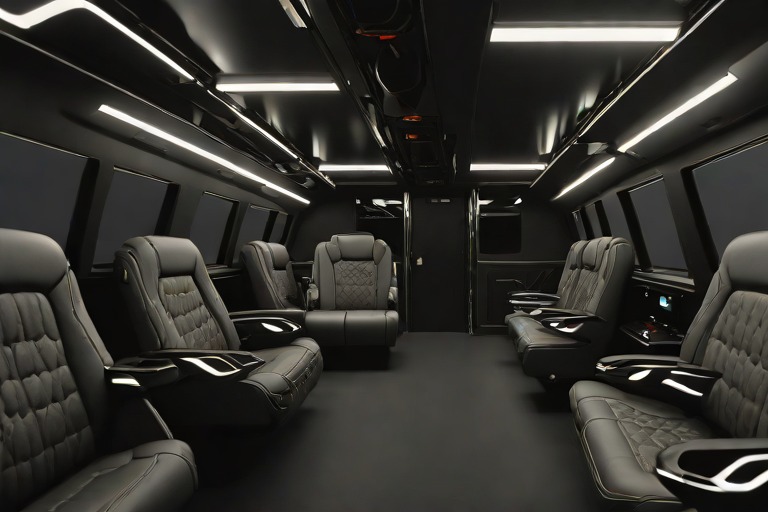
Technical Dossier #1024

Route Planning Fragility: Analyzing the Breakdown of Real-Time Contingency Logistics

Commercial Technical Dossier • Operational Analysis
Route Planning Fragility: Analyzing the Breakdown of Real-Time Contingency Logistics

The Architecture of Dynamic Route Optimization and Systemic Fragility

Modern executive ground transportation relies on a complex synthesis of Geographic Information Systems (GIS), real-time telemetry, and predictive traffic algorithms. The fragility of route planning emerges when there is a decoupling between the digital twin of the city—the data representation used by routing software—and the physical reality of the urban environment. In high-stakes luxury transport, a delay of ninety seconds can compromise a security detail's window of opportunity or a principal's schedule. The systemic breakdown typically occurs during "black swan" traffic events where API feeds from third-party providers experience latency or provide contradictory data, leading to "routing loops" where the system oscillates between two suboptimal paths.

The technical failure of real-time contingency logistics is often rooted in the over-reliance on a single data source. When a primary route is obstructed, the system must instantaneously calculate a secondary and tertiary alternative that maintains the same security posture and luxury standard. If the algorithm fails to account for the specific physical constraints of the vehicle—such as the increased turning radius of a long-wheelbase armored sedan—the resulting "optimized" route may lead the vehicle into a dead-end or a restricted-access zone, thereby increasing the vulnerability of the passenger.

  • Integration of multi-modal data streams including municipal traffic cameras, GPS probe data, and satellite imagery.
  • The implementation of "fail-safe" routing logic that prioritizes secure corridors over the shortest distance.
  • Latency analysis of real-time API calls to ensure that routing updates occur in sub-second intervals.
  • The utilization of geofencing to trigger automatic alerts when a vehicle deviates from a pre-approved security corridor.
  • Algorithmic weighting of road surface quality to prevent mechanical stress on high-performance luxury suspensions.

Armored Transport and Tactical Deviation Protocols

Armored passenger transport introduces a layer of physical complexity that standard luxury logistics do not face. The addition of ballistic steel, polycarbonate glass, and reinforced chassis components significantly alters the vehicle's center of gravity and braking distance. When a real-time contingency is triggered, the tactical deviation must be executed with a precise understanding of these mechanical limitations. A sudden detour into a narrow residential street, while digitally efficient, may be physically impossible for a Level B6 armored vehicle, leading to a complete breakdown of the logistics chain.

Tactical deviation protocols require the pre-identification of "safe havens" and "hardened exits" along every planned route. The fragility of the plan is exposed when the transition from a primary route to a secondary route does not account for the "bottleneck effect" of armored convoys. If the lead vehicle executes a turn that the follow-car cannot mirror due to road width or obstacle placement, the convoy is split, creating a critical security gap. This breakdown is not a failure of the driver, but a failure of the route planning software to incorporate the physical dimensions and weight of the armored fleet.

  • Calculation of increased braking distances necessitated by the added mass of ballistic armoring.
  • Mapping of road load-bearing capacities to ensure bridges and overpasses can support reinforced vehicles.
  • Establishment of "sterile" zones where the vehicle can safely stop to assess a threat without blocking traffic.
  • Coordination of synchronized turns to maintain the integrity of the vehicle formation during a reroute.
  • Analysis of urban "canyons" where GPS signal degradation can lead to inaccurate positioning during a tactical shift.

Chauffeur Discretion and Human-in-the-Loop Decisioning

The role of the professional chauffeur in executive logistics is to serve as the final filter for automated routing decisions. While AI can process millions of data points, it cannot perceive the subtle cues of a developing security threat or the psychological state of the principal. Chauffeur discretion standards dictate that the human operator must have the authority to override the digital route if the physical environment suggests a risk that the software cannot quantify. The breakdown of contingency logistics often occurs when the operator becomes overly dependent on the navigation system, ignoring visual evidence of route fragility.

Effective human-in-the-loop decisioning requires a deep understanding of the "last mile" logistics. The transition from a secure highway to a private residence or corporate hangar is the most volatile segment of the journey. Discretion involves managing the passenger's experience during a detour; the chauffeur must execute a contingency plan without causing alarm. This requires a seamless blend of technical driving skill and high-level communication. When a route fails, the chauffeur's ability to maintain a "calm cabin" environment while executing a high-stress tactical deviation is the ultimate measure of professional standard.

  • The application of "active scanning" techniques to identify anomalies in traffic patterns before the GPS detects them.
  • Adherence to strict non-disclosure and discretion protocols regarding the nature of the route change.
  • The use of standardized communication codes to signal a route change to the security detail without alerting the passenger.
  • Continuous training in evasive driving maneuvers that are compatible with the vehicle's armored specifications.
  • The ability to perform rapid mental mapping of alternative routes when digital systems are compromised.

Fleet Engineering and Mechanical Failure Contingencies

The reliability of route planning is fundamentally dependent on the mechanical integrity of the fleet. In the luxury and armored sector, fleet maintenance engineering is not merely about longevity but about the elimination of single points of failure. A breakdown of a vehicle during a high-priority transport is a catastrophic failure of logistics. The fragility of the route is magnified when a vehicle suffers a mechanical failure in a "choke point"—a location where there are no viable alternative exits. This necessitates a rigorous preventative maintenance schedule that exceeds standard manufacturer recommendations.

Engineering for contingency means designing the fleet for redundancy. This includes the use of heavy-duty cooling systems to prevent overheating during low-speed, high-stress idling in traffic, and reinforced braking systems to handle the kinetic energy of an armored vehicle during emergency stops. When a vehicle fails, the contingency logistics must include a "rapid replacement" protocol, where a secondary vehicle of equal specification is deployed to the exact coordinates of the failure. The efficiency of this recovery is measured by the "time-to-transfer," which must be minimized to maintain the security envelope of the principal.

  • Implementation of real-time engine telemetry to predict component failure before it occurs.
  • Rigorous testing of run-flat tire systems to ensure vehicle mobility following a pneumatic failure.
  • Scheduled stress-testing of hydraulic systems and suspension components under full armored load.
  • The maintenance of a "shadow fleet" of ready-to-deploy vehicles at strategic geographic intervals.
  • Detailed auditing of brake pad wear and rotor integrity to ensure consistent stopping power under all conditions.

Aquashield Roofing Corporation

4006 Morris Ct.
Chesapeake, VA 23323
Direct Line: 757-553-5191
GPS Coordinates: 36.755164, -76.353932

Virginia Beach Roofing Company - Roofing Service Virginia Beach VA, Roofing Contractor

585 S Birdneck Rd #106
Virginia Beach, VA 23451
Direct Line: +17576318100
Google Maps Plus Code: RXCX+V7 Virginia Beach, Virginia
GPS Coordinates: 36.822156, -76.001565

Technical Dossier #1025

Ballistic Glass Degradation Patterns in Aging Armored Passenger Cells

Commercial Technical Dossier • Operational Analysis
Ballistic Glass Degradation Patterns in Aging Armored Passenger Cells

Material Composition and Delamination Mechanics

Ballistic glass utilized in executive armored passenger cells is not a monolithic entity but a complex composite of laminated layers. These typically consist of multiple plies of toughened glass interleaved with polycarbonate or Polyvinyl Butyral (PVB) resins. The primary objective of this architecture is to manage the kinetic energy of a projectile by inducing a series of controlled fractures in the glass layers while the polymer layers maintain structural cohesion and absorb the remaining energy through plastic deformation. Over time, the chemical bonds between these disparate materials begin to fail, a process known as delamination. This failure typically initiates at the periphery of the window where the edge seal is most vulnerable to environmental ingress.

The degradation process is accelerated by thermal cycling, where the different coefficients of thermal expansion between the glass and the polymer cause repeated mechanical stress at the interfaces. As moisture penetrates the edge seals, it catalyzes the hydrolysis of the bonding agents, leading to the formation of microscopic voids. These voids eventually coalesce into visible bubbles or "clouding," which signifies a loss of molecular adhesion. In high-luxury fleets, this is often exacerbated by the use of high-output climate control systems that create extreme temperature gradients between the interior cabin and the exterior surface of the glass.

  • Hydrolysis of the interlayer bonding agents leading to chemical separation.
  • Thermal expansion mismatch between the borosilicate glass and the polycarbonate core.
  • Edge seal degradation resulting from exposure to road salts and atmospheric pollutants.
  • Mechanical stress induced by the vehicle's chassis flex during high-speed maneuvers.
  • Ultraviolet (UV) radiation breaking down the polymer chains in the outer protective coatings.

Optical Distortion and Visual Impairment Factors

The optical integrity of an armored cell is paramount for both the chauffeur's situational awareness and the passenger's psychological comfort. As ballistic glass ages, the onset of delamination and polymer degradation manifests as optical distortion. This is often characterized by "hazing" or a milky opacity that develops around the edges of the glass and gradually migrates toward the center. This phenomenon is caused by the scattering of light as it passes through the air-filled voids created by the separating layers. For a professional chauffeur, this reduction in clarity can significantly impair the ability to detect subtle threats or navigate complex urban environments under low-light conditions.

Furthermore, the degradation of the polycarbonate layer can lead to a phenomenon known as chromatic aberration. As the polymer chain length changes due to UV exposure and oxidation, the refractive index of the material shifts. This results in a slight distortion of colors and shapes, particularly when viewing objects at an oblique angle. In the context of executive protection, such distortions can lead to the misidentification of distant objects or the failure to recognize a trailing vehicle's intent. The loss of transparency is not merely an aesthetic concern but a critical failure in the vehicle's operational utility, as it compromises the "see-and-be-seen" requirement of secure transport.

  • Increased light scattering due to the formation of interstitial air pockets.
  • Development of "rainbowing" or Newton's rings caused by thin-film interference.
  • Reduction in the Contrast Sensitivity Function (CSF) for the driver's field of vision.
  • Surface pitting and micro-scratching that increase glare from oncoming headlights.
  • Loss of transparency in the A-pillar blind spots due to accelerated edge degradation.

Impact Resistance Decay and Ballistic Integrity

The ballistic efficacy of an armored window relies on the seamless transfer of energy from the point of impact across the entire surface area of the laminate. When delamination occurs, the glass is no longer a unified structural unit. The presence of voids and separated layers creates "stress concentrators," which are areas where the energy of a projectile is focused rather than dispersed. This fundamentally alters the failure mode of the glass from a ductile, energy-absorbing collapse to a more brittle fracture pattern. In an aging passenger cell, a projectile may cause the glass to shatter prematurely or allow for "spalling," where fragments of the inner glass layer are ejected into the cabin despite the projectile remaining outside.

Moreover, the polycarbonate layer, which is designed to catch the projectile and prevent penetration, loses its elasticity over time. The polymer undergoes a process of embrittlement, where the long-chain molecules break into shorter fragments. This reduces the material's ability to stretch and deform under high-velocity impact. Consequently, the "cone of fracture" created by a ballistic event becomes more localized and severe, increasing the probability of a complete breach. Technical analysis of aged cells often reveals that while the glass may still appear intact, its ability to withstand multiple hits in a concentrated area—a key requirement for BR6 or BR7 protection levels—is significantly diminished.

  • Formation of internal voids that act as initiation points for catastrophic cracking.
  • Loss of interlayer shear strength, reducing the overall energy absorption capacity.
  • Increased risk of backside spalling due to the loss of bond between the final glass ply and the polycarbonate.
  • Reduction in the material's ductility, leading to a higher probability of brittle failure.
  • Compromised structural rigidity, which can lead to the window popping out of the frame upon impact.

Maintenance Protocols and Lifecycle Management

To mitigate the risks associated with ballistic glass degradation, fleet managers must implement a rigorous, data-driven maintenance schedule. This transcends basic visual inspections and requires the use of non-destructive testing (NDT) methods. Polarized light stress analysis is particularly effective for identifying internal tension and early-stage delamination that is invisible to the naked eye. By passing polarized light through the glass, technicians can visualize the "stress fringes" that indicate where the bonding agents have failed. Such inspections should be conducted quarterly for vehicles in active high-threat service and bi-annually for those in standby luxury roles.

The lifecycle management of armored glass must be governed by a "Service Life Limit" (SLL) policy. Rather than replacing glass only upon visible failure, a proactive replacement cycle based on the age of the vehicle and the environmental conditions of its operation is mandatory. For instance, vehicles operating in tropical climates with high humidity and UV indices should have their ballistic glass replaced every five to seven years, regardless of apparent condition. This ensures that the vehicle always operates within the original ballistic specifications provided by the armoring firm. Documentation of every inspection, including high-resolution photographic evidence of the edge seals, is essential for maintaining the authoritative security posture of the executive transport operation.

  • Implementation of polarized light analysis to detect subsurface delamination.
  • Strict adherence to a five-to-seven year mandatory replacement cycle for all ballistic apertures.
  • Utilization of climate-controlled storage facilities to minimize thermal shock to the laminates.
  • Regular auditing of edge seal integrity using high-magnification borescopes.
  • Integration of glass health metrics into the overall vehicle fleet management software.

Aquashield Roofing Corporation

4006 Morris Ct.
Chesapeake, VA 23323
Direct Line: 757-553-5191
GPS Coordinates: 36.755164, -76.353932

Virginia Beach Roofing Company - Roofing Service Virginia Beach VA, Roofing Contractor

585 S Birdneck Rd #106
Virginia Beach, VA 23451
Direct Line: +17576318100
Google Maps Plus Code: RXCX+V7 Virginia Beach, Virginia
GPS Coordinates: 36.822156, -76.001565

Technical Dossier #1026

Behavioral Analysis of Driver Decision Fatigue During Long-Duration Protective Details

Commercial Technical Dossier • Operational Analysis
Behavioral Analysis of Driver Decision Fatigue During Long-Duration Protective Details

Cognitive Load and the Mechanics of Decision Fatigue in Protective Transit

Decision fatigue in the context of executive luxury ground transportation is not a result of simple exhaustion, but rather the cumulative degradation of the executive function due to a continuous stream of high-stakes micro-decisions. In protective details, the driver operates in a state of hyper-vigilance, where the OODA loop (Observe, Orient, Decide, Act) must be executed with millisecond precision. When a driver is tasked with long-duration details, the cognitive load increases as they must simultaneously manage passenger discretion, monitor potential threats, and navigate complex urban environments. This sustained mental effort depletes the prefrontal cortex's capacity to make optimal choices, leading to a phenomenon known as "decision avoidance" or "heuristic reliance," where the driver may subconsciously stop analyzing new data and instead rely on outdated patterns. The degradation of cognitive performance manifests in several critical areas of protective driving. As the detail progresses, the driver's ability to differentiate between benign environmental anomalies and genuine tactical threats diminishes. This cognitive narrowing can lead to an increase in reaction time or a failure to recognize a "trap" scenario during a route change. The psychological pressure of maintaining a "zero-fail" environment further accelerates the onset of fatigue, as the stress of potential failure creates a feedback loop of cortisol production that impairs short-term memory and spatial awareness. The specific cognitive triggers that accelerate decision fatigue during protective details include:
  • Dynamic route recalculation necessitated by real-time intelligence updates or sudden road closures.
  • The continuous monitoring of multiple mirrors and blind spots to detect surveillance or following vehicles.
  • The management of passenger emotional states and the maintenance of strict chauffeur discretion standards.
  • The constant synthesis of radio communications from the advance team while maintaining vehicle stability.
  • The mental mapping of "safe havens" and emergency egress points for every segment of the transit.

Physiological Impacts of Long-Duration Armored Transport Operations

The physical demands of operating armored passenger vehicles are significantly higher than those of standard luxury transport. Armored vehicles possess substantially higher curb weights due to ballistic steel and reinforced glass, which alters the vehicle's center of gravity and increases the physical effort required for rapid steering inputs and evasive maneuvers. This physical exertion, combined with the sedentary nature of long-duration driving, creates a "sedentary-stress paradox." The driver experiences high levels of systemic stress and muscle tension while remaining physically static, which restricts blood flow and accelerates the onset of physical fatigue. Furthermore, the ergonomic environment of a high-security cabin can contribute to sensory overload. The reduced visibility inherent in some armored glass specifications requires the driver to rely more heavily on electronic aids, which can lead to visual fatigue and "tunnel vision." The physiological strain is compounded by the necessity of wearing tactical gear or formal attire that may restrict movement or affect thermoregulation. Over time, this leads to a decline in saccadic eye movement—the rapid movement of the eyes between fixation points—which is essential for scanning a perimeter and detecting threats in a crowded urban environment. Physiological markers of driver fatigue in high-security contexts include:
  • Increased latency in pedal application and steering corrections during sudden obstacle avoidance.
  • Degradation of peripheral vision and a decrease in the frequency of mirror checks.
  • Elevated heart rate variability (HRV) indicating a state of chronic sympathetic nervous system activation.
  • Micro-sleep episodes, which are involuntary bursts of sleep lasting from a fraction of a second up to 30 seconds.
  • Muscle rigidity in the trapezius and lumbar regions, leading to decreased agility during emergency egress.

Technical Mitigation via Fleet Engineering and Telematics

To counteract the effects of decision fatigue, fleet maintenance engineering must focus on reducing the driver's cognitive burden through the integration of Advanced Driver Assistance Systems (ADAS) and ergonomic optimization. By automating low-level tactical decisions, the vehicle's engineering can preserve the driver's mental energy for high-level threat assessment. For example, the implementation of sophisticated lane-keep assist and adaptive cruise control—calibrated for the specific weight and braking distance of an armored chassis—reduces the constant muscular and mental effort required to maintain vehicle positioning. Moreover, the integration of real-time telematics and augmented reality (AR) heads-up displays (HUDs) allows critical information to be projected directly into the driver's line of sight. This eliminates the need for the driver to divert their gaze to a center console or tablet, thereby reducing the cognitive load associated with "task switching." Engineering focus is also placed on the cabin's environmental controls, such as active noise cancellation and vibration-damping seating, which minimize the sensory noise that contributes to mental exhaustion. When the vehicle handles the "noise" of the environment, the driver can maintain a higher state of alertness for a longer duration. Technical engineering features designed to mitigate driver fatigue include:
  • Night vision and thermal imaging systems that reduce the strain of low-light environment scanning.
  • Haptic feedback steering wheels that alert the driver to lane drift or proximity threats without requiring visual confirmation.
  • Custom-molded ergonomic seating with integrated lumbar support to prevent physical fatigue and maintain blood flow.
  • Advanced climate control systems that maintain an optimal temperature to prevent drowsiness and heat-induced lethargy.
  • Integrated fleet management software that provides pre-vetted, optimized routes to minimize mid-transit decision-making.

Protocol-Driven Intervention and Rotation Frameworks

The final layer of defense against decision fatigue is the implementation of rigorous operational protocols and driver rotation frameworks. Industry standards for high-threat protective details dictate that no single driver should remain at the wheel for a duration that exceeds their peak cognitive window. A "Two-Driver Rotation" system is the gold standard, where a primary driver and a relief driver alternate shifts. This ensures that the person operating the vehicle is always in a state of cognitive freshness, while the off-duty driver can engage in "active recovery," which involves hydration, stretching, and mental decompression. Beyond simple rotation, the role of the "Advance Agent" is critical in reducing the driver's decision fatigue. The Advance Agent performs the reconnaissance of the route, identifies potential choke points, and secures the arrival and departure zones. By providing the driver with a "sanitized" route and a comprehensive brief, the Advance Agent removes the majority of the micro-decisions the driver would otherwise have to make. This allows the driver to focus exclusively on the immediate tactical environment rather than the broader logistical puzzle. Operational protocols for managing driver fatigue include:
  • Mandatory "stand-down" periods of at least 8 hours between active protective details to allow for full cognitive recovery.
  • The use of a "co-pilot" or security detail member to handle all communications, leaving the driver focused solely on the road.
  • Strict adherence to a maximum four-hour continuous driving limit before a mandatory 15-minute cognitive break.
  • Post-detail debriefings to analyze decision-making patterns and identify early signs of fatigue-induced errors.
  • The implementation of a "no-fault" reporting system where drivers can request a relief driver if they feel their vigilance is slipping.

Aquashield Roofing Corporation

4006 Morris Ct.
Chesapeake, VA 23323
Direct Line: 757-553-5191
GPS Coordinates: 36.755164, -76.353932

Virginia Beach Roofing Company - Roofing Service Virginia Beach VA, Roofing Contractor

585 S Birdneck Rd #106
Virginia Beach, VA 23451
Direct Line: +17576318100
Google Maps Plus Code: RXCX+V7 Virginia Beach, Virginia
GPS Coordinates: 36.822156, -76.001565

Technical Dossier #1027

Failure Mode Effect Analysis for Heavy-Duty Luxury Fleet Hydraulic Systems

Commercial Technical Dossier • Operational Analysis
Failure Mode Effect Analysis for Heavy-Duty Luxury Fleet Hydraulic Systems

System Architecture and Critical Failure Modes

The hydraulic architecture within heavy-duty luxury fleets, particularly those modified for armored passenger transport, operates under extreme load conditions that deviate significantly from standard automotive specifications. These systems typically integrate active air-over-hydraulic suspension, heavy-duty braking actuators, and specialized hydraulic lifts for armored plating or secure entry/exit platforms. The primary objective of a Failure Mode and Effects Analysis (FMEA) in this context is to identify the specific points of vulnerability where a component failure could lead to a catastrophic loss of vehicle control or a compromise in passenger security. In armored vehicles, the added mass of ballistic steel and composite glass increases the static and dynamic loads on hydraulic cylinders, necessitating a higher operational pressure and more robust seal integrity to prevent leakage and pressure drops.

Failure modes in these systems are categorized by their origin, ranging from mechanical wear to chemical degradation of the hydraulic medium. In a high-security environment, a failure in the hydraulic leveling system does not merely result in a loss of ride quality; it can shift the vehicle's center of gravity, adversely affecting the handling characteristics during high-speed evasive maneuvers. The FMEA process assigns a Risk Priority Number (RPN) to each failure mode, calculated by multiplying the severity of the effect, the probability of occurrence, and the likelihood of detection before the failure occurs. For luxury fleets, the "Severity" rating is weighted heavily toward passenger safety and the maintenance of the armored envelope's integrity.

  • Pump Cavitation: Occurs when the hydraulic pump cannot draw sufficient fluid, leading to the formation of vapor bubbles that implode and erode internal metal surfaces.
  • Seal Extrusion: The failure of O-rings or gaskets under extreme pressure spikes, often caused by rapid load shifts during armored vehicle acceleration.
  • Valve Seizure: The mechanical locking of directional control valves, preventing the system from transitioning between different ride heights or stability modes.
  • Hose Fatigue: The degradation of reinforced hydraulic lines due to constant flexing and exposure to road salts or chemical contaminants.
  • Fluid Aeration: The introduction of air into the hydraulic circuit, which compresses and creates a "spongy" response in braking or suspension systems.

Analysis of High-Pressure Hydraulic Failure Vectors

The failure vectors of high-pressure hydraulic systems in luxury fleets are often linked to the chemical composition of the hydraulic fluid and the precision of the filtration systems. High-performance luxury vehicles utilize synthetic hydraulic fluids with a high viscosity index to ensure consistent flow across a wide range of operating temperatures. However, these fluids are susceptible to oxidative degradation and thermal breakdown if the cooling systems fail or if the vehicle is operated under extreme load for extended periods. When the fluid breaks down, it loses its lubricating properties, leading to increased friction within the pump and actuator assemblies, which subsequently accelerates the wear on precision-machined tolerances.

Contamination remains the most prevalent failure vector, as microscopic particulates can act as abrasives within the hydraulic circuit. In armored transport, the vibration levels are often higher due to the increased unsprung mass, which can dislodge internal metallic debris from wear surfaces. This debris, if not captured by high-efficiency filtration, can migrate to the valve manifolds, causing scoring of the spools and resulting in internal leakage. Internal leakage is particularly insidious because it does not present as a visible external drip but manifests as a gradual loss of system pressure and a decrease in the responsiveness of the hydraulic actuators, potentially delaying the deployment of critical security features.

  • Particulate Contamination: The entry of silica or metallic shards into the fluid, leading to accelerated wear of the cylinder walls and pump vanes.
  • Moisture Ingress: The absorption of water into the hydraulic oil, which lowers the boiling point and promotes internal corrosion of steel components.
  • Thermal Shock: Rapid temperature fluctuations that cause uneven expansion and contraction of hydraulic components, leading to micro-cracks in casting.
  • Pressure Spikes: Transient surges in pressure exceeding the system's rated capacity, often triggered by sudden impact or abrupt valve closure.
  • Chemical Incompatibility: The use of non-approved seal materials that react negatively with the synthetic additives in the hydraulic fluid.

Impact Assessment on Passenger Safety and Vehicle Integrity

The "Effect" component of the FMEA focuses on the downstream consequences of the identified failure modes. In the realm of executive luxury transport, the primary concern is the maintenance of a "secure bubble" for the passenger. A failure in the hydraulic suspension system can lead to an uneven chassis tilt, which may interfere with the alignment of armored panels or the operation of ballistic-resistant doors. If the hydraulic system governing the vehicle's ride height fails in a lowered position, the vehicle's ground clearance is reduced, significantly increasing the risk of underbody damage or high-centering during emergency egress maneuvers in non-standard terrain.

Furthermore, the integration of hydraulic systems with electronic control units (ECUs) introduces the risk of "cascading failures." For instance, a hydraulic leak that causes a sensor to report an incorrect pressure reading may trigger a software-driven safety mode that limits engine power or locks the suspension in a rigid state. While these fail-safes are designed to protect the vehicle, they can inadvertently hinder a chauffeur's ability to perform rapid evasive actions. The objective analysis of these effects requires a deep understanding of the interplay between mechanical hydraulics and the digital overlays that manage luxury fleet dynamics, ensuring that no single point of failure can compromise the overall security protocol.

  • Loss of Ride Stability: Increased passenger disorientation and physical stress during transit, which can be critical for high-profile individuals with medical requirements.
  • Compromised Armored Alignment: Misalignment of ballistic plates due to suspension collapse, creating "ballistic gaps" that compromise the vehicle's protection level.
  • Braking Inefficiency: Reduced clamping force in hydraulic-assist braking systems, leading to increased stopping distances and higher accident probability.
  • Egress Failure: The inability to operate hydraulic-assist secure doors or platforms, trapping passengers inside the vehicle during a security breach.
  • Chassis Stress: Increased structural fatigue on the vehicle frame due to the loss of hydraulic damping, leading to premature cracking of welds.

Mitigation Strategies and Predictive Maintenance Protocols

To mitigate the risks identified in the FMEA, luxury fleet operators must transition from scheduled maintenance to predictive maintenance (PdM) protocols. This involves the deployment of real-time telemetry and IoT sensors that monitor hydraulic pressure, fluid temperature, and vibration frequencies. By utilizing edge computing, the vehicle can detect the early onset of pump cavitation or seal degradation before a total failure occurs. For example, a slight increase in the time required to reach a specific ride height can be flagged as a symptom of internal leakage, triggering an automatic maintenance alert to the fleet engineering team.

Additionally, the implementation of a rigorous fluid analysis program is essential. Spectrometric oil analysis (SOA) allows technicians to identify the specific metals present in the hydraulic fluid, providing a "fingerprint" of the wear occurring within the system. The presence of chromium or iron, for instance, indicates wear in the cylinder bores or pump gears, respectively. By combining this chemical analysis with high-frequency pressure transducer data, fleet managers can optimize the replacement intervals for hoses and seals, ensuring that components are replaced based on actual condition rather than arbitrary mileage markers, thereby maximizing vehicle uptime and passenger safety.

  • Real-time Pressure Monitoring: Installation of high-precision transducers to detect transient pressure drops and anomalies in the hydraulic circuit.
  • Spectrometric Oil Analysis: Monthly sampling of hydraulic fluids to monitor for wear metals and chemical degradation.
  • Redundant Hydraulic Circuits: The engineering of dual-circuit systems to ensure that a single hose failure does not result in a total loss of system functionality.
  • Advanced Filtration Systems: Integration of multi-stage, micron-rated filters with differential pressure indicators to signal the need for replacement.
  • Automated Leak Detection: Use of ultrasonic sensors to detect the high-frequency sound of internal leaks before they become external failures.

Aquashield Roofing Corporation

4006 Morris Ct.
Chesapeake, VA 23323
Direct Line: 757-553-5191
GPS Coordinates: 36.755164, -76.353932

Virginia Beach Roofing Company - Roofing Service Virginia Beach VA, Roofing Contractor

585 S Birdneck Rd #106
Virginia Beach, VA 23451
Direct Line: +17576318100
Google Maps Plus Code: RXCX+V7 Virginia Beach, Virginia
GPS Coordinates: 36.822156, -76.001565

Technical Dossier #1028

The Synchronization Gap: Operational Lapses in Multi-Vehicle Convoy Coordination

Commercial Technical Dossier • Operational Analysis
The Synchronization Gap: Operational Lapses in Multi-Vehicle Convoy Coordination

Kinetic Coordination and the Propagation of Shockwaves

The primary technical failure in multi-vehicle convoy coordination is the manifestation of the "accordion effect," or shockwave propagation, which occurs when a lead vehicle alters its velocity without a perfectly synchronized response from the trailing assets. In executive armored transport, this is exacerbated by the significantly increased curb weight of B6 and B7 rated vehicles, which fundamentally alter the braking distance and inertia profiles compared to standard luxury sedans. When the lead vehicle decelerates, the subsequent vehicles must apply greater braking force to maintain the established safety interval, often leading to a compounding delay that creates a "synchronization gap." This gap represents a critical vulnerability, as it separates the principal's vehicle from its protective detail, effectively isolating the high-value target from its kinetic support.

Furthermore, the physics of armored movement requires a precise calibration of following distances to account for the reduced agility of reinforced chassis. The synchronization gap is not merely a distance measurement but a temporal failure in the perception-reaction cycle of the chauffeur team. If the trailing drivers rely solely on visual cues rather than integrated telemetry, the latency in reaction time increases the probability of a collision or a breach in the convoy's perimeter. Effective coordination requires a rigid adherence to "elastic spacing," where the distance between vehicles expands and contracts in a controlled manner based on the ambient speed and the threat level of the environment.

  • Calculation of braking distances must account for the added mass of ballistic steel and composite armor, which can increase stopping distances by 15% to 25% over stock specifications.
  • Implementation of a "buffer zone" protocol where the second vehicle maintains a variable distance to absorb sudden decelerations of the lead vehicle.
  • Utilization of predictive braking systems and adaptive cruise control calibrated specifically for armored weight distributions to minimize human reaction latency.
  • Strict enforcement of the three-second rule, adjusted for the specific load-bearing capacity and tire friction coefficients of the fleet.
  • Coordination of acceleration curves to ensure that the tail vehicle does not outpace the lead vehicle, which would collapse the protective envelope.

Communication Latency and Signal Integrity in Urban Canyons

The synchronization gap is frequently a byproduct of communication latency, where the time elapsed between a command issued by the lead vehicle and its execution by the rear guard exceeds the operational window. In high-threat environments, the reliance on encrypted VHF/UHF radio systems can be compromised by "urban canyons"—dense architectural environments that cause signal reflection, multipath interference, and dead zones. When a lead chauffeur initiates a tactical maneuver, such as a rapid lane change or an emergency egress, any delay in the transmission of this intent creates a momentary misalignment in the convoy's geometry. This misalignment is often where operational lapses occur, as trailing drivers may misinterpret a sudden movement as an emergency rather than a planned maneuver.

To mitigate these lapses, industry specialists employ a layered communication architecture that combines voice commands with non-verbal, synchronized signals. However, the technical failure often lies in the "signal-to-noise ratio" of the instructions. Over-communication during high-stress events can lead to cognitive overload for the chauffeur, resulting in a delayed response. The objective is to move toward a "silent running" protocol, where maneuvers are pre-programmed and triggered by specific markers, reducing the need for real-time verbal confirmation and thereby closing the synchronization gap through predictive coordination.

  • Deployment of Mesh Networking technology to ensure a self-healing communication web that maintains connectivity even if one vehicle loses signal.
  • Standardization of "brevity codes" to minimize the airtime required for critical maneuvers, reducing the window for potential latency.
  • Integration of Heads-Up Displays (HUD) that provide real-time telemetry on the position and velocity of all convoy members.
  • Use of encrypted digital data links to transmit GPS coordinates and heading changes instantaneously across the fleet.
  • Regular auditing of signal strength across known routes to identify "black spots" where manual hand-signal protocols must take precedence.

Armored Fleet Engineering and Performance Parity

A critical yet overlooked contributor to the synchronization gap is the lack of performance parity across the fleet. In many executive transport operations, the convoy consists of vehicles with varying levels of armor and engine modifications. For example, a lead vehicle with a B6 rating may have a different power-to-weight ratio than a trailing vehicle with a B7 rating and heavier ballistic glass. This disparity creates an inherent engineering gap; the vehicles do not accelerate or decelerate at the same rate, even when the drivers apply identical inputs. This lack of parity forces the trailing drivers to constantly compensate, leading to erratic spacing and increased mental fatigue.

Moreover, the center of gravity in armored vehicles is shifted due to the addition of heavy floor plating and reinforced pillars. This affects the lateral stability of the vehicle during high-speed cornering. If the fleet is not engineered to a uniform performance standard, the convoy will "string out" during turns, as vehicles with higher rollover risks must take a wider or slower arc. This operational lapse exposes the flanks of the convoy and disrupts the synchronization of the protective detail, as the vehicles are no longer moving as a single, cohesive unit but as a series of disconnected assets.

  • Matching engine torque specifications across the fleet to ensure uniform acceleration curves during emergency departures.
  • Standardization of brake pad compounds and rotor sizes to ensure consistent stopping power across different armor levels.
  • Calibration of suspension systems to handle the specific weight distribution of armored shells, preventing excessive body roll during synchronized turns.
  • Implementation of uniform tire load indices and pressure settings to maintain consistent traction and handling characteristics.
  • Regular fleet engineering audits to ensure that aging vehicles have not suffered performance degradation that would create a gap in the convoy.

Human Factors and Discretionary Protocol Standards

The synchronization gap is ultimately managed by the human element, where the chauffeur's ability to maintain "situational awareness" determines the success of the operation. A common operational lapse is the "follow-the-leader" fallacy, where trailing drivers become overly dependent on the lead vehicle's movements, neglecting their own scanning sectors. This leads to a degradation of the protective envelope, as the trailing drivers stop anticipating threats and start merely reacting to the lead car. The technical standard for chauffeur discretion requires a balance between tight coordination and independent vigilance, ensuring that each driver is operating on a shared mental model of the mission.

Furthermore, the synchronization of egress and ingress—the moments when the principal enters or leaves the vehicle—represents the highest point of vulnerability. Lapses occur when the timing of the "door-to-door" transition is not perfectly aligned across the fleet. If the lead vehicle stops but the trailing vehicles have not yet secured the perimeter or blocked the access points, a gap is created that can be exploited. Professional standards dictate a "synchronized arrival" where vehicles occupy specific spatial coordinates simultaneously, eliminating any window of opportunity for an adversary to intervene.

  • Training in "predictive driving" to allow chauffeurs to anticipate the lead vehicle's needs based on road geometry and traffic patterns.
  • Establishment of rigid hand-signal protocols that are independent of radio communication to ensure continuity of command.
  • Implementation of "cross-scanning" sectors where each driver is responsible for a specific field of view to maintain a 360-degree protective bubble.
  • Conducting "stress-test" simulations to identify the exact point at which a chauffeur's cognitive load leads to a breakdown in synchronization.
  • Standardization of the "break contact" maneuver, ensuring all vehicles exit the kill zone in a coordinated sequence without leaving any asset behind.

Aquashield Roofing Corporation

4006 Morris Ct.
Chesapeake, VA 23323
Direct Line: 757-553-5191
GPS Coordinates: 36.755164, -76.353932

Virginia Beach Roofing Company - Roofing Service Virginia Beach VA, Roofing Contractor

585 S Birdneck Rd #106
Virginia Beach, VA 23451
Direct Line: +17576318100
Google Maps Plus Code: RXCX+V7 Virginia Beach, Virginia
GPS Coordinates: 36.822156, -76.001565

Technical Dossier #1029

Evaluating the Latency Between Mechanical Wear and Catastrophic Component Failure in Armored Fleets

Commercial Technical Dossier • Operational Analysis
Evaluating the Latency Between Mechanical Wear and Catastrophic Component Failure in Armored Fleets

Structural Load Redistribution and Chassis Fatigue Dynamics

The integration of ballistic armor—comprising reinforced steel plating, composite ceramics, and multi-layered polycarbonate glass—fundamentally alters the center of gravity and the Gross Vehicle Weight (GVW) of luxury sedans and SUVs. This substantial increase in curb weight induces a state of chronic stress on the chassis, shifting the mechanical load from the original engineering specifications to a state of constant over-extension. The latency between the onset of microscopic material fatigue and a catastrophic structural failure is often obscured by the vehicle's luxury ride quality, which can mask the degradation of suspension bushings and chassis rigidity. As the vehicle undergoes repeated cycles of compression and rebound, the metal fatigue accumulates in the frame rails and mounting points, leading to a non-linear acceleration of wear that defies standard manufacturer maintenance schedules.

When analyzing the latency period, technical analysts must focus on the "creep" phenomenon, where the metal permanently deforms under the sustained load of the armor. This deformation alters the alignment geometry, placing uneven pressure on the wheel bearings and steering linkages. If left undetected, this systemic stress leads to a sudden, catastrophic failure of a critical load-bearing component, often during high-G maneuvers or emergency evasive driving. The risk is compounded by the fact that armored vehicles are often operated in urban environments with frequent stop-and-go cycles, which exacerbate the cyclic loading on the chassis.

  • Accelerated degradation of polyurethane and rubber bushings due to increased compression ratios.
  • Non-linear wear patterns in the MacPherson struts and multi-link suspension systems caused by shifted weight distribution.
  • Increased risk of frame rail hairline fractures resulting from the rigid nature of ballistic steel inserts.
  • Degradation of steering rack seals due to the increased resistance encountered during low-speed, high-load maneuvering.
  • Compromised integrity of wheel hubs and bearings caused by the sustained increase in unsprung mass.

Thermal Kinetics and Braking System Latency

The physics of braking in armored fleets is governed by the necessity to dissipate significantly higher levels of kinetic energy. Because the stopping distance is naturally extended by the increased mass, the braking system operates at higher temperatures for longer durations. This thermal load leads to a phenomenon known as brake fade, where the friction coefficient between the pad and the rotor diminishes. The latency between the initial glazing of the brake pads and the total failure of the braking system is often narrow. High-performance ceramic brakes are frequently installed to mitigate this, yet they introduce their own failure modes, such as extreme sensitivity to thermal shock and rapid wear if the vehicle is not operated within specific temperature windows.

Furthermore, the hydraulic system is subjected to extreme pressures during emergency stops. The latency in failure often manifests as a slow leak in the brake lines or a gradual degradation of the brake fluid's boiling point due to repeated overheating. When the fluid reaches its critical temperature, vapor lock occurs, resulting in a complete loss of pedal pressure. This catastrophic failure is rarely preceded by a visible warning, making the monitoring of fluid chemistry and rotor thickness paramount. The interaction between the heavy-duty calipers and the warped rotors creates a feedback loop of vibration that can eventually lead to the failure of the caliper mounting bolts.

  • Thermal glazing of friction materials leading to a significant reduction in the coefficient of friction.
  • Accelerated oxidation and warping of brake rotors due to extreme thermal cycling.
  • Degradation of hydraulic fluid viscosity and the introduction of air bubbles through boiling.
  • Increased stress on the ABS (Anti-lock Braking System) actuators due to the higher force required to modulate braking.
  • Potential for catastrophic caliper seizure resulting from the accumulation of heat-induced debris.

Drivetrain Stress and Transmission Thermal Management

The powertrain of an armored vehicle must overcome significantly higher inertia to initiate movement and maintain cruising speeds. This places an immense load on the torque converter and the planetary gear sets within the automatic transmission. The latency between the first sign of transmission slip and a total mechanical seizure is typically characterized by a gradual increase in transmission fluid temperature. As the fluid degrades, its lubricating properties diminish, leading to increased friction between the clutch packs. This process is often invisible to the chauffeur until the transmission enters a "limp mode" or suffers a complete failure of the internal gear teeth.

Moreover, the universal joints and CV (constant velocity) joints are subjected to higher torque loads, which accelerate the wear of the internal bearings. The latency period here is marked by the gradual development of micro-vibrations, which are often dismissed as road noise. However, these vibrations indicate the onset of spalling within the bearing races. Once a critical mass of material is lost from the bearing surface, the component fails instantaneously, often resulting in the vehicle losing all propulsion. This failure is particularly dangerous in armored transport, where the ability to accelerate rapidly is a primary security requirement.

  • Increased shear stress on transmission fluid, leading to a breakdown of additives and lubrication failure.
  • Accelerated wear of the clutch pack friction plates due to the higher torque required for acceleration.
  • Fatigue of the drive shaft and U-joints resulting from the increased rotational inertia of the armored vehicle.
  • Overheating of the differential gears caused by the sustained load of the armored chassis.
  • Potential for catastrophic failure of the torque converter due to excessive heat and fluid cavitation.

Predictive Maintenance Protocols and Zero-Failure Engineering

To eliminate the latency between wear and failure, armored fleets must transition from a scheduled maintenance model to a predictive, data-driven protocol. This involves the integration of real-time telemetry and non-destructive testing (NDT) to identify material fatigue before it becomes critical. By utilizing vibration analysis and thermography, technicians can detect the early signs of bearing failure or brake overheating that are imperceptible to the human operator. The goal is to establish a "zero-failure" environment where components are replaced based on their actual condition and stress history rather than arbitrary mileage intervals.

A comprehensive protocol must also include regular oil spectrometry analysis to detect microscopic metal shavings in the engine and transmission oils. The presence of specific metals, such as chromium or iron, provides a chemical signature of which internal component is wearing down. This allows for the surgical replacement of parts during planned downtime, ensuring that the vehicle is never compromised during a high-threat mission. By combining chemical analysis with structural inspections, fleet managers can effectively map the latency period of every critical component, transforming the maintenance cycle into a strategic asset for passenger safety.

  • Implementation of ultrasonic testing to detect hairline fractures in the chassis and suspension mounts.
  • Utilization of infrared thermography to monitor heat signatures in the braking and drivetrain systems.
  • Application of oil spectrometry to monitor the wear of internal engine and transmission components.
  • Integration of real-time telemetry to track G-forces and braking intensity for each individual vehicle.
  • Establishment of a rigorous "critical component" registry to track the lifecycle of every high-stress part.

Aquashield Roofing Corporation

4006 Morris Ct.
Chesapeake, VA 23323
Direct Line: 757-553-5191
GPS Coordinates: 36.755164, -76.353932

Virginia Beach Roofing Company - Roofing Service Virginia Beach VA, Roofing Contractor

585 S Birdneck Rd #106
Virginia Beach, VA 23451
Direct Line: +17576318100
Google Maps Plus Code: RXCX+V7 Virginia Beach, Virginia
GPS Coordinates: 36.822156, -76.001565

Technical Dossier #1030

Analysis of Polycarbonate Delamination Rates in Level VR7 Armored Glazing

Commercial Technical Dossier • Operational Analysis
Analysis of Polycarbonate Delamination Rates in Level VR7 Armored Glazing

Material Composition and Bonding Mechanics of VR7 Glazing

Level VR7 armored glazing is a complex multi-layered composite engineered to defeat high-velocity rifle rounds, specifically 7.62x51mm NATO projectiles. The architecture typically consists of a primary stack of tempered or heat-strengthened glass interleaved with Polyvinyl Butyral (PVB) or Polyurethane (PU) resins, capped with an interior cladding of high-impact polycarbonate. This polycarbonate layer serves a dual purpose: it provides the final energy absorption phase of a ballistic event and acts as a critical spall shield, preventing glass fragments from entering the passenger cabin upon impact. The structural integrity of the glazing depends entirely on the interfacial bond between the rigid glass layers and the flexible polymer layers.

The bonding process utilizes optical-grade adhesives that must maintain a refractive index nearly identical to the glass to ensure visual clarity for the chauffeur and passengers. Delamination occurs when the chemical or mechanical bond between these layers fails, leading to the separation of the polycarbonate from the glass substrate. This failure is often initiated at the periphery of the window, where the edge seal is compromised, allowing atmospheric contaminants to penetrate the bonding interface. The resulting void creates a site for moisture accumulation and oxidative stress, which accelerates the degradation of the polymer chains.

  • Polycarbonate cladding thickness typically ranges from 6mm to 12mm depending on the specific VR7 certification requirements.
  • PVB interlayers provide the necessary elasticity to distribute the kinetic energy of a projectile across a wider surface area.
  • Optical adhesives are selected based on their ability to resist yellowing and maintain transparency under extreme thermal loads.
  • The coefficient of thermal expansion (CTE) differs significantly between glass and polycarbonate, creating inherent shear stress at the bond line.
  • Surface preparation, including plasma treatment or chemical etching, is required to maximize the surface energy of the polycarbonate for optimal adhesion.

Environmental and Thermal Stress Factors Influencing Delamination

The primary catalyst for delamination in executive luxury fleets is the extreme thermal cycling encountered during global operations. Vehicles frequently transition from climate-controlled garages to high-ambient temperature environments, causing the polycarbonate and glass layers to expand and contract at different rates. Because polycarbonate has a significantly higher CTE than glass, the bond line is subjected to constant cyclic shear. Over time, this mechanical fatigue weakens the adhesive matrix, leading to micro-fractures that eventually coalesce into visible delamination zones.

Furthermore, ultraviolet (UV) radiation plays a destructive role in the degradation of the bonding agents. While the exterior glass layers provide some UV filtration, the edges of the glazing are often exposed to direct sunlight. UV-induced photo-oxidation breaks the polymer bonds in the adhesive, leading to a loss of elasticity and a subsequent decrease in peel strength. When combined with moisture ingress—often caused by high-pressure vehicle washes or humidity—the result is a hydrolytic attack on the interface. This process manifests as "clouding" or "milky" streaks, which are indicative of moisture-filled voids between the polycarbonate and the glass.

  • Thermal shock occurs when rapid temperature changes induce differential expansion, stressing the perimeter seals.
  • UV radiation triggers the cleavage of polymer chains, resulting in the embrittlement of the adhesive layer.
  • Capillary action draws moisture into the interface through microscopic gaps in the edge sealant.
  • Hydrolytic degradation occurs when water molecules chemically react with the bonding agent, reducing its cohesive strength.
  • Atmospheric pollutants, such as road salts and industrial chemicals, can penetrate the seals and catalyze the oxidation of the polycarbonate interface.

Quantifying Delamination Rates and Failure Modes

In a technical analysis of VR7 glazing, delamination rates are quantified by the percentage of the total surface area affected by interfacial separation. Failure is typically categorized into two modes: adhesive failure and cohesive failure. Adhesive failure occurs when the bond between the polycarbonate and the adhesive fails completely, leaving a clean separation. Cohesive failure occurs when the adhesive itself splits, leaving residue on both the glass and the polycarbonate surfaces. In high-performance armored fleets, adhesive failure is more common and is generally viewed as a more severe systemic failure of the material processing.

The progression of delamination follows a predictable trajectory, beginning as small "bubbles" or "stars" at the edges of the glazing and migrating toward the center of the field of vision. While initial delamination may appear to be a purely aesthetic issue, it represents a compromise in the structural homogeneity of the glazing. Large-scale delamination can create air pockets that may alter the way kinetic energy is transferred during a ballistic impact. Although the glass layers provide the primary stopping power, the loss of a secure bond to the polycarbonate spall shield increases the risk of internal fragmentation, potentially compromising the safety of the occupants.

  • Visual inspection using polarized light can reveal internal stress concentrations before delamination becomes visible to the naked eye.
  • The "clouding" effect is measured by the loss of light transmission percentages across the affected area.
  • Interfacial void volume is calculated to determine the rate of moisture ingress and the speed of failure propagation.
  • Failure rates are often mapped against the age of the vehicle and the average daily UV exposure hours.
  • Ballistic integrity tests on delaminated samples often show a slight increase in back-face signature (BFS) due to uneven energy distribution.

Mitigation Strategies and Maintenance Engineering

To minimize delamination rates, fleet maintenance engineering must focus on the precision of the edge sealing process and the implementation of rigorous inspection protocols. The use of high-grade polyurethane or epoxy edge sealants is mandatory to prevent the ingress of moisture and pollutants. These sealants must be applied in a controlled environment to ensure a vacuum-tight seal. Additionally, the use of autoclave curing during the manufacturing process can significantly reduce the presence of micro-bubbles in the adhesive layer, thereby increasing the overall longevity of the bond.

For executive luxury ground transportation providers, a proactive maintenance schedule is essential. This includes the use of specialized cleaning agents that do not degrade the edge seals and the avoidance of high-pressure water jets directed at the window perimeters. When delamination is detected, the only permanent solution is the full replacement of the glazing unit, as the chemical bond cannot be restored once the polymer has degraded. However, the transition to advanced hybrid adhesives, which combine the strength of epoxies with the flexibility of silicones, is showing promise in reducing the incidence of CTE-related failures.

  • Implementation of vacuum-bagging during the lamination process ensures maximum pressure and minimizes air entrapment.
  • Edge sealing with automotive-grade black sealant provides both a visual finish and a chemical barrier against UV and moisture.
  • Quarterly inspections using high-intensity LED lighting are required to detect early-stage "milking" of the polycarbonate.
  • Climate-controlled storage for armored vehicles reduces the frequency of extreme thermal cycling.
  • Specifying UV-stabilized polycarbonate resins during the procurement phase increases the resistance to photo-oxidation.

Aquashield Roofing Corporation

4006 Morris Ct.
Chesapeake, VA 23323
Direct Line: 757-553-5191
GPS Coordinates: 36.755164, -76.353932

Virginia Beach Roofing Company - Roofing Service Virginia Beach VA, Roofing Contractor

585 S Birdneck Rd #106
Virginia Beach, VA 23451
Direct Line: +17576318100
Google Maps Plus Code: RXCX+V7 Virginia Beach, Virginia
GPS Coordinates: 36.822156, -76.001565

Technical Dossier #1031

Thermal Fatigue and Braking System Failure Patterns for B6-Rated Passenger Vehicles

Commercial Technical Dossier • Operational Analysis
Thermal Fatigue and Braking System Failure Patterns for B6-Rated Passenger Vehicles

Kinetic Energy and Thermal Load Dynamics in B6-Armored Platforms

The integration of B6-rated ballistic protection fundamentally alters the vehicle's mass profile, typically increasing the curb weight by 1,500 to 2,500 kilograms depending on the chassis. This substantial increase in Gross Vehicle Weight (GVW) exponentially elevates the kinetic energy that the braking system must dissipate during deceleration events. According to the formula $KE = 1/2 mv^2$, the energy load on the braking hardware is not merely additive but multiplicative. In executive transport scenarios, where rapid deceleration is often required for evasive maneuvers, the brake rotors are subjected to extreme thermal spikes that exceed the original equipment manufacturer (OEM) design specifications. This creates a condition of chronic thermal overloading, where the heat cannot be dissipated as quickly as it is generated, leading to a phenomenon known as heat soak.

Thermal load dynamics are further complicated by the reduced airflow often caused by modified front-end aerodynamics or the addition of heavy-duty ballistic grilles. When the brake discs reach critical temperatures, the friction coefficient between the pad and the rotor begins to drop, resulting in brake fade. This loss of stopping power is particularly dangerous in B6 vehicles, as the increased momentum requires a longer stopping distance even under optimal conditions. The thermal gradient across the rotor—where the surface is significantly hotter than the core—induces internal stresses that can lead to permanent structural deformation of the casting.

  • Increased rotational inertia of armored wheels and reinforced hubs, which adds additional stress to the caliper mounting brackets.
  • Elevated thermal saturation points where the brake pads undergo chemical decomposition, releasing volatile gases that create a lubricant layer between the pad and disc.
  • The impact of payload variance, where the addition of passengers and security detail further increases the thermal energy required for a full stop.
  • The role of ambient temperature in limiting the cooling capacity of the braking system during high-frequency stop-and-go urban transit.

Material Degradation and Friction Surface Analysis

Thermal fatigue in B6-rated vehicles manifests as a series of microscopic stress fractures within the rotor's crystalline structure. As the rotors undergo repeated heating and cooling cycles, the material expands and contracts, leading to work-hardening and eventual embrittlement. In high-performance luxury fleets, the use of standard cast-iron rotors often results in "judder," a high-frequency vibration caused by uneven thickness variations across the disc surface. This unevenness is a direct result of localized hotspots, where the temperature exceeds the material's threshold for stability, causing the iron to warp or "dish."

Furthermore, the friction materials used in brake pads are subjected to extreme shear forces. Under the weight of a B6-armored vehicle, the pads are pressed against the rotor with significantly higher force than in a standard vehicle. This leads to accelerated abrasive wear and the formation of a "glaze" on the pad surface. Glazing occurs when the resins in the brake pad melt and then solidify into a smooth, hard layer that drastically reduces the coefficient of friction. Once a pad is glazed, the braking system requires significantly more pedal pressure to achieve the same deceleration, increasing the physical strain on the driver and the hydraulic system.

  • Development of circumferential heat cracks, which act as stress concentrators and can lead to catastrophic rotor failure under emergency braking.
  • The transition from adhesive friction to sliding friction as the pad material degrades, resulting in a loss of "bite" during initial engagement.
  • Oxidation and corrosion acceleration due to the thermal cycling of the metal, which can lead to surface pitting and uneven pad wear.
  • The phenomenon of "pad transfer," where friction material is unevenly deposited onto the rotor, creating high and low spots that amplify vibration.

Hydraulic System Integrity and Fluid Volatility

The hydraulic subsystem of a B6-rated vehicle operates under significantly higher pressures than a standard passenger car. The force required to clamp the pads against the rotors to stop a 4,000kg+ vehicle puts immense strain on the brake lines, calipers, and the master cylinder. Thermal fatigue does not only affect the rotors; it extends to the brake fluid. As the calipers soak up heat from the rotors, this thermal energy is transferred directly into the hydraulic fluid. If the fluid temperature exceeds its boiling point, vapor bubbles form within the lines. Because gas is compressible and liquid is not, this results in a "spongy" pedal feel and a dangerous increase in the distance required to bring the vehicle to a halt.

The risk of vapor lock is exacerbated in armored vehicles because the increased weight requires longer periods of sustained braking, keeping the fluid at peak temperature for longer durations. Furthermore, the reinforced chassis of a B6 vehicle can sometimes restrict the natural routing of brake lines, potentially creating "pinch points" that are more susceptible to fatigue-induced cracking under high-pressure cycles. The degradation of rubber hoses is also accelerated by the constant exposure to extreme heat, leading to a loss of elasticity and eventual rupture, which would result in a total loss of hydraulic pressure in one or more circuits.

  • The critical difference between DOT 4 and DOT 5.1 fluids regarding wet and dry boiling points in high-mass transport.
  • The risk of seal failure within the calipers due to thermal expansion and contraction of the piston bores.
  • The impact of ABS (Anti-lock Braking System) cycling frequency, which increases hydraulic pressure pulses and accelerates fatigue in the brake lines.
  • The potential for master cylinder seal degradation when forced to operate at the upper limit of its pressure capacity consistently.

Predictive Maintenance and Engineering Mitigation Strategies

To mitigate the risks associated with thermal fatigue in B6-rated vehicles, fleet engineers must move beyond standard OEM maintenance schedules. The implementation of a predictive maintenance framework involves the use of thermal imaging to identify hotspots on rotors after high-stress runs and the precise measurement of rotor thickness using micrometers to ensure they remain within safe tolerances. Upgrading to carbon-ceramic composite rotors is the primary engineering solution, as these materials offer significantly higher thermal stability and a much higher resistance to fade compared to traditional grey iron. Carbon-ceramics maintain their structural integrity at temperatures that would cause standard rotors to warp or shatter.

Additionally, the installation of oversized, multi-piston calipers and reinforced stainless steel braided brake lines is essential. These upgrades reduce the expansion of the hose under pressure and ensure a more consistent pedal feel. Fleet operators should also implement a mandatory fluid flush every 6 to 12 months, regardless of mileage, to remove moisture and combustion byproducts that lower the boiling point of the hydraulic fluid. By treating the braking system as a high-performance industrial component rather than a standard automotive part, operators can ensure the safety and reliability of armored passenger transport.

  • Installation of dedicated cooling ducts to force ambient air directly onto the rotor centers, reducing the overall heat soak.
  • The use of high-mu, sintered brake pads that are specifically engineered for high-load, high-temperature environments.
  • Implementation of a strict "cool-down" protocol after high-speed transit to prevent the rapid contraction of rotors, which causes cracking.
  • Regular auditing of the brake system's performance using onboard telemetry to track deceleration rates and identify early signs of fade.

Aquashield Roofing Corporation

4006 Morris Ct.
Chesapeake, VA 23323
Direct Line: 757-553-5191
GPS Coordinates: 36.755164, -76.353932

Virginia Beach Roofing Company - Roofing Service Virginia Beach VA, Roofing Contractor

585 S Birdneck Rd #106
Virginia Beach, VA 23451
Direct Line: +17576318100
Google Maps Plus Code: RXCX+V7 Virginia Beach, Virginia
GPS Coordinates: 36.822156, -76.001565

Technical Dossier #1032

Run-Flat Insert Lifecycle Analysis: Measuring Performance Decay in High-Mileage Executive Fleets

Commercial Technical Dossier • Operational Analysis
Run-Flat Insert Lifecycle Analysis: Measuring Performance Decay in High-Mileage Executive Fleets

Material Composition and Structural Integrity in Armored Load-Bearing Inserts

The structural integrity of run-flat inserts in executive armored fleets is predicated on the synergy between high-density elastomers and reinforced polymer cores. In vehicles rated for B6 or B7 ballistic protection, the gross vehicle weight (GVW) is significantly increased due to the addition of composite armor and ballistic glass. This increased mass places an extraordinary constant load on the tire-insert interface. The inserts are typically engineered from a combination of vulcanized rubber and high-strength polyurethane, designed to maintain the vehicle's ride height and steering geometry upon total pneumatic failure. The internal architecture must resist radial compression while preventing the tire bead from unseating from the rim, a critical requirement for maintaining chauffeur control during emergency egress maneuvers.

The degradation of these materials begins at the molecular level, where the repeated cycling of compression and expansion leads to polymer chain scission. In high-mileage fleets, the constant friction between the inner liner of the tire and the outer surface of the insert creates microscopic abrasions. Over time, these abrasions compromise the surface tension of the elastomer, leading to a gradual loss of elasticity. This loss of elasticity reduces the insert's ability to absorb shock, shifting the mechanical burden directly onto the vehicle's suspension and the wheel rim. For armored transport, where stability is paramount, any compromise in the insert's structural rigidity can lead to unpredictable handling characteristics during high-speed evasive driving.

  • Vulcanized Rubber Compounds: Utilized for their high coefficient of friction and resistance to thermal expansion during high-speed operation.
  • Polyurethane Cores: Provide the necessary structural rigidity to support the increased GVW of armored chassis without permanent deformation.
  • Steel Reinforcement Rings: Integrated into certain high-performance inserts to prevent the "ballooning" effect under extreme vertical loads.
  • Bead-Locking Geometry: Specifically engineered profiles that ensure the tire remains seated against the rim during rapid deflation.
  • Interfacial Lubricants: Specialized coatings applied to reduce initial friction and heat buildup during the transition to run-flat mode.

Thermal Degradation and Friction Dynamics in High-Speed Transit

Thermal management is the primary engineering challenge in the lifecycle of run-flat inserts. Under normal operating conditions, the insert remains largely dormant; however, the subtle oscillations of the tire during high-mileage transit generate localized heat through hysteresis. In executive luxury fleets, where vehicles often operate at sustained high speeds on highways, this heat accumulates within the tire's inner carcass. This "heat soak" effect accelerates the oxidative degradation of the insert's polymer matrix. When a pneumatic failure occurs, the friction between the collapsing tire sidewall and the insert generates an immediate and intense thermal spike, which can lead to the melting of lower-grade elastomers.

The friction dynamics are further complicated by the load distribution of armored vehicles. The increased weight causes a larger contact patch, which increases the heat generated by the tire's internal deformation. If the insert has already undergone significant thermal aging due to high mileage, its ability to dissipate this heat is diminished. This results in a phenomenon known as thermal softening, where the insert loses its modulus of elasticity. Once the material softens, the risk of "chunking"—where pieces of the insert tear away under the shear force of the rotating tire—increases exponentially. This failure mode is catastrophic, as it leads to uneven support and potential loss of vehicle control.

  • Hysteresis Loss: The energy dissipated as heat during the repeated deformation of the rubber, contributing to long-term material fatigue.
  • Thermal Conductivity Coefficients: The rate at which heat moves from the tire carcass to the insert and eventually to the rim.
  • Oxidative Aging: The chemical breakdown of polymers caused by prolonged exposure to heat and ozone, leading to surface cracking.
  • Shear Stress Distribution: The uneven application of force across the insert's surface during high-speed cornering in armored vehicles.
  • Glass Transition Temperature (Tg): The critical temperature threshold above which the insert transitions from a rigid state to a rubbery, less supportive state.

Performance Decay Metrics and Failure Mode Analysis

Measuring the performance decay of run-flat inserts requires a quantitative approach to material hardness and dimensional stability. The primary metric for decay is the loss of Shore A hardness, which indicates the degree of polymer degradation. As the insert ages, it typically undergoes a hardening phase due to oxidation, followed by a softening phase as the internal molecular bonds break down. In high-mileage executive fleets, the "set" or permanent deformation of the insert is a critical failure metric. If an insert has permanently compressed under the weight of an armored vehicle, it will no longer provide the necessary lift to keep the rim off the ground during a blowout.

Failure modes are categorized into gradual decay and acute failure. Gradual decay is characterized by surface pitting and the loss of the original profile geometry, which increases the vibration felt by the passengers. Acute failure, however, occurs when the insert suffers a structural rupture. This is often the result of "fatigue cracking," where microscopic fissures propagate through the elastomer until a critical section fails. For armored transport, the most dangerous failure mode is the delamination of the polyurethane core from the rubber exterior, which can cause the insert to shift within the wheel, leading to severe imbalance and potential axle stress.

  • Shore A Hardness Testing: A standardized measurement used to detect the hardening or softening of the elastomer over time.
  • Radial Compression Analysis: Measuring the difference between the original diameter and the current diameter to determine "permanent set."
  • Surface Pitting Index: A qualitative assessment of the micro-abrasions on the insert's surface caused by tire friction.
  • Carcass-to-Insert Clearance: The measurement of the gap between the tire and insert to evaluate the risk of premature friction.
  • Vibration Analysis: Using accelerometers to detect imbalances caused by uneven wear or deformation of the run-flat insert.

Predictive Maintenance Protocols for Armored Fleet Engineering

To mitigate the risks associated with performance decay, executive fleet managers must implement a predictive maintenance schedule that transcends standard tire rotation protocols. Given the high stakes of armored passenger transport, the replacement cycle for run-flat inserts should be based on a combination of mileage, age, and vehicle load history. A rigorous protocol involves the use of non-destructive testing (NDT), such as ultrasonic scanning, to detect internal voids or delamination within the insert without removing the tire. This ensures that the inserts are replaced before they reach the "wear-out" phase of the bathtub curve, where the probability of failure increases sharply.

Furthermore, the integration of Tire Pressure Monitoring Systems (TPMS) with fleet telematics allows for the tracking of "near-miss" events, such as low-pressure incidents that may have caused the tire to rub against the insert. Each such event must trigger a mandatory inspection of the insert's surface integrity. The engineering standard for armored fleets should dictate a mandatory replacement of inserts every 48 to 60 months, regardless of apparent wear, to account for the chemical degradation of the polymers. This proactive approach ensures that the vehicle's safety systems are always operating at peak efficiency, maintaining the discretion and security expected in executive luxury transportation.

  • Ultrasonic Thickness Gauging: Used to identify internal thinning or voids in the polymer core of the insert.
  • Mileage-Based Retirement: Establishing a hard limit on total kilometers traveled before the insert is deemed structurally suspect.
  • Load-Cycle Tracking: Monitoring the total weight carried by the vehicle to adjust the frequency of insert inspections.
  • Post-Incident Audit: A mandatory technical review of the insert following any rapid deflation event or high-impact curb strike.
  • Environmental Exposure Logs: Tracking the vehicle's exposure to extreme heat or chemical agents that could accelerate elastomer breakdown.

Aquashield Roofing Corporation

4006 Morris Ct.
Chesapeake, VA 23323
Direct Line: 757-553-5191
GPS Coordinates: 36.755164, -76.353932

Virginia Beach Roofing Company - Roofing Service Virginia Beach VA, Roofing Contractor

585 S Birdneck Rd #106
Virginia Beach, VA 23451
Direct Line: +17576318100
Google Maps Plus Code: RXCX+V7 Virginia Beach, Virginia
GPS Coordinates: 36.822156, -76.001565

Technical Dossier #1033

Structural Fatigue in Modified Chassis: A Study of Heavy-Duty Armored Vehicle Lifespans

Commercial Technical Dossier • Operational Analysis
Structural Fatigue in Modified Chassis: A Study of Heavy-Duty Armored Vehicle Lifespans

Load Distribution and Static Stress Analysis in Armored Conversions

The integration of ballistic protection into a luxury chassis fundamentally alters the original equipment manufacturer (OEM) load distribution parameters. When high-density materials, such as AR500 ballistic steel or advanced composite ceramics, are added to the vehicle's pillars, floors, and roof, the Gross Vehicle Weight Rating (GVWR) is frequently exceeded. This increase in static mass shifts the center of gravity upward and outward, creating a permanent state of tension on the longitudinal frame rails. The resulting static stress is not uniformly distributed; rather, it concentrates at the mounting points of the armor capsules and the reinforced chassis extensions. Over time, this constant load leads to "creep," a slow, permanent deformation of the metal that can compromise the vehicle's structural alignment.

Furthermore, the addition of heavy ballistic glass—which can be several times heavier than standard laminated glass—places an immense burden on the A and B pillars. This creates a cantilever effect that puts continuous pressure on the chassis's torsional rigidity. If the chassis is not properly reinforced with high-tensile steel bracing, the frame may begin to sag, leading to misalignment of the doors and a failure of the weather-stripping seals. This structural compromise is often invisible to the naked eye but is detectable through precision laser alignment tools that reveal a deviation from the OEM blueprint.

  • Concentrated stress points at the intersection of the armor capsule and the primary chassis rails.
  • Increased vertical load on the frame's mid-section, leading to potential longitudinal bowing.
  • Shift in the center of gravity (CoG) which alters the distribution of static weight across the axles.
  • Accelerated compression of the chassis mounting bushings due to increased static mass.
  • Deformation of the floor pan due to the installation of heavy-duty ballistic plating.

Dynamic Stress and Cyclic Loading Phenomena

While static load is a constant concern, dynamic stress—the force applied during vehicle movement—is the primary driver of structural fatigue. Every time an armored vehicle encounters a pothole, navigates a sharp turn, or undergoes rapid acceleration, the chassis is subjected to cyclic loading. In engineering terms, this is analyzed via the S-N curve, which maps the relationship between the stress level and the number of cycles to failure. Because armored vehicles possess significantly higher mass, the magnitude of these stress cycles is amplified. The repetitive bending and twisting of the frame, known as torsional flexing, eventually leads to the formation of micro-fractures in the metal's crystalline structure.

These micro-fractures typically originate at "stress risers," such as weld joints, bolt holes, or sharp corners in the armor plating. Once a crack initiates, each subsequent loading cycle propagates the crack further through the material. In a modified chassis, the interaction between the rigid armor capsule and the more flexible OEM frame can create a "hard point" effect. This means the frame flexes around the rigid armor, concentrating all the dynamic energy into a very small area of the chassis. Without periodic structural audits, these cracks can grow until they reach a critical length, potentially leading to a catastrophic failure of a frame rail during a high-impact event or a high-speed evasive maneuver.

  • Amplification of torsional stress during high-G cornering and rapid lane changes.
  • Propagation of fatigue cracks starting at weldments and fastener interfaces.
  • Increased vibration harmonics that can loosen critical chassis bolts and fasteners.
  • Impact-induced shockwaves that travel through the reinforced frame, stressing non-armored components.
  • The "hard point" phenomenon where rigid armor prevents natural chassis flex, concentrating stress.

Suspension and Drivetrain Degradation Metrics

The mechanical components of the drivetrain and suspension are the first to exhibit the effects of structural fatigue in armored vehicles. The unsprung mass—the weight of the wheels, brakes, and suspension components—is often increased to accommodate heavier run-flat tires and reinforced wheel hubs. This increased mass puts an enormous strain on the ball joints, control arms, and bushings. The dampers and springs, even when upgraded to heavy-duty versions, operate at a higher percentage of their total capacity, leading to accelerated thermal degradation of the hydraulic fluid and premature fatigue of the spring steel.

From a drivetrain perspective, the increased mass necessitates higher torque output to maintain standard performance levels. This puts additional stress on the transmission clutches, the torque converter, and the differential gears. The braking system is particularly vulnerable; the kinetic energy that must be dissipated during a stop is proportional to the mass of the vehicle. Consequently, armored vehicles experience significantly higher brake disc temperatures, which can lead to warping and "brake fade." The repeated thermal cycling of the rotors and pads, combined with the heavy load, accelerates the wear of the entire braking assembly and puts additional stress on the mounting brackets attached to the chassis.

  • Accelerated wear of polyurethane and rubber bushings due to increased load-bearing requirements.
  • Thermal fatigue of brake rotors resulting from the dissipation of higher kinetic energy.
  • Increased shear stress on axle shafts and CV joints during low-speed, high-torque maneuvers.
  • Premature failure of air or coil springs due to constant operation near the elastic limit.
  • Heightened wear on transmission gear sets due to the constant demand for higher torque.

Predictive Maintenance and Life-Cycle Management

To mitigate the risks associated with structural fatigue, a rigorous predictive maintenance protocol is mandatory for armored fleets. Rather than relying on standard mileage intervals, technical analysts utilize "operational hour" tracking and Non-Destructive Testing (NDT). Ultrasonic testing and X-ray diffraction are employed to detect subsurface micro-fractures in the chassis rails before they become visible. By mapping the stress history of the vehicle, engineers can predict the remaining useful life (RUL) of the chassis and schedule preemptive reinforcements. This proactive approach ensures that the vehicle remains capable of protecting its occupants during a ballistic or blast event.

Effective life-cycle management also involves the implementation of a "structural health monitoring" system. This includes the use of strain gauges at known stress risers to measure real-time deformation during operation. Furthermore, regular chassis alignment checks are critical; a deviation of even a few millimeters in the frame's geometry can indicate the onset of structural failure. When a vehicle reaches its fatigue limit, the chassis may require a complete "frame-off" restoration, where the armor is removed, the frame is stripped, inspected for cracks, and reinforced with modern alloys to extend the operational lifespan of the asset.

  • Utilization of ultrasonic scanning to identify internal fatigue cracks in the frame rails.
  • Implementation of strain gauges to monitor real-time torsional stress during transit.
  • Strict adherence to a "frame-off" inspection every 50,000 miles or 5 years of service.
  • Regular analysis of lubricant samples to detect metal shavings indicating drivetrain wear.
  • Calibration of suspension geometry to compensate for the permanent "settling" of the chassis.

Aquashield Roofing Corporation

4006 Morris Ct.
Chesapeake, VA 23323
Direct Line: 757-553-5191
GPS Coordinates: 36.755164, -76.353932

Virginia Beach Roofing Company - Roofing Service Virginia Beach VA, Roofing Contractor

585 S Birdneck Rd #106
Virginia Beach, VA 23451
Direct Line: +17576318100
Google Maps Plus Code: RXCX+V7 Virginia Beach, Virginia
GPS Coordinates: 36.822156, -76.001565

Technical Dossier #1034

Ballistic Gap Analysis and Joint Failure Risks in Custom Passenger Cabin Retrofits

Commercial Technical Dossier • Operational Analysis
Ballistic Gap Analysis and Joint Failure Risks in Custom Passenger Cabin Retrofits

Structural Integration and Ballistic Overlap Protocols

The primary vulnerability in custom passenger cabin retrofits is the emergence of ballistic gaps, which are interstitial voids created where two armored components meet. In high-level armoring, such as BR6 or BR7 standards, the efficacy of the armor is not determined by the thickness of a single plate, but by the continuity of the protective envelope. A ballistic gap occurs when the overlap between plates is insufficient to account for the angle of incidence of a projectile. When a round strikes a joint at an oblique angle, it can be deflected into the gap, bypassing the primary armor and penetrating the cabin. This phenomenon requires a rigorous adherence to the "overlap principle," where each armor segment extends beyond the edge of the adjacent segment by a calculated margin to ensure no direct line of sight exists from the exterior to the interior. The engineering of these overlaps must account for the dynamic movement of the vehicle chassis. Luxury vehicles are designed for comfort, meaning they possess significant suspension travel and frame flex. If the armor is rigidly fixed without accounting for this movement, the joints may shift, opening gaps that were sealed during the static installation phase. Furthermore, the integration of armored glass into the A-pillars and B-pillars presents a critical failure point. The interface between the ballistic glass and the armored steel frame must be sealed with high-density polyurea or specialized ballistic foams to prevent "bullet splashing," where a round fragments upon hitting the glass and the shards penetrate the cabin through the gap. Critical areas requiring stringent overlap analysis include:
  • The door-to-B-pillar interface, where the vertical movement of the door hinge can create a fluctuating gap.
  • The floor-to-wall transition, which often fails to account for the curvature of the chassis, leaving the footwells exposed.
  • The roof-to-side-wall joints, where the structural rivets may create small but lethal apertures.
  • The glass-to-metal overlap, ensuring the glass extends at least 25mm beyond the armored frame to prevent edge-strikes.
  • The fuel tank and battery enclosure interfaces, which require independent ballistic shielding to prevent secondary explosions.

Joint Failure and Kinetic Energy Transfer Analysis

Joint failure in armored retrofits is rarely a result of the armor material failing, but rather the failure of the fastening systems to manage the transfer of kinetic energy. When a high-velocity projectile strikes an armored plate, the energy is dissipated through the material as a shockwave. If the plate is not properly anchored to the vehicle's structural frame, this energy can cause the plate to deform or shift, leading to a catastrophic failure of the joint. This is particularly prevalent in "bolt-on" retrofit kits where the fasteners are not rated for the shear forces generated by a ballistic impact. The resulting "panting" effect—the rapid oscillation of the armor plate—can shear rivets or strip threads, causing the armor to detach from the chassis. Furthermore, the risk of spalling—the ejection of fragments from the interior surface of the armor—is exacerbated by joint failure. If a joint is too rigid, it cannot absorb the energy of the impact, increasing the likelihood that the interior lining or the armor itself will fragment. To mitigate this, industry specialists employ energy-absorbing mounts and dampened fasteners that allow for a microscopic degree of movement, thereby distributing the force across a larger surface area of the vehicle's frame. The failure to synchronize the rigidity of the armor with the flexibility of the original equipment manufacturer (OEM) chassis often leads to premature fatigue and cracking at the weld points. Key mechanisms of joint failure and energy transfer include:
  • Shear stress on fasteners, where the lateral force of an impact exceeds the tensile strength of the bolts.
  • Weld fatigue in custom brackets, often caused by the mismatch in thermal expansion coefficients between different steel grades.
  • Adhesive degradation, where the bonding agents used to secure spall liners fail due to exposure to cabin heat and humidity.
  • Structural resonance, where the frequency of the impact causes the armor plates to vibrate and loosen their connections.
  • Point-loading failure, where the energy is concentrated on a single bolt rather than distributed across the entire joint.

Material Compatibility and Galvanic Corrosion Risks

The introduction of diverse materials into a luxury vehicle's chassis—such as boron steel, alumina ceramics, and Dyneema—creates a complex electrochemical environment. Galvanic corrosion is a significant risk when two dissimilar metals, such as an aluminum chassis and high-hard steel (HHS) armor plates, come into direct contact in the presence of an electrolyte, such as road salt or moisture. This process leads to the rapid oxidation of the more anodic metal, which in the case of armored vehicles, often results in the degradation of the vehicle's original structural integrity. If the chassis corrodes beneath the armor, the armor plates lose their secure mounting, effectively creating new ballistic gaps and compromising the safety of the passengers. To prevent this, technical analysts mandate the use of dielectric barriers. These barriers, typically consisting of specialized polymers or powder coatings, isolate the armor from the chassis. However, the application of these coatings must be precise; any scratch or void in the coating can become a focal point for concentrated corrosion. Additionally, the weight distribution of the armor must be managed to avoid overloading the OEM suspension and braking systems. The added mass increases the load on the wheel bearings and bushings, which can lead to mechanical failure if the vehicle is not upgraded to heavy-duty components. Material interaction challenges in custom retrofits include:
  • The formation of galvanic couples between stainless steel fasteners and carbon steel armor plates.
  • The degradation of rubber bushings due to the increased heat generated by the heavier vehicle mass.
  • The potential for hydrogen embrittlement in high-strength steel plates during the welding process.
  • The incompatibility of certain ballistic foams with the vehicle's original interior adhesives, leading to delamination.
  • The thermal expansion mismatch between ceramic inserts and their steel housings, which can cause the ceramic to crack during extreme temperature shifts.

Quality Assurance and Non-Destructive Testing (NDT)

Validating the integrity of an armored cabin without utilizing destructive testing is the most challenging aspect of the retrofit process. Traditional visual inspections are insufficient for detecting ballistic gaps that may be hidden behind interior trim or within the door panels. Senior analysts employ Non-Destructive Testing (NDT) protocols to ensure that the armor is installed according to the engineering specifications. The use of Coordinate Measuring Machines (CMM) allows for the precise mapping of the armor's position relative to the chassis, identifying any deviations in overlap that could result in a vulnerability. X-ray imaging and ultrasonic testing are utilized to inspect the quality of welds and the density of composite armor layers. These methods can identify internal voids or "honeycombing" in the armor, which would significantly reduce its ballistic resistance. Furthermore, the use of borescope cameras allows technicians to inspect the internal cavities of the B-pillars and sills to ensure that the armor plates are seated correctly and that no gaps exist at the edges. A final "light-leak" test, where high-intensity light is placed inside the cabin in a darkened environment, is often used as a primary screen to identify obvious gaps in the armor envelope. Standard NDT and QA protocols for armored retrofits include:
  • Ultrasonic thickness gauging to verify that the armor plates meet the specified BR rating.
  • Radiographic inspection of critical weld joints to ensure full penetration and absence of porosity.
  • Laser scanning of the cabin interior to create a 3D map of the armor overlap.
  • Borescope inspection of hidden structural cavities to verify the presence of spall liners.
  • Dynamic load testing of the suspension and braking systems to ensure the vehicle remains controllable under full armor weight.

Aquashield Roofing Corporation

4006 Morris Ct.
Chesapeake, VA 23323
Direct Line: 757-553-5191
GPS Coordinates: 36.755164, -76.353932

Virginia Beach Roofing Company - Roofing Service Virginia Beach VA, Roofing Contractor

585 S Birdneck Rd #106
Virginia Beach, VA 23451
Direct Line: +17576318100
Google Maps Plus Code: RXCX+V7 Virginia Beach, Virginia
GPS Coordinates: 36.822156, -76.001565

Previous (Vol. 25) Volume 26 of 33 (40 Dossiers / Page) Next (Vol. 27)