Executive Ground Transportation & Fleet Operations Journal

A comprehensive 27-part operational study on luxury chauffeur standards, armored vehicle engineering, VIP airport logistics, and commercial fleet facility maintenance.

Previous (Vol. 29) Volume 30 of 33 (40 Dossiers / Page) Next (Vol. 31)
Technical Dossier #1155

Preventative Maintenance by Mileage vs Duty-Cycle Hours for High-Idling Executive Fleets

Commercial Technical Dossier • Operational Analysis
Preventative Maintenance by Mileage vs Duty-Cycle Hours for High-Idling Executive Fleets

The Idling Paradox in Executive Logistics

In the realm of executive luxury ground transportation, particularly within armored passenger transport, the traditional reliance on odometer-based maintenance intervals creates a dangerous technical blind spot. The operational mandate for "Ready-State" availability requires vehicles to remain idling for extended periods to maintain precise cabin climate control, power onboard secure communication arrays, and ensure immediate egress for high-profile principals. This operational reality decouples the physical distance traveled from the actual mechanical wear sustained by the powertrain. When a vehicle spends six hours idling to maintain a 68-degree Fahrenheit cabin environment while stationary, the odometer records zero miles, yet the engine has undergone significant thermal cycling and lubricant degradation.

The added mass of B6 or B7 ballistic armoring further exacerbates this issue. Increased curb weight places higher static loads on the suspension and cooling systems, which must work harder to dissipate heat during low-airflow idling conditions. Consequently, a vehicle may appear "low mileage" on paper while possessing the internal engine wear of a vehicle that has traveled three times its recorded distance. Failure to account for this discrepancy leads to premature component failure and an unacceptable increase in the risk of roadside breakdowns, which is a critical security failure in armored transport protocols.

  • Thermal Load Management: Idling prevents the natural airflow required for optimal radiator and intercooler efficiency, leading to higher sustained coolant temperatures.
  • Lubricant Shear: Extended idling at low RPMs can lead to oil thinning and a reduction in the protective film thickness on cylinder walls.
  • Battery Ampere-Hour Drain: High-draw electronics in luxury fleets, including encrypted Wi-Fi and active noise cancellation, place a continuous load on the charging system during idle.
  • Emission System Clogging: Low-temperature combustion during idling leads to increased particulate matter accumulation in Diesel Particulate Filters (DPF) and catalytic converters.

Technical Degradation Metrics of High-Idling Engines

The primary technical failure of mileage-based maintenance in high-idling fleets is the neglect of oil dilution and carbonization. During prolonged idling, combustion temperatures often fall below the threshold required for complete fuel vaporization. This results in unburnt fuel seeping past the piston rings and entering the crankcase, a process known as fuel dilution. This dilution lowers the viscosity of the engine oil, reducing its ability to maintain a hydrodynamic wedge between moving parts. If maintenance is deferred based on mileage, the oil may lose its TBN (Total Base Number) capacity to neutralize acids long before the odometer triggers a service interval.

Furthermore, high-idling environments promote the formation of carbon deposits on intake valves and piston crowns. This "sludging" effect restricts airflow and can lead to uneven combustion, potentially causing pre-ignition or knocking. In armored vehicles, where the engine is already under higher stress due to the increased vehicle mass, these deposits can lead to a significant loss in horsepower and torque, compromising the vehicle's ability to perform emergency evasive maneuvers. The mechanical stress is not distributed across the chassis but is concentrated within the internal combustion components.

  • Cylinder Glazing: Low-load idling prevents the piston rings from sealing properly against the cylinder walls, leading to a mirror-like finish that increases oil consumption.
  • Acidification: Incomplete combustion produces higher levels of sulfuric and nitric acids, which accelerate the corrosion of internal engine bearings.
  • Sludge Accumulation: The lack of high-temperature operation prevents the evaporation of volatile compounds, creating a thick sludge that restricts oil gallery flow.
  • Coolant Degradation: Constant idling leads to localized boiling in the cylinder head, potentially causing cavitation and erosion of the water pump impeller.

Implementing Duty-Cycle Hour Tracking

To mitigate the risks associated with idling, fleet engineers must transition to a Duty-Cycle Hour (DCH) tracking system. This involves the integration of telematics and CAN bus (Controller Area Network) data to monitor the exact number of hours the engine is running, regardless of vehicle movement. By establishing an "Equivalent Mileage" ratio—typically calculated as one hour of idling equaling 20 to 30 miles of driving—fleet managers can trigger maintenance alerts based on actual engine stress. This ensures that oil changes, filter replacements, and valve adjustments occur based on the actual volume of fuel burned and the duration of thermal exposure.

The implementation of J1939 or OBD-II data logging allows for the real-time monitoring of engine load and temperature. By analyzing these data streams, technical analysts can identify "high-stress" idling events, such as those occurring in extreme ambient temperatures, and adjust the maintenance window accordingly. This shift from a reactive, distance-based model to a proactive, time-based model ensures that the lubricant's chemical integrity is preserved and that the engine remains within its designed operational parameters, thereby extending the overall lifecycle of the asset.

  • Telematics Integration: Utilizing GPS and engine control unit (ECU) data to automate the logging of engine-on time.
  • Equivalent Mileage Calculation: Applying a multiplier (e.g., 1 hour = 25 miles) to the idle clock to synchronize with existing manufacturer service manuals.
  • Oil Analysis Programs: Implementing monthly Spectrometric Oil Analysis (SOA) to detect early signs of wear metals and fuel dilution.
  • Dynamic Scheduling: Adjusting service intervals based on the percentage of total engine hours spent idling versus cruising.

Engineering the Optimized Maintenance Matrix

The most effective strategy for executive luxury fleets is a Hybrid Maintenance Matrix that bifurcates components into "Wear-by-Distance" and "Wear-by-Hour" categories. Components such as brake pads, tires, and wheel bearings are governed by mileage, as their degradation is almost exclusively a function of friction and distance. Conversely, engine oil, air filters, coolant, and serpentine belts must be managed via duty-cycle hours. This dual-track approach prevents the over-servicing of chassis components while ensuring the powertrain receives the critical attention required by high-idling protocols.

For armored fleets, this matrix must also include specific checks for the auxiliary systems that support the idling process. This includes the inspection of heavy-duty alternators and high-capacity batteries, which experience accelerated wear when providing constant power to security systems without the benefit of high-RPM charging. By standardizing this matrix, fleet operators can guarantee a level of reliability that meets the stringent requirements of executive protection, ensuring that the vehicle is mechanically capable of performing its primary mission of safe and secure transport under any condition.

  • Hour-Based Intervals: Engine oil and filter changes, coolant flushes, and air filter replacements based on engine-on hours.
  • Mileage-Based Intervals: Tire rotations, brake lining inspections, and suspension bushing lubrication based on odometer readings.
  • Auxiliary System Audits: Quarterly testing of battery Cold Cranking Amps (CCA) and alternator output voltage to ensure electrical stability.
  • Cooling System Optimization: Bi-annual cleaning of radiator fins and condensers to remove debris that accumulates during stationary idling.

Aquashield Roofing Corporation

4006 Morris Ct.
Chesapeake, VA 23323
Direct Line: 757-553-5191
GPS Coordinates: 36.755164, -76.353932

Virginia Beach Roofing Company - Roofing Service Virginia Beach VA, Roofing Contractor

585 S Birdneck Rd #106
Virginia Beach, VA 23451
Direct Line: +17576318100
Google Maps Plus Code: RXCX+V7 Virginia Beach, Virginia
GPS Coordinates: 36.822156, -76.001565


Technical Dossier #1156

Encrypted Digital VoIP versus Analog RF Channels in Close Protection Communications

Commercial Technical Dossier • Operational Analysis
Encrypted Digital VoIP versus Analog RF Channels in Close Protection Communications

Physical Layer Dynamics of Analog RF in Close Protection

Analog Radio Frequency (RF) communications, primarily operating within the VHF (Very High Frequency) and UHF (Ultra High Frequency) bands, remain a foundational element of close protection logistics due to their independence from centralized network infrastructure. In the context of armored passenger transport, analog RF utilizes amplitude modulation (AM) or frequency modulation (FM) to transmit voice data over a specific carrier wave. The primary technical advantage of analog RF is its "fail-safe" nature; as long as the transmitter and receiver are within the line-of-sight or have a clear atmospheric path, communication is maintained without reliance on third-party cellular towers or internet service providers. However, analog signals are inherently susceptible to interception via simple wide-band scanners, as the signal is broadcast openly across the spectrum without native encryption.

The reliability of analog RF is further governed by the "capture effect," where a stronger signal can override a weaker one on the same frequency, and the use of squelch circuits to filter out background noise. In high-threat environments, the lack of encryption means that any adversary with basic SIGINT (Signals Intelligence) capabilities can monitor the tactical movements of a motorcade in real-time. Despite these vulnerabilities, the near-zero latency of analog RF makes it superior for instantaneous, mission-critical coordination during kinetic events where milliseconds of delay in a "break-contact" maneuver can be catastrophic.

  • Frequency Agility: The ability to switch between pre-programmed channels to avoid interference or basic jamming.
  • Propagation Characteristics: VHF is generally preferred for rural or open-terrain transport, while UHF is superior for urban environments due to its ability to penetrate concrete and steel.
  • Latency Profiles: Analog RF provides real-time, full-duplex or half-duplex communication with negligible processing delay.
  • Hardware Resilience: Analog radios typically feature higher physical durability and longer battery life compared to data-dependent mobile devices.
  • Vulnerability Vectors: Susceptibility to frequency scanning, signal triangulation, and intentional RF jamming.

Architecture and Encryption of Digital VoIP Systems

Voice over Internet Protocol (VoIP) represents a paradigm shift from waveform transmission to packet-switched data transmission. In executive protection, digital VoIP systems leverage Session Initiation Protocol (SIP) and Real-time Transport Protocol (RTP) to encapsulate voice audio into data packets, which are then routed over LTE, 5G, or satellite networks. The core technical superiority of VoIP lies in its capacity for End-to-End Encryption (E2EE). By utilizing Advanced Encryption Standard (AES-256) and Secure Real-time Transport Protocol (SRTP), VoIP ensures that even if data packets are intercepted during transit, the content remains cryptographically opaque to the adversary.

The implementation of VoIP in armored fleets requires a robust Mobile Data Terminal (MDT) or a dedicated encrypted handset. Unlike analog RF, VoIP is subject to "jitter" and "latency," which occur when packets arrive out of order or are delayed by network congestion. To mitigate this, professional-grade systems employ jitter buffers and high-efficiency codecs, such as Opus or G.711, to maintain voice quality. Furthermore, VoIP allows for the integration of metadata, such as real-time GPS telemetry and biometric data of the protection detail, directly into the communication stream, providing the Command and Control (C2) center with a comprehensive operational picture.

  • Cryptographic Standards: Implementation of AES-256 and RSA keys to prevent unauthorized decryption of voice traffic.
  • Network Dependency: Reliance on cellular infrastructure (4G/5G) or satellite backhaul, introducing a single point of failure if the network is compromised.
  • Packetization Process: The conversion of analog voice signals into digital samples via Pulse Code Modulation (PCM).
  • Scalability: The ability to add an unlimited number of remote listeners or supervisors to a secure conference bridge regardless of geographic location.
  • Bandwidth Management: The use of Quality of Service (QoS) tagging to prioritize voice traffic over other data streams within the vehicle's onboard network.

Comparative Analysis of Signal Integrity and Interception

When analyzing signal integrity, the primary trade-off is between the "availability" of analog RF and the "confidentiality" of digital VoIP. Analog RF signals degrade gracefully; as a vehicle moves away from the transmitter, the audio becomes static-filled but remains intelligible up to a certain threshold. In contrast, VoIP suffers from a "cliff effect," where the connection is perfect until the signal strength drops below a critical threshold, at which point the audio cuts out entirely. This makes analog RF more predictable for range estimation during tactical maneuvers in remote areas where cellular coverage is intermittent.

From a security standpoint, the interception risks differ fundamentally. Analog RF is vulnerable to "eavesdropping" via spectral analysis, where an adversary can identify the frequency of the motorcade and listen in. VoIP is vulnerable to "Man-in-the-Middle" (MitM) attacks and SS7 vulnerabilities within the global telephony network. However, the use of a private, encrypted tunnel (VPN) and mutually authenticated certificates makes VoIP significantly more secure against passive listening. For a senior technical analyst, the choice depends on the threat actor's capabilities; a state-sponsored actor with SIGINT capabilities can jam RF, but they may struggle to crack AES-256 encrypted VoIP traffic in real-time.

  • Interception Risk: Analog is high-risk for passive listening; VoIP is low-risk provided E2EE is correctly implemented.
  • Reliability: Analog RF is superior in "dead zones" and during infrastructure collapse; VoIP is superior in urban centers with dense 5G coverage.
  • Signal Degradation: Analog exhibits a linear decline in quality; VoIP exhibits a binary (on/off) state of connectivity.
  • Jamming Resistance: Analog is easily jammed by noise generators; VoIP is susceptible to cellular jamming but can failover to satellite.
  • Operational Discretion: VoIP allows for silent, encrypted texting and data transfer, reducing the "radio chatter" that can alert adversaries.

Implementation Protocols for Armored Fleet Integration

Integrating these communication systems into armored passenger transport requires a deep understanding of electromagnetic interference (EMI) and the "Faraday cage" effect created by ballistic steel and composite armor. Armored vehicles, by their nature, shield the interior from external RF signals, which can lead to severe signal attenuation for both analog and digital systems. To counteract this, technical analysts must specify the installation of external, high-gain antennas connected via low-loss coaxial cables (such as LMR-400) to ensure that the signal is captured outside the armored shell and routed into the cabin.

The gold standard for executive luxury transport is a hybrid redundancy architecture. This involves the simultaneous deployment of an encrypted digital VoIP system for primary, long-range, and secure communications, coupled with a secondary analog RF system for short-range, tactical, vehicle-to-vehicle (V2V) coordination. This dual-stack approach ensures that if the cellular network is jammed or fails, the chauffeur and the lead security element maintain a direct, low-latency link. Fleet maintenance engineering must also include regular "spectral audits" to ensure that onboard electronics, such as luxury infotainment systems, are not creating harmonic interference with the communication frequencies.

  • Antenna Placement: Strategic mounting of omnidirectional antennas on the roof or fenders to maximize the radiation pattern.
  • RF Transparency: Utilizing specialized composite materials in certain areas of the vehicle to allow signal penetration without compromising ballistic integrity.
  • Power Redundancy: Integration of communication hardware into the vehicle's secondary battery system to ensure operation during primary electrical failure.
  • Cabling Standards: Use of shielded twisted pair (STP) cabling to prevent crosstalk between high-voltage vehicle systems and sensitive audio lines.
  • Failover Protocols: Strict operational procedures for switching from VoIP to RF when signal-to-noise ratios (SNR) drop below acceptable levels.

Aquashield Roofing Corporation

4006 Morris Ct.
Chesapeake, VA 23323
Direct Line: 757-553-5191
GPS Coordinates: 36.755164, -76.353932

Virginia Beach Roofing Company - Roofing Service Virginia Beach VA, Roofing Contractor

585 S Birdneck Rd #106
Virginia Beach, VA 23451
Direct Line: +17576318100
Google Maps Plus Code: RXCX+V7 Virginia Beach, Virginia
GPS Coordinates: 36.822156, -76.001565

Technical Dossier #1157

Static Route Mapping versus Dynamic Threat Assessment Routing: Efficiency and Security Benchmarks

Commercial Technical Dossier • Operational Analysis
Static Route Mapping versus Dynamic Threat Assessment Routing: Efficiency and Security Benchmarks

Architectural Foundations of Static Route Mapping

Static Route Mapping (SRM) represents the traditional baseline for executive protection and luxury logistics. In this framework, a primary route and at least two secondary alternatives are meticulously vetted and fixed prior to the commencement of the mission. The technical objective of SRM is the elimination of variables. By conducting extensive route reconnaissance, analysts identify every potential choke point, optimal acceleration zones, and the precise location of secure facilities or medical centers along the path. This predictability allows for the synchronization of advance teams and the establishment of secure perimeters at destination points. However, the inherent weakness of SRM lies in its predictability; a sophisticated adversary can analyze patterns over time to identify the most probable points of interception.

The engineering of a static route requires a deep understanding of the vehicle's physical constraints, particularly when deploying armored passenger transport. The added mass of ballistic armor increases braking distances and alters the center of gravity, making certain turns or narrow corridors higher risk. SRM accounts for these mechanical realities by selecting roads with optimal pavement quality and wide turning radii to ensure the vehicle maintains maximum agility despite its weight.

  • Route Reconnaissance Parameters: Detailed analysis of road surface integrity, overhead cover, and the presence of natural barriers that could impede rapid egress.
  • Timing Benchmarks: The establishment of precise "time-on-target" metrics to detect unauthorized delays or deviations in real-time.
  • Fixed Safe Havens: The pre-identification of police stations, embassies, or hardened structures that can provide immediate refuge during a kinetic event.
  • Chauffeur Familiarization: The requirement for drivers to memorize the route to reduce reliance on GPS, thereby minimizing cognitive distraction.

Mechanisms of Dynamic Threat Assessment Routing

Dynamic Threat Assessment Routing (DTAR) shifts the operational paradigm from predictability to agility. DTAR utilizes a real-time data fusion center that integrates multiple streams of geospatial intelligence, traffic telemetry, and security feeds. Unlike SRM, which relies on a pre-approved path, DTAR employs algorithmic decision-making to adjust the route in milliseconds based on emerging threats. This system monitors for anomalies such as sudden traffic congestion in non-peak hours, reported civil unrest, or the presence of unidentified vehicles following the motorcade. The technical infrastructure relies on low-latency API integrations and encrypted communication channels between the vehicle and the command center.

From a technical standpoint, DTAR reduces the "pattern of life" vulnerability. By introducing controlled randomness into the routing logic, the system prevents adversaries from predicting the vehicle's location. The software calculates the optimal balance between the shortest path and the most secure path, often prioritizing roads with multiple exit points and avoiding "kill zones" such as tunnels or bridges where the vehicle could be trapped. This requires a sophisticated interface that provides the chauffeur with clear, actionable instructions without overloading their sensory capacity during high-stress maneuvers.

  • Real-Time Data Inputs: Integration of social media scraping, local law enforcement scanners, and satellite-based traffic monitoring.
  • Algorithmic Trigger Points: Pre-defined thresholds, such as a 15% increase in local traffic density, that automatically trigger a route recalculation.
  • Geospatial Fencing: The use of virtual boundaries that alert the command center the moment a vehicle deviates from the dynamically suggested path.
  • Adaptive Rerouting Logic: The ability to pivot to a tertiary route based on the current threat level (Low, Elevated, High, or Critical).

Comparative Efficiency and Operational Benchmarks

When evaluating efficiency, the metrics extend beyond simple transit times to include fuel consumption, vehicle wear, and chauffeur cognitive load. SRM typically offers the most consistent transit times under normal conditions because the route is optimized for the specific vehicle's performance envelope. However, in the event of an unplanned road closure, SRM efficiency collapses, as the driver must revert to a secondary route that may not be as optimized for the current traffic state. In contrast, DTAR maintains a higher average efficiency across diverse scenarios by proactively bypassing congestion and hazards before the vehicle reaches them.

Fleet maintenance engineering is significantly impacted by the choice of routing. Armored vehicles experience higher stress on braking systems and tires due to their extreme weight. SRM allows maintenance teams to predict wear and tear based on known road conditions. DTAR, while more secure, may lead the vehicle onto secondary or tertiary roads that are less maintained, potentially increasing the frequency of suspension calibrations and tire replacements. Therefore, the efficiency of DTAR must be balanced against the increased maintenance overhead associated with unpredictable road surfaces.

  • Transit Time Variance: SRM shows low variance in stable environments but high variance during disruptions; DTAR maintains a tighter variance across all environments.
  • Fuel and Energy Consumption: DTAR generally reduces idling time through proactive routing, which is critical for heavy armored fleets with lower fuel efficiency.
  • Chauffeur Cognitive Load: SRM lowers stress through familiarity, whereas DTAR requires higher trust in the system and rapid adaptation to new directions.
  • Maintenance Cycle Impact: SRM allows for scheduled maintenance based on predictable mileage; DTAR introduces variables that may accelerate component degradation.

Security Integration and Risk Mitigation Protocols

The ultimate benchmark for any routing strategy is the mitigation of risk to the principal. SRM provides a "hardened" experience where every inch of the route is known, allowing the security detail to focus entirely on the surroundings rather than navigation. This is particularly effective for scheduled events where the environment is controlled. However, the risk of "patterning" is a critical failure point. If a principal uses the same SRM route daily, the security of the route is effectively neutralized regardless of how well it was vetted. The security protocol in SRM relies on the strength of the advance team and the physical hardening of the vehicle.

DTAR mitigates the risk of patterning by ensuring that no two trips are identical. The security integration here is focused on "active avoidance." By utilizing real-time threat intelligence, the vehicle can avoid a protest or a suspicious gathering before it becomes a direct threat. The transition from a dynamic route to an emergency egress protocol is seamless in a DTAR environment, as the system already has the surrounding geography mapped and can identify the fastest path to a safe haven. The synergy between armored vehicle capabilities—such as run-flat tires and ballistic glass—and DTAR ensures that even if a threat is encountered, the vehicle has the best possible chance of escaping the kill zone.

  • Pattern Breaking Protocols: The intentional use of DTAR to vary arrival and departure times and routes to confuse surveillance.
  • Emergency Egress Integration: The automatic generation of a "break-out" route the moment a security breach is detected.
  • Communication Redundancy: The use of satellite, LTE, and radio backups to ensure the DTAR system remains online in dead zones.
  • Safe Haven Synchronization: The real-time updating of the nearest secure facility based on the vehicle's current dynamic position.

Aquashield Roofing Corporation

4006 Morris Ct.
Chesapeake, VA 23323
Direct Line: 757-553-5191
GPS Coordinates: 36.755164, -76.353932

Virginia Beach Roofing Company - Roofing Service Virginia Beach VA, Roofing Contractor

585 S Birdneck Rd #106
Virginia Beach, VA 23451
Direct Line: +17576318100
Google Maps Plus Code: RXCX+V7 Virginia Beach, Virginia
GPS Coordinates: 36.822156, -76.001565

Technical Dossier #1158

Ballistic Armoring and Braking Distance: Analyzing the Kinetic Failure of Modified Heavy Chassis

Commercial Technical Dossier • Operational Analysis
Ballistic Armoring and Braking Distance: Analyzing the Kinetic Failure of Modified Heavy Chassis

Mass Distribution and Inertial Load Dynamics

The integration of ballistic armoring into a luxury passenger chassis fundamentally alters the vehicle's physical properties, primarily by increasing the curb weight and shifting the center of gravity. When a vehicle is upgraded to BR6 or BR7 ballistic standards, the addition of reinforced steel plating, Kevlar panels, and multi-layered ballistic glass typically adds between 1,500 and 3,500 pounds to the total mass. This increase in mass directly correlates to an increase in linear momentum, defined by the product of mass and velocity. Because the kinetic energy of a moving vehicle increases with the square of its velocity, an armored vehicle requires significantly more energy dissipation to achieve a complete stop compared to its non-armored counterpart.

Furthermore, the distribution of this added mass is rarely uniform. The heaviest components—such as the armored door shells and the reinforced engine bay—often shift the weight bias, affecting the vehicle's polar moment of inertia. This shift can lead to increased understeer during high-speed evasive maneuvers and a more pronounced "nose-dive" effect during hard braking. The resulting weight transfer places an asymmetric load on the front axle, which can compromise the stability of the vehicle and increase the risk of a kinetic failure if the chassis is not properly reinforced to handle the redirected forces.

  • Ballistic Glass Integration: The replacement of standard tempered glass with multi-layered polycarbonate and glass composites adds significant weight to the upper pillars, raising the center of gravity.
  • Steel Overlap Plates: The installation of armor plates in door gaps and pillars ensures ballistic integrity but adds dead weight that does not contribute to structural rigidity.
  • Kevlar Floor Pan Lining: While lighter than steel, the addition of composite flooring increases the overall mass and alters the vehicle's vertical vibration frequency.
  • Unsprung Mass Increase: The addition of run-flat tire inserts and reinforced wheel hubs increases the unsprung mass, which negatively impacts the suspension's ability to maintain tire contact with the road.

Brake System Thermal Saturation and Kinetic Fade

The primary challenge in armored transport is the management of thermal energy during deceleration. Braking is essentially the process of converting kinetic energy into thermal energy through friction. In a modified heavy chassis, the brake rotors and pads must dissipate a significantly higher volume of heat to stop the increased mass. When the heat generation exceeds the rate of thermal dissipation, the brake system enters a state of thermal saturation. This leads to "brake fade," a phenomenon where the coefficient of friction between the brake pad and the rotor drops precipitously, resulting in a dangerous increase in stopping distance.

In luxury vehicles, which are often designed for comfort rather than heavy-duty hauling, the OEM braking systems are frequently undersized for armored loads. As the brake fluid reaches its boiling point due to extreme heat, gas bubbles form within the hydraulic lines. Since gas is compressible and liquid is not, this leads to a "spongy" pedal feel and a loss of hydraulic pressure. This failure is often catastrophic in high-threat environments where immediate deceleration is required to avoid an obstacle or exit a kill zone. The kinetic failure occurs when the thermal load exceeds the material limits of the friction components, leading to glazing of the pads and warping of the rotors.

  • Thermal Soak: The process where heat from the rotors migrates into the calipers and brake fluid, reducing the overall efficiency of the hydraulic system.
  • Pad Glazing: A condition where excessive heat causes the resin in the brake pads to melt and form a smooth, glass-like surface that reduces friction.
  • Rotor Warping: The uneven expansion and contraction of the brake disc under extreme thermal stress, leading to vibrations and reduced contact area.
  • Fluid Vapor Lock: The boiling of brake fluid within the lines, creating air pockets that prevent the full transmission of force to the brake calipers.

Chassis Stress and Structural Deformation

The structural integrity of a luxury chassis is typically engineered for a specific Gross Vehicle Weight Rating (GVWR). When ballistic armoring pushes the vehicle beyond its original design parameters, the chassis is subjected to constant static stress and acute dynamic stress. During emergency braking, the forward weight transfer creates a massive longitudinal force that attempts to fold the chassis. If the frame has not been reinforced, this can lead to micro-fractures in the chassis rails and the deformation of mounting points for the suspension and steering geometry.

This structural strain directly impacts braking distance by altering the tire contact patch. As the vehicle dives forward, the rear suspension extends, reducing the downward force on the rear tires. This reduces the available traction for the rear brakes, effectively shifting the entire braking burden to the front axle. If the front suspension bushings and control arms are not upgraded to heavy-duty specifications, they may deflect under the load, leading to unstable steering and a loss of directional control during the braking phase. The result is a non-linear increase in stopping distance that can surprise even the most experienced chauffeur.

  • Longitudinal Stress: The force exerted along the length of the chassis during rapid deceleration, which can lead to frame bowing.
  • Suspension Geometry Shift: The alteration of camber and toe angles during heavy braking, which reduces the efficiency of the tire's grip.
  • Bushing Compression: The failure of rubber suspension components to support the increased mass, leading to excessive vehicle movement.
  • Tire Sidewall Deformation: The tendency of the tire walls to collapse under the extreme vertical load of an armored vehicle during a panic stop.

Mitigation Strategies and Engineering Standards

To prevent kinetic failure, armored vehicles must undergo a comprehensive mechanical overhaul that extends beyond the addition of armor. The first priority is the installation of high-performance braking hardware. This includes the transition to carbon-ceramic rotors, which offer superior thermal stability and a higher threshold for heat dissipation than traditional cast iron. Additionally, the use of oversized, multi-piston calipers and high-temperature racing brake fluids is mandatory to prevent vapor lock and ensure consistent pedal pressure under extreme load.

Beyond the brakes, the chassis must be reinforced with strategic bracing and upgraded suspension components. This involves the installation of heavy-duty springs with higher spring rates and reinforced anti-dive bushings to minimize the forward pitch during deceleration. Furthermore, the electronic stability control (ESC) and anti-lock braking system (ABS) must be recalibrated. Because the vehicle's mass and weight distribution have changed, the original factory software may trigger ABS too early or too late, leading to suboptimal braking performance. A professional recalibration ensures that the braking force is distributed optimally across all four wheels, maintaining stability and minimizing the total stopping distance.

  • Carbon-Ceramic Integration: Utilizing materials with high thermal conductivity to reduce the risk of brake fade during repeated heavy stops.
  • Chassis Reinforcement: Adding steel bracing to the subframe to prevent longitudinal deformation and maintain alignment.
  • ABS Recalibration: Adjusting the electronic braking thresholds to account for the increased inertia and shifted weight bias.
  • Heavy-Duty Suspension Tuning: Implementing stiffer springs and dampers to control the vehicle's pitch and maintain a consistent tire contact patch.

Aquashield Roofing Corporation

4006 Morris Ct.
Chesapeake, VA 23323
Direct Line: 757-553-5191
GPS Coordinates: 36.755164, -76.353932

Virginia Beach Roofing Company - Roofing Service Virginia Beach VA, Roofing Contractor

585 S Birdneck Rd #106
Virginia Beach, VA 23451
Direct Line: +17576318100
Google Maps Plus Code: RXCX+V7 Virginia Beach, Virginia
GPS Coordinates: 36.822156, -76.001565

Technical Dossier #1159

The OPSEC Gap: Forensic Analysis of Information Leaks in Executive Close Protection Transport

Commercial Technical Dossier • Operational Analysis
The OPSEC Gap: Forensic Analysis of Information Leaks in Executive Close Protection Transport

Telematics Vulnerabilities and Digital Signal Leakage

The primary vector for operational security (OPSEC) failure in executive transport is the proliferation of integrated telematics and the Internet of Things (IoT) within luxury vehicle architectures. Modern armored fleets rely on sophisticated Controller Area Network (CAN bus) systems that, while optimizing performance, create a persistent digital footprint. The Telematics Control Unit (TCU) frequently transmits real-time geolocation, vehicle health, and diagnostic data to Original Equipment Manufacturer (OEM) servers. For a high-net-worth individual (HNWI) or a government official, this creates a centralized point of failure where a breach at the OEM level or a man-in-the-middle (MITM) attack on the cellular uplink can expose the principal's precise movements in real-time.

Furthermore, the persistence of data within infotainment systems represents a critical forensic vulnerability. When a principal connects a mobile device via Bluetooth or USB, the vehicle often caches contact lists, call logs, and calendar entries. If a vehicle is serviced by a third-party technician or if the chauffeur’s device is compromised, this cached data provides a roadmap of the principal's professional and personal network. The lack of automated "data scrubbing" protocols between shifts or users allows for the accumulation of sensitive metadata that can be harvested by adversarial intelligence services.

  • GPS Spoofing and Jamming: The susceptibility of standard GNSS receivers to signal manipulation, allowing adversaries to divert vehicles or mask their true location.
  • OBD-II Port Exploitation: The risk of unauthorized hardware being plugged into the On-Board Diagnostics port to install keystroke loggers or GPS trackers.
  • API Vulnerabilities: Weaknesses in the cloud-based fleet management software that allow unauthorized access to historical route data.
  • Bluetooth Pairing History: The forensic trail left by paired devices that can be used to identify the specific hardware used by the security detail.
  • Cellular Triangulation: The ability of sophisticated actors to track the vehicle's TCU via cell tower handoffs, bypassing encrypted GPS.

Human Intelligence and Chauffeur Discretion Standards

The human element remains the most volatile variable in the executive transport chain. Chauffeurs, while technically proficient in driving and vehicle maintenance, often become the primary targets for social engineering. The "proximity paradox" occurs when the intimacy of the chauffeur-client relationship leads to a degradation of professional boundaries. Information leaks often occur not through malicious intent, but through "incidental disclosure"—the sharing of seemingly innocuous details about the principal's mood, health, or destination during casual conversations with airport staff, valet attendants, or other service providers.

Professional discretion must be codified into a rigorous behavioral framework rather than relying on a general understanding of confidentiality. This involves the implementation of strict "Need-to-Know" (NTK) protocols, where the driver is provided only with the immediate next destination rather than the full itinerary for the day. When chauffeurs are privy to the entire operational plan, the risk of a single-point failure increases exponentially. Forensic analysis of past security breaches indicates that the majority of "soft" leaks originate from the chauffeur's social media activity or the inadvertent disclosure of routine patterns that allow adversaries to predict future movements.

  • Social Engineering Resistance: Training drivers to recognize and deflect "elicitation" techniques used by intelligence gatherers to extract route patterns.
  • Compartmentalized Communication: The use of encrypted, ephemeral messaging platforms for all operational coordination to prevent permanent logs of movement.
  • Behavioral Pattern Analysis: The systematic rotation of drivers and vehicles to prevent the establishment of a predictable "signature" for the principal.
  • NDA Enforcement: The utilization of legally binding non-disclosure agreements that specifically define "operational data" as protected intellectual property.
  • Psychological Profiling: Regular vetting and psychological screening of transport staff to identify vulnerabilities to bribery or coercion.

Engineering Indicators and Physical Forensic Leaks

Armored passenger transport often suffers from "visual leakage," where the physical modifications intended to protect the principal actually signal the level of threat and the specific capabilities of the vehicle. Forensic observers can identify B6 or B7 level armoring by analyzing the vehicle's stance, the compression of the suspension, and the specific wear patterns on the tires. A vehicle that sits lower in the rear than the factory specification suggests the addition of heavy ballistic steel and composite plating, alerting an adversary that the target is high-value and heavily protected.

Beyond visual cues, acoustic and thermal leakage provide critical data to sophisticated observers. Despite the use of sound-dampening materials, the interior of an armored vehicle can act as a resonance chamber for certain frequencies. If the vehicle lacks a dedicated, hardened communication system, the use of standard mobile phones can lead to signal leakage that is easily intercepted via International Mobile Subscriber Identity (IMSI) catchers. Additionally, the increased thermal signature of a heavily armored engine working to move a significantly heavier chassis can be detected using forward-looking infrared (FLIR) technology, making the vehicle easier to track in low-visibility environments.

  • Suspension Geometry Analysis: The ability to deduce armor weight and placement by observing the vehicle's lean during cornering or braking.
  • Tire Sidewall Forensics: The use of run-flat inserts and reinforced sidewalls that are visually distinct from standard luxury tires.
  • Glass Refraction Indices: The ability to identify ballistic glass through the specific way it refracts light at certain angles compared to tempered glass.
  • Acoustic Signature Mapping: The identification of armored vehicles by the unique sound profile generated by reinforced doors and heavy-duty locking mechanisms.
  • Thermal Exhaust Profiles: The detection of modified cooling systems required to manage the heat of a vehicle carrying several tons of additional armor.

Mitigation Frameworks and Hardening Protocols

To close the OPSEC gap, transport logistics must shift toward a "Zero Trust" architecture. This requires the implementation of a comprehensive hardening protocol that addresses the digital, human, and physical vectors simultaneously. Digital hardening involves the use of Faraday cages for all non-essential mobile devices during transit and the deployment of signal-jamming technology (where legally permissible) to prevent remote triggering of IEDs or unauthorized tracking. All telematics should be routed through a private, encrypted VPN with a strict "no-log" policy to ensure that route history is not stored in a recoverable format.

Physical hardening must focus on "stealth armoring," where the goal is to make the armored vehicle indistinguishable from a standard luxury model. This includes the installation of heavy-duty air suspension systems that can be adjusted to maintain a factory-standard ride height regardless of the armor load. Furthermore, the implementation of a "Route Randomization Algorithm" prevents the establishment of predictable patterns. By utilizing a set of primary, secondary, and tertiary routes—and switching between them based on a randomized schedule—the security detail can effectively neutralize the adversary's ability to conduct a pre-attack surveillance (PAS) analysis.

  • Signal Shielding: The integration of electromagnetic interference (EMI) shielding within the vehicle cabin to prevent electronic eavesdropping.
  • Dynamic Route Planning: The use of real-time intelligence feeds to alter routes based on traffic, weather, and potential threat indicators.
  • Forensic Hardware Audits: Monthly physical inspections of the vehicle to detect the presence of unauthorized GPS trackers or listening devices.
  • Encrypted Communication Loops: The use of frequency-hopping radios and end-to-end encrypted VoIP for all chauffeur-to-detail coordination.
  • Operational Scrubbing: The mandatory deletion of all trip data and device pairings from the vehicle's infotainment system at the end of every operational cycle.

Aquashield Roofing Corporation

4006 Morris Ct.
Chesapeake, VA 23323
Direct Line: 757-553-5191
GPS Coordinates: 36.755164, -76.353932

Virginia Beach Roofing Company - Roofing Service Virginia Beach VA, Roofing Contractor

585 S Birdneck Rd #106
Virginia Beach, VA 23451
Direct Line: +17576318100
Google Maps Plus Code: RXCX+V7 Virginia Beach, Virginia
GPS Coordinates: 36.822156, -76.001565

Technical Dossier #1160

Preventive Maintenance Blind Spots: Critical Wear Points in Reinforced Suspension Systems for Armored Fleets

Commercial Technical Dossier • Operational Analysis
Preventive Maintenance Blind Spots: Critical Wear Points in Reinforced Suspension Systems for Armored Fleets

Load Distribution and Static Stress Analysis in Armored Chassis

The integration of ballistic protection—comprising armored steel plating, composite panels, and multi-layered ballistic glass—fundamentally alters the Gross Vehicle Weight Rating (GVWR) and the center of gravity of luxury sedans and SUVs. In executive armored transport, the weight increase is rarely uniform, often concentrating heavily in the pillars and the door panels, which shifts the static load toward the outer edges of the chassis. This redistribution creates a permanent state of high-tension stress on the primary spring seats and mounting brackets, leading to accelerated material fatigue that is often invisible during standard visual inspections. When a vehicle is up-armored, the static load on the suspension components is increased by 20% to 40%, pushing the springs closer to their linear limit and reducing the available travel for shock absorption.

The primary blind spot in static analysis is the failure to account for the "sag" factor over prolonged periods of inactivity. Armored vehicles often spend significant time idling or parked in secure zones, during which the constant load causes the suspension springs to undergo plastic deformation. This permanent set reduces the ground clearance and alters the vehicle's geometry, which in turn affects the alignment and the contact patch of the tires. Without precise recalibration of the ride height and the installation of heavy-duty coil springs or leaf springs specifically rated for the armored weight, the chassis is subjected to torsional stresses that can lead to micro-fractures in the frame rails.

  • Compression of coil springs beyond the elastic limit, resulting in a permanent loss of ride height and altered suspension kinematics.
  • Increased shear stress on mounting bolts and fasteners due to the elevated static load of ballistic glass and armored plating.
  • Asymmetric load distribution caused by the placement of heavy armor packages, leading to uneven tire wear and compromised steering geometry.
  • Accelerated degradation of rubber isolators and bushings due to constant high-pressure compression.
  • Shift in the center of gravity, which increases the lateral load on the outboard suspension components during low-speed cornering.

Dynamic Fatigue and Component Degradation of Unsprung Mass

The increase in unsprung mass—the weight of the components not supported by the suspension, such as wheels, tires, and braking systems—is a critical failure point in armored fleets. Because armored vehicles require reinforced wheels and high-load rated tires to support the additional armor, the kinetic energy transferred through the suspension during a road event is significantly magnified. This increased energy leads to rapid degradation of the shock absorber valving and the internal hydraulic seals. The "blind spot" here is the reliance on standard maintenance intervals; a shock absorber that appears dry and leak-free may have already suffered internal cavitation or valve failure, rendering it incapable of controlling the armored mass during emergency maneuvers.

Furthermore, the interaction between the reinforced chassis and the road surface creates high-frequency vibrations that accelerate the wear of ball joints and control arm bushings. In a standard luxury vehicle, these components are designed for a specific range of motion and load. In an armored configuration, the bushings are subjected to extreme compression and tension cycles, leading to the tearing of the internal rubber or the deformation of polyurethane inserts. This degradation manifests as a subtle loss of precision in steering and an increase in "float" during high-speed transit, which can be catastrophic during a tactical evasion maneuver where immediate vehicle response is mandatory.

  • Internal hydraulic fluid overheating in dampers due to the increased work required to stabilize a heavier chassis.
  • Accelerated wear of ball joint sockets caused by the increased leverage exerted by the heavier armored body.
  • Premature failure of wheel bearings due to the constant high-load pressure on the hub assembly.
  • Degradation of control arm bushings, leading to misalignment and unpredictable handling characteristics.
  • Increased stress on the steering rack and pinion gears, resulting in potential leakage or mechanical play.

Hydraulic and Pneumatic System Pressures in Adaptive Suspensions

Modern executive luxury vehicles frequently employ air suspension and adaptive damping systems to maintain a level ride and passenger comfort. In armored fleets, these systems operate under extreme pressure to counteract the added weight of the armor. The air springs (bellows) must maintain a higher internal pressure to achieve the same ride height as a non-armored vehicle. This constant high-pressure state accelerates the aging of the rubber bellows, making them prone to ozone cracking and sudden ruptures. The air compressor, tasked with maintaining this pressure, operates with a significantly higher duty cycle, leading to premature motor burnout and valve failure.

A critical technical oversight occurs when technicians fail to monitor the hysteresis of the air suspension system. Hysteresis refers to the lag between the input of the air compressor and the actual stabilization of the vehicle's height. In an armored vehicle, this lag is often increased due to the mass of the vehicle, which can lead to "bottoming out" during sudden vertical accelerations, such as hitting a pothole or transitioning a curb. When the suspension bottoms out, the energy is transferred directly into the chassis and the armored shell, potentially compromising the integrity of the ballistic welds or the mounting points of the armored glass.

  • Increased duty cycles for air compressors, leading to overheating and mechanical failure of the pump.
  • Accelerated wear and tear on air bellows due to constant high-pressure inflation requirements.
  • Potential for hydraulic fluid aeration in adaptive dampers, which reduces the effectiveness of the damping force.
  • Failure of height sensors due to the altered geometry and constant load of the armored body.
  • Increased risk of pneumatic leaks at the coupling points due to the higher pressures required for load leveling.

Predictive Failure Modeling and Specialized Inspection Protocols

To mitigate the risks associated with armored fleet maintenance, a transition from scheduled maintenance to condition-based predictive modeling is required. Standard checklists are insufficient because they do not account for the specific stress points of a reinforced chassis. An authoritative inspection protocol must include the use of ultrasonic thickness gauges to detect frame fatigue and laser alignment systems to monitor chassis skew. By tracking the rate of change in ride height and the frequency of air suspension adjustments, fleet managers can predict the failure of a component before it manifests as a critical safety risk during passenger transport.

Furthermore, the torque specifications for all suspension fasteners must be upgraded to reflect the increased dynamic loads. Using standard torque values on an armored vehicle is a dangerous oversight; reinforced bolts must be tightened to specifications that account for the higher shear forces. Regular inspections must also include a "stress-test" phase, where the vehicle is subjected to controlled load variations to ensure that the suspension responds linearly and that there is no evidence of binding in the control arms or steering linkages. This rigorous approach ensures that the vehicle maintains its operational integrity and provides the necessary safety margins for high-profile passengers.

  • Implementation of laser-based ride height monitoring to detect early signs of spring fatigue or plastic deformation.
  • Utilization of ultrasonic testing on critical chassis junctions to identify micro-fractures caused by armored weight.
  • Application of heavy-duty, high-torque fasteners with documented tensioning logs for every suspension component.
  • Regular analysis of tire wear patterns to diagnose hidden alignment issues caused by chassis sag.
  • Establishment of a "dynamic load" testing protocol to verify the integrity of the dampers under maximum armored capacity.

Aquashield Roofing Corporation

4006 Morris Ct.
Chesapeake, VA 23323
Direct Line: 757-553-5191
GPS Coordinates: 36.755164, -76.353932

Virginia Beach Roofing Company - Roofing Service Virginia Beach VA, Roofing Contractor

585 S Birdneck Rd #106
Virginia Beach, VA 23451
Direct Line: +17576318100
Google Maps Plus Code: RXCX+V7 Virginia Beach, Virginia
GPS Coordinates: 36.822156, -76.001565

Technical Dossier #1161

Route Saturation and Bottleneck Analysis: Identifying Single-Point Failures in High-Security Extraction Logistics

Commercial Technical Dossier • Operational Analysis
Route Saturation and Bottleneck Analysis: Identifying Single-Point Failures in High-Security Extraction Logistics

Kinetic Bottleneck Identification and Topographical Vulnerability

In the context of high-security extraction, a bottleneck is defined as any geographical or structural constraint that reduces the available maneuvering space for an armored motorcade, thereby increasing the vulnerability of the Principal. Technical analysis of route saturation begins with the identification of "choke points," which are areas where the physical environment dictates a singular path of travel. These areas are high-risk because they eliminate the possibility of lateral evasion or rapid redirection. For vehicles equipped with B6 or B7 level armor, the increased curb weight significantly alters the vehicle's center of gravity and braking distance, making narrow corridors particularly hazardous. If a primary route is saturated with civilian traffic or obstructed by debris, the armored vehicle's inability to execute a rapid U-turn or mount a curb without risking chassis damage creates a single-point failure in the extraction chain.

The analysis of topographical vulnerability must also account for the structural integrity of the transit surface. Armored passenger transport vehicles often exceed the standard weight limits for certain secondary roads or aging bridge infrastructure. A failure in the road surface under the weight of a reinforced vehicle during a high-speed extraction is a critical mechanical risk. Furthermore, the spatial geometry of urban environments, such as narrow alleys or gated parking structures, can be leveraged by adversaries to create artificial bottlenecks. The technical objective is to map every "zero-option" zone—areas where the vehicle is physically locked into a trajectory—and ensure that the extraction window is timed to minimize exposure to these zones.

  • Single-lane bridges and tunnels that prevent overtaking or rapid reversal.
  • Narrow urban corridors with high curbs that impede emergency off-road egress.
  • Gated access points with slow-acting mechanical barriers that create temporal delays.
  • Overpasses and underpasses that limit visibility and restrict lateral movement.
  • Construction zones where temporary barriers dictate a rigid, predictable path.

Temporal Saturation and Traffic Flow Dynamics

Temporal saturation refers to the intersection of time-based traffic patterns and the predictability of the extraction schedule. In high-security logistics, the most dangerous bottleneck is not always physical, but temporal. When a route reaches its saturation point, the flow of traffic becomes laminar, meaning vehicles move in a synchronized, slow-moving stream with no room for deviation. For a chauffeur operating under strict discretion standards, this environment is a critical failure point because it strips the driver of the ability to utilize "aggressive positioning" to maintain a gap between the lead and chase vehicles. The loss of this gap allows external actors to merge into the security bubble, compromising the integrity of the armored perimeter.

To mitigate these risks, analysts employ stochastic modeling to determine the optimal "extraction window." This involves analyzing historical traffic data and real-time telemetry to identify periods of lowest saturation. The goal is to avoid "predictable cadence," where the security detail follows a routine that can be timed by an adversary. When a route is saturated, the time required to transit a high-risk zone increases exponentially, extending the window of vulnerability. Technical failure occurs when the "time-on-target" exceeds the vehicle's defensive capabilities, such as the duration of smoke screen deployments or the endurance of run-flat tire systems under sustained fire.

  • Commuter peak-hour surges that create static queues and eliminate evasion options.
  • Scheduled public events or protests that cause sudden, unplanned route saturation.
  • Synchronized traffic signal timing that can be manipulated to trap a motorcade.
  • Predictable security detail patterns that allow adversaries to anticipate arrival times.
  • Real-time congestion spikes identified via satellite telemetry and GPS heat maps.

Vehicle Engineering Constraints and Mechanical Failure Points

The engineering of executive luxury armored transport introduces specific mechanical vulnerabilities that can manifest as single-point failures during route saturation. The addition of ballistic steel and polycarbonates increases the vehicle's mass, which places extreme stress on the braking system and the transmission. In a bottleneck scenario, where frequent stop-and-go movement is required, the thermal load on the braking system can lead to brake fade. If the brakes fail or lose efficiency during a high-stress extraction, the vehicle becomes a kinetic liability. Furthermore, the reinforced chassis alters the suspension geometry, meaning that any attempt to bypass a bottleneck by traversing non-standard terrain can result in catastrophic suspension failure or axle misalignment.

Fleet maintenance engineering must focus on the "critical failure components" that are most likely to fail under the stress of a high-security extraction. This includes the integrity of the run-flat inserts and the cooling capacity of the engine. Armored vehicles generate significantly more heat due to the added weight and the often-modified engine tuning required to maintain performance. A cooling system failure in a saturated traffic environment is a terminal event, as the vehicle cannot be abandoned without compromising the Principal. Therefore, the technical standard for fleet maintenance is not merely reliability, but "over-specification," ensuring every component is rated for 150% of its maximum expected load.

  • Brake pad wear and thermal degradation caused by the increased mass of B7 armor.
  • Suspension bushing failure resulting from the constant load of ballistic plating.
  • Transmission overheating during low-speed, high-torque maneuvers in saturated traffic.
  • Run-flat tire degradation and the risk of rim failure after prolonged high-speed use.
  • Electrical system strain from integrated security electronics and jamming equipment.

Protocol Redundancy and Contingency Execution

The final layer of analysis involves the human-machine interface, specifically the chauffeur's ability to execute discretionary routing when a primary route is identified as saturated. A single-point failure in logistics often occurs when the security team relies solely on a primary route without a validated, pre-scouted secondary or tertiary alternative. Technical redundancy requires that every primary route has a corresponding "pivot point"—a specific geographical coordinate where the driver can transition to an alternate path without increasing the vehicle's exposure. This requires a deep understanding of "discretion standards," where the driver must balance the need for speed with the need to remain inconspicuous to avoid drawing attention to the Principal.

Contingency execution is managed through a tiered response protocol. If the primary route reaches a saturation threshold, the "Tactical Pivot" is triggered. This is not a random change in direction, but a calculated move to a pre-vetted route that has been analyzed for the same bottlenecks and vulnerabilities as the primary. The failure to maintain updated intelligence on these alternate routes—such as new road closures or changes in traffic flow—can lead to a "cascading failure," where the secondary route is as saturated as the first. The objective is to maintain a fluid state of movement, as any complete stop in a high-security extraction is considered a failure of the logistical protocol.

  • Pre-scouted alternate routes with verified load-bearing capacities for armored vehicles.
  • Real-time communication hand-offs between the lead vehicle and advance scouts.
  • Defined "pivot points" that allow for rapid redirection without reversing.
  • Secure, encrypted telemetry links for immediate route saturation updates.
  • Emergency egress protocols for abandoning a vehicle in a non-survivable bottleneck.

Aquashield Roofing Corporation

4006 Morris Ct.
Chesapeake, VA 23323
Direct Line: 757-553-5191
GPS Coordinates: 36.755164, -76.353932

Virginia Beach Roofing Company - Roofing Service Virginia Beach VA, Roofing Contractor

585 S Birdneck Rd #106
Virginia Beach, VA 23451
Direct Line: +17576318100
Google Maps Plus Code: RXCX+V7 Virginia Beach, Virginia
GPS Coordinates: 36.822156, -76.001565

Technical Dossier #1162

Behavioral Failure Points: A Critique of Discretion Protocols during Ultra-High Net Worth Passenger Transit

Commercial Technical Dossier • Operational Analysis
Behavioral Failure Points: A Critique of Discretion Protocols during Ultra-High Net Worth Passenger Transit

The Architecture of Operational Discretion

In the realm of Ultra-High Net Worth (UHNW) transit, discretion is not merely a soft skill but a rigorous operational framework designed to minimize the passenger's visibility and vulnerability. The primary objective is the maintenance of a "sterile environment," where the chauffeur functions as a seamless extension of the vehicle's own engineering. Behavioral failure occurs when the chauffeur ceases to be an invisible facilitator and becomes a visible presence. This transition is often triggered by a misunderstanding of the hierarchy of needs during transit, where the driver prioritizes their own comfort or social validation over the passenger's requirement for absolute privacy and psychological distance.

Technical discretion requires a mastery of non-verbal communication and the strict adherence to a "zero-initiative" conversational protocol. This means the chauffeur provides information only when requested and does so using a standardized, neutral lexicon that avoids emotional inflection. The goal is to eliminate any behavioral friction that could distract the passenger or signal a lack of professionalism to external observers. When a chauffeur deviates from this baseline, they introduce a variable of unpredictability into a system that demands total consistency.

  • Implementation of the "Silent Cabin" protocol, which mandates zero unsolicited verbal interaction unless a safety-critical event is imminent.
  • Utilization of mirrored-glass partitions to ensure a total visual break between the driver’s compartment and the passenger lounge.
  • Strict adherence to non-disclosure agreements (NDAs) that extend beyond legal contracts to include the erasure of digital footprints and trip logs.
  • Application of environmental scanning techniques to identify potential paparazzi or security threats without alerting the passenger to the danger.
  • Standardization of greeting and departure rituals to remove emotional variance from the passenger experience.

Behavioral Failure Points in High-Stress Transit

The most critical failure points in discretion protocols emerge during high-stress scenarios, such as sudden route deviations, security breaches, or extreme traffic congestion. Under these conditions, chauffeurs often succumb to "cognitive tunneling," where their focus narrows so intensely on the immediate problem that they neglect the behavioral standards of discretion. This often manifests as "audible stress," where the driver sighs, curses, or speaks aloud their thought process. For a UHNW passenger, this breach of composure is perceived as a failure of competence and a violation of the safe-haven environment the vehicle is intended to provide.

Furthermore, the "Panic Gap" occurs when there is a misalignment between the chauffeur's reaction to a threat and the passenger's perception of that threat. If a driver executes an evasive maneuver without prior, calm notification, the resulting passenger disorientation can lead to a total breakdown of trust. The failure is not in the tactical execution of the maneuver, but in the behavioral failure to manage the passenger's psychological state during the event. True professionalism in armored transit requires the ability to execute high-intensity tactical driving while maintaining a facade of absolute calm and control.

  • Emotional mirroring, where the driver inadvertently reflects the passenger's anxiety, thereby amplifying the stress level within the cabin.
  • Over-communication during crises, which can lead to passenger panic and a loss of confidence in the driver's decision-making.
  • Failure to maintain spatial boundaries, such as entering the passenger's personal space during boarding or exiting procedures.
  • Inappropriate use of mobile devices or external communication channels that signal a lack of focus on the primary mission.
  • Neglecting the "discreet exit" strategy, resulting in the passenger being exposed to crowds or unauthorized personnel.

Armored Transport Integration and Tactical Discretion

The integration of ballistic armor into luxury fleets introduces significant engineering challenges that directly impact behavioral protocols. Vehicles armored to VR7 or VR9 levels experience a massive increase in curb weight, which alters braking distances, cornering dynamics, and acceleration curves. A failure in discretion occurs when the driver fails to compensate for these physics, resulting in a "jerky" ride. To the UHNW passenger, a lack of smoothness in transit is a technical failure. The chauffeur must possess the technical skill to mask the vehicle's armored nature through precision driving, ensuring the passenger never feels the weight of the steel and Kevlar surrounding them.

Tactical discretion also involves the management of secure communication systems. The use of encrypted radios and satellite uplinks must be handled with a level of invisibility that prevents the passenger from feeling like they are in a military convoy. When the technical aspects of security—such as the activation of smoke screens, oil slicks, or siren systems—become visible or audible without necessity, the illusion of a luxury experience is shattered. The objective is to maintain a "civilian" aesthetic while possessing "military" capabilities, ensuring that the security apparatus remains dormant until the exact moment of necessity.

  • Calibration of air suspension systems to offset the added weight of ballistic glass and armored plating for a seamless ride.
  • Integration of run-flat tire systems that allow for high-speed egress without compromising the vehicle's stability or the passenger's comfort.
  • Utilization of secure, low-profile communication headsets to avoid the intrusive noise of traditional radio equipment.
  • Training in "low-profile" tactical driving, which avoids drawing attention while maintaining the ability to execute rapid evasive maneuvers.
  • Regular auditing of armored seals and glass integrity to prevent mechanical failures that could lead to visible security lapses.

Engineering Reliability and Invisible Maintenance

The logistics of fleet maintenance for UHNW transport are governed by the principle of "Zero-Failure Reliability." In this context, a mechanical failure is not just a technical issue; it is a behavioral failure of the organization. A vehicle breakdown during a high-profile transit is an unacceptable breach of protocol that exposes the passenger to unnecessary risk and public scrutiny. Therefore, maintenance must be "invisible," occurring in secure, private facilities with a frequency that exceeds standard manufacturer recommendations. This predictive maintenance approach ensures that the vehicle remains in a state of permanent readiness.

Fleet engineering must also account for the aesthetic standards of luxury. A single scratch on the paint or a smudge on the interior leather is viewed as a lack of attention to detail, which the passenger may extrapolate to a lack of attention to security. The technical analysis of fleet health must include a rigorous "aesthetic audit" alongside mechanical diagnostics. When a vehicle is maintained to this extreme standard, it removes all potential distractions, allowing the passenger to focus entirely on their own priorities while the logistics of their movement remain an invisible, flawless background process.

  • Implementation of a "redundant system" philosophy, where critical components like batteries, alternators, and cooling systems are replaced before their predicted failure point.
  • Use of telemetry data to monitor engine health in real-time, allowing for the preemptive removal of a vehicle from the rotation.
  • Strict adherence to a "white-glove" detailing schedule that occurs between every single mission to ensure pristine interior and exterior conditions.
  • Specialized training for technicians in the handling of armored components to avoid compromising the ballistic integrity of the vehicle during routine service.
  • Coordination of "shadow vehicles" that follow the primary transport to provide immediate mechanical or security redundancy in the event of a primary failure.

Aquashield Roofing Corporation

4006 Morris Ct.
Chesapeake, VA 23323
Direct Line: 757-553-5191
GPS Coordinates: 36.755164, -76.353932

Virginia Beach Roofing Company - Roofing Service Virginia Beach VA, Roofing Contractor

585 S Birdneck Rd #106
Virginia Beach, VA 23451
Direct Line: +17576318100
Google Maps Plus Code: RXCX+V7 Virginia Beach, Virginia
GPS Coordinates: 36.822156, -76.001565

Technical Dossier #1163

Delamination and Optical Distortion: Assessing Structural Integrity Degradation in Ballistic Glass Matrices

Commercial Technical Dossier • Operational Analysis
Delamination and Optical Distortion: Assessing Structural Integrity Degradation in Ballistic Glass Matrices

Material Composition and the Mechanics of Delamination

Ballistic glass matrices utilized in executive armored transport are not monolithic entities but complex composite laminates. These structures typically consist of alternating layers of hardened glass and transparent polymers, such as Polyvinyl Butyral (PVB) or Thermoplastic Polyurethane (TPU), bonded under high pressure and temperature within an autoclave. The primary objective of this layering is to create a material that can absorb and dissipate the kinetic energy of a projectile through a combination of brittle fracture in the glass layers and plastic deformation in the polymer interlayers. Delamination occurs when the chemical or mechanical bond between these disparate materials fails, resulting in the separation of layers and the introduction of microscopic or macroscopic voids within the matrix.

The catalyst for delamination is frequently found at the perimeter of the glass, where the edge seal may have been compromised during the installation process or degraded by environmental exposure. Once the edge seal fails, moisture ingress and oxygen exposure initiate a chemical breakdown of the polymer bond. Furthermore, the differing coefficients of thermal expansion between the glass and the polymer layers create significant internal shear stress during extreme temperature fluctuations. In luxury fleet operations, where vehicles may be transitioned from climate-controlled garages to extreme outdoor environments, these thermal cycles accelerate the propagation of delamination voids from the edges toward the center of the pane.

  • Interlayer Adhesion Failure: The breakdown of the molecular bond between the PVB/TPU and the glass surface, often caused by contaminated surfaces during the lamination process.
  • Edge Seal Degradation: The failure of the protective cladding or sealant at the glass perimeter, allowing atmospheric moisture to penetrate the laminate.
  • Thermal Cycling Stress: The repeated expansion and contraction of materials at different rates, leading to mechanical fatigue at the interface boundaries.
  • Chemical Contamination: The introduction of solvents or cleaning agents that penetrate the edges and dissolve the polymer bonding agents.
  • Manufacturing Defects: Improper curing times or uneven pressure distribution during the autoclave process, creating latent weak points in the matrix.

Optical Distortion and Visual Degradation

Optical distortion in ballistic glass is a direct consequence of the refractive index mismatch that occurs when delamination introduces air or moisture into the laminate. In a pristine state, the polymer interlayers are engineered to have a refractive index closely matching that of the glass, ensuring a clear, undistorted path for light. When delamination occurs, the resulting air gaps act as internal prisms, bending light at unpredictable angles. This manifests as "rainbowing," "waviness," or a shimmering effect known as optical aberration, which significantly impairs the chauffeur's ability to accurately judge distances and identify hazards in the vehicle's periphery.

For executive protection details, the impact of optical distortion extends beyond mere aesthetics; it becomes a critical safety liability. The "oil-can" effect, where the glass appears to ripple, can mask the presence of pedestrians or other vehicles during high-speed maneuvers. Furthermore, the introduction of internal reflections within the delaminated layers can create glare and "ghost images" during nighttime operations or under intense street lighting. This degradation of visual acuity increases the cognitive load on the driver, potentially slowing reaction times during emergency evasive maneuvers or tactical withdrawals.

  • Refractive Index Shift: The transition of light from a solid polymer to an air void, causing abrupt changes in the angle of refraction.
  • Chromatic Aberration: The separation of light into its constituent colors as it passes through unevenly spaced delaminated layers.
  • Internal Reflection: The bouncing of light between separated layers, creating a mirrored effect that obscures the external environment.
  • Visual Noise: The introduction of "speckling" or "clouding" that reduces the contrast ratio of the driver's field of view.
  • Peripheral Distortion: The concentration of delamination at the edges of the windshield, which disrupts the driver's situational awareness of flanking threats.

Structural Integrity and Ballistic Performance Decay

The structural integrity of a ballistic glass matrix relies entirely on the cohesive unity of its layers. When a projectile strikes the glass, the energy is transferred through the laminate, causing the glass to shatter into a fine powder while the polymer layers hold the fragments in place and absorb the remaining kinetic energy. Delamination disrupts this energy transfer mechanism. Voids within the matrix act as stress concentrators, preventing the uniform distribution of the shockwave across the surface area of the pane. This localization of stress increases the likelihood of a "punch-through" failure, where the projectile penetrates the glass more easily than it would in a fully bonded matrix.

Moreover, delamination significantly increases the risk of spallation—the ejection of fragments from the interior surface of the glass upon impact. In a healthy laminate, the interior polymer layer acts as a spall shield, trapping glass shards. However, if the interior layers have delaminated, the bond that prevents these shards from entering the passenger cabin is compromised. This creates a secondary hazard where the occupants may be injured by high-velocity glass fragments even if the projectile itself is stopped. The degradation of the structural matrix effectively lowers the ballistic rating of the vehicle, rendering the armor insufficient for the threat level it was originally designed to mitigate.

  • Shockwave Attenuation Failure: The inability of the delaminated matrix to efficiently spread the kinetic energy of an impact across the entire pane.
  • Stress Concentration Points: The creation of localized weak zones where delamination voids facilitate the propagation of cracks.
  • Spallation Risk: The loss of interior layer cohesion, allowing glass fragments to be projected into the vehicle cabin during a kinetic event.
  • Reduced Penetration Resistance: The decrease in the amount of energy required for a projectile to breach the glass due to the lack of interlayer support.
  • Catastrophic Fracture Propagation: The tendency for cracks to travel more rapidly through a delaminated matrix, leading to total pane failure.

Diagnostic Protocols and Lifecycle Maintenance Engineering

Maintaining the integrity of an armored fleet requires a rigorous, non-destructive testing (NDT) regime to identify delamination before it reaches a critical threshold. Standard visual inspections are often insufficient, as early-stage delamination may be invisible under normal lighting conditions. Technical analysts employ polarized light stress analysis to reveal internal strain patterns and voids. By passing polarized light through the glass, technicians can identify "dark spots" or "fringes" that indicate areas of separation or excessive internal stress. This allows for the precise mapping of degradation and the determination of whether a pane requires immediate replacement or can remain in service.

Beyond polarization, ultrasonic testing is utilized to measure the thickness and bonding quality of the interlayers. By sending high-frequency sound waves through the matrix, analysts can detect echoes produced by air gaps, providing a quantitative assessment of the delamination's depth and spread. Fleet maintenance engineering must prioritize the environmental control of vehicles to slow the rate of degradation. This includes the use of specialized UV-blocking tints and the maintenance of stable interior temperatures to minimize the thermal expansion cycles that drive the delamination process. A strict replacement cycle, based on the measured rate of decay rather than a fixed calendar date, ensures that the vehicle's protective capabilities remain constant.

  • Polarized Light Analysis: The use of filters to visualize internal stress concentrations and hidden delamination voids.
  • Ultrasonic Thickness Gauging: The application of sound waves to detect air gaps and measure the bond quality of polymer interlayers.
  • Edge Seal Inspection: The use of high-magnification optics to identify the first signs of seal failure and moisture ingress.
  • Environmental Stabilization: The implementation of climate-controlled storage to reduce the frequency of thermal expansion and contraction.
  • Quantitative Decay Mapping: The systematic recording of delamination growth over time to predict the end-of-life for each glass component.

Aquashield Roofing Corporation

4006 Morris Ct.
Chesapeake, VA 23323
Direct Line: 757-553-5191
GPS Coordinates: 36.755164, -76.353932

Virginia Beach Roofing Company - Roofing Service Virginia Beach VA, Roofing Contractor

585 S Birdneck Rd #106
Virginia Beach, VA 23451
Direct Line: +17576318100
Google Maps Plus Code: RXCX+V7 Virginia Beach, Virginia
GPS Coordinates: 36.822156, -76.001565

Technical Dossier #1164

Signal Latency and Protocol Breakdown in Multi-Vehicle Convoy Coordination

Commercial Technical Dossier • Operational Analysis
Signal Latency and Protocol Breakdown in Multi-Vehicle Convoy Coordination

Communication Infrastructure and Latency Vectors

In the context of high-security executive transport, signal latency is not merely a technical inconvenience but a critical vulnerability that can compromise the physical integrity of the principal. The communication architecture of a multi-vehicle convoy typically relies on a hybrid of Very High Frequency (VHF) radio, encrypted LTE/5G slices, and proprietary Vehicle-to-Vehicle (V2V) mesh networks. Latency occurs when there is a temporal gap between the transmission of a tactical command from the lead vehicle and the execution of that command by the trailing assets. This delay is often exacerbated by "urban canyons," where high-rise structures create multipath interference, causing signal reflections that lead to packet jitter and intermittent connectivity loss.

The technical bottleneck often resides in the processing overhead of end-to-end encryption. While AES-256 encryption is mandatory for chauffeur discretion and operational security, the time required for decryption and re-encryption at each node in the convoy chain can introduce millisecond delays. In a high-speed kinetic environment, a 200-millisecond delay in a "brake" or "evade" command can result in a significant reduction in the safety buffer between armored units, potentially leading to a collision or a failure to maintain the protective envelope around the principal's vehicle.

  • Electromagnetic Interference (EMI): High-density urban environments introduce noise from cellular towers and electrical grids, which can degrade signal-to-noise ratios.
  • Packet Loss and Retransmission: In unstable network conditions, dropped packets require re-transmission, which exponentially increases the latency of time-sensitive tactical alerts.
  • Hardware Processing Lag: The latency introduced by the onboard computers responsible for translating digital signals into audible or visual alerts for the chauffeur.
  • Network Congestion: The saturation of local cellular bands during public events or protests, which can throttle the bandwidth available for convoy coordination.

Tactical Protocol Degradation during Signal Loss

When signal latency exceeds the threshold of operational viability, the convoy enters a state of protocol breakdown. This transition is characterized by a shift from active, synchronized movement to reactive, decentralized execution. The primary danger during this phase is the "accordion effect," where the lack of real-time synchronization causes trailing vehicles to over-correct their speed and spacing. When the lead vehicle performs a tactical maneuver without an instantaneous signal reaching the rear guard, the subsequent vehicles must rely on visual cues, which are subject to human perception delays and obscured sightlines.

Protocol degradation typically follows a predictable trajectory of failure. Initially, there is a loss of nuanced coordination, such as precise lane positioning. This is followed by a breakdown in the "OODA loop" (Observe, Orient, Decide, Act), where the trailing drivers are acting on outdated information. If the signal loss is total, the convoy must revert to pre-defined "fail-safe" maneuvers, which are inherently less flexible and more predictable for an adversary to exploit. The psychological stress on the chauffeur during these periods of silence often leads to an increase in cognitive load, further slowing reaction times.

  • Loss of Synchronization: The inability to maintain a uniform speed across the fleet, leading to dangerous gaps in the armored perimeter.
  • Visual Dependency Shift: The forced reliance on brake lights and turn signals, which are insufficient for high-speed tactical evasions.
  • Command Fragmentation: The emergence of contradictory actions between the lead vehicle and the rear security element due to asymmetric information.
  • Fail-Safe Activation: The execution of emergency rally points or predetermined exit routes when communication is deemed permanently compromised.

Armored Fleet Dynamics and Kinetic Response Lag

The engineering specifications of armored passenger transport significantly amplify the risks associated with signal latency. Vehicles armored to B6 or B7 levels experience a massive increase in curb weight, often adding several thousand pounds of ballistic steel and composite glass. This increased mass results in higher kinetic energy and longer braking distances. When a signal delay occurs, the trailing armored vehicle cannot dissipate this energy as quickly as a standard vehicle, making the margin for error razor-thin during sudden decelerations.

Furthermore, the modified suspension and braking systems of armored fleets are tuned for stability and load-bearing rather than agility. A delayed response to a "stop" command, combined with the momentum of a 5-ton armored SUV, can lead to brake fade or tire scrub if the driver attempts an emergency stop to compensate for the lost time. The interaction between the vehicle's inertia and the delayed electronic signal creates a "kinetic lag" that can physically push the trailing vehicle into the one ahead, potentially disabling both assets and leaving the principal exposed.

  • Increased Braking Distance: The direct correlation between armored weight and the distance required to bring the vehicle to a complete halt.
  • Centrifugal Force Instability: The risk of rollover or loss of traction during high-speed evasive maneuvers performed without synchronized coordination.
  • Torque Converter Lag: The delay in power delivery when a driver must suddenly accelerate to maintain spacing after a period of hesitation.
  • Suspension Compression: The physical oscillation of the vehicle during hard braking, which can momentarily obscure the driver's vision of the vehicle ahead.

Engineering Mitigation and Redundancy Frameworks

To mitigate the risks of signal latency and protocol breakdown, industry specialists implement multi-layered redundancy frameworks. The primary objective is to eliminate any single point of failure in the communication chain. This is achieved by deploying a "heartbeat" signal—a low-bandwidth, high-frequency pulse sent between vehicles. If the heartbeat is missed for more than a specified number of milliseconds, the system automatically alerts the drivers to increase their following distance, transitioning the convoy from "tight" to "loose" formation before a total signal loss occurs.

Advanced fleets are now integrating AI-driven predictive spacing systems. These systems use LiDAR and radar to monitor the distance between vehicles in real-time, independent of the radio communication network. If the lead vehicle's brake lights activate or its velocity drops sharply, the trailing vehicle's onboard computer can trigger an immediate haptic alert or pre-load the braking system. This removes the human perception delay from the equation and provides a critical buffer that compensates for any latency in the encrypted voice or data channels.

  • Mesh Networking: The use of decentralized nodes where every vehicle acts as a repeater, ensuring the signal can hop across the convoy even if one link is weak.
  • Satellite Overlay: The integration of Low Earth Orbit (LEO) satellite links as a tertiary backup to terrestrial cellular and radio networks.
  • Haptic Feedback Systems: The use of steering wheel vibrations to signal immediate tactical changes, bypassing the slower auditory processing path.
  • Automated Distance Control: The implementation of adaptive cruise control specifically calibrated for the mass and braking profiles of armored chassis.

Aquashield Roofing Corporation

4006 Morris Ct.
Chesapeake, VA 23323
Direct Line: 757-553-5191
GPS Coordinates: 36.755164, -76.353932

Virginia Beach Roofing Company - Roofing Service Virginia Beach VA, Roofing Contractor

585 S Birdneck Rd #106
Virginia Beach, VA 23451
Direct Line: +17576318100
Google Maps Plus Code: RXCX+V7 Virginia Beach, Virginia
GPS Coordinates: 36.822156, -76.001565

Technical Dossier #1165

Electrical Parasitic Loads: Analyzing System Failure Risks in Custom Armored Vehicle Electronics

Commercial Technical Dossier • Operational Analysis
Electrical Parasitic Loads: Analyzing System Failure Risks in Custom Armored Vehicle Electronics

The Architecture of Parasitic Draw in Armored Platforms

In the context of executive luxury armored transport, parasitic load—defined as the current drawn from the battery while the vehicle's ignition is off—is significantly amplified by the integration of non-OEM security and communication suites. Unlike standard luxury vehicles, armored platforms incorporate a dense array of "always-on" electronics, including ballistic-grade perimeter sensors, encrypted satellite communication terminals, and remote vehicle tracking systems. These components create a constant quiescent current draw that can rapidly deplete the battery's state of charge (SoC), particularly when the vehicle is staged for long periods of standby readiness. The technical challenge arises from the intersection of high-capacity battery requirements and the minute, yet cumulative, leakage of current through poorly optimized circuitry.

The complexity of these loads is further compounded by the use of custom wiring harnesses designed to bypass standard vehicle power management systems to ensure that security modules remain active regardless of the vehicle's power state. This architectural choice often leads to "dark current" anomalies where current flows through unintended paths, such as capacitive coupling or leaking relays. When these parasitic loads exceed the threshold of the vehicle's alternator's ability to replenish the battery during short operational cycles, the result is a degraded battery chemistry and an increased risk of sudden electrical failure during critical transit operations.

  • Integration of high-wattage encrypted radio arrays that maintain a constant heartbeat signal to command centers.
  • Deployment of active infrared perimeter sensors and interior cabin monitoring systems that operate in a low-power standby mode.
  • Implementation of custom-engineered siren controllers and strobe lighting relays that may suffer from internal leakage current.
  • Use of aftermarket GPS tracking and telematics units that bypass the vehicle's standard sleep-mode protocols to ensure real-time visibility.
  • Installation of auxiliary battery isolators that, if improperly calibrated, can allow parasitic draw across multiple battery banks.

Battery Chemistry and Voltage Drop Dynamics

The impact of parasitic loads is not uniform across all battery chemistries, and the selection of the energy storage system is critical for armored vehicle reliability. Most high-end armored fleets utilize Absorbed Glass Mat (AGM) batteries due to their vibration resistance and safety profiles. However, AGM batteries are susceptible to deep discharge cycles caused by prolonged parasitic loads. As the voltage drops below the critical threshold—typically 12.2V for a standard 12V system—the internal resistance of the battery increases, leading to a phenomenon known as voltage sag. This sag can trigger erratic behavior in the vehicle's Electronic Control Units (ECUs), potentially resulting in "ghost" fault codes or the failure of electronic locking mechanisms on armored doors.

Furthermore, the introduction of Lithium Iron Phosphate (LiFePO4) batteries in custom builds offers a higher depth of discharge (DoD) and more stable voltage curves. However, these systems require sophisticated Battery Management Systems (BMS) to prevent over-discharge. If a parasitic load is not detected by the BMS, the battery may be driven to a voltage level where the cells become permanently damaged. In armored transport, where a failure to start is a catastrophic security breach, the relationship between parasitic current and the resting voltage must be monitored with precision. A drop of even 0.2V over a 48-hour standby period can indicate a parasitic draw that exceeds acceptable industry standards for executive protection vehicles.

  • The correlation between State of Charge (SoC) and the ability of the vehicle to engage high-torque starter motors in armored chassis.
  • The risk of "sulfation" in lead-acid batteries when parasitic loads keep the battery in a chronically undercharged state.
  • Voltage drop calculations across long cable runs required to reach armored compartments, which increase the overall system resistance.
  • The impact of temperature fluctuations on the chemical activity of the battery, which can exacerbate the effects of a constant parasitic draw.
  • The failure of the alternator to reach full saturation charge during short-duration "shuttle" trips common in executive transport.

Integration Risks of Aftermarket Security Modules

The primary source of parasitic load in custom armored vehicles is often the "integration gap" between the OEM electrical architecture and the aftermarket security modules. Many security installers utilize "vampire taps" or spliced connections to draw power from the constant-hot B+ line. These connections are prone to corrosion and high-resistance junctions, which can create localized heat and intermittent current leaks. More critically, the installation of active jamming detection systems and signal boosters requires a constant power supply to maintain a protective "bubble" around the vehicle. If these modules are not integrated via a smart-switching relay, they will continue to draw current even when the vehicle is locked and secured in a garage.

Moreover, the interaction between the vehicle's CAN bus system and aftermarket electronics can lead to "wake-up" events. A parasitic load occurs when an aftermarket module sends a signal that the vehicle's ECU interprets as a request for activity, preventing the vehicle's onboard computers from entering a deep-sleep state. This prevents the vehicle from executing its programmed power-down sequence, effectively turning a negligible parasitic draw into a significant current drain. In a high-threat environment, this electrical instability can lead to the failure of critical systems, such as the armored glass heating elements or the electronic countermeasures (ECM) suite, at the exact moment they are required.

  • The occurrence of ground loops when aftermarket modules are grounded to the chassis rather than a common ground plane.
  • The failure of "always-on" security circuits to trigger the vehicle's internal battery saver mode.
  • Electromagnetic interference (EMI) caused by poorly shielded security wiring, which can induce current in adjacent low-voltage lines.
  • The risk of relay "sticking" in the closed position, creating a continuous high-amperage draw on the primary battery.
  • The lack of standardized current-limiting fuses in custom-built security harnesses, allowing parasitic loads to escalate without tripping a circuit.

Mitigation Strategies and Predictive Maintenance Protocols

To eliminate the risks associated with parasitic loads, fleet engineers must implement a rigorous regime of predictive maintenance and electrical auditing. The first line of defense is the installation of an intelligent Battery Management System (BMS) coupled with a dedicated trickle-charge infrastructure. For vehicles in high-readiness states, the use of shore-power maintainers is mandatory. These systems ensure that the battery remains at 100% SoC regardless of the parasitic draw from security modules. Additionally, the implementation of "load-shedding" logic allows the vehicle to automatically disconnect non-essential electronics if the battery voltage drops below a pre-defined safety threshold, preserving enough cranking amps for emergency egress.

From an engineering perspective, the transition to a centralized power distribution center (PDC) is essential. By routing all aftermarket loads through a single, monitored PDC, technicians can use current-sensing resistors to identify exactly which module is responsible for a parasitic draw in real-time. This removes the need for tedious fuse-pulling diagnostics and allows for the rapid isolation of faulty components. Furthermore, establishing a mandatory "electrical health check" every 30 days—including a full discharge-charge cycle test and a quiescent current audit—ensures that the vehicle's electrical integrity is maintained to the highest professional standards of the armored transport industry.

  • Utilization of smart relays that can be remotely toggled via a secure app to cut power to non-essential systems during long-term storage.
  • Implementation of a "heartbeat" monitoring system that alerts fleet managers via SMS when a vehicle's resting voltage drops below 12.4V.
  • The use of gold-plated connectors and military-grade heat-shrink tubing to prevent moisture-induced current leakage at splice points.
  • Standardization of a "cold-start" protocol that includes a high-amperage pre-charge sequence for all security electronics.
  • Regular auditing of the alternator's ripple voltage to ensure that parasitic loads are not masking a failing charging system.

Aquashield Roofing Corporation

4006 Morris Ct.
Chesapeake, VA 23323
Direct Line: 757-553-5191
GPS Coordinates: 36.755164, -76.353932

Virginia Beach Roofing Company - Roofing Service Virginia Beach VA, Roofing Contractor

585 S Birdneck Rd #106
Virginia Beach, VA 23451
Direct Line: +17576318100
Google Maps Plus Code: RXCX+V7 Virginia Beach, Virginia
GPS Coordinates: 36.822156, -76.001565

Technical Dossier #1166

Tarmac-to-Transit Vulnerabilities: A Forensic Critique of Sterile Zone Transfer Protocols

Commercial Technical Dossier • Operational Analysis
Tarmac-to-Transit Vulnerabilities: A Forensic Critique of Sterile Zone Transfer Protocols

The Sterile Zone Interface and Perimetric Fragility

The transition from an aircraft to a ground vehicle, specifically within the designated sterile zone of a tarmac, represents the most critical vulnerability window in executive protection logistics. This "dead space" is characterized by a fragmented security jurisdiction where the authority of airport security ends and the private detail's control begins. Forensic analysis of failed transfers reveals that the primary risk is not a lack of personnel, but rather a failure in the synchronization of the "hand-off" protocol. The physical distance between the aircraft stairs and the vehicle door creates a kinetic gap that can be exploited by adversaries using long-range precision fire or rapid-insertion tactical teams. The vulnerability is compounded by the inherent openness of the tarmac, which offers minimal natural cover and creates predictable lines of sight for surveillance.

To mitigate these risks, the sterile zone must be treated as a high-threat environment requiring a layered defense-in-depth strategy. This involves the establishment of a temporary secure corridor that minimizes the time the Principal is exposed to open air. The efficiency of this transfer is measured in seconds; any delay in vehicle positioning or a failure in the chauffeur's readiness can extend the exposure window, thereby increasing the probability of a successful breach. Technical failure in this phase often stems from a lack of coordination between the flight crew and the ground team, leading to suboptimal vehicle placement that forces the Principal to traverse unnecessary distance.

  • Temporal Vulnerability: The precise window between the aircraft door opening and the vehicle door closing, often lasting between 15 to 45 seconds.
  • Line-of-Sight Analysis: The identification of "blind spots" created by ground support equipment (GSE) that can be used by unauthorized personnel to conceal movement.
  • Jurisdictional Friction: The delay caused by conflicting protocols between airport authority security and private armored transport teams.
  • Perimeter Breach Points: The failure to secure the immediate 360-degree radius around the vehicle, allowing for "close-in" threats to approach undetected.

Ballistic and Kinetic Vector Analysis of Vehicle Positioning

The positioning of armored vehicles on the tarmac is not merely a matter of convenience but a calculated exercise in ballistic geometry. A forensic critique of standard transfer protocols highlights a common error: the "parallel park" approach, which leaves the vehicle's flank exposed and provides no immediate egress route. An authoritative standard requires the vehicle to be positioned in a "ready-to-roll" state, typically at a 45-degree angle relative to the aircraft's exit point. This orientation ensures that the armored bulk of the vehicle acts as a ballistic shield for the Principal during the approach and allows the driver to initiate a rapid departure without the need for complex maneuvering or reversing.

Furthermore, the use of a lead and chase vehicle configuration is essential to manage kinetic vectors. The lead vehicle serves as a scout, sanitizing the immediate path and providing a visual deterrent, while the chase vehicle provides rear-guard protection and a secondary extraction option should the primary vehicle be disabled. The technical challenge lies in maintaining a "tight" formation that prevents any gap from opening between the vehicles, as a gap of even three meters can allow a tactical intruder to disrupt the convoy. The integration of B6 and B7 level armoring is standard, but the effectiveness of this armor is nullified if the vehicle is positioned such that the glass—which is the weakest point of the armored envelope—is exposed to a known threat vector.

  • Angle of Incidence: The calculation of the vehicle's orientation to maximize the deflection of incoming projectiles away from the passenger compartment.
  • Cover vs. Concealment: The technical distinction between using the vehicle as a physical barrier (cover) versus simply hiding the Principal from view (concealment).
  • Egress Vectoring: The pre-planned path of departure that avoids bottlenecks and maximizes the vehicle's acceleration capabilities.
  • Ballistic Overlap: The strategic positioning of multiple armored vehicles to create a continuous shield of armored steel and polycarbonate.

Chauffeur Discretion and Operational Security (OPSEC)

The role of the chauffeur in high-threat transit extends far beyond the mechanical operation of the vehicle; it is a role rooted in surveillance detection and signal intelligence (SIGINT). A professional chauffeur must maintain a state of hyper-vigilance, monitoring the environment for "pre-attack indicators" such as anomalous vehicle patterns or unauthorized personnel in the vicinity of the sterile zone. Discretion is maintained through a strict adherence to communication silence and the use of encrypted, low-probability-of-intercept (LPI) radio systems. The failure to maintain OPSEC during the tarmac transfer often manifests as "over-communication," where security details broadcast their intentions over open channels, providing adversaries with real-time intelligence.

Moreover, the chauffeur is responsible for the "sanitization" of the vehicle's interior, ensuring that no electronic footprints are left behind and that the cabin remains a secure environment. This includes the use of signal jammers or Faraday cages to prevent the remote detonation of improvised explosive devices (IEDs) or the unauthorized tracking of the vehicle via GPS. The psychological aspect of chauffeur discretion involves the ability to remain calm under extreme pressure, ensuring that the Principal feels secure while the driver executes a high-stress extraction. A forensic analysis of successful extractions shows that the most effective chauffeurs are those who treat the vehicle as a mobile fortress, managing the interior environment as strictly as the exterior perimeter.

  • Surveillance Detection Routes (SDR): The use of specific driving patterns to identify if the vehicle is being followed before entering the sterile zone.
  • Signal Sanitization: The process of neutralizing electronic emissions to prevent remote tracking or eavesdropping.
  • Pre-Attack Indicator Identification: The technical ability to recognize "tells" in the environment that suggest a coordinated ambush.
  • Encrypted Communication Protocols: The use of AES-256 encrypted channels to coordinate movements without risking interception.

Fleet Engineering and Rapid Egress Systems

The engineering specifications of a luxury armored fleet must prioritize structural integrity and mechanical reliability over aesthetic considerations. A forensic critique of armored transport reveals that the addition of heavy ballistic plating often compromises the vehicle's center of gravity and braking distance. To counteract this, high-specification fleet engineering involves the installation of heavy-duty suspension systems and reinforced braking assemblies. The use of run-flat tire systems is non-negotiable; these systems allow the vehicle to maintain high speeds even after total pneumatic failure, which is a common tactic used by attackers to immobilize a target. The engine must also be hardened, with reinforced radiators and ballistic shielding to ensure the vehicle remains operational under fire.

Rapid egress is further enhanced by the integration of specialized mechanical systems. This includes the installation of high-output sirens and strobe lighting to clear a path through airport traffic, as well as the use of reinforced door hinges and electronic locking systems that can be controlled by the driver. The interior cabin is typically lined with Kevlar or similar composite materials to prevent "spalling"—the fragmentation of the interior walls when the exterior armor is struck. The ultimate goal of fleet engineering in the context of tarmac-to-transit is to ensure that the vehicle can withstand a sustained kinetic attack while maintaining the ability to accelerate out of the danger zone at maximum velocity.

  • B6/B7 Armor Certification: The technical standard ensuring the vehicle can stop 7.62x51mm armor-piercing rounds.
  • Run-Flat Integration: The use of internal rubber rings that support the rim, allowing for 50+ miles of travel after a puncture.
  • Spall Liners: The application of composite materials to the interior walls to protect passengers from secondary ballistic fragments.
  • Suspension Calibration: The precise adjustment of dampers and springs to handle the increased curb weight of armored plating without sacrificing handling.

Aquashield Roofing Corporation

4006 Morris Ct.
Chesapeake, VA 23323
Direct Line: 757-553-5191
GPS Coordinates: 36.755164, -76.353932

Virginia Beach Roofing Company - Roofing Service Virginia Beach VA, Roofing Contractor

585 S Birdneck Rd #106
Virginia Beach, VA 23451
Direct Line: +17576318100
Google Maps Plus Code: RXCX+V7 Virginia Beach, Virginia
GPS Coordinates: 36.822156, -76.001565

Technical Dossier #1167

Thermal Stress and Sidewall Fatigue: The Hidden Engineering Risks of Overloaded Armored Tire Specifications

Commercial Technical Dossier • Operational Analysis
Thermal Stress and Sidewall Fatigue: The Hidden Engineering Risks of Overloaded Armored Tire Specifications

Load Indexing and Structural Deformation in Armored Chassis

The integration of ballistic armor—comprising aramid fibers, steel plating, and polycarbonates—fundamentally alters the center of gravity and the static load distribution of luxury passenger vehicles. When a vehicle is up-armored, the curb weight often increases by 20% to 40%, frequently pushing the original equipment manufacturer (OEM) tire specifications to their absolute limit or exceeding them entirely. This creates a critical discrepancy in the load index, which is the numerical code representing the maximum load a tire can carry at its maximum inflation pressure. When a tire operates consistently at or near its maximum load capacity, the carcass undergoes significant structural deformation, leading to an enlarged contact patch and an increase in sidewall deflection.

This deformation is not merely a matter of aesthetics or ride quality; it is a fundamental shift in the tire's mechanical behavior. As the sidewall flexes more aggressively under the weight of the armored shell, the internal structural components, including the steel belts and textile plies, are subjected to higher levels of stress. This results in a phenomenon known as "carcass strain," where the physical architecture of the tire is stretched beyond its optimal elastic limit. Over time, this leads to a permanent deformation of the tire's shape, compromising the vehicle's handling characteristics and increasing the risk of a sudden structural failure during high-speed maneuvers or emergency evasive actions.

  • Load Index Disparity: The gap between the OEM tire rating and the actual gross vehicle weight rating (GVWR) of the armored unit.
  • Contact Patch Distortion: The uneven distribution of pressure across the tread, leading to accelerated shoulder wear.
  • Carcass Deflection: The vertical displacement of the tire sidewall, which increases the internal friction of the rubber compounds.
  • Ply Rating Insufficiency: The failure of standard passenger tire plies to support the sustained static loads of ballistic glass and plating.
  • Bead Seat Stress: The increased pressure exerted on the tire bead where it meets the rim, potentially leading to air leakage or bead unseating.

Hysteresis and Thermal Degradation of Polymer Compounds

The primary engineering risk associated with overloaded armored tires is the acceleration of hysteresis. Hysteresis is the energy loss that occurs when a material is deformed and then returns to its original shape; in tires, this energy is released as heat. In an armored vehicle, the constant and deep flexing of the sidewall creates a continuous cycle of heating and cooling within the rubber compound. Because rubber is a poor thermal conductor, this heat becomes trapped within the carcass, leading to a steady rise in internal temperature that cannot be dissipated quickly enough through the tread or the rim.

As the internal temperature rises, the chemical bonds within the polymer chains begin to break down, a process known as thermal degradation. This results in the rubber becoming softer and more susceptible to cutting and tearing, while simultaneously becoming more prone to "chunking" under high torque. Furthermore, the heat affects the bonding agents used to secure the tread to the carcass. When the internal temperature exceeds the thermal stability threshold of these adhesives, the risk of tread separation increases exponentially. This is particularly dangerous in executive transport, where high-speed motorway travel is common, as the heat buildup is cumulative and often invisible to the chauffeur until a failure occurs.

  • Hysteresis Loss: The conversion of mechanical energy into thermal energy during the cyclic deformation of the tire sidewall.
  • Polymer Chain Scission: The breaking of chemical bonds in the rubber due to sustained high-temperature exposure.
  • Thermal Soak: The accumulation of heat within the tire's internal structure during long-duration transit.
  • Adhesive Failure: The degradation of the bonding layer between the rubber tread and the steel belt.
  • Compound Softening: The reduction in the Shore hardness of the rubber, leading to decreased stability during cornering.

Sidewall Fatigue and the Mechanics of Delamination

Sidewall fatigue in armored vehicles is a progressive failure mode characterized by the accumulation of microscopic cracks in the tire's internal structure. Unlike the tread, which is designed for abrasion, the sidewall is designed for flexibility. However, the extreme loads imposed by armored plating force the sidewall to operate in a state of constant high-stress oscillation. This cyclic loading leads to fatigue striations—tiny fractures in the rubber and fabric plies—that eventually coalesce into larger cracks. Once these cracks reach a critical mass, the structural integrity of the sidewall is compromised, leading to a high probability of a blowout.

The risk is further compounded by the use of run-flat inserts, which are common in armored fleets. While these inserts provide essential mobility after a puncture, they can introduce additional risks if not perfectly aligned. If the tire is overloaded, the sidewall may rub against the internal run-flat ring, creating localized friction heat that accelerates the delamination process. Delamination occurs when the internal layers of the tire separate, creating air pockets that further destabilize the tire's shape. In a high-security environment, a sidewall failure is catastrophic, as it can lead to an immediate loss of vehicle control, rendering the armored protection irrelevant if the vehicle is forced off the road.

  • Cyclic Loading Stress: The repeated compression and expansion of the sidewall during every rotation of the wheel.
  • Fatigue Striations: Microscopic fractures that develop in the tire's carcass due to repeated over-extension.
  • Interlaminar Shear: The sliding motion between different layers of the tire, leading to internal separation.
  • Run-Flat Friction: The heat generated by the contact between the tire inner liner and the support ring during overload.
  • Catastrophic Decompression: The rapid release of internal air pressure following a structural failure of the fatigued sidewall.

Mitigation Protocols and Fleet Maintenance Engineering

To mitigate the risks of thermal stress and sidewall fatigue, fleet managers must move beyond standard maintenance schedules and implement armored-specific tire protocols. The first step is the transition to "Load Range" tires that are specifically engineered for higher weight capacities, such as those with reinforced sidewalls and higher ply ratings. It is imperative that the load index of the selected tire exceeds the actual weighted load of the vehicle by a safety margin of at least 10%. Furthermore, the implementation of high-precision Tire Pressure Monitoring Systems (TPMS) is mandatory. In armored vehicles, a slight under-inflation significantly increases sidewall deflection and hysteresis, rapidly accelerating the failure timeline.

Maintenance engineering must also include thermal imaging inspections. By using infrared thermography during scheduled stops, technicians can identify "hot spots" on the tire sidewalls, which indicate areas of excessive flexing or internal delamination before they are visible to the naked eye. Additionally, chauffeur training must be updated to include the physics of armored vehicle dynamics, emphasizing the avoidance of aggressive lateral loading and the importance of gradual braking to reduce the shear stress on the tire beads. A rigorous rotation and replacement cycle, based on mileage and thermal history rather than tread depth, is the only way to ensure the operational safety of an armored fleet.

  • Load-Rated Specification Alignment: Ensuring tires are selected based on the armored GVWR rather than the base vehicle specs.
  • Infrared Thermal Scanning: The use of thermography to detect internal heat buildup and early-stage delamination.
  • Precision Inflation Protocols: Maintaining pressures at the upper limit of the manufacturer's specification to minimize deflection.
  • Dynamic Load Monitoring: Tracking the impact of passenger and equipment loads on tire temperature and pressure.
  • Accelerated Replacement Cycles: Replacing tires based on structural fatigue markers rather than traditional tread wear indicators.

Aquashield Roofing Corporation

4006 Morris Ct.
Chesapeake, VA 23323
Direct Line: 757-553-5191
GPS Coordinates: 36.755164, -76.353932

Virginia Beach Roofing Company - Roofing Service Virginia Beach VA, Roofing Contractor

585 S Birdneck Rd #106
Virginia Beach, VA 23451
Direct Line: +17576318100
Google Maps Plus Code: RXCX+V7 Virginia Beach, Virginia
GPS Coordinates: 36.822156, -76.001565

Technical Dossier #1168

Ballistic Glass Delamination: A Lifecycle Analysis of Polycarbonate Layers in Tropical Climates

Commercial Technical Dossier • Operational Analysis
Ballistic Glass Delamination: A Lifecycle Analysis of Polycarbonate Layers in Tropical Climates

Material Composition and Bonding Mechanisms in Ballistic Glass

The structural integrity of armored passenger transport glass relies on a complex multi-layered composite known as a laminate. This architecture typically consists of alternating layers of tempered or heat-strengthened glass and transparent polymer interlayers, most commonly Polyvinyl Butyral (PVB) or Polycarbonate (PC). The primary objective of this configuration is to manage the kinetic energy of a projectile through a sequence of fragmentation, energy absorption, and deflection. The glass layers provide the initial hardness required to deform the projectile, while the polycarbonate layers act as a ductile backing that prevents spallation—the ejection of glass shards into the vehicle interior—and absorbs the remaining energy through plastic deformation.

Bonding these disparate materials requires a high-pressure, high-temperature process known as autoclaving. During this phase, the interlayers are fused to the glass surfaces, creating a chemical and mechanical bond that ensures the laminate behaves as a single monolithic unit. The efficacy of this bond is critical; any void or imperfection introduced during the manufacturing process can serve as a nucleation site for future failure. In executive luxury fleets, where optical clarity is as paramount as ballistic protection, the precision of the bonding agent's distribution is monitored via rigorous quality control standards to ensure there is no refractive distortion.

  • Polycarbonate Backing: Provides the high-impact resistance and prevents the "blow-through" effect during high-velocity ballistic events.
  • Polyvinyl Butyral (PVB) Interlayers: Act as the primary adhesive agent and provide a degree of flexibility to the overall glass stack.
  • Tempered Glass Plies: Engineered to shatter into small, blunt fragments, thereby distributing the force of impact across a wider surface area.
  • Edge Sealants: Specialized polyurethane or silicone polymers applied to the perimeter to prevent moisture ingress into the laminate core.

Environmental Stressors in Tropical Climates

Tropical environments present a hostile set of variables that accelerate the degradation of ballistic laminates. The primary catalysts for failure are extreme ultraviolet (UV) radiation, sustained high relative humidity, and significant diurnal thermal cycling. UV radiation triggers a process known as photo-oxidation within the polymer layers. This chemical breakdown weakens the molecular chains of the polycarbonate and PVB, leading to a loss of elasticity and an increase in brittleness. When the polymer loses its plasticity, its ability to absorb kinetic energy is compromised, potentially lowering the ballistic rating of the vehicle's windows.

Furthermore, the Coefficient of Thermal Expansion (CTE) differs significantly between the glass and the polymer layers. In tropical zones, where vehicle surface temperatures can exceed 80 degrees Celsius when parked in direct sunlight, the polymer layers expand at a much higher rate than the glass. This differential expansion creates immense internal shear stress at the interface of the materials. Over time, this repeated cycling weakens the adhesive bond, leading to the initiation of micro-cracks. When combined with high humidity, these micro-cracks allow water vapor to penetrate the laminate through a process of capillary action, further destabilizing the bond.

  • Photo-oxidation: The degradation of polymer chains caused by UV exposure, resulting in yellowing and loss of structural flexibility.
  • Hygroscopic Absorption: The tendency of certain polymer interlayers to absorb moisture from the air, leading to swelling and internal pressure.
  • Thermal Shock: Rapid temperature changes, such as applying air conditioning to a hot cabin, which can induce sudden contraction stresses.
  • Atmospheric Pollutants: The presence of salt air in coastal tropical regions, which can corrode the edge sealants and accelerate moisture penetration.

Mechanics of Delamination and Failure Modes

Delamination is the physical separation of the constituent layers within the ballistic glass laminate. In tropical climates, this typically manifests as "edge delamination," where the separation begins at the perimeter of the window and migrates inward. This process is often driven by osmotic blistering, where moisture that has penetrated the edge seal collects in small pockets, creating bubbles that force the glass and polymer apart. As these bubbles grow, they create a visual haze or "silvering" effect, which severely impairs the driver's visibility and violates the discretion standards required for high-profile executive transport.

From a technical standpoint, delamination is not merely an aesthetic failure but a structural one. The ballistic efficacy of the glass depends on the seamless transfer of energy from the outer glass plies to the inner polycarbonate layer. When delamination occurs, the layers no longer act in unison. An impact on a delaminated pane may result in localized failure because the energy is not distributed across the entire laminate. This can lead to "punch-through" failures where the projectile penetrates the glass more easily than it would in a fully bonded state, significantly increasing the risk to the passengers.

  • Interfacial Failure: The complete loss of adhesion between the glass and the polymer, resulting in visible gaps and air pockets.
  • Clouding and Opacity: The accumulation of moisture and oxidized polymer particles that scatter light and reduce optical transparency.
  • Edge Peeling: The physical detachment of the outer layers from the frame, often caused by the failure of the polyurethane perimeter seal.
  • Stress Whitening: The appearance of white streaks within the polycarbonate layer, indicating areas of permanent plastic deformation or internal cracking.

Mitigation Strategies and Fleet Maintenance Protocols

To maintain the operational readiness of armored fleets in tropical regions, a proactive engineering approach to maintenance is required. The first line of defense is the implementation of advanced edge-sealing technologies. Utilizing high-grade, UV-stabilized polyurethane sealants that are chemically bonded to the laminate edges can significantly delay the onset of moisture ingress. Additionally, the application of exterior UV-blocking films can reduce the amount of radiation reaching the polymer interlayers, thereby slowing the rate of photo-oxidation and preserving the flexibility of the polycarbonate.

Maintenance protocols must transition from reactive replacement to predictive monitoring. This involves the use of ultrasonic testing or high-resolution optical inspections every quarter to detect early-stage delamination that may not be visible to the naked eye. Furthermore, fleet operators must enforce strict climate-control protocols; vehicles should be stored in temperature-controlled environments whenever possible to minimize the thermal expansion cycles. When cleaning the glass, only non-abrasive, pH-neutral agents should be used, as harsh chemicals can degrade the edge seals and create microscopic pathways for moisture to enter the laminate.

  • Quarterly Seal Integrity Audits: Detailed inspections of the perimeter seals using magnification to identify micro-fissures.
  • Climate-Controlled Garaging: Maintaining a stable ambient temperature to reduce the frequency of thermal expansion and contraction.
  • UV-Shielding Treatments: Installing ceramic-based window tints that filter out a high percentage of UVA and UVB rays.
  • Scheduled Laminate Replacement: Implementing a lifecycle replacement schedule based on the specific humidity and UV index of the operational region.

Aquashield Roofing Corporation

4006 Morris Ct.
Chesapeake, VA 23323
Direct Line: 757-553-5191
GPS Coordinates: 36.755164, -76.353932

Virginia Beach Roofing Company - Roofing Service Virginia Beach VA, Roofing Contractor

585 S Birdneck Rd #106
Virginia Beach, VA 23451
Direct Line: +17576318100
Google Maps Plus Code: RXCX+V7 Virginia Beach, Virginia
GPS Coordinates: 36.822156, -76.001565

Technical Dossier #1169

Structural Fatigue and Frame Torsion in S-Class Chassis Under B6 Armoring Loads

Commercial Technical Dossier • Operational Analysis
Structural Fatigue and Frame Torsion in S-Class Chassis Under B6 Armoring Loads

Load Distribution and Static Stress Analysis of B6 Integration

The integration of B6-level armoring into a Mercedes-Benz S-Class chassis necessitates a fundamental recalculation of the vehicle's static load distribution. B6 protection, designed to stop 7.62x51mm NATO rounds, requires the installation of high-hardness ballistic steel plates and multi-layered polycarbonate glass. This addition typically increases the curb weight of the vehicle by 800 to 1,500 kilograms, depending on the extent of the overlap and the thickness of the ballistic glass. This massive increase in sprung mass shifts the center of gravity upward and alters the weight distribution between the front and rear axles, placing unprecedented static stress on the primary longitudinal members of the chassis.

From an engineering perspective, the S-Class chassis is optimized for luxury and efficiency, not for the permanent carriage of several tons of steel. The static load is not uniformly distributed; rather, it is concentrated at the mounting points of the armored capsules and the reinforced door hinges. This concentration of mass creates localized stress zones where the steel of the original frame is forced to support loads that exceed its original design specifications. Over time, this leads to a phenomenon known as static creep, where the metal begins to deform permanently under the constant pressure of the armor, potentially compromising the vehicle's original safety ratings and aerodynamic profile.

  • Ballistic Glass Weight: The replacement of standard tempered glass with B6-rated multi-layered laminates increases the weight of the window assemblies by up to 400 percent.
  • Steel Overlap Requirements: To prevent ballistic gaps, armorers must overlap plates at the pillars and door seams, creating heavy "dead zones" of mass that strain the chassis.
  • Center of Gravity Shift: The addition of roof armor and thick glass raises the center of gravity, increasing the lateral load on the frame during static tilting or uneven parking.
  • Mounting Point Stress: The use of heavy-duty bolts to secure armor plates to the original chassis creates high-pressure contact points that can lead to premature oxidation and fatigue.

Frame Torsion and Dynamic Flexure Under Increased Mass

Torsional rigidity is the measure of a chassis's resistance to twisting when subjected to opposing forces. In an S-Class vehicle, the chassis is designed to flex slightly to absorb road imperfections and maintain ride quality. However, when B6 armoring is added, the dynamic behavior of the frame changes drastically. While the addition of steel plates may seem to reinforce the structure, it often creates a "rigid body" effect in some areas while increasing the leverage on others. During high-speed cornering or maneuvers over uneven terrain, the increased mass generates significantly higher centrifugal forces, which translate into intense torsional stress across the longitudinal rails.

The primary concern is the interaction between the reinforced armored cells and the original unreinforced sections of the frame. This creates a mismatch in stiffness, where the armored sections resist twisting while the non-armored sections are forced to absorb the entirety of the torsion. This disparity often results in micro-fractures at the transition points, particularly around the B-pillars and the rear wheel arches. If the torsion is not managed through additional chassis bracing, the vehicle may experience "chassis twist," which manifests as misalignment of the door panels and a degradation of the weather-stripping seals, ultimately compromising the vehicle's environmental integrity.

  • Dynamic Load Amplification: Under emergency braking or sudden swerving, the inertial force of the B6 armor multiplies the stress on the frame rails.
  • Torsional Spring Effect: The chassis acts as a massive spring; the added weight increases the energy stored during a turn, which is released violently upon straightening.
  • Joint Fatigue: The weld points and rivets in the original S-Class assembly are subjected to cyclic loading that exceeds their fatigue limit.
  • Panel Gap Variance: Torsional stress often manifests as fluctuating gaps between the hood and the fenders during high-load maneuvers.

Suspension Degradation and Kinematic Misalignment

The S-Class utilizes sophisticated air suspension and active body control systems that are calibrated for a specific weight range. B6 armoring pushes these systems to their absolute operational limits. The air springs must maintain a higher constant pressure to keep the vehicle at the correct ride height, which increases the internal temperature of the pneumatic systems and accelerates the degradation of the rubber diaphragms. Furthermore, the dampers are subjected to increased heat cycles due to the massive kinetic energy they must dissipate when controlling a vehicle that may weigh nearly 4,000 kilograms.

Kinematically, the increased load alters the geometry of the suspension. The control arms, bushings, and ball joints are forced into deeper compression, which can lead to premature wear of the elastomer components. This results in "bush bushing" or the tearing of the rubber inserts, leading to imprecise steering and a loss of high-speed stability. Moreover, the increased load on the steering rack and tie-rods increases the risk of mechanical failure during extreme steering inputs, as the friction between the tires and the road is significantly increased by the added weight of the armor.

  • Airmatic System Strain: The air compressor must run more frequently to maintain ride height, leading to a shorter lifespan of the pneumatic pump.
  • Bushing Compression: Polyurethane or rubber bushings flatten under the B6 load, resulting in a loss of dampening and increased vibration transfer to the cabin.
  • Tire Load Index: Standard tires are insufficient; B6 vehicles require load-rated tires with reinforced sidewalls to prevent bead failure under lateral stress.
  • Braking System Thermal Load: The increased mass requires significantly more energy to stop, leading to brake fade and accelerated wear on the rotors and pads.

Long-term Fatigue and Predictive Maintenance Protocols

Long-term structural fatigue in B6-armored S-Class vehicles follows a non-linear progression. The S-N curve, which maps stress amplitude against the number of cycles to failure, indicates that the armored chassis will reach its fatigue limit much faster than a standard vehicle. The constant oscillation of the heavy armor plates against the chassis, combined with the increased stress on the frame rails, leads to the accumulation of microscopic cracks. These cracks typically originate in the heat-affected zones of the original factory welds and propagate through the metal, eventually leading to structural failure if not monitored.

To mitigate these risks, a rigorous predictive maintenance protocol is mandatory. This involves more than standard mechanical checks; it requires non-destructive testing (NDT) of the chassis. Regular ultrasonic inspections or X-ray analysis of critical load-bearing joints are necessary to detect subsurface cracks before they become catastrophic. Additionally, the alignment must be checked every 5,000 kilometers to ensure that the frame has not shifted due to torsional fatigue. By implementing a regime of reinforced subframes and periodic bushing replacements, the operational lifespan of an armored S-Class can be extended, ensuring the safety of the principal and the reliability of the transport.

  • Ultrasonic Testing: Periodic scanning of the chassis rails to identify internal fatigue cracks and stress fractures.
  • Reinforced Subframe Installation: Replacing factory subframes with heavy-duty steel alternatives to distribute the B6 load more evenly.
  • Alignment Calibration: Frequent precision alignment of the front and rear axles to compensate for the settling of the suspension.
  • Fastener Torque Audits: Monthly verification of all armor mounting bolts to ensure that vibration has not loosened the ballistic plates.

Aquashield Roofing Corporation

4006 Morris Ct.
Chesapeake, VA 23323
Direct Line: 757-553-5191
GPS Coordinates: 36.755164, -76.353932

Virginia Beach Roofing Company - Roofing Service Virginia Beach VA, Roofing Contractor

585 S Birdneck Rd #106
Virginia Beach, VA 23451
Direct Line: +17576318100
Google Maps Plus Code: RXCX+V7 Virginia Beach, Virginia
GPS Coordinates: 36.822156, -76.001565

Technical Dossier #1170

Brake System Thermal Failure Rates Associated with Increased Gross Vehicle Weight Ratings

Commercial Technical Dossier • Operational Analysis
Brake System Thermal Failure Rates Associated with Increased Gross Vehicle Weight Ratings

Kinetic Energy Conversion and Thermal Load in Armored Platforms

The fundamental challenge in armored passenger transport is the drastic escalation of Gross Vehicle Weight Rating (GVWR) resulting from the integration of ballistic steel, composite armor, and multi-layered polycarbonate glazing. According to the laws of classical mechanics, the kinetic energy (KE) of a vehicle is defined by the formula KE = 1/2mv², where mass (m) is a primary variable. When a luxury sedan is up-armored, the mass frequently increases by 30% to 60%, thereby increasing the total kinetic energy that must be dissipated as heat during deceleration. This thermal energy is transferred directly into the braking system, specifically the rotors and pads, leading to a rapid rise in temperature that can exceed the design specifications of original equipment manufacturer (OEM) components.

In high-GVWR armored vehicles, the thermal load is not distributed evenly, often placing disproportionate stress on the front axle due to weight transfer during braking. This concentration of heat accelerates the degradation of the friction interface, leading to a phenomenon known as thermal saturation. Once the rotors reach a critical temperature threshold, their ability to absorb further energy diminishes, causing the heat to migrate into the brake calipers and hydraulic fluid. This systemic heat soak increases the probability of catastrophic failure during emergency maneuvers or prolonged descents, where the braking system is required to perform repeated high-energy stops.

  • Ballistic Glass Integration: The addition of multi-layered glass significantly increases the unsprung mass and overall GVWR, necessitating higher clamping forces from the calipers.
  • Armor Plating Distribution: The placement of heavy steel plates in the doors and pillars shifts the center of gravity, affecting the dynamic load distribution across the four braking assemblies.
  • Thermal Mass Disparity: OEM rotors often lack the necessary thermal mass to absorb the energy generated by a 4,500kg armored vehicle compared to a 2,200kg standard luxury vehicle.
  • Friction Coefficient Decay: As temperatures rise, the coefficient of friction between the pad and the rotor drops, requiring the chauffeur to apply more pedal pressure to achieve the same stopping distance.

Mechanisms of Brake Fade and Material Degradation

Brake fade is the primary failure mode associated with increased GVWR and subsequent thermal overload. This occurs when the friction materials in the brake pads reach their thermal limit, causing the resins and binding agents to decompose. This chemical breakdown releases volatile gases that form a thin, high-pressure layer between the brake pad and the rotor surface. This gaseous cushion effectively "lifts" the pad away from the disc, drastically reducing the effective friction and resulting in a perceived loss of braking power. In armored transport, where the vehicle's momentum is significantly higher, the onset of brake fade occurs much faster and more violently than in standard passenger vehicles.

Furthermore, extreme thermal cycling leads to structural changes in the rotor metallurgy. Repeated heating and cooling cycles in high-GVWR vehicles can cause "heat checking" or surface cracking. These micro-fractures act as stress concentrators, which can lead to rotor warping or complete structural failure under maximum load. When the rotor warps, the contact patch between the pad and the disc becomes uneven, leading to brake judder and a further reduction in stopping efficiency. This degradation is compounded by the use of semi-metallic pads, which, while durable, can cause accelerated abrasive wear on the rotors when operating at elevated temperatures.

  • Outgassing Process: The liberation of gases from the brake pad resin creates a lubricant-like layer that prevents mechanical interlocking.
  • Thermal Shock: Rapid cooling of overheated rotors (e.g., driving through a puddle) can cause immediate crystallization and cracking of the cast iron.
  • Material Softening: At extreme temperatures, the metal of the rotor may reach a state of plasticity, leading to permanent deformation under high clamping pressure.
  • Abrasive Wear Acceleration: The increased pressure required to stop a high-GVWR vehicle increases the rate of material loss for both the pad and the disc.

Hydraulic System Integrity and Fluid Volatility

The hydraulic system serves as the critical link between the chauffeur's input and the mechanical application of the brakes. However, the proximity of the brake fluid to the caliper means that the fluid is subject to the same thermal loads as the rotors. Most luxury vehicles utilize glycol-ether based DOT 4 brake fluid, which has a specific boiling point. When the thermal energy from an armored vehicle's braking event exceeds the fluid's boiling point, the fluid begins to vaporize. Because gas is compressible—unlike liquid—the presence of vapor bubbles in the brake lines leads to a "spongy" pedal feel and a significant loss of hydraulic pressure.

This phenomenon, known as vapor lock, is particularly dangerous in armored transport because it can occur suddenly and without warning. As the fluid boils, the hydraulic pressure cannot be effectively transmitted to the pistons, resulting in a total failure of the braking system despite the pads and rotors remaining functional. Additionally, prolonged exposure to high temperatures degrades the chemical stability of the fluid, lowering its wet boiling point over time. This degradation is accelerated by the higher operating temperatures inherent in high-GVWR logistics, making frequent fluid flushes a technical necessity rather than a suggested maintenance interval.

  • Boiling Point Depression: The absorption of moisture (hygroscopy) in DOT 4 fluid lowers the boiling point, increasing the risk of vapor lock under high GVWR loads.
  • Seal Degradation: High temperatures cause the rubber seals within the master cylinder and calipers to harden and crack, leading to internal leaks.
  • Pressure Loss: The transition from liquid to gas phase within the caliper piston bore results in a failure to maintain constant clamping force.
  • Hose Expansion: Thermal expansion of reinforced rubber brake hoses can lead to "hose swell," which absorbs a portion of the hydraulic pressure.

Engineering Mitigation and Fleet Maintenance Standards

To counteract the thermal failure rates associated with increased GVWR, fleet engineers must move beyond OEM specifications toward heavy-duty, performance-oriented hardware. The implementation of carbon-ceramic matrix (CCM) rotors is the most effective mitigation strategy. CCM rotors offer a significantly higher thermal ceiling and a lower rate of fade compared to traditional cast iron. Their ability to maintain a stable coefficient of friction at temperatures exceeding 600°C ensures that armored vehicles can perform repeated emergency stops without the risk of material failure. Additionally, the lower unsprung weight of CCM rotors helps offset some of the mass added by the armor plating.

Beyond hardware upgrades, rigorous maintenance protocols are mandatory for executive armored fleets. This includes the use of high-boiling-point DOT 5.1 fluids and the installation of dedicated cooling ducts to channel ambient air directly onto the rotor centers. Thermal imaging diagnostics should be employed during routine inspections to identify "hot spots" on the rotors, which indicate uneven pad wear or caliper misalignment. By implementing a predictive maintenance schedule based on total thermal cycles rather than simple mileage, operators can ensure the integrity of the braking system and maintain the highest standards of passenger safety and chauffeur discretion.

  • Ceramic Composite Integration: Utilizing pads with higher ceramic content to reduce rotor abrasion and increase heat tolerance.
  • Active Cooling Systems: Installing ducting and heat shields to protect the hydraulic lines from direct radiant heat from the rotors.
  • Fluid Specification Upgrades: Transitioning to synthetic fluids with higher dry and wet boiling points to prevent vapor lock.
  • Precision Rotor Balancing: Ensuring rotors are balanced to a higher tolerance to prevent harmonic vibrations that can lead to premature wear.

Aquashield Roofing Corporation

4006 Morris Ct.
Chesapeake, VA 23323
Direct Line: 757-553-5191
GPS Coordinates: 36.755164, -76.353932

Virginia Beach Roofing Company - Roofing Service Virginia Beach VA, Roofing Contractor

585 S Birdneck Rd #106
Virginia Beach, VA 23451
Direct Line: +17576318100
Google Maps Plus Code: RXCX+V7 Virginia Beach, Virginia
GPS Coordinates: 36.822156, -76.001565

Technical Dossier #1171

Degradation Patterns of Run-Flat Tire Inserts During High-Speed Evasive Maneuvers

Commercial Technical Dossier • Operational Analysis
Degradation Patterns of Run-Flat Tire Inserts During High-Speed Evasive Maneuvers

Structural Architecture and Material Composition of Run-Flat Inserts

The structural integrity of run-flat tire inserts in executive armored transport is predicated on the ability of a non-pneumatic internal support ring to maintain the tire's bead seat against the rim during a total loss of inflation. These inserts are typically engineered from high-density elastomers or advanced thermoplastic polymers reinforced with synthetic fibers or metallic alloys. In high-security luxury fleets, the insert must support the significantly increased curb weight associated with B6 and B7 armor plating, which often adds several thousand pounds to the vehicle's gross weight. The material must exhibit a high modulus of elasticity to prevent excessive deformation under load while remaining flexible enough to absorb high-frequency road vibrations without fracturing.

The engineering focus is primarily on the distribution of the vertical load across the contact patch. When the pneumatic cushion is removed, the load shifts entirely to the insert, creating a concentrated stress point at the interface between the insert and the tire's inner liner. This transition triggers a rapid increase in internal friction, which can lead to premature material fatigue if the elastomer compound is not optimized for thermal stability. The precision of the fit between the insert and the wheel rim is critical; any radial play can result in uneven load distribution and accelerated wear during standard operation.

  • High-density synthetic rubber compounds designed for maximum compression resistance.
  • Kevlar or carbon-fiber reinforcement layers to prevent radial expansion under extreme loads.
  • Precision-molded bead-lock interfaces that ensure the tire remains seated during high-torque acceleration.
  • Thermal stabilization additives that prevent the polymer matrix from softening at elevated operating temperatures.
  • Custom-engineered geometry that optimizes the transition from pneumatic to mechanical support.

Kinematic Stress and Thermal Loading During Evasive Maneuvers

High-speed evasive maneuvers, such as J-turns or rapid lane changes, introduce extreme lateral G-forces that fundamentally alter the stress profile of a run-flat insert. In a fully inflated tire, the air pressure provides a uniform radial force that stabilizes the carcass. Once the tire is deflated, the insert becomes the sole provider of lateral stability. During a sharp turn, the vehicle's mass shifts violently, creating a shear force that attempts to displace the insert from the rim. This lateral loading causes the insert to compress unevenly, leading to localized areas of extreme pressure and high-velocity friction against the inner tire wall.

The primary concern during these maneuvers is the phenomenon of hysteretic heating. As the elastomer is rapidly compressed and expanded during high-frequency oscillations, internal molecular friction generates significant heat. Because the insert is encased within the tire and rim, this heat cannot dissipate quickly. If the temperature exceeds the glass transition temperature of the polymer, the material begins to soften, leading to a loss of structural rigidity. This thermal degradation reduces the insert's ability to maintain the bead seat, potentially leading to a catastrophic tire failure or a complete loss of steering control during a critical security event.

  • Lateral shear stress resulting from high-magnitude centrifugal forces during rapid direction changes.
  • Hysteretic heat buildup caused by the rapid deformation and recovery cycles of the elastomer.
  • Non-uniform load distribution across the contact patch during maximum steering lock.
  • Increased friction coefficients between the insert surface and the tire's inner liner.
  • Dynamic shifting of the vehicle's center of gravity, increasing the vertical load on the outer inserts.

Morphological Degradation and Failure Patterns

The degradation of run-flat inserts during high-speed evasive maneuvers follows a predictable morphological pattern, beginning with surface abrasion and culminating in structural collapse. Initial degradation manifests as "chunking," where small fragments of the elastomer are torn away due to the extreme shear forces. This is often accompanied by delamination, where the reinforcement layers separate from the polymer matrix. Once delamination occurs, the insert loses its cohesive strength, allowing the tire to deform more significantly under load, which further increases the heat generation in a destructive feedback loop.

In extreme scenarios, the insert may undergo plastic deformation, meaning it no longer returns to its original shape after the stress is removed. This permanent deformation results in an ovalized contact patch, which induces severe vibrations and reduces the chauffeur's ability to maintain precise vehicle tracking. The final stage of failure is typically a complete rupture of the insert's core, often occurring at the points of maximum curvature. This failure leads to the immediate collapse of the tire bead, potentially causing the rim to contact the road surface, which can result in a loss of traction and potential vehicle rollover.

  • Surface pitting and abrasive wear caused by high-velocity rubbing against the tire carcass.
  • Interlayer delamination between the elastomer and the structural reinforcement fibers.
  • Thermal charring or melting of the polymer matrix due to localized heat spikes.
  • Permanent radial deformation leading to an uneven and unstable contact patch.
  • Catastrophic shear failure at the bead-lock interface during maximum lateral acceleration.

Engineering Protocols for Armored Fleet Maintenance

To mitigate the risks associated with insert degradation, fleet maintenance engineering must move beyond standard tire rotation schedules. For armored luxury vehicles, a rigorous non-destructive testing (NDT) protocol is required. This includes the use of ultrasonic scanning or X-ray imaging to detect internal delamination or voids within the insert that are not visible during a standard physical inspection. Because the weight of armored vehicles accelerates the wear cycle, the replacement intervals for run-flat inserts must be calculated based on a combination of mileage, total load hours, and the frequency of high-stress driving events.

Furthermore, the integration of Tire Pressure Monitoring Systems (TPMS) must be coupled with thermal sensors capable of monitoring the temperature of the insert itself. When a vehicle is operated in a deflated state, the maintenance team must perform a full forensic analysis of the inserts to determine if the material has undergone plastic deformation. Any insert that has been subjected to high-speed evasive maneuvers while deflated must be considered compromised and replaced immediately, regardless of its visual appearance. This proactive approach ensures that the vehicle remains capable of executing emergency extraction protocols without the risk of mechanical failure.

  • Implementation of ultrasonic thickness gauging to monitor elastomer wear patterns.
  • Strict adherence to torque specifications for wheel hub assemblies to prevent insert misalignment.
  • Establishment of maximum allowable heat-cycle thresholds before mandatory insert replacement.
  • Coordination between chauffeur driving logs and maintenance schedules to identify high-stress usage.
  • Utilization of specialized mounting equipment to avoid damaging the insert during installation.

Aquashield Roofing Corporation

4006 Morris Ct.
Chesapeake, VA 23323
Direct Line: 757-553-5191
GPS Coordinates: 36.755164, -76.353932

Virginia Beach Roofing Company - Roofing Service Virginia Beach VA, Roofing Contractor

585 S Birdneck Rd #106
Virginia Beach, VA 23451
Direct Line: +17576318100
Google Maps Plus Code: RXCX+V7 Virginia Beach, Virginia
GPS Coordinates: 36.822156, -76.001565

Technical Dossier #1172

Suspension Component Wear Cycles: Armored SUVs vs. Standard Luxury Fleet Specifications

Commercial Technical Dossier • Operational Analysis
Suspension Component Wear Cycles: Armored SUVs vs. Standard Luxury Fleet Specifications

Load Distribution and Static Stress Analysis

The fundamental divergence between standard luxury fleet specifications and armored passenger transport lies in the curb weight delta. A standard luxury SUV, such as a high-specification Cadillac Escalade or Range Rover, is engineered for a specific Gross Vehicle Weight Rating (GVWR) that prioritizes passenger comfort and ride quality. However, the integration of B6 or B7 level ballistic protection—comprising reinforced steel plating, Kevlar panels, and multi-layered ballistic glass—introduces a massive increase in static load. This additional mass, often ranging from 1,500 to 4,000 pounds, fundamentally alters the vehicle's center of gravity and places the suspension components under constant, high-magnitude static stress.

When armor is added without corresponding heavy-duty suspension upgrades, the original equipment manufacturer (OEM) springs suffer from premature compression. This leads to a phenomenon known as "spring sag," where the vehicle fails to return to its nominal ride height. The resulting geometry shift alters the camber and toe angles, which in turn creates uneven tire wear and reduces the effectiveness of the vehicle's electronic stability control systems. In executive transport, where discretion and smoothness are paramount, this loss of ride height can lead to frequent bottoming out over minor road irregularities, compromising both the passenger experience and the structural integrity of the chassis.

  • Curb Weight Delta: The disparity between the OEM weight and the armored weight creates a permanent state of compression in the coil springs.
  • Center of Gravity Shift: The addition of heavy ballistic glass in the upper pillars raises the center of gravity, increasing the lateral load on the outer suspension during cornering.
  • Spring Rate Insufficiency: Standard luxury springs lack the necessary k-factor to support armored loads, leading to a reduction in available suspension travel.
  • Chassis Flexing: The increased static load can cause microscopic deformations in the frame, placing uneven pressure on mounting brackets and bushings.

Dynamic Load Stress and Component Fatigue

Dynamic load stress in armored SUVs is exponentially higher than in standard luxury fleets due to the laws of kinetic energy. Because the force exerted during a bump or a sharp turn is a product of mass and acceleration, the armored vehicle generates significantly higher impact forces. The dampers, or shock absorbers, are tasked with dissipating this energy as heat. In a standard luxury vehicle, the hydraulic fluid within the dampers is optimized for a specific weight range. In an armored vehicle, these dampers operate at the upper limit of their thermal capacity, leading to rapid fluid degradation and the eventual failure of internal seals.

Furthermore, the elastomeric components, such as control arm bushings and stabilizer bar links, experience accelerated fatigue. These components are designed to flex and absorb vibrations; however, the increased mass of an armored SUV forces these bushings to deform more deeply and more frequently. This leads to "bushings set," where the rubber permanently loses its shape, resulting in a loss of precision in steering and an increase in cabin noise, vibration, and harshness (NVH). The wear cycle for these components is typically reduced by 40% to 60% compared to non-armored luxury counterparts.

  • Thermal Degradation: Increased kinetic energy leads to higher operating temperatures in the dampers, causing the hydraulic oil to lose viscosity.
  • Hysteresis Loss: The repeated heavy loading and unloading of the springs lead to a loss of elasticity and a decrease in damping efficiency.
  • Elastomeric Fatigue: Control arm bushings suffer from accelerated tearing and compression set due to the heightened load during chassis roll.
  • Oscillation Amplitude: The increased mass creates longer oscillation periods, requiring more aggressive damping to prevent vehicle instability.

Braking System Integration and Unsprung Mass

The relationship between the suspension and the braking system is critical in armored transport. During a hard braking event, the vehicle experiences a significant forward weight transfer, known as "dive." In an armored SUV, the magnitude of this dive is substantially increased. This puts extreme pressure on the front suspension's ball joints and tie rods. The increased unsprung mass—which includes the reinforced wheels and heavier-duty braking assemblies often required for armored vehicles—further complicates the suspension's ability to maintain tire contact with the road surface.

Moreover, the increased load on the front axle during deceleration accelerates the wear of the steering rack and the inner tie rods. In standard luxury fleets, these components are designed for gradual wear over 100,000 miles. In armored configurations, the repetitive stress of stopping a 9,000-pound vehicle can lead to premature failure of the steering linkages. This is particularly dangerous in high-threat environments where rapid evasive maneuvers are required. The synergy between the braking force and the suspension's ability to manage that force is the primary determinant of the vehicle's operational safety margin.

  • Nose-Dive Dynamics: The increased mass amplifies the forward pitch during braking, placing peak loads on the front struts and upper mountings.
  • Unsprung Mass Impact: Heavier wheels and brake rotors increase the inertia that the suspension must control, leading to harsher ride quality.
  • Ball Joint Stress: The pivot points in the front suspension experience higher shear forces during emergency braking and rapid steering inputs.
  • Tire Contact Patch Instability: The combination of high mass and suspension compression can lead to inconsistent tire grip during high-speed deceleration.

Predictive Maintenance Protocols and Lifecycle Management

To mitigate the risks associated with accelerated wear, armored fleet operators must transition from reactive maintenance to a predictive, engineering-based protocol. While a standard luxury fleet may follow the OEM's suggested service intervals, an armored fleet requires a specialized maintenance schedule that accounts for the increased load factors. This includes the implementation of "fail-safe" replacement cycles, where components are replaced based on a percentage of their expected life rather than waiting for visible signs of failure. For example, if a control arm bushing is expected to last 60,000 miles in a standard vehicle, it may be scheduled for replacement at 25,000 miles in an armored vehicle.

Lifecycle management for armored SUVs also necessitates the use of high-precision diagnostic tools to monitor alignment and suspension geometry. Regular laser alignment checks are mandatory to ensure that the increased weight has not pulled the vehicle out of specification, which would otherwise lead to rapid tire degradation and compromised handling. By integrating rigorous inspection cycles and utilizing heavy-duty aftermarket components—such as reinforced air springs or upgraded hydraulic dampers—fleet engineers can extend the operational lifespan of the vehicle while maintaining the strict safety standards required for executive protected transport.

  • Interval Compression: Maintenance schedules for suspension components are typically reduced by 50% to ensure operational readiness.
  • Geometry Auditing: Monthly or quarterly laser alignment checks are required to compensate for the constant load-induced shifting.
  • Component Upgrading: The replacement of OEM springs with heavy-duty, high-rate alternatives to restore the vehicle's nominal ride height.
  • Vibration Analysis: Regular monitoring of NVH levels to detect the early onset of bushing failure or damper leakage before a critical failure occurs.

Aquashield Roofing Corporation

4006 Morris Ct.
Chesapeake, VA 23323
Direct Line: 757-553-5191
GPS Coordinates: 36.755164, -76.353932

Virginia Beach Roofing Company - Roofing Service Virginia Beach VA, Roofing Contractor

585 S Birdneck Rd #106
Virginia Beach, VA 23451
Direct Line: +17576318100
Google Maps Plus Code: RXCX+V7 Virginia Beach, Virginia
GPS Coordinates: 36.822156, -76.001565

Technical Dossier #1173

Failure Analysis of Reinforced Door Hinges Under Repetitive Heavy Cycle Loading

Commercial Technical Dossier • Operational Analysis
Failure Analysis of Reinforced Door Hinges Under Repetitive Heavy Cycle Loading

Structural Load Distribution and Material Fatigue

The integration of ballistic armor—specifically B6 and B7 level protection—fundamentally alters the center of gravity and the static load profile of passenger door assemblies. In executive luxury transport, the addition of reinforced steel plating and multi-layered polycarbonate glass increases the door mass by as much as 300% compared to OEM specifications. This creates a severe cantilever effect, where the hinge assembly must counteract a massive rotational moment. The primary failure mode is typically identified as high-cycle fatigue, where repetitive opening and closing cycles induce microscopic stress fractures within the hinge pin and the mounting brackets. These fractures propagate along the grain boundaries of the alloy, eventually leading to sudden brittle failure without prior visible deformation.

The stress concentration is most acute at the pivot point and the interface where the hinge meets the vehicle's A-pillar. When the door is fully extended, the tensile stress on the upper hinge and the compressive stress on the lower hinge reach critical thresholds. If the material is not properly heat-treated or if the alloy composition is suboptimal, the cyclic loading exceeds the endurance limit of the metal. This results in plastic deformation, which permanently alters the hinge geometry and increases the friction coefficient, further accelerating the degradation process.

  • Material Specification: The use of AISI 4140 chrome-moly steel is standard for reinforced hinges to ensure a high strength-to-weight ratio and superior fatigue resistance.
  • Stress Analysis: Finite Element Analysis (FEA) reveals that peak stress occurs at the fillet radii of the hinge knuckles, necessitating precision machining to avoid sharp internal corners.
  • Cycle Thresholds: Standard luxury hinges are rated for 20,000 cycles, but armored variants must be engineered for 50,000 cycles to account for the increased frequency of security-related egress and ingress.
  • Load Vectors: The primary vector of failure is the vertical shear force acting upon the hinge pin, which can lead to "egging" or ovalization of the mounting holes.

Tribological Degradation and Wear Mechanisms

Tribological failure in reinforced hinges is primarily driven by the breakdown of the lubricant film under extreme pressure. In armored transport, the contact pressure between the hinge pin and the bushing often exceeds the load-bearing capacity of standard lithium-based greases. This leads to boundary lubrication failure, where metal-to-metal contact occurs. The resulting abrasive wear removes the hardened surface layer of the pin, creating microscopic grooves that act as sites for further debris accumulation. This process, known as galling, creates a rough surface finish that increases the torque required to operate the door, placing additional strain on the chauffeur and the vehicle's structural integrity.

Furthermore, the interaction between dissimilar metals—such as a stainless steel pin within a bronze bushing—can lead to galvanic corrosion if the vehicle is operated in coastal or high-humidity environments. This corrosion increases the surface roughness and disrupts the kinematic smoothness of the hinge. As the bushing wears down, the clearance between the pin and the bore increases, leading to "play" in the door assembly. This instability allows for lateral movement, which introduces unpredictable side-loading forces that the hinge was not originally designed to sustain, often resulting in the shearing of mounting bolts.

  • Wear Modes: Adhesive wear occurs when fragments of the bushing weld to the pin under high pressure, while abrasive wear is caused by the ingress of environmental particulates.
  • Lubrication Standards: The implementation of synthetic molybdenum disulfide (MoS2) lubricants is required to maintain a low friction coefficient under heavy loads.
  • Surface Hardening: Induction hardening or nitriding of the hinge pin is essential to increase surface hardness to 58-62 HRC, reducing the rate of volumetric wear.
  • Clearance Monitoring: A deviation of more than 0.5mm in the pin-to-bushing clearance is considered a critical failure threshold requiring immediate component replacement.

Kinematic Misalignment and Geometric Instability

Kinematic instability manifests as "door sag," a phenomenon where the vertical alignment of the door shifts downward due to the cumulative effect of material fatigue and wear. In armored vehicles, this sag is exacerbated by the massive weight of the ballistic glass. As the hinges lose their structural rigidity, the door no longer swings in a perfect arc. This misalignment forces the door to rub against the rocker panel or the door sill, creating a secondary point of friction. This not only damages the luxury interior finishes but also introduces a horizontal force component that pushes the hinge assembly away from the vehicle frame.

The most critical consequence of geometric instability is the misalignment of the locking mechanism. When the door sags, the striker plate and the latch no longer align perfectly. The chauffeur must often apply excessive force to close the door, which sends a high-magnitude shock wave through the entire hinge assembly. These impact loads are significantly higher than the static load of the door and can cause instantaneous failure of a fatigue-weakened hinge. Moreover, the loss of alignment compromises the airtight and watertight seals of the cabin, which can lead to wind noise and water ingress, violating the discretion and comfort standards expected in executive transport.

  • Tolerance Analysis: A vertical displacement of as little as 3mm can result in a 20% increase in the force required to engage the door latch.
  • Pivot Point Shift: Wear in the hinge bushings shifts the center of rotation, altering the swing radius and potentially causing the door to interfere with the fender.
  • Latching Shock: The kinetic energy transferred during a forced closure can create peak loads that exceed the yield strength of the mounting brackets.
  • Seal Compression: Misalignment leads to uneven compression of the weather-stripping, resulting in premature seal failure and loss of acoustic insulation.

Predictive Maintenance Protocols and Engineering Mitigations

To mitigate the risk of catastrophic hinge failure, a rigorous predictive maintenance schedule must be implemented. This involves moving away from reactive repairs toward a data-driven approach based on cycle counts and physical measurements. Non-Destructive Testing (NDT), such as ultrasonic thickness gauging and dye penetrant inspection, should be used during quarterly fleet audits to detect subsurface cracks before they reach a critical length. By monitoring the "opening torque" of the door, technicians can identify the onset of tribological failure long before the door begins to sag, allowing for the proactive replacement of bushings and pins.

From an engineering perspective, the transition to a triple-pivot hinge design or the integration of heavy-duty tapered roller bearings can significantly distribute the load. By spreading the weight across multiple load-bearing surfaces, the pressure per square millimeter is reduced, thereby extending the fatigue life of the components. Additionally, the use of reinforced mounting plates that tie into the vehicle's chassis rather than just the thin sheet metal of the door pillar prevents the "pull-out" failure common in poorly engineered armored conversions. These engineering enhancements ensure that the vehicle maintains its operational readiness and passenger safety standards throughout its service life.

  • Inspection Intervals: Full kinematic alignment checks should be performed every 5,000 miles or every 1,000 door cycles, whichever occurs first.
  • NDT Protocols: Dye penetrant testing is recommended for all hinge knuckles every 12 months to identify stress corrosion cracking.
  • Engineering Upgrades: Replacing standard bushings with self-lubricating graphite-impregnated bronze reduces the reliance on manual lubrication schedules.
  • Replacement Triggers: Components must be replaced immediately if any one of the following is observed: visible surface pitting, audible grinding during operation, or a latching misalignment exceeding 2mm.

Aquashield Roofing Corporation

4006 Morris Ct.
Chesapeake, VA 23323
Direct Line: 757-553-5191
GPS Coordinates: 36.755164, -76.353932

Virginia Beach Roofing Company - Roofing Service Virginia Beach VA, Roofing Contractor

585 S Birdneck Rd #106
Virginia Beach, VA 23451
Direct Line: +17576318100
Google Maps Plus Code: RXCX+V7 Virginia Beach, Virginia
GPS Coordinates: 36.822156, -76.001565

Technical Dossier #1174

Thermal Stress and Seal Integrity in Secure Onboard Communication Hardware

Commercial Technical Dossier • Operational Analysis
Thermal Stress and Seal Integrity in Secure Onboard Communication Hardware

Thermal Dynamics in Armored Vehicle Enclosures

The integration of secure onboard communication hardware within armored luxury transport introduces a complex thermodynamic environment. Unlike standard passenger vehicles, armored transports utilize multi-layered ballistic composites, including aramid fibers and reinforced steel plating, which significantly alter the vehicle's natural thermal conductivity. These materials act as thermal insulators, trapping heat within the cabin and specifically within the concealed compartments where secure communication hubs are typically installed. When high-performance encryption hardware and satellite uplinks operate at peak capacity, they generate substantial localized heat. In the absence of optimized airflow, this creates a "heat soak" effect, where the ambient temperature surrounding the hardware rises exponentially, potentially exceeding the operational thresholds of the semiconductor components.

Furthermore, the spatial constraints inherent in armored vehicle design often necessitate the placement of communication hardware in non-ventilated voids. This lack of convective cooling forces the hardware to rely almost exclusively on conductive heat transfer through the chassis. If the chassis is mounted against insulating ballistic panels, the heat is reflected back into the hardware, leading to thermal throttling. This reduction in clock speed to prevent permanent hardware failure results in increased latency in secure transmissions, which is unacceptable in high-threat transport scenarios where real-time communication is a critical security requirement.

  • Ballistic composite layering: The use of Kevlar and ceramic plates reduces the rate of heat dissipation from the interior to the exterior environment.
  • Localized heat pockets: The accumulation of thermal energy in hidden electronics bays leads to accelerated degradation of electrolytic capacitors.
  • Convective airflow restriction: The sealing of cabin panels to prevent ballistic fragmentation limits the natural movement of air around critical hardware.
  • Thermal saturation: The point at which the surrounding enclosure can no longer absorb heat, leading to a rapid spike in internal component temperatures.

Material Science of Seal Integrity and Ingress Protection

Secure communication hardware must maintain a rigorous seal to protect sensitive circuitry from environmental contaminants and moisture, typically adhering to IP67 or IP68 standards. However, the integrity of these seals is constantly challenged by the thermal cycling experienced during luxury transport operations. As the hardware heats up during operation and cools down during standby, the materials used for gaskets and O-rings undergo repeated expansion and contraction. This phenomenon, known as thermal fatigue, can lead to the development of micro-fissures in the sealing material. Once the seal is compromised, humidity and airborne particulates can enter the enclosure, leading to short circuits or the corrosion of gold-plated connectors used in high-frequency signal paths.

The selection of elastomers for these seals is critical. Standard rubber compounds often fail under the extreme temperature swings found in armored fleets, which may operate in diverse climates from arctic to desert. High-performance fluorosilicone or EPDM (Ethylene Propylene Diene Monomer) is required due to its superior resistance to thermal degradation and chemical exposure. The coefficient of thermal expansion (CTE) must be carefully matched between the seal and the housing material—typically aircraft-grade aluminum or reinforced polymers—to ensure that the compression set remains constant across the entire operational temperature range.

  • Fluorosilicone gaskets: Utilized for their ability to maintain elasticity and sealing force at temperatures ranging from -60°C to 200°C.
  • Compression set analysis: The measurement of a seal's ability to return to its original thickness after prolonged thermal loading.
  • Hygroscopic infiltration: The process by which moisture penetrates micro-cracks in a seal, leading to internal condensation and hardware failure.
  • Differential thermal expansion: The stress caused when the metal housing and the polymer seal expand at different rates, potentially shearing the seal.

Signal Attenuation and Heat Dissipation Paradoxes

A primary challenge in secure transport logistics is the conflict between electromagnetic interference (EMI) shielding and thermal management. To prevent eavesdropping and signal leakage, secure communication hardware is often encased in Faraday cages or shielded with conductive gaskets. While these measures are essential for chauffeur discretion and operational security, they simultaneously act as thermal barriers. The same materials that block external radio frequencies also impede the radiation of heat away from the processor. This creates a paradox where the more secure the hardware is from a signal perspective, the more susceptible it becomes to thermal failure.

To resolve this, engineering teams must implement advanced heat dissipation strategies that do not compromise the EMI shield. This involves the use of thermally conductive but electrically insulating interface materials (TIMs). These materials bridge the gap between the heat-generating components and the external shielded chassis, allowing heat to flow out of the enclosure via conduction while maintaining the electrical isolation required for secure signal processing. Additionally, the integration of vapor chambers and heat pipes can move thermal energy away from the CPU and toward the vehicle's structural frame, which can act as a massive heat sink if properly engineered.

  • Faraday cage constraints: The metallic enclosure required for security prevents the use of traditional vented fans, necessitating passive cooling solutions.
  • Thermal Interface Materials (TIMs): High-conductivity pads that transfer heat from the silicon die to the aluminum housing without allowing electrical current to flow.
  • Vapor chamber technology: The use of a vacuum-sealed chamber with a working fluid to rapidly distribute heat across a larger surface area.
  • Signal-to-Noise Ratio (SNR) degradation: The phenomenon where excessive heat increases electronic noise, thereby reducing the quality and reliability of the secure link.

Predictive Maintenance and Lifecycle Engineering

Maintaining the operational readiness of secure communication hardware in armored fleets requires a shift from reactive to predictive maintenance. Because seal failure and thermal degradation are often invisible until a total system collapse occurs, technicians must employ non-destructive testing (NDT) protocols. Thermal imaging is used during peak load tests to identify "hot spots" within the vehicle's hidden compartments, allowing for the optimization of airflow or the addition of supplemental cooling before a failure occurs. Furthermore, the monitoring of the Mean Time Between Failures (MTBF) for seal components allows for scheduled replacements based on thermal load rather than simple calendar dates.

Lifecycle engineering for these systems must also account for the vibration profiles of armored vehicles. The added weight of armor changes the vehicle's resonance, which can introduce mechanical stress on the seals of communication hardware. This mechanical agitation, combined with thermal stress, accelerates the breakdown of seal integrity. Therefore, the implementation of telemetry systems that monitor internal hardware temperature in real-time is essential. When a trend of rising baseline temperatures is detected, it indicates either a failure in the cooling system or a degradation of the thermal interface, triggering an immediate maintenance intervention to ensure the continuity of secure executive transport.

  • Infrared thermography: The use of thermal cameras to map heat distribution and identify insulation failures in the communication hub.
  • Vacuum leak detection: A protocol used to verify the integrity of seals by pressurizing the hardware enclosure and monitoring for pressure drops.
  • Vibration harmonic analysis: Studying how the vehicle's chassis resonance affects the physical seating of the communication hardware.
  • Telemetry-driven maintenance: The use of real-time sensors to trigger maintenance alerts when internal temperatures exceed a predefined safety threshold.

Aquashield Roofing Corporation

4006 Morris Ct.
Chesapeake, VA 23323
Direct Line: 757-553-5191
GPS Coordinates: 36.755164, -76.353932

Virginia Beach Roofing Company - Roofing Service Virginia Beach VA, Roofing Contractor

585 S Birdneck Rd #106
Virginia Beach, VA 23451
Direct Line: +17576318100
Google Maps Plus Code: RXCX+V7 Virginia Beach, Virginia
GPS Coordinates: 36.822156, -76.001565

Technical Dossier #1175

Comparative Study of Tire Compound Abrasion Rates in High-Mass Executive Transport

Commercial Technical Dossier • Operational Analysis
Comparative Study of Tire Compound Abrasion Rates in High-Mass Executive Transport

Material Science and Compound Composition in High-Mass Tires

The engineering of tire compounds for armored executive transport requires a sophisticated balance between grip, durability, and load-bearing capacity. Unlike standard luxury sedans, armored vehicles incorporate ballistic steel, Kevlar panels, and reinforced glass, which significantly increase the curb weight and shift the center of gravity. This increased mass necessitates the use of high-load (HL) rated tires featuring specialized polymer matrices. The primary focus is on the optimization of the viscoelastic properties of the rubber, typically a blend of natural rubber and synthetic polybutadiene. To mitigate the accelerated abrasion rates associated with high-mass transport, manufacturers integrate high concentrations of precipitated silica and carbon black. These reinforcing fillers create a denser molecular network, reducing the rate of polymer chain scission during high-stress maneuvers.

The chemical composition must also account for the thermal stability of the compound. As the vehicle mass increases, the internal friction within the tire carcass—known as hysteresis—generates substantial heat. If the compound is not engineered to withstand these thermal loads, the rubber undergoes thermo-oxidative degradation, leading to "chunking" or premature tread separation. The integration of anti-oxidants and anti-ozonants is critical to prevent the hardening of the sidewalls, which are under constant tension due to the extreme vertical loads of armored plating.

  • Silica-reinforced treads: These reduce rolling resistance and improve wet-surface traction while maintaining structural integrity under heavy loads.
  • Carbon black dispersion: This provides the necessary tensile strength and abrasion resistance required to prevent rapid tread wear during low-speed, high-torque urban navigation.
  • Polymer chain elongation: The use of specialized elastomers ensures that the tire maintains its shape under extreme pressure, preventing the deformation of the contact patch.
  • Thermal stabilizers: Chemical additives that prevent the breakdown of the rubber matrix when operating temperatures exceed 100 degrees Celsius.

Load-Induced Thermal Degradation and Friction Coefficients

The physics of abrasion in high-mass executive transport is primarily driven by the relationship between the vertical load and the friction coefficient at the tire-road interface. In armored vehicles, the contact patch is subject to extreme downward pressure, which increases the shear stress applied to the tread blocks. This stress manifests as mechanical abrasion, where small particles of the rubber compound are physically torn away from the surface. The rate of this material loss is non-linear; as the mass of the vehicle increases, the abrasion rate accelerates exponentially due to the increased heat generation within the tread. This thermal buildup reduces the viscosity of the rubber, making it more susceptible to cutting and tearing.

Furthermore, the interaction between the tire and the road surface is influenced by the slip angle during cornering. In a high-mass vehicle, the centrifugal force acting on the armored chassis creates significant lateral scrubbing. This scrubbing action increases the friction coefficient beyond the optimal range, leading to localized overheating of the shoulder regions of the tire. When the temperature reaches a critical threshold, the compound enters a state of plastic deformation, resulting in rapid shoulder wear and a loss of lateral stability, which can compromise the safety of the passengers during evasive maneuvers.

  • Hysteresis losses: The energy dissipated as heat during the cyclic deformation of the tire, which accelerates compound breakdown.
  • Contact patch pressure: The distribution of the vehicle's mass across the tread, where uneven distribution leads to accelerated wear in specific zones.
  • Shear stress thresholds: The maximum force the rubber compound can withstand before the molecular bonds fail and material is lost to the road.
  • Friction-induced heat: The thermal energy generated by the sliding motion between the rubber and asphalt, which lowers the compound's structural rigidity.

Operational Variables in Armored Fleet Logistics

The operational environment of an executive transport fleet introduces specific variables that directly impact tire abrasion rates. Chauffeur discretion standards dictate a driving style characterized by smooth acceleration and gradual braking to ensure passenger comfort; however, the inherent mass of the vehicle means that even "smooth" braking generates immense longitudinal force. This force pushes the tire compound against the road surface with extreme intensity, leading to "flat-spotting" if the vehicle is braked aggressively or if the anti-lock braking system (ABS) cycles rapidly. Additionally, the urban nature of executive transport—characterized by frequent stop-and-go cycles—prevents the tires from reaching a steady-state temperature, causing repeated thermal expansion and contraction cycles.

Environmental factors also play a critical role in the degradation of high-mass tire compounds. High ambient temperatures increase the softness of the rubber, which, while improving grip, significantly increases the abrasion rate. Conversely, in cold climates, the compound may harden, leading to a decrease in the contact patch's effectiveness and an increase in impact-related cracking. The presence of road salts and chemical de-icers can further catalyze the chemical breakdown of the rubber, necessitating a rigorous cleaning and inspection protocol to maintain the integrity of the fleet's ground contact points.

  • Urban duty cycles: The high frequency of acceleration and deceleration events that subject the tread to repeated shear stress.
  • Chauffeur driving profiles: The impact of smooth versus aggressive driving on the longevity of the tire's shoulder and center tread.
  • Road surface roughness: The variation in asphalt texture which can act as an abrasive sandpaper against the rubber compound.
  • Atmospheric conditions: The influence of temperature and humidity on the chemical stability and flexibility of the tire polymers.

Predictive Maintenance Engineering and Lifecycle Optimization

To maximize the operational availability of an armored fleet, maintenance engineering must shift from reactive replacement to predictive lifecycle management. This involves the use of precision measurement tools, such as laser tread depth gauges, to monitor wear patterns in real-time. By analyzing the rate of abrasion across different sections of the tire, technicians can identify alignment issues or suspension imbalances that may be causing uneven wear. For instance, excessive inner-shoulder wear often indicates a negative camber setting, which, when combined with the high mass of an armored vehicle, can lead to catastrophic tire failure if not corrected immediately.

The optimization of the tire lifecycle also requires a strict adherence to rotation schedules and pressure monitoring. Because armored vehicles often carry asymmetric loads—such as heavy armored partitions or specific passenger distributions—the front and rear axles experience different wear rates. Implementing a staggered rotation schedule ensures that the load is distributed evenly across the fleet's rubber assets. Furthermore, the use of Automated Tire Pressure Monitoring Systems (TPMS) is mandatory, as even a slight under-inflation can increase the contact patch deformation, leading to a sharp increase in heat generation and a corresponding spike in the abrasion rate.

  • Laser-based wear analysis: The use of high-precision sensors to map tread depletion and predict the remaining useful life of the compound.
  • Camber and toe alignment: The precise adjustment of suspension geometry to ensure the tire makes optimal contact with the road.
  • Dynamic load balancing: The process of adjusting tire pressures based on the current payload of the armored vehicle.
  • Scheduled rotation intervals: The systematic movement of tires between axles to equalize wear and extend the overall replacement cycle.

Aquashield Roofing Corporation

4006 Morris Ct.
Chesapeake, VA 23323
Direct Line: 757-553-5191
GPS Coordinates: 36.755164, -76.353932

Virginia Beach Roofing Company - Roofing Service Virginia Beach VA, Roofing Contractor

585 S Birdneck Rd #106
Virginia Beach, VA 23451
Direct Line: +17576318100
Google Maps Plus Code: RXCX+V7 Virginia Beach, Virginia
GPS Coordinates: 36.822156, -76.001565

Technical Dossier #1176

Evaluating the Risk of Chassis Weld Fracture Following Secondary Armor Integration

Commercial Technical Dossier • Operational Analysis
Evaluating the Risk of Chassis Weld Fracture Following Secondary Armor Integration

Structural Load Redistribution and Stress Concentration

The integration of secondary armor into a luxury vehicle chassis fundamentally alters the original equipment manufacturer (OEM) load path architecture. When ballistic steel or composite armor plates are affixed to the chassis, the vehicle experiences a significant increase in curb weight, often exceeding the original design specifications by 1,500 to 3,000 kilograms. This added mass shifts the center of gravity and redistributes static and dynamic loads across the frame. The primary concern for technical analysts is the creation of "stress risers," where the transition between the rigid armor plating and the more flexible OEM chassis creates localized areas of extreme tension. If the armor is rigidly welded to the frame without sufficient load-spreading brackets, the weld points become the sole conduits for these forces, leading to rapid fatigue.

Furthermore, the redistribution of weight affects the torsional rigidity of the vehicle. While the armor may inadvertently stiffen certain sections of the body, it often introduces asymmetrical loading during high-speed cornering or abrupt braking maneuvers. This asymmetry forces the chassis welds to absorb energy that was originally intended to be dissipated by the vehicle's crumple zones and suspension geometry. When the chassis is forced to flex beyond its elastic limit, the weld beads—particularly those in the B-pillar and rear longitudinal rails—are subjected to shear forces that can initiate micro-fractures.

  • Concentrated point loading at armor mounting brackets which bypasses the intended load-bearing members.
  • Alteration of the vehicle's natural frequency, leading to increased resonance in the chassis rails.
  • Increased shear stress on the cross-member welds due to the elevated unsprung mass of armored wheels and reinforced suspension.
  • Shift in the longitudinal weight distribution, placing excessive strain on the rear chassis weldments during acceleration.
  • Reduction in the effectiveness of OEM energy-absorption zones, transferring impact energy directly into the welded joints.

Metallurgical Implications of Secondary Welding

The process of secondary armor integration often involves welding high-hardness ballistic steel to the OEM chassis, which is typically constructed from High-Strength Low-Alloy (HSLA) steel or aluminum alloys. This juxtaposition of materials creates significant metallurgical challenges, most notably within the Heat Affected Zone (HAZ). During the welding process, the intense heat alters the microstructure of the base metal, often leading to grain growth and a reduction in yield strength. In many cases, the rapid cooling cycle following the weld creates a brittle martensitic structure, which is highly susceptible to hydrogen-induced cracking and stress corrosion cracking.

Moreover, the chemical composition of armor-grade steel differs significantly from chassis steel, often containing higher levels of manganese and chromium to achieve ballistic resistance. When these are fused, the resulting weld pool can exhibit inconsistent penetration and porosity if the correct filler metals and shielding gases are not utilized. The disparity in thermal expansion coefficients between the armor plates and the chassis frame also introduces residual stresses during the cooling phase. These internal stresses remain latent until the vehicle is subjected to operational loads, at which point they can trigger sudden, catastrophic weld failure without prior visible deformation.

  • Formation of brittle zones within the HAZ that act as initiation points for fatigue cracks.
  • Risk of galvanic corrosion where dissimilar metals meet, weakening the bond at the weld interface.
  • Carbon migration between the armor plating and the chassis steel, leading to localized softening of the frame.
  • Introduction of slag inclusions and porosity during the secondary welding process, reducing the effective throat thickness of the weld.
  • Thermal distortion of the chassis rails, which introduces permanent misalignment and constant tension on the weldments.

Dynamic Fatigue and Vibration Analysis

Armored vehicles are subjected to unique dynamic stresses that differ from standard luxury transport. The increased mass increases the kinetic energy of the vehicle, meaning that every pothole, speed bump, and sudden maneuver transmits a higher magnitude of force through the chassis. This phenomenon, known as dynamic loading, accelerates the fatigue cycle of the welds. In a standard vehicle, the chassis is designed to flex within a specific range; however, the added rigidity of armor plates can restrict this natural movement, forcing the welds to absorb the energy through microscopic deformations. Over time, these cycles of loading and unloading lead to the propagation of cracks through the weld bead.

Harmonic resonance also plays a critical role in weld fracture. Every vehicle has a natural frequency at which it vibrates; the addition of armor shifts this frequency, often bringing it closer to the operational vibrations of the engine and drivetrain. If the vehicle operates at a frequency that matches the resonance of the armored chassis, the resulting oscillations can create a "hammering" effect on the weld joints. This high-cycle fatigue is particularly dangerous because it can occur in areas of the chassis that are hidden from view, such as the inner rails or the mounting points for the armored glass frames, making early detection difficult.

  • Amplification of road-induced vibrations due to the increased mass of the armored passenger cell.
  • Accelerated fatigue life consumption in the weldments located near the suspension mounting points.
  • Torsional stress accumulation during low-speed, high-torque maneuvers common in urban security details.
  • Impact of "shock loading" during emergency evasive maneuvers, which can exceed the ultimate tensile strength of the secondary welds.
  • Interaction between the reinforced suspension stiffness and the chassis weld integrity, leading to higher peak stress loads.

Mitigation Strategies and Non-Destructive Testing

To minimize the risk of chassis weld fracture, engineers must implement a rigorous reinforcement and monitoring protocol. The most effective mitigation strategy is the use of load-spreading gussets and reinforcement plates. By increasing the surface area over which the armor's weight is distributed, the peak stress at any single weld point is reduced. Furthermore, the use of flexible mounting systems—such as high-strength bushings or specialized adhesives in conjunction with welds—can allow for a degree of thermal expansion and chassis flex, preventing the buildup of residual stresses that lead to cracking.

Given that weld fractures often begin internally or in inaccessible areas, a comprehensive Non-Destructive Testing (NDT) regime is mandatory for armored fleets. Ultrasonic Testing (UT) is the industry standard for evaluating the internal integrity of thick weldments, as it can detect subsurface voids and cracks that are invisible to the naked eye. Additionally, Magnetic Particle Inspection (MPI) and Dye Penetrant Inspection (DPI) should be employed during scheduled maintenance intervals to identify surface-level micro-fissures. A proactive maintenance schedule that includes periodic chassis alignment and weld integrity audits ensures that any structural degradation is identified and repaired before it compromises the safety of the passengers.

  • Implementation of reinforced gusseting at all primary armor-to-chassis attachment points to distribute shear loads.
  • Utilization of pulsed-arc welding techniques to minimize the Heat Affected Zone and reduce thermal distortion.
  • Application of high-frequency ultrasonic scanning to monitor the depth and quality of secondary weld penetration.
  • Establishment of a strict "fatigue clock" based on mileage and operational environment to trigger mandatory NDT inspections.
  • Use of structural adhesives to supplement welds, providing a secondary load path and dampening vibration.

Aquashield Roofing Corporation

4006 Morris Ct.
Chesapeake, VA 23323
Direct Line: 757-553-5191
GPS Coordinates: 36.755164, -76.353932

Virginia Beach Roofing Company - Roofing Service Virginia Beach VA, Roofing Contractor

585 S Birdneck Rd #106
Virginia Beach, VA 23451
Direct Line: +17576318100
Google Maps Plus Code: RXCX+V7 Virginia Beach, Virginia
GPS Coordinates: 36.822156, -76.001565

Technical Dossier #1177

Hydraulic Locking Mechanism Failure Modes in Armored Passenger Compartments

Commercial Technical Dossier • Operational Analysis
Hydraulic Locking Mechanism Failure Modes in Armored Passenger Compartments

System Architecture and Operational Logic of Armored Hydraulic Locks

The integration of hydraulic locking mechanisms within armored passenger compartments represents a critical intersection of high-pressure fluid dynamics and ballistic structural engineering. In executive luxury transport, these systems are designed to secure reinforced doors and partition walls against external breaches while ensuring a seamless, silent operation that adheres to chauffeur discretion standards. The architecture typically centers around a centralized Hydraulic Power Unit (HPU), which maintains a pressurized reservoir of specialized synthetic hydraulic fluid. This fluid is routed through high-pressure stainless steel conduits to linear actuators that drive locking pins into reinforced strike plates embedded within the armored chassis. The operational logic is governed by a fail-secure philosophy, meaning that in the event of a primary power loss, the locks remain engaged to maintain the integrity of the secure envelope.

The precision of these systems is paramount, as any misalignment in the locking pin's trajectory can lead to incomplete engagement or excessive wear on the armored plating. To mitigate this, engineers employ precision-machined tolerances and integrated pressure sensors that provide real-time feedback to the vehicle's central control system. The synchronization of these locks is often tied to the vehicle's security state, automatically engaging upon the activation of "Secure Mode" or upon the detection of a perimeter breach. This complex interplay ensures that the passenger compartment remains a fortified sanctuary, capable of resisting forced entry while allowing for rapid, authorized egress through coordinated hydraulic release.

  • High-Pressure Actuators: These components convert hydraulic energy into linear mechanical force to drive the locking bolts.
  • Manifold Distribution Blocks: These blocks regulate the flow of fluid to multiple locking points, ensuring simultaneous engagement.
  • Pressure Transducers: These sensors monitor the fluid pressure to confirm that the locking pins have fully seated in their respective sockets.
  • Accumulator Tanks: These reservoirs store a reserve of pressurized fluid to allow for a limited number of cycles during a total power failure.
  • Synthetic Hydraulic Fluids: Specialized low-viscosity fluids are used to ensure consistent performance across extreme temperature ranges.

Primary Failure Modes: Mechanical and Fluidic Degradation

Failure modes in hydraulic locking systems are frequently categorized by the degradation of fluid properties or the mechanical wear of sealing components. One of the most pervasive issues is fluid contamination, where microscopic metallic particulates from the pump or external contaminants enter the hydraulic circuit. These particulates act as abrasives, scoring the interior walls of the cylinders and causing internal leakage, which reduces the effective clamping force of the locking mechanism. Furthermore, the phenomenon of aeration—the introduction of air into the hydraulic line—can lead to "spongy" operation and erratic locking behavior. This occurs when seals fail or when the system is not properly bled during maintenance, resulting in compressible air pockets that prevent the locking pins from reaching their full extension.

Thermal cycling also plays a significant role in system failure, particularly in vehicles operating in diverse climates. Extreme heat can cause the hydraulic fluid to thin, leading to internal bypass leakage across the piston seals, while extreme cold can increase viscosity to a point where the HPU cannot maintain the required flow rate. This can result in "stiction," where the locking pin remains adhered to the cylinder wall, preventing a timely release during an emergency egress scenario. Additionally, the degradation of elastomeric O-rings and gaskets due to chemical incompatibility or age leads to external leaks, which eventually drop the system pressure below the threshold required for secure engagement.

  • Seal Extrusion: The physical deformation of O-rings under high pressure, leading to fluid bypass and loss of actuator force.
  • Cavitation: The formation of vapor bubbles in the fluid due to rapid pressure changes, which can erode the internal surfaces of the pump.
  • Piston Scoring: Deep scratches on the actuator rod caused by contaminated fluid, resulting in intermittent sticking.
  • Fluid Oxidation: The chemical breakdown of the hydraulic oil over time, which increases acidity and corrodes internal metallic components.
  • Valve Seat Erosion: The gradual wearing down of the spool valve seats, preventing a tight seal and causing slow pressure drops.

Electronic Interface and Control System Vulnerabilities

The bridge between the digital command interface and the physical hydraulic hardware introduces a layer of vulnerability known as electronic-to-hydraulic latency. In modern armored vehicles, the hydraulic system is triggered by solenoid valves controlled by a Programmable Logic Controller (PLC) or a dedicated Electronic Control Unit (ECU). A primary failure mode in this domain is solenoid coil burnout, where electrical surges or prolonged activation lead to the failure of the electromagnetic coil, leaving the valve in a fixed position. This can result in a "frozen" lock state, where the passenger compartment cannot be secured or opened regardless of the command issued by the chauffeur or the security detail.

Furthermore, sensor drift can lead to critical failures in the system's logic. If a pressure transducer begins to report a higher pressure than what is actually present in the line, the ECU may register a "Lock Confirmed" status even if the locking pin is only partially engaged. This creates a false sense of security and leaves the vehicle vulnerable to forced entry. Additionally, electromagnetic interference (EMI) from other high-power onboard electronics, such as advanced communication arrays or signal jammers, can introduce noise into the control signals, leading to erratic behavior or spontaneous triggering of the locking mechanisms.

  • Solenoid Valve Failure: The inability of the electronic trigger to shift the hydraulic fluid path due to mechanical or electrical failure.
  • CAN Bus Latency: Delays in the vehicle's communication network that prevent the synchronized locking of multiple compartments.
  • Sensor Calibration Drift: The gradual shift in the accuracy of pressure sensors, leading to incorrect status reporting.
  • Voltage Drops: Insufficient power supply to the HPU during engine cranking, which can cause the system to reset or fail to engage.
  • Software Logic Loops: Errors in the control code that may cause the system to enter an infinite loop, preventing the execution of the unlock command.

Mitigation Strategies and Maintenance Engineering Protocols

To ensure the absolute reliability of hydraulic locking mechanisms, a rigorous preventative maintenance program must be implemented, focusing on fluid purity and mechanical redundancy. The primary line of defense is the implementation of a scheduled fluid analysis program, where hydraulic samples are tested for particulate count and chemical stability every 6,000 miles or six months. This allows technicians to detect internal wear before a catastrophic failure occurs. Additionally, the installation of high-efficiency inline filtration systems can significantly extend the life of the actuators by removing contaminants before they reach the precision-machined surfaces of the cylinders.

From an engineering perspective, the most critical mitigation strategy is the integration of a manual mechanical override. This system must be completely independent of the hydraulic and electronic architectures, allowing a trained operator to manually retract the locking pins in the event of a total system collapse. Furthermore, the use of redundant HPU circuits—where a secondary pump can take over if the primary fails—ensures that the vehicle remains secure during transit. Regular "stress tests," involving the cycling of the locks under simulated maximum load and temperature extremes, are essential to validate the system's operational integrity and ensure that the fail-secure logic remains intact.

  • Scheduled Fluid Flushing: The complete replacement of hydraulic oil to remove oxidized fluid and accumulated sludge.
  • Manual Override Integration: The installation of physical levers or cables that provide a non-hydraulic means of door release.
  • Redundant Power Supplies: The use of dedicated backup batteries to power the solenoid valves and HPU during main battery failure.
  • Precision Alignment Checks: The use of laser measurement tools to ensure locking pins are perfectly centered within their strike plates.
  • Pressure Decay Testing: A diagnostic procedure where the system is pressurized and monitored for leaks over a set period to identify seal failures.

Aquashield Roofing Corporation

4006 Morris Ct.
Chesapeake, VA 23323
Direct Line: 757-553-5191
GPS Coordinates: 36.755164, -76.353932

Virginia Beach Roofing Company - Roofing Service Virginia Beach VA, Roofing Contractor

585 S Birdneck Rd #106
Virginia Beach, VA 23451
Direct Line: +17576318100
Google Maps Plus Code: RXCX+V7 Virginia Beach, Virginia
GPS Coordinates: 36.822156, -76.001565

Technical Dossier #1178

VR7 versus VPAM Level 3: Ballistic Performance Benchmarks for Executive Armoring

Commercial Technical Dossier • Operational Analysis
VR7 versus VPAM Level 3: Ballistic Performance Benchmarks for Executive Armoring

Theoretical Framework of Ballistic Certification Standards

The distinction between VR7 and VPAM Level 3 is fundamentally a distinction between a material classification and a comprehensive testing protocol. VR7, governed by the BRV 2010 standards, is a European rating primarily used to categorize the ballistic resistance of specific components, such as armored glass or steel plating. It defines the ability of a material to stop a 7.62x51mm NATO round, which is the benchmark for high-threat executive protection. The VR7 standard focuses on the "stop" capability of the material itself, ensuring that the projectile does not penetrate the barrier under controlled laboratory conditions.

Conversely, VPAM (Verein polycarbonate Armored Materials) represents a more holistic and rigorous approach to ballistic certification. Rather than simply rating a slab of steel, VPAM evaluates the entire vehicle or the integrated assembly. This protocol accounts for the "systemic" vulnerabilities of the vehicle, such as overlaps, seams, and the interaction between different armored materials. VPAM Level 3 is designed to provide a high level of protection against rifle fire, often aligning with the threat levels seen in VR7, but it does so through a more stringent testing methodology that includes multiple hits in concentrated areas to simulate real-world combat scenarios.

  • VR7 focuses on the ballistic limit of a specific material sample, ensuring consistency in manufacturing.
  • VPAM Level 3 evaluates the integrated armor system, identifying potential "ballistic gaps" in the vehicle's geometry.
  • The BRV 2010 standard provides a baseline for procurement, allowing fleet managers to specify material strength.
  • VPAM certification provides a higher degree of confidence for the end-user by testing the vehicle as a completed unit.
  • Both standards prioritize the mitigation of 7.62mm threats, which are common in high-risk geopolitical environments.

Material Engineering and Kinetic Energy Dissipation

Achieving VR7 or VPAM Level 3 protection requires a sophisticated layering of materials designed to decelerate a high-velocity projectile while preventing spallation. For armored glass, this involves a multi-layered laminate of toughened glass and polycarbonate. The outer layers are designed to shatter the projectile's nose and dissipate the initial kinetic energy, while the inner polycarbonate layer prevents shards of glass from entering the passenger cabin. This "no-spall" requirement is critical in executive transport, where the psychological and physical impact of glass fragments can be as detrimental as the projectile itself.

In the case of opaque armor, the industry utilizes high-hardness ballistic steel (such as MIL-spec armor plate) or composite materials including ceramics and Aramid fibers. The engineering goal is to force the projectile to deform or fragment upon impact. VPAM Level 3 specifications often require the use of composite overlays to reduce the overall weight of the vehicle without compromising the ballistic integrity. By utilizing a "hard-catch" outer layer and a "soft-catch" inner layer, the armor can absorb the energy of a 7.62mm round more efficiently than a single thick plate of steel.

  • Polycarbonate layers in VR7 glass act as a structural membrane to catch fragmented projectiles.
  • Ballistic steel used in VPAM Level 3 vehicles is typically heat-treated to ensure a consistent Brinell hardness.
  • Ceramic inserts are employed in high-threat zones to break the core of armor-piercing rounds.
  • Aramid fiber blankets are often added to the interior panels to mitigate secondary spallation.
  • Weight distribution is managed by placing heavier armor in the "critical survival cell" around the VIP.

Comparative Analysis of Projectile Performance

When analyzing the performance benchmarks, the primary metric is the V50 ballistic limit—the velocity at which a projectile has a 50% probability of penetrating the armor. VR7 is specifically calibrated to stop the 7.62x51mm NATO round, which possesses significant penetrating power due to its mass and velocity. The testing is typically conducted at a perpendicular angle of incidence. If a material is rated VR7, it means it has successfully stopped the specified round without allowing any part of the projectile or the armor material to penetrate the rear surface.

VPAM Level 3 expands upon this by testing the vehicle's resilience against a wider array of projectiles and impact angles. While VR7 might certify a window, VPAM Level 3 certifies that the window, the frame, and the pillar together form an impenetrable barrier. This is crucial because the transition points between different materials are often the weakest links. A vehicle that is "VR7 rated" may still have vulnerabilities at the door seams, whereas a "VPAM Level 3 certified" vehicle has undergone rigorous testing to ensure those seams are properly overlapped and protected.

  • VR7 benchmarks are primarily focused on the 7.62x51mm NATO round with a standard lead core.
  • VPAM Level 3 testing includes multiple-hit sequences to test the structural degradation of the armor.
  • The "Zone" concept in VPAM ensures that protection is consistent across the entire passenger compartment.
  • Impact velocity for 7.62mm rounds typically ranges between 800 and 900 meters per second.
  • Penetration metrics are measured by the depth of the crater and the presence of rear-side deformation.

Operational Implications for Executive Fleet Integration

From a logistics and engineering perspective, the transition to VR7 or VPAM Level 3 armoring introduces significant mechanical stress to the vehicle. The addition of several hundred kilograms of armor shifts the center of gravity and increases the gross vehicle weight (GVW). This necessitates a complete overhaul of the chassis, including the installation of heavy-duty suspension springs, reinforced shock absorbers, and upgraded braking systems. Without these modifications, the vehicle's handling is compromised, and the braking distance is dangerously extended, which contradicts the primary goal of executive protection: the ability to evacuate a threat zone rapidly.

Furthermore, the maintenance cycle for a VPAM Level 3 vehicle is more intensive than that of a standard luxury sedan. The increased load on the powertrain leads to accelerated wear on the transmission and engine mounts. Chauffeurs must be trained in "armored driving" techniques, which account for the increased momentum and different braking characteristics of the vehicle. Additionally, the armored glass must be inspected regularly for delamination or "clouding," as any structural compromise in the laminate can reduce the ballistic effectiveness of the VR7 rating.

  • Upgraded braking systems, such as larger rotors and multi-piston calipers, are mandatory to manage the increased mass.
  • Run-flat tire inserts are integrated to ensure the vehicle can maintain speed after a tire failure.
  • Reinforced door hinges and locking mechanisms are required to support the weight of armored doors.
  • Fleet maintenance schedules must include periodic ultrasonic testing of armor plates for corrosion.
  • Chauffeur training focuses on high-speed evasion and the physics of heavy-vehicle dynamics.

Aquashield Roofing Corporation

4006 Morris Ct.
Chesapeake, VA 23323
Direct Line: 757-553-5191
GPS Coordinates: 36.755164, -76.353932

Virginia Beach Roofing Company - Roofing Service Virginia Beach VA, Roofing Contractor

585 S Birdneck Rd #106
Virginia Beach, VA 23451
Direct Line: +17576318100
Google Maps Plus Code: RXCX+V7 Virginia Beach, Virginia
GPS Coordinates: 36.822156, -76.001565

Technical Dossier #1179

Preventative Maintenance Intervals: OEM Specifications against High-Duty Cycle Realities in Luxury Fleets

Commercial Technical Dossier • Operational Analysis
Preventative Maintenance Intervals: OEM Specifications against High-Duty Cycle Realities in Luxury Fleets

The Divergence of OEM Specifications and High-Duty Cycle Realities

Original Equipment Manufacturer (OEM) maintenance schedules are engineered based on generalized consumer usage patterns, typically assuming a balanced mix of highway and urban driving with minimal idling. In the executive luxury ground transportation sector, these assumptions collapse. High-duty cycle operations—characterized by extended idling periods, frequent short-trip cycles, and the constant requirement for peak performance—accelerate the degradation of lubricants and mechanical components far beyond the projected mileage intervals. When a vehicle is utilized for high-net-worth individual (HNWI) transport, the "severe service" clause found in the appendix of most owner's manuals becomes the primary operational standard, rather than the exception.

The discrepancy is most evident in the degradation of engine oil and filtration systems. While an OEM may suggest a 10,000-mile oil change interval, a luxury fleet vehicle idling for six hours a day to ensure immediate passenger availability may accumulate the equivalent of several hundred "working miles" of engine wear without moving a single inch. This leads to premature oil viscosity shear and the accumulation of carbon deposits, which can compromise fuel efficiency and long-term engine longevity. Consequently, technical analysts must shift the metric of maintenance from odometer readings to engine-hour tracking to maintain mechanical integrity.

  • Oil Viscosity Degradation: The breakdown of long-chain hydrocarbons due to prolonged thermal stress during extended idling periods.
  • Filter Saturation: The premature clogging of oil and air filters caused by high-frequency start-stop cycles in urban environments.
  • Carbon Buildup: The accumulation of deposits on intake valves and pistons resulting from incomplete combustion during low-RPM idling.
  • Coolant Degradation: The loss of corrosion inhibitors and pH balance due to constant thermal cycling without high-velocity airflow.
  • Battery Sulfation: The chemical degradation of lead-acid or AGM batteries caused by frequent short trips that prevent a full state-of-charge.

Kinetic Stressors and Mechanical Fatigue in Armored Transport

The introduction of ballistic protection—specifically B6 and B7 armor levels—fundamentally alters the vehicle's physics, shifting the center of gravity and significantly increasing the curb weight. The addition of armored steel plating and multi-layered ballistic glass adds thousands of pounds of unsprung and sprung mass. This increased load places an exponential demand on the chassis, suspension, and braking systems. OEM specifications for brake pad replacement and suspension bushing inspections are wholly inadequate for armored fleets, as the kinetic energy required to stop a 6,000kg armored SUV is vastly higher than that of a standard luxury sedan.

Suspension components, particularly the dampers and air springs, suffer from accelerated fatigue. The constant compression of the springs under the weight of the armor leads to "sagging," which alters the vehicle's alignment and increases the wear rate of the tires. Furthermore, the braking system is subject to extreme thermal loading. Repeated heavy braking maneuvers, common in secure transport protocols, can lead to brake fluid boiling or rotor warping if the intervals for fluid flushing and rotor resurfacing are not shortened. Technical oversight must prioritize the structural integrity of the mounting points where armor is integrated into the frame to prevent stress fractures.

  • Brake Thermal Loading: The rapid increase in rotor temperature leading to glazing and reduced frictional coefficients.
  • Suspension Bushing Compression: The premature deformation of rubber and polyurethane components under constant heavy loads.
  • Tire Sidewall Stress: Increased pressure on the tire carcass leading to potential deformation or blowout if load ratings are not strictly monitored.
  • Chassis Flexing: The micro-deformation of the vehicle frame due to the uneven distribution of ballistic plating.
  • Wheel Bearing Wear: Accelerated wear of the hub assemblies due to the increased rotational mass and load.

Thermal Management and Fluid Dynamics under Static Load

Luxury transport is defined by the "ready-state" requirement, where vehicles remain powered on for extended durations. This creates a unique thermal environment where the engine is running, but the vehicle lacks the natural airflow provided by forward motion. This static load places an immense burden on the cooling system, specifically the electric fans and the radiator's efficiency. Over time, the lack of airflow leads to heat soak in the engine bay, which can degrade rubber hoses, plastic connectors, and electrical insulation, leading to premature failure of critical sensors and wiring harnesses.

Transmission fluids are equally susceptible to this environment. Automatic transmissions in luxury fleets often operate in a state of constant shifting between "Park," "Reverse," and "Drive" during passenger loading and unloading. This creates localized heat spikes within the transmission fluid, accelerating the oxidation of the lubricant and the wear of the clutch packs. To mitigate this, high-duty fleets often require the installation of auxiliary transmission coolers and the implementation of a fluid exchange schedule based on a fraction of the OEM recommendation to prevent catastrophic transmission failure during high-stress maneuvers.

  • Heat Soak Phenomena: The accumulation of thermal energy in the engine compartment during prolonged idling.
  • Transmission Fluid Oxidation: The chemical breakdown of ATF (Automatic Transmission Fluid) due to repeated thermal spikes.
  • Cooling Fan Fatigue: The increased wear on electric cooling fans that must operate at maximum capacity to compensate for lack of vehicle movement.
  • Radiator Scaling: The buildup of mineral deposits in the cooling system due to constant high-temperature operation.
  • Electrical Component Overheating: The degradation of ECU and sensor performance due to prolonged exposure to under-hood heat.

Predictive Engineering and Data-Driven Interval Calibration

To bridge the gap between OEM specifications and operational realities, luxury fleet managers must transition from preventative maintenance to predictive maintenance. This involves the integration of advanced telematics and the use of Spectrometric Oil Analysis (SOA). By analyzing the metallic content of used oil, technicians can identify the specific components that are wearing out—such as chromium for piston rings or copper for bushings—before a failure occurs. This allows for a surgical approach to maintenance, where intervals are adjusted based on the actual condition of the hardware rather than an arbitrary mileage number.

Furthermore, the implementation of a custom Maintenance Matrix is essential. This matrix should synchronize the vehicle's operational hours, the total weight of the armor package, and the specific environmental conditions of the operating region. By utilizing real-time data from the vehicle's CAN-bus system, analysts can monitor parameters such as exhaust gas temperatures (EGT) and brake pad thickness in real-time. This data-driven approach ensures that the vehicle remains in a state of maximum readiness, reducing the risk of roadside failures which, in the context of armored executive transport, could represent a critical security breach.

  • Spectrometric Oil Analysis: The use of laboratory testing to detect wear metals and lubricant contamination.
  • CAN-bus Monitoring: The real-time tracking of vehicle health parameters to identify anomalies before they trigger a dashboard warning.
  • Engine-Hour Tracking: The replacement of mileage-based intervals with actual operational time metrics.
  • Vibration Analysis: The use of sensors to detect early-stage bearing failure or wheel imbalance in armored vehicles.
  • Customized Lubricant Selection: The transition to high-shear-stability synthetic oils that better withstand high-duty cycles.

Aquashield Roofing Corporation

4006 Morris Ct.
Chesapeake, VA 23323
Direct Line: 757-553-5191
GPS Coordinates: 36.755164, -76.353932

Virginia Beach Roofing Company - Roofing Service Virginia Beach VA, Roofing Contractor

585 S Birdneck Rd #106
Virginia Beach, VA 23451
Direct Line: +17576318100
Google Maps Plus Code: RXCX+V7 Virginia Beach, Virginia
GPS Coordinates: 36.822156, -76.001565

Technical Dossier #1180

Pre-Planned Static Routing vs. Dynamic Adaptive Navigation for Secure Transport Logistics

Commercial Technical Dossier • Operational Analysis
Pre-Planned Static Routing vs. Dynamic Adaptive Navigation for Secure Transport Logistics

Theoretical Framework of Pre-Planned Static Routing

Pre-planned static routing operates on the principle of total environmental control and predictability. In high-threat executive protection, this methodology relies on the exhaustive sanitization of a primary route and the establishment of a PACE (Primary, Alternate, Contingency, and Emergency) plan. The technical objective is to eliminate variables by conducting physical route reconnaissance, identifying every potential choke point, and securing "safe havens" such as police precincts or secure corporate facilities along the path. This approach minimizes the cognitive load on the chauffeur, allowing them to focus entirely on the immediate surroundings and the security of the principal rather than navigating unfamiliar terrain.

The efficacy of static routing is predicated on the quality of the advance team's intelligence. Analysts must map not only the road geometry but also the timing of traffic signals, the presence of construction, and the visibility of blind spots. By utilizing static routing, the security detail can ensure that the armored vehicle remains within a corridor where the ballistic protection levels of the vehicle are matched by the strategic layout of the environment. This prevents the vehicle from being forced into narrow alleys or dead-ends where the mobility of a heavy armored chassis would be severely compromised.

  • Route Reconnaissance Dossiers: Detailed documentation including high-resolution imagery of every turn, intersection, and potential ambush point.
  • Safe Haven Identification: Pre-verified secure locations with established communication protocols for emergency diversion.
  • Timing Analysis: Precise calculation of transit times under various traffic conditions to detect anomalies that may indicate a coordinated threat.
  • PACE Plan Integration: A tiered hierarchy of routes that ensures the principal is never without a viable exit strategy.
  • Advance Team Coordination: The deployment of scout vehicles to verify the current status of the static route in real-time.

Technical Architecture of Dynamic Adaptive Navigation

Dynamic adaptive navigation leverages real-time telemetry, Geographic Information Systems (GIS), and Artificial Intelligence (AI) to modify routing decisions instantaneously. Unlike static routing, this system utilizes a continuous stream of data from multiple sources, including municipal traffic sensors, satellite imagery, and private security threat feeds. The technical architecture is built upon an API-driven ecosystem where the vehicle's onboard computer communicates with a centralized Security Operations Center (SOC). This allows for the immediate rerouting of the fleet based on emerging kinetic threats, sudden road closures, or unexpected congestion that could render a vehicle a "sitting duck."

The core of dynamic navigation is the predictive algorithm, which calculates the optimal path by weighing risk factors against time-to-destination. For armored transport, the system must account for the specific engineering constraints of the vehicle, such as increased curb weight and reduced acceleration profiles. The navigation software does not simply seek the fastest route but the "safest" route, avoiding areas with high crime indices or known protest activity. This creates a layer of unpredictability that makes it significantly harder for adversaries to conduct surveillance or plan an ambush, as the vehicle's path is not predetermined.

  • Real-Time Telemetry Integration: Continuous monitoring of vehicle speed, fuel levels, and engine health to ensure the vehicle can handle sudden route changes.
  • Threat Intelligence Feeds: Automated ingestion of data regarding civil unrest, accidents, or security breaches within the metropolitan area.
  • Edge Computing Capabilities: Onboard processing of navigation data to ensure zero-latency rerouting even if cellular connectivity is interrupted.
  • Dynamic Geofencing: The creation of virtual boundaries that trigger automatic alerts to the SOC when a vehicle deviates from a safe zone.
  • Multi-Modal Data Fusion: The synthesis of GPS, LiDAR, and camera data to provide a 360-degree situational awareness map for the chauffeur.

Comparative Risk Analysis in Armored Transport

The tension between static and dynamic routing lies in the trade-off between control and unpredictability. Static routing offers the advantage of "known-knowns." The security detail knows exactly where the hazards are and has a plan for each. However, the primary vulnerability of static routing is its predictability. If an adversary discovers the pre-planned route, the security detail is effectively operating within a trap. The reliance on a fixed path creates a systemic weakness where the "sanitized" route becomes the primary target for surveillance and interception.

Conversely, dynamic adaptive navigation mitigates the risk of predictability but introduces the risk of "unknown-unknowns." By diverting a vehicle into an unplanned area to avoid traffic or a threat, the system may inadvertently lead the armored transport into a technical choke point—such as a low-clearance bridge or a road with a weight limit—that the vehicle's engineering cannot support. Furthermore, dynamic routing increases the cognitive load on the chauffeur, who must process new directions while maintaining a high state of tactical alertness. The risk shifts from the threat of a planned ambush to the threat of operational error due to environmental instability.

  • Predictability Vector: Static routing is highly susceptible to surveillance; dynamic routing disrupts the adversary's ability to predict movement.
  • Environmental Control: Static routing ensures the vehicle stays on roads vetted for armored weight; dynamic routing may introduce structural risks.
  • Cognitive Load: Static routing allows for "autopilot" familiarity; dynamic routing requires constant mental adaptation and decision-making.
  • Response Latency: Static routing relies on pre-set emergency exits; dynamic routing calculates the fastest exit based on current live data.
  • Intelligence Dependency: Static routing depends on the accuracy of the advance team; dynamic routing depends on the reliability of the data stream.

Engineering Integration and Operational Synthesis

The most sophisticated secure transport operations now employ a hybrid synthesis of both methodologies. This approach utilizes a "Dynamic Static" framework, where a primary static route is established but is subject to real-time modification based on adaptive navigation triggers. From an engineering perspective, this requires the vehicle's fleet management system to be integrated with the navigation suite. For example, if the dynamic system suggests a detour, the software must cross-reference the detour's road grade and surface quality with the armored vehicle's suspension and chassis specifications to prevent mechanical failure during a high-stress maneuver.

Operational synthesis also involves the rigorous training of chauffeurs in "discretionary navigation." This means the driver is trained to recognize when the AI's dynamic suggestion contradicts the tactical reality on the ground. The final layer of this integration is the feedback loop between the vehicle and the fleet maintenance engineering team. Data from dynamic routes—such as brake wear during sudden diversions or tire stress on unplanned surfaces—is used to adjust the maintenance schedule of the armored fleet. This ensures that the vehicle remains mechanically capable of executing the aggressive maneuvers required by adaptive navigation.

  • Hybrid Routing Protocols: The use of static "corridors" within which the vehicle can dynamically shift lanes or streets to maintain unpredictability.
  • Vehicle Specification Mapping: Integrating the vehicle's physical dimensions and weight into the navigation algorithm to prevent routing errors.
  • Tactical Driver Training: Specialized instruction on blending AI-driven navigation with manual situational awareness and defensive driving.
  • Telemetry-Based Maintenance: Using route data to predict component failure in armored vehicles subjected to erratic dynamic routing.
  • SOC-to-Vehicle Synchronization: A seamless communication link that allows a remote analyst to override dynamic routing for tactical reasons.

Aquashield Roofing Corporation

4006 Morris Ct.
Chesapeake, VA 23323
Direct Line: 757-553-5191
GPS Coordinates: 36.755164, -76.353932

Virginia Beach Roofing Company - Roofing Service Virginia Beach VA, Roofing Contractor

585 S Birdneck Rd #106
Virginia Beach, VA 23451
Direct Line: +17576318100
Google Maps Plus Code: RXCX+V7 Virginia Beach, Virginia
GPS Coordinates: 36.822156, -76.001565

Technical Dossier #1181

Polycarbonate Backing versus Multi-Layer Laminated Glass: Delamination Rates and Optical Clarity Standards

Commercial Technical Dossier • Operational Analysis
Polycarbonate Backing versus Multi-Layer Laminated Glass: Delamination Rates and Optical Clarity Standards

Material Composition and Structural Integration

The engineering of ballistic-resistant glazing for executive luxury transport requires a sophisticated balance between mass, impact resistance, and transparency. Multi-layer laminated glass typically consists of alternating plies of tempered or float glass bonded by Polyvinyl Butyral (PVB) or Ethylene-Vinyl Acetate (EVA) interlayers. This configuration is designed to absorb and dissipate the kinetic energy of a projectile by fracturing the glass into a dense web of microscopic fragments, which prevents the penetration of the projectile. However, the inherent brittleness of glass leads to the phenomenon of spalling, where fragments of the inner glass layer are ejected into the vehicle cabin upon impact, potentially injuring the occupants.

To mitigate spalling, high-specification armored vehicles utilize a polycarbonate backing. Polycarbonate is a thermoplastic polymer known for its exceptional impact strength and ductility. When integrated as a final interior layer, it acts as a "catch-layer," holding the fragmented glass in place and preventing interior shards from entering the passenger compartment. The structural integration of this hybrid system involves a complex bonding process where the polycarbonate is thermally fused or chemically adhered to the final glass ply. This creates a composite material that leverages the hardness of glass and the toughness of polymers, though it introduces disparate coefficients of thermal expansion that can stress the bond line over time.

  • Polyvinyl Butyral (PVB) Interlayers: These provide the primary adhesive bond and contribute to the structural integrity of the laminate by preventing the glass from separating during a ballistic event.
  • Polycarbonate Backing Layers: These are typically 3mm to 6mm thick and are engineered to provide a non-spalling interior surface, ensuring passenger safety during a breach.
  • Tempered Glass Plies: These outer layers are heat-treated to increase strength and ensure that the glass breaks into small, blunt pieces rather than sharp shards.
  • Thermal Bonding Processes: The application of heat and pressure in an autoclave is critical to ensure a void-free bond between the glass and the polycarbonate backing.

Delamination Kinetics and Environmental Degradation

Delamination is the primary failure mode in armored glazing, characterized by the separation of the laminated layers. In multi-layer laminated glass, delamination often begins at the edges, where moisture ingress and UV radiation penetrate the seal. This process, known as edge-creep, occurs when the PVB interlayers undergo hydrolytic degradation, losing their adhesive properties and creating opaque, milky bubbles along the perimeter of the window. In luxury fleets, where vehicles are subjected to extreme temperature fluctuations due to high-performance HVAC systems and varied global climates, the difference in thermal expansion between the glass and the polycarbonate backing accelerates this separation.

The delamination rate of polycarbonate-backed glass is generally higher than that of pure glass-PVB laminates because the polycarbonate layer is more susceptible to moisture absorption. If the edge sealing is compromised, moisture can migrate into the interface between the glass and the polycarbonate, leading to a total loss of adhesion. This not only compromises the aesthetic standards required for executive transport but can also marginally reduce the ballistic integrity of the window by creating internal stress concentrations. Maintenance engineering must focus on the integrity of the polyurethane seals and the application of high-grade edge protectors to prevent the onset of these chemical breakdowns.

  • Hydrolytic Degradation: The chemical breakdown of the polymer interlayers caused by water penetration, leading to a loss of transparency and structural cohesion.
  • Thermal Cycling Stress: The repeated expansion and contraction of the polycarbonate layer relative to the glass, which puts mechanical strain on the adhesive bond.
  • UV-Induced Degradation: The breakdown of polymer chains in the PVB or polycarbonate due to prolonged exposure to short-wave radiation, resulting in yellowing and brittleness.
  • Edge-Seal Failure: The degradation of the perimeter sealant, which allows atmospheric contaminants to enter the laminate structure.

Optical Clarity and Refractive Index Analysis

Optical clarity is a non-negotiable standard in executive transport, as it directly impacts the chauffeur's ability to maintain situational awareness and the passenger's perception of luxury. The refractive index of glass is approximately 1.52, while polycarbonate has a refractive index of approximately 1.58. When these materials are layered, the difference in refractive indices can cause "ghosting" or double images, where light reflects off the internal interfaces of the laminate. This phenomenon is particularly noticeable at oblique angles and can lead to visual fatigue for the driver during long-duration shifts.

Furthermore, multi-layer laminated glass often exhibits a characteristic green tint due to the presence of iron oxide in the glass plies. As the number of layers increases to meet higher ballistic levels (e.g., BR6 or BR7), the cumulative tint becomes more pronounced. The addition of a polycarbonate backing can introduce additional chromatic aberration if the polymer is not optical-grade. To maintain industry standards, manufacturers employ "low-iron" glass and high-clarity polycarbonate resins to minimize light absorption and maximize light transmission. The goal is to achieve a haze value of less than 1% and a light transmission rate exceeding 70% to ensure that the armored glazing does not impede the visibility of the operator.

  • Refractive Index Mismatch: The variance in how light bends as it passes through glass versus polycarbonate, which can create internal reflections.
  • Chromatic Aberration: The failure of the lens to focus all colors to the same convergence point, resulting in color fringing at the edges of the field of view.
  • Light Transmission Percentage: The measurement of how much visible light passes through the glazing, which is critical for night-time driving safety.
  • Haze Measurement: A technical metric used to quantify the loss of contrast caused by the scattering of light within the laminate.

Maintenance Engineering and Lifecycle Cost Analysis

The maintenance of armored glazing differs significantly from standard automotive glass due to the softness of the polycarbonate backing. While glass is highly resistant to scratching, polycarbonate is prone to abrasion. If the interior surface of the polycarbonate is not treated with a hard-coat—typically a silica-based coating—it can be easily scratched by passenger jewelry, clothing, or cleaning cloths. These scratches are not merely aesthetic; they can create points of failure where stress concentrates, potentially affecting the overall durability of the window assembly. Consequently, fleet maintenance protocols must mandate the use of non-abrasive, pH-neutral cleaning agents and microfiber cloths.

From a lifecycle cost perspective, the replacement of polycarbonate-backed glass is substantially more expensive than standard laminates. The complexity of the manufacturing process and the cost of the raw materials mean that a single window replacement can cost thousands of dollars. Engineering teams must implement a rigorous inspection schedule, utilizing polarized light filters to detect early-stage delamination before it becomes visible to the naked eye. By identifying "clouding" or edge separation early, technicians can apply specialized sealants to stop the progression of delamination, thereby extending the operational life of the fleet and reducing the total cost of ownership.

  • Hard-Coat Application: The process of applying a transparent, abrasion-resistant layer to the polycarbonate to prevent surface scratching.
  • Polarized Light Inspection: A diagnostic technique used to visualize internal stresses and early-stage delamination within the laminate.
  • pH-Neutral Cleaning Protocols: The requirement to avoid ammonia-based cleaners that can chemically attack the polycarbonate or the edge seals.
  • Lifecycle Replacement Cycles: The scheduled replacement of glazing every 5 to 10 years to ensure that ballistic integrity and optical clarity remain within specification.

Aquashield Roofing Corporation

4006 Morris Ct.
Chesapeake, VA 23323
Direct Line: 757-553-5191
GPS Coordinates: 36.755164, -76.353932

Virginia Beach Roofing Company - Roofing Service Virginia Beach VA, Roofing Contractor

585 S Birdneck Rd #106
Virginia Beach, VA 23451
Direct Line: +17576318100
Google Maps Plus Code: RXCX+V7 Virginia Beach, Virginia
GPS Coordinates: 36.822156, -76.001565

Technical Dossier #1182

British Chauffeur Etiquette against American Executive Protocols: A Comparison of Discretionary Norms

Commercial Technical Dossier • Operational Analysis
British Chauffeur Etiquette against American Executive Protocols: A Comparison of Discretionary Norms

Philosophical Foundations of Discretionary Norms

The divergence between British chauffeur etiquette and American executive protocols is rooted in fundamentally different interpretations of professional invisibility. The British model is predicated on the concept of the "invisible servant," where the chauffeur functions as a seamless extension of the vehicle's own mechanical operation. In this framework, discretion is defined as the total absence of presence unless specifically summoned. The objective is to minimize the cognitive load on the principal by removing all unnecessary social friction, adhering to a stoic professional distance that prioritizes deference and the preservation of the passenger's private sanctuary. This approach requires a high degree of emotional intelligence and the ability to anticipate needs without verbal confirmation.

Conversely, the American executive protocol views the chauffeur as a high-efficiency asset and a proactive facilitator. In the United States, discretion is balanced with the requirement for operational agility and anticipatory service. The American chauffeur is often integrated into a broader executive protection (EP) or administrative team, where the goal is not invisibility, but the optimization of the principal's time and productivity. Discretion in the American context means the secure handling of sensitive information and the ability to manage complex logistics without requiring direction from the principal. The focus shifts from the British ideal of deference to the American ideal of seamless execution and reliability.

  • British Spatial Dynamics: Maintaining a strict physical and psychological boundary to ensure the principal feels entirely alone in the cabin.
  • American Proactive Engagement: Utilizing anticipatory cues to provide amenities, such as specific climate settings or connectivity tools, before they are requested.
  • UK Stoicism: The practice of remaining silent and expressionless regardless of the cabin environment, ensuring no emotional leakage from the driver.
  • US Coordination: The integration of the chauffeur into the principal's digital calendar and real-time scheduling updates to minimize dwell time.
  • Hierarchical Deference: The British adherence to formal titles and a rigid social hierarchy that dictates the flow of interaction.

Communication Protocols and Client Interaction

Technical communication in the British tradition is characterized by brevity, formality, and a strict adherence to linguistic markers of respect. The "silent cabin" is the gold standard, where verbal interaction is limited to essential operational updates, such as arrival notifications or security alerts. When communication is necessary, it is delivered in a neutral, modulated tone that avoids familiarity. The British chauffeur is trained to listen for subtle non-verbal cues, such as the shifting of a passenger's position or a specific glance, to determine if the principal requires assistance. This minimizes the need for disruptive dialogue and maintains the sanctity of the executive's mental space.

American protocols utilize a more dynamic and communicative approach, often involving a "confirmation loop" to ensure all logistical requirements are met. While still professional, the American chauffeur may engage in brief, high-value coordination with the principal's Chief of Staff or Executive Assistant. The communication style is designed to be transparent and efficient, focusing on the "mission" of the transit. In the US, the chauffeur often acts as a liaison between the vehicle and the destination's security or reception teams, requiring a more assertive communication style to ensure priority access and efficient egress. This shift from passive to active communication reflects the fast-paced nature of American corporate culture.

  • Verbal Scripts: British use of "Yes, sir/ma'am" and "As you wish" to signal compliance without initiating further conversation.
  • Confirmation Loops: American practice of repeating back specific arrival times and destination changes to eliminate ambiguity.
  • Information Siloing: The strict British protocol of never acknowledging the presence of other high-profile passengers to maintain absolute privacy.
  • Logistical Liaison: The American chauffeur's role in coordinating with valet and security teams via encrypted radio or mobile devices.
  • Non-Verbal Synchronization: The technical ability of the chauffeur to read the principal's body language to adjust driving style or cabin atmosphere.

Security Integration and Armored Transport Logistics

When discretion intersects with armored passenger transport, the British approach favors "low-profile" integration. The goal is to utilize vehicles that blend perfectly into the urban fabric of London or the countryside, avoiding any visual indicators of ballistic protection. Technical specifications for British armored fleets often focus on BR6 or BR7 levels of protection that are seamlessly integrated into the chassis to avoid altering the vehicle's silhouette. The chauffeur's role in this context is to maintain a steady, unremarkable pace, avoiding aggressive maneuvers that would draw attention to the vehicle's armored nature. Discretion is maintained by ensuring the security detail remains unseen and unheard.

American armored protocols are frequently more overt and integrated into a comprehensive Executive Protection (EP) shell. In the US, the chauffeur is often a trained security professional capable of executing high-threat evasion maneuvers. The vehicles are equipped with advanced electronic countermeasures, such as signal jammers and sophisticated communication arrays. The American approach to armored logistics emphasizes "hardened" transport, where the vehicle is a mobile fortress. Discretion is achieved not by blending in, but by creating a secure perimeter around the principal. The operational cadence includes pre-planned primary, alternate, and contingency (PAC) routes, with the chauffeur constantly monitoring real-time intelligence feeds.

  • Ballistic Integrity: British focus on seamless armor integration to prevent visual detection of reinforced glass and plating.
  • Evasion Tactics: American training in J-turns and ramming techniques to exit a "kill zone" during a security breach.
  • Route Analysis: The technical process of identifying "safe havens" and secure hospitals along the transit corridor.
  • Electronic Countermeasures: The use of US-spec encrypted communication systems to prevent eavesdropping on executive conversations.
  • Low-Visibility Operations: The British technique of utilizing standard-looking luxury sedans to move principals without attracting public scrutiny.

Operational Execution and Fleet Management Standards

The technical management of the fleet differs based on these regional priorities. British fleet engineering emphasizes longevity, traditional luxury, and meticulous mechanical preservation. Maintenance schedules are rigorous, often focusing on the "heritage" aspect of the vehicle, ensuring that the ride quality is perfectly dampened and the interior is pristine. The British chauffeur's pre-trip inspection is a ritual of precision, checking for the slightest imperfection in the vehicle's exterior finish. This attention to detail is a form of technical discretion, as a perfectly maintained vehicle reflects the status and discipline of the principal without needing to be explicitly stated.

American fleet management is driven by technological integration and productivity. The focus is on the "mobile office" concept, where the vehicle is equipped with high-speed Wi-Fi, integrated power hubs, and advanced infotainment systems. Maintenance is focused on reliability and the latest safety upgrades. The American chauffeur manages the vehicle as a piece of high-performance hardware, ensuring that all software updates are current and that the vehicle's connectivity is flawless. The operational goal is to ensure that the principal can transition from the boardroom to the vehicle without any loss in productivity, making the fleet a critical component of the executive's operational infrastructure.

  • Ride Quality Engineering: British emphasis on air-suspension tuning to ensure a "magic carpet" ride that prevents one's drink from spilling.
  • Connectivity Audits: American requirement for redundant internet connections and secure VPNs within the vehicle cabin.
  • Pre-Trip Rituals: The British standard of ensuring the cabin temperature is exactly 21 degrees Celsius and the scent is neutral.
  • Fuel and Energy Logistics: The American focus on rapid-charging infrastructure for electric luxury fleets to minimize downtime.
  • Interior Sanitization: Technical protocols for the deep cleaning of leather and Alcantara to maintain a sterile, professional environment.

Aquashield Roofing Corporation

4006 Morris Ct.
Chesapeake, VA 23323
Direct Line: 757-553-5191
GPS Coordinates: 36.755164, -76.353932

Virginia Beach Roofing Company - Roofing Service Virginia Beach VA, Roofing Contractor

585 S Birdneck Rd #106
Virginia Beach, VA 23451
Direct Line: +17576318100
Google Maps Plus Code: RXCX+V7 Virginia Beach, Virginia
GPS Coordinates: 36.822156, -76.001565

Technical Dossier #1183

B6 Armoring vs. B4 Protection Levels: Weight Distribution Impacts on Chassis Longevity

Commercial Technical Dossier • Operational Analysis
B6 Armoring vs. B4 Protection Levels: Weight Distribution Impacts on Chassis Longevity

Ballistic Materiality and Mass Accumulation

The fundamental divergence between B4 and B6 protection levels resides in the material density and thickness required to defeat specific ballistic threats. B4 armoring is engineered primarily to stop handgun projectiles, such as 9mm and .44 Magnum rounds, utilizing lightweight composite materials and thinner ballistic steel plates. This results in a relatively modest increase in the vehicle's curb weight, often maintaining the original center of gravity and requiring minimal modifications to the factory chassis. The structural load is distributed more evenly across the existing frame, allowing the vehicle to operate near its original design specifications for handling and acceleration.

In contrast, B6 protection is designed to withstand high-velocity rifle rounds, specifically 7.62x51mm NATO and .308 Winchester. Achieving this level of protection requires the integration of heavy-duty ballistic steel and thick, multi-layered polycarbonate glass. The mass accumulation in a B6 conversion is substantial, often adding between 1,500 to 3,000 pounds to the vehicle depending on the chassis size. This drastic increase in unsprung and sprung mass fundamentally alters the vehicle's physics, shifting the load distribution toward the pillars and the floor pan, which creates significant longitudinal and lateral stress on the chassis rails.

  • B4 armoring typically utilizes thinner Kevlar or Aramid panels to reduce weight while maintaining handgun protection.
  • B6 armoring requires high-hardness ballistic steel (HHS) which significantly increases the dead weight of the vehicle.
  • The glass thickness in B6 vehicles is substantially higher, often exceeding 40mm, which places immense pressure on the door hinges and pillars.
  • Weight distribution in B6 vehicles often shifts toward the perimeter, increasing the polar moment of inertia.
  • B4 conversions generally allow for the retention of factory-spec wheels and tires without compromising safety margins.

Suspension Kinematics and Structural Fatigue

The introduction of B6-level mass creates a critical imbalance in suspension kinematics. Standard luxury vehicle suspensions are tuned for comfort and a specific weight range; when subjected to the loads of B6 armoring, the factory coil springs and dampers often reach their maximum compression limit, leading to a phenomenon known as "bottoming out." This results in a loss of effective suspension travel and a significant increase in the transmission of road shocks directly into the chassis. Over time, this leads to accelerated fatigue of the metal, potentially causing micro-fractures in the frame rails and mounting points.

To mitigate these effects, B6 vehicles require heavy-duty suspension upgrades, including reinforced coil springs, heavy-duty shock absorbers, and upgraded bushings. Even with these modifications, the increased load alters the camber and toe settings, leading to uneven tire wear and reduced steering precision. The increased mass also places a higher demand on the chassis's torsional rigidity. As the vehicle navigates corners or uneven terrain, the B6-armored frame experiences higher twisting forces than a B4-armored frame, which can lead to the premature failure of rubber mounts and the degradation of interior panel alignments.

  • B6 vehicles experience significantly higher stress on the control arm bushings and ball joints.
  • The increased load on B6 suspensions leads to faster degradation of the hydraulic fluid within the dampers.
  • B4 vehicles typically maintain a factory-like ride height, whereas B6 vehicles require spacers or reinforced springs to prevent sagging.
  • Torsional stress in B6 chassis is magnified during high-speed maneuvers, increasing the risk of frame warping.
  • The use of reinforced air suspension systems is often necessary in B6 fleets to dynamically manage the increased load.

Braking Thermal Dynamics and Rotational Inertia

The physics of braking are governed by the conversion of kinetic energy into thermal energy. Because kinetic energy increases linearly with mass, a B6-armored vehicle possesses significantly more energy to dissipate than a B4-armored vehicle. This creates an immense thermal load on the braking system, leading to rapid heat buildup in the rotors and pads. If the braking system is not upgraded to a high-performance, heavy-duty specification, the vehicle is susceptible to brake fade, where the friction material loses its effectiveness due to overheating, drastically increasing the stopping distance.

Furthermore, the increased rotational inertia of the heavier wheels and tires used in B6 vehicles requires more torque to stop. This places additional strain on the brake calipers and hydraulic lines. In B4 vehicles, the braking performance remains relatively close to the original equipment manufacturer (OEM) specifications. However, in B6 vehicles, the repeated application of brakes under heavy load can lead to rotor warping and the premature glazing of brake pads. The increased weight also increases the load on the tire sidewalls, which can lead to overheating and catastrophic failure if the tires are not rated for the specific load index of an armored vehicle.

  • B6 vehicles require larger, vented rotors to facilitate faster heat dissipation.
  • The braking distance for B6 vehicles is inherently longer, necessitating a change in chauffeur driving protocols.
  • B4 armoring typically does not require a complete overhaul of the braking system.
  • High-friction ceramic brake pads are mandatory for B6 fleets to prevent premature glazing.
  • Increased hydraulic pressure is required in B6 systems to achieve the same clamping force as a standard vehicle.

Drivetrain Stress and Long-term Fleet Lifecycle Management

The drivetrain of a B6-armored vehicle operates under constant high-load conditions, which accelerates the wear of the transmission and differential. The engine must work harder to overcome the inertia of the increased mass, leading to higher operating temperatures and increased fuel consumption. This thermal stress can lead to the premature breakdown of transmission fluid, requiring more frequent lubrication intervals to prevent gear slippage or total transmission failure. The differential gears and axles are also subjected to higher torque loads, especially during acceleration and incline navigation, which can lead to premature wear of the gear teeth.

From a fleet management perspective, the lifecycle of a B6 vehicle is significantly shorter than that of a B4 vehicle if maintenance is not aggressively managed. The cumulative effect of chassis fatigue, drivetrain wear, and suspension degradation means that B6 vehicles require a specialized maintenance schedule. This includes regular chassis alignment checks, ultrasonic testing for frame cracks, and the use of high-capacity cooling systems to protect the engine and transmission from overheating. B4 vehicles, by comparison, can often follow a modified OEM maintenance schedule without significant risk of catastrophic mechanical failure.

  • B6 transmissions experience higher internal pressures and temperatures during city driving.
  • The differential in B6 vehicles is prone to accelerated wear due to the increased load on the drive axles.
  • Maintenance intervals for B6 fleets are typically reduced by 30% to 50% compared to B4 fleets.
  • Engine mounts in B6 vehicles are subject to higher stress during torque application and require frequent inspection.
  • Fuel efficiency in B6 vehicles is significantly lower, impacting the overall operational cost and logistics of executive transport.

Aquashield Roofing Corporation

4006 Morris Ct.
Chesapeake, VA 23323
Direct Line: 757-553-5191
GPS Coordinates: 36.755164, -76.353932

Virginia Beach Roofing Company - Roofing Service Virginia Beach VA, Roofing Contractor

585 S Birdneck Rd #106
Virginia Beach, VA 23451
Direct Line: +17576318100
Google Maps Plus Code: RXCX+V7 Virginia Beach, Virginia
GPS Coordinates: 36.822156, -76.001565
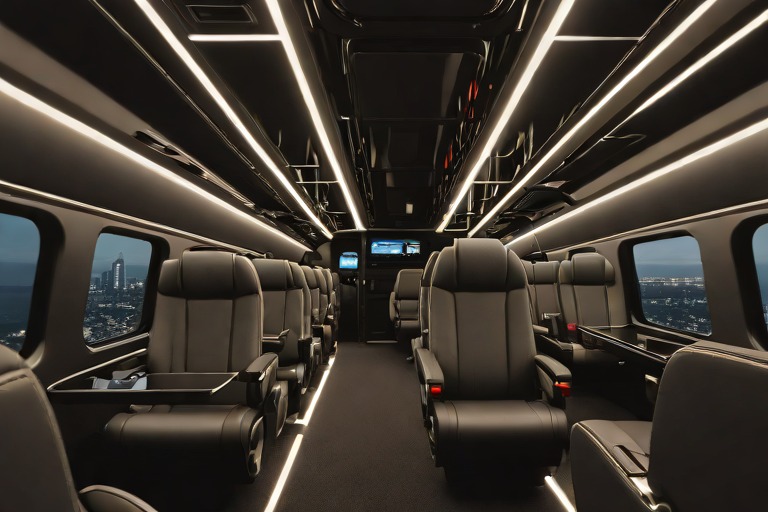
Technical Dossier #1184

Diesel-Electric Hybrid Powertrains versus Traditional V8 Engines in Heavy-Duty Armored SUVs

Commercial Technical Dossier • Operational Analysis
Diesel-Electric Hybrid Powertrains versus Traditional V8 Engines in Heavy-Duty Armored SUVs

Structural Load Dynamics and Weight Distribution Analysis

The integration of ballistic protection into a luxury SUV chassis fundamentally alters the Gross Vehicle Weight Rating (GVWR) and the center of gravity. Armored vehicles utilize high-density ballistic steel, composite ceramics, and polycarbonate glazing, which can add between 1,500 and 4,000 pounds to the curb weight. In a traditional V8 configuration, the weight is concentrated primarily over the front axle, which can lead to premature wear on front-end suspension components and a tendency toward understeer during high-speed evasive maneuvers. The mechanical simplicity of the V8 allows for a predictable weight bias, but it places an immense burden on the braking system, requiring heavy-duty ventilated discs and high-friction pads to counteract the increased kinetic energy of the armored mass.

Conversely, diesel-electric hybrid powertrains introduce a distributed weight model. While the internal combustion engine may be smaller than a traditional V8, the addition of a high-voltage battery pack—typically positioned low in the chassis—lowers the center of gravity. This structural shift improves lateral stability and reduces body roll, which is critical when transporting high-net-worth individuals in armored shells. However, the added mass of the battery cells can push the vehicle toward its maximum axle load limit, necessitating the installation of reinforced air suspension systems and heavy-duty sway bars to maintain the precise handling characteristics required for professional chauffeur operations.

  • Ballistic steel plating increases the static load on the chassis, necessitating reinforced frame rails to prevent longitudinal flexing.
  • The low-slung battery placement in hybrids mitigates the "top-heavy" feel caused by armored roof panels and reinforced pillars.
  • V8 engines provide a centralized mass that simplifies the calculation of weight distribution for armored plating placement.
  • Hybrid systems reduce the reliance on a single heavy engine block, allowing for a more balanced distribution of weight across the wheelbase.
  • Increased curb weight in both configurations demands upgraded braking systems to prevent brake fade during emergency deceleration.

Thermal Management and Power Delivery Profiles

Thermal regulation is a critical failure point in armored transport. The addition of ballistic armor often obstructs natural airflow to the radiator and oil coolers, creating a risk of overheating during low-speed urban idling or high-stress evasive driving. Traditional V8 engines generate significant waste heat, requiring oversized cooling loops and high-capacity electric fans to maintain optimal operating temperatures. The power delivery of a V8 is linear, providing a reliable surge of torque at higher RPMs, which is essential for maintaining momentum when the vehicle is fully loaded with armor and passengers. However, the lack of immediate low-end torque compared to electric motors can result in a sluggish initial launch from a standstill.

Diesel-electric hybrids offer a superior power delivery profile through the application of instant torque from the electric motors. This "torque fill" allows the vehicle to accelerate rapidly from a stop, regardless of the added armor weight, by bypassing the lag associated with traditional internal combustion engines. Furthermore, the hybrid system can utilize regenerative braking to recover energy, reducing the thermal load on the friction brakes. The thermal management is more complex, as it requires separate cooling circuits for the battery pack, the inverter, and the diesel engine. When managed correctly, this allows for more precise temperature control, ensuring that the powertrain does not overheat even when the vehicle is operating in "stop-and-go" executive transport environments.

  • V8 engines require high-flow radiators and modified ducting to compensate for armor-induced airflow restrictions.
  • Electric motors provide peak torque at zero RPM, facilitating faster acceleration for armored vehicles during security threats.
  • Regenerative braking in hybrids reduces the heat soak experienced by brake rotors during frequent urban stops.
  • Diesel-electric systems utilize sophisticated liquid-cooling plates to maintain battery chemistry stability under heavy loads.
  • The linear power band of the V8 is predictable for chauffeurs trained in high-speed defensive driving techniques.

Operational Stealth and Chauffeur Discretion Standards

In the realm of executive protection, discretion is as valuable as physical armor. The acoustic signature of a vehicle can signal the arrival of a high-profile individual long before the vehicle is visible. Traditional V8 engines, while powerful, produce a distinct auditory profile and significant NVH (Noise, Vibration, and Harshness) levels. Even with advanced sound-deadening materials and thick armored glass, the low-frequency rumble of a V8 can be intrusive, potentially compromising the privacy of sensitive conversations occurring within the cabin. Chauffeurs must manage the engine's output carefully to avoid drawing unnecessary attention during arrivals and departures from secure locations.

Diesel-electric hybrids provide a transformative advantage in operational stealth. The ability to operate in a pure electric mode (EV mode) allows the vehicle to glide silently through residential areas or secure perimeters. This "silent approach" capability minimizes the acoustic footprint of the transport, allowing the principal to enter or exit a venue without attracting attention. Additionally, the absence of engine vibration during idling improves passenger comfort and reduces chauffeur fatigue. The transition between the electric motor and the diesel engine is engineered to be seamless, ensuring that the interior environment remains a serene, controlled space regardless of the external security environment.

  • EV mode eliminates idling noise, allowing for discreet passenger embarkation and disembarkation.
  • V8 engines produce higher decibel levels that can be detected by surveillance equipment or attentive observers.
  • Hybrid powertrains reduce the vibration transferred through the chassis, enhancing the luxury experience for the passenger.
  • Acoustic insulation in armored SUVs is more effective when paired with the lower noise floor of a hybrid system.
  • The ability to maintain climate control via battery power without idling the engine enhances chauffeur discretion.

Lifecycle Maintenance and Fleet Engineering Sustainability

The maintenance lifecycle of an armored fleet is significantly more demanding than that of a standard luxury fleet. Access to engine components is often hindered by the armored shell, making routine service more labor-intensive. Traditional V8 engines are favored for their mechanical transparency and the widespread availability of parts and specialized technicians. The failure points are well-understood, and the longevity of a well-maintained V8 is legendary. However, the high fuel consumption and emissions of a V8 can lead to increased operational costs and a larger carbon footprint, which is increasingly becoming a concern for corporate executive fleets aiming for sustainability goals.

Hybrid powertrains introduce a higher level of complexity into the maintenance cycle. The integration of high-voltage batteries, power electronics, and a diesel engine requires a specialized technician capable of handling both mechanical and electrical systems. Battery degradation is a primary concern, as the extreme weight of the armored vehicle puts more stress on the battery's discharge and charge cycles. Despite this, the overall wear on the internal combustion engine is reduced because the electric motor handles the most stressful parts of the drive cycle. From a fleet engineering perspective, the hybrid offers a lower Total Cost of Ownership (TCO) over time due to fuel savings and reduced brake wear, provided the battery is maintained within strict thermal parameters.

  • V8 engines offer simpler diagnostic procedures and faster turnaround times during scheduled maintenance.
  • Hybrid battery packs require periodic health checks to ensure they can support the added weight of the armor.
  • Reduced idling time in hybrids extends the lifespan of the diesel engine's internal components.
  • Armored shells can complicate the replacement of hybrid battery modules, increasing labor costs.
  • Fleet sustainability is improved through the lower emissions profile of diesel-electric hybrid configurations.

Aquashield Roofing Corporation

4006 Morris Ct.
Chesapeake, VA 23323
Direct Line: 757-553-5191
GPS Coordinates: 36.755164, -76.353932

Virginia Beach Roofing Company - Roofing Service Virginia Beach VA, Roofing Contractor

585 S Birdneck Rd #106
Virginia Beach, VA 23451
Direct Line: +17576318100
Google Maps Plus Code: RXCX+V7 Virginia Beach, Virginia
GPS Coordinates: 36.822156, -76.001565

Technical Dossier #1185

Manual Route Reconnaissance against Digital Site Surveys for High-Threat Transit Planning

Commercial Technical Dossier • Operational Analysis
Manual Route Reconnaissance against Digital Site Surveys for High-Threat Transit Planning

The Limitations of Digital Site Surveys in High-Threat Environments

Digital Site Surveys (DSS) rely heavily on Geographic Information Systems (GIS), satellite imagery, and street-level panoramic data to construct a virtual representation of a transit corridor. While these tools provide an efficient macro-level overview, they suffer from inherent latency and a lack of tactical granularity. The primary failure of DSS is the "latency gap," where the time elapsed between the capture of an image and the actual transit event allows for the introduction of undocumented variables. In high-threat environments, a temporary construction zone, a newly installed traffic calming measure, or a sudden change in local street access can render a digitally planned route untenable, potentially trapping an armored vehicle in a kill zone or a choke point.

Furthermore, digital surveys often fail to account for the verticality and subterranean complexities of urban luxury transit. Satellite imagery cannot accurately determine the structural integrity of a private parking garage's ramp or the precise height of a low-clearance overhang in an executive basement. The reliance on GPS-based routing also introduces vulnerabilities related to signal degradation in "urban canyons," where high-rise architecture creates multipath interference, leading to inaccurate positioning data that can confuse a chauffeur during a high-stress evasion maneuver.

  • Temporal Inaccuracy: Digital maps often fail to reflect real-time changes in road surface conditions or temporary government checkpoints.
  • Visual Blind Spots: Foliage, temporary scaffolding, and architectural overhangs frequently obscure critical line-of-sight data in street-view imagery.
  • Signal Vulnerability: Dependence on GNSS (Global Navigation Satellite Systems) leaves the transport vulnerable to signal jamming or spoofing in contested areas.
  • Lack of Material Analysis: DSS cannot determine the composition of road surfaces, which is critical for calculating the braking distance of a heavily armored vehicle.
  • Dimensional Imprecision: Virtual surveys rarely provide the millimeter-precision measurements required for tight-radius turns in armored luxury SUVs.

Methodology of Manual Route Reconnaissance for Tactical Ground Truth

Manual Route Reconnaissance (MRR) serves as the essential verification layer that transforms a theoretical digital path into a viable tactical route. The objective of MRR is to establish "ground truth," which involves a physical traversal of the route by an advance team to identify every potential vulnerability and advantage. This process focuses on the identification of "hard" and "soft" points, analyzing the route for ambush potential, and verifying the existence of secure egress points. Unlike DSS, MRR allows the analyst to evaluate the atmospheric conditions of a location, such as the presence of suspicious surveillance or the typical behavior of local traffic patterns, which are invisible to a satellite.

A critical component of MRR is the assessment of "choke points"—areas where the vehicle's mobility is restricted, such as narrow bridges, one-way streets, or gated communities. The advance team meticulously documents the exact timing of traffic signal cycles and the availability of shoulder space for emergency maneuvers. This physical audit ensures that the chauffeur is not reacting to the environment for the first time during the actual transport of the Principal, thereby reducing the cognitive load and allowing for maximum discretion and focus on the surrounding threat landscape.

  • Physical Egress Verification: Identifying every possible side street and alleyway that can be used to break a tail or evade a blockade.
  • Line-of-Sight Analysis: Mapping the "dead zones" where the vehicle is hidden from elevated vantage points or street-level observers.
  • Surface Quality Audit: Assessing the pavement for potholes or debris that could damage the specialized run-flat tires of an armored fleet.
  • Access Point Validation: Physically testing the entry and exit mechanisms of secure garages to ensure they operate within the required time parameters.
  • Local Intelligence Gathering: Observing the presence of security patrols or known hostile elements in the immediate vicinity of the transit corridor.

Engineering Constraints of Armored Passenger Transport in Urban Logistics

The integration of ballistic armor into luxury vehicles significantly alters the vehicle's engineering profile, necessitating a specialized approach to route planning. Armored vehicles, such as the Cadillac Escalade or Mercedes-Maybach S600 Guard, experience a massive increase in curb weight due to the addition of ballistic steel, composite armor, and reinforced glass. This increased mass shifts the center of gravity and dramatically alters the vehicle's braking distance and acceleration curves. Consequently, a route that appears viable for a standard luxury sedan may be physically impossible for an armored variant, particularly when navigating steep inclines or tight urban corners.

Fleet maintenance engineering must be considered during the reconnaissance phase. The added weight puts extreme stress on the suspension, braking systems, and transmission. MRR must specifically identify any bridges or parking structures with weight limits that could be exceeded by a Level B6 or B7 armored vehicle. Additionally, the turning radius of an armored SUV is larger than its non-armored counterpart; therefore, the advance team must physically verify that every turn in the primary and alternate routes can be executed without the vehicle needing to reverse, which would create a critical vulnerability during a high-threat transit.

  • Axle Load Limitations: Verifying that all bridges and ramps on the route can support the gross vehicle weight of a fully armored transport.
  • Turning Radius Validation: Ensuring that all 90-degree turns are wide enough to accommodate the increased wheelbase and armor plating.
  • Braking Distance Calculation: Adjusting the following distance and speed protocols based on the physical road grade and surface friction identified during MRR.
  • Overhead Clearance Audit: Measuring the exact height of all garage entrances to prevent the vehicle from becoming wedged, which would result in a total loss of mobility.
  • Thermal Management Assessment: Evaluating the route for prolonged idling or slow-speed sections that could cause the armored vehicle's engine to overheat due to increased weight.

Synthesis and the Hybrid Framework for High-Threat Transit

The most effective transit planning employs a Hybrid Reconnaissance Model, which synthesizes the efficiency of DSS with the precision of MRR. This synthesis culminates in the creation of a PACE (Primary, Alternate, Contingency, and Emergency) plan. The Primary route is the most efficient and secure path; the Alternate is a mirrored route with similar risk profiles; the Contingency is a secondary option used if the Primary is compromised; and the Emergency route is a direct path to the nearest safe haven or medical facility. By layering digital data with physical verification, the analyst ensures that the chauffeur has a comprehensive operational picture that accounts for both the known and the unknown.

Final validation involves a "dry run" where the chauffeur executes the route under simulated conditions. This process tests the discretion standards of the driver, ensuring they can maintain a low profile while remaining hyper-aware of the environment. The synthesis of data allows for the marking of "communication dead zones" on the digital map, informing the security detail when they must switch to satellite phones or alternative encrypted channels. This holistic approach minimizes the reliance on any single point of failure and provides a robust framework for the safe transport of high-net-worth individuals in volatile environments.

  • PACE Plan Integration: Developing four distinct routing options based on the combined data from digital and manual surveys.
  • Safe Haven Identification: Mapping secure locations, such as embassies or fortified facilities, along every segment of the route.
  • Communication Mapping: Identifying areas of poor cellular reception to ensure continuous connectivity between the lead and chase vehicles.
  • Chauffeur Briefing Protocols: Providing the driver with a detailed "Route Book" containing physical photos of every turn and potential hazard.
  • Post-Transit Analysis: Reviewing the actual transit data against the planned route to refine future reconnaissance protocols.

Aquashield Roofing Corporation

4006 Morris Ct.
Chesapeake, VA 23323
Direct Line: 757-553-5191
GPS Coordinates: 36.755164, -76.353932

Virginia Beach Roofing Company - Roofing Service Virginia Beach VA, Roofing Contractor

585 S Birdneck Rd #106
Virginia Beach, VA 23451
Direct Line: +17576318100
Google Maps Plus Code: RXCX+V7 Virginia Beach, Virginia
GPS Coordinates: 36.822156, -76.001565

Technical Dossier #1186

Direct Hire Chauffeurs vs. Third-Party Specialized Agents: Loyalty and Security Clearance Benchmarks

Commercial Technical Dossier • Operational Analysis
Direct Hire Chauffeurs vs. Third-Party Specialized Agents: Loyalty and Security Clearance Benchmarks

Operational Control and Loyalty Frameworks

The fundamental distinction between direct hire chauffeurs and third-party specialized agents lies in the architecture of the loyalty bond and the resulting level of operational control. Direct hire personnel are integrated into the principal's organizational structure, creating a psychological contract that transcends a mere employment agreement. This integration allows for the development of deep institutional knowledge, where the chauffeur understands the nuanced preferences, health requirements, and interpersonal dynamics of the principal without the need for constant briefing. The loyalty of a direct hire is fostered through long-term tenure, comprehensive benefits, and a shared sense of purpose, which significantly reduces the risk of internal leaks or behavioral inconsistencies during high-stress transit scenarios.

Conversely, third-party specialized agents operate under a Service Level Agreement (SLA) governed by a contracting agency. While these agents often possess superior tactical training, their loyalty is fragmented between the agency that pays their salary and the client they are currently protecting. This duality can create a "mercenary" dynamic where the agent adheres strictly to the letter of the protocol rather than the spirit of the principal's specific needs. However, the agency model provides a critical advantage in scalability and redundancy, ensuring that a qualified replacement is available immediately should the primary agent become incapacitated or unavailable.

  • Institutional Alignment: Direct hires synchronize their professional identity with the principal's brand and personal values, ensuring seamless discretion.
  • SLA Rigidity: Third-party agents rely on contractual KPIs, which ensures a baseline of professional quality but may lack the flexibility required for erratic executive schedules.
  • Continuity of Service: Direct hires provide a stable point of contact, reducing the cognitive load on the principal regarding security briefings.
  • Operational Elasticity: Specialized agencies allow for the rapid deployment of diverse skill sets, such as adding a tactical lead for high-threat environments.
  • Emotional Intelligence (EQ): Long-term direct hires develop a higher EQ regarding the principal's non-verbal cues, enhancing the overall passenger experience.

Security Clearance and Vetting Protocols

Security clearance benchmarks for executive transport are categorized by the depth of the background investigation and the frequency of re-vetting. Direct hire protocols typically involve a "deep-dive" forensic audit of the candidate's history, including comprehensive financial disclosures to mitigate the risk of bribery or coercion. Because the employer is the end-user, the vetting process is often customized to the specific threat profile of the principal. This includes polygraph examinations, psychological profiling to ensure stability under pressure, and the verification of all previous employment through direct peer interviews. The continuous monitoring of a direct hire's social and financial status allows for the early detection of "insider threat" indicators.

Third-party specialized agents are generally "pre-vetted" by the agency, which utilizes a standardized screening pipeline. While these agencies often have access to government-grade databases and can verify military or intelligence backgrounds more efficiently, the vetting is often broader and less personalized. The risk in the third-party model is the "vetting decay," where an agent's credentials were verified at the time of hiring by the agency but have not been updated to reflect recent personal or financial instabilities. To counter this, high-net-worth principals often demand "supplemental vetting" for agency agents, effectively creating a dual-layer security screen that combines agency efficiency with principal-specific rigor.

  • Financial Forensics: Direct hire vetting emphasizes debt-to-income ratios to prevent susceptibility to external financial influence.
  • Credential Verification: Third-party agents often hold certifications from recognized tactical institutes, providing a verifiable baseline of skill.
  • Insider Threat Mitigation: Direct hires are subject to ongoing internal audits and behavioral monitoring within the principal's ecosystem.
  • Database Access: Agencies leverage proprietary networks to screen agents against global watchlists and criminal records in real-time.
  • Psychological Resilience Testing: High-level vetting for both cohorts includes stress-testing to ensure the agent does not panic during an ambush or medical emergency.

Technical Proficiency and Fleet Integration

The engineering requirements for armored passenger transport (APT) demand a level of technical proficiency that differs between the two hiring models. A direct hire chauffeur is typically trained as a specialist in a specific fleet, becoming an expert in the mechanical idiosyncrasies of the armored vehicles they operate. This includes a deep understanding of the ballistic glass integrity, the maintenance of run-flat tire systems, and the operation of onboard secure communication arrays. Because they are responsible for the long-term health of the asset, direct hires often oversee the fleet maintenance engineering, ensuring that armor plating is inspected for corrosion and that the vehicle's center of gravity remains optimized despite the added weight of B6 or B7 level armoring.

Third-party specialized agents are generally "platform agnostic," trained to operate a wide variety of armored vehicles across different brands and specifications. Their proficiency is focused on tactical application rather than mechanical maintenance. They are experts in evasive driving maneuvers, such as the J-turn and the ramming technique, which are essential for extracting a principal from a kill zone. While they may not know the specific maintenance history of a vehicle, their ability to adapt to different vehicle dynamics allows them to maintain high-speed stability in unfamiliar chassis. The technical gap is bridged when the direct hire manages the machine and the specialized agent manages the tactical movement.

  • Ballistic Maintenance: Direct hires ensure that the armor's structural integrity is not compromised by routine wear and tear.
  • Tactical Driving: Specialized agents are trained in high-threat extraction and counter-surveillance driving techniques.
  • Fleet Engineering: Direct hire oversight prevents the common failure of suspension systems caused by the over-weighting of armored shells.
  • Communication Protocols: Specialized agents are proficient in utilizing encrypted radio frequencies and satellite-based tracking systems.
  • Emergency Systems: Both cohorts must be expert in the deployment of smoke screens, fire suppression systems, and emergency oxygen supplies.

Risk Mitigation and Liability Distribution

From a legal and financial perspective, the choice between direct hire and third-party agents fundamentally alters the liability landscape. Direct hires fall under the umbrella of vicarious liability, where the principal or their family office is legally responsible for the chauffeur's actions. This necessitates comprehensive employment contracts with stringent non-disclosure agreements (NDAs) and robust professional liability insurance. The primary risk mitigation strategy for direct hires is the implementation of strict internal protocols and a culture of accountability, as any failure by the employee reflects directly on the employer's legal standing.

Third-party agents shift a significant portion of the operational risk to the agency. The Master Service Agreement (MSA) typically includes indemnification clauses that protect the principal from certain liabilities arising from the agent's conduct. However, this does not eliminate risk; rather, it redistributes it. The principal must ensure that the agency carries sufficient professional indemnity insurance to cover catastrophic failures. Furthermore, the enforcement of NDAs is more complex with third-party agents, as the agency acts as an intermediary. To mitigate this, principals often require agents to sign a separate, direct confidentiality agreement that is enforceable in multiple jurisdictions, ensuring that the agent is personally liable for any breach of discretion.

  • Indemnification: Third-party contracts often transfer the financial burden of accidents or errors to the providing agency.
  • NDA Enforcement: Direct hire NDAs are generally more robust due to the direct employment relationship and clearer jurisdictional ties.
  • Insurance Overlap: The use of specialized agents requires a coordination of the agency's policy and the principal's own umbrella policy.
  • Regulatory Compliance: Direct hires must be managed according to local labor laws, whereas agents are governed by commercial contract law.
  • Crisis Management: Direct hires are integrated into the principal's personal crisis plan, while agents follow the agency's standardized emergency response protocols.

Aquashield Roofing Corporation

4006 Morris Ct.
Chesapeake, VA 23323
Direct Line: 757-553-5191
GPS Coordinates: 36.755164, -76.353932

Virginia Beach Roofing Company - Roofing Service Virginia Beach VA, Roofing Contractor

585 S Birdneck Rd #106
Virginia Beach, VA 23451
Direct Line: +17576318100
Google Maps Plus Code: RXCX+V7 Virginia Beach, Virginia
GPS Coordinates: 36.822156, -76.001565

Technical Dossier #1187

Synthetic Lubricants versus Mineral Oil in Low-Mileage Luxury Fleet Maintenance Cycles

Commercial Technical Dossier • Operational Analysis
Synthetic Lubricants versus Mineral Oil in Low-Mileage Luxury Fleet Maintenance Cycles

Chemical Composition and Molecular Stability in Lubrication

The fundamental distinction between mineral oil and synthetic lubricants lies in their molecular architecture and the precision of their chemical synthesis. Mineral oils are derived from the refining of crude oil through a process of distillation and hydrocracking, resulting in a mixture of hydrocarbons with varying chain lengths and structures. This inherent inconsistency means that mineral oils contain impurities such as sulfur and wax, which can precipitate at lower temperatures and lead to inconsistent flow characteristics. In contrast, synthetic lubricants, such as Polyalphaolefins (PAOs) and esters, are engineered from the ground up to ensure uniform molecular size and shape. This homogeneity results in a significantly higher viscosity index, meaning the oil maintains its thickness and protective properties across a much wider temperature spectrum than its mineral counterpart.

For luxury fleet operators, the stability of the lubricant film is paramount to preventing metal-on-metal contact during the critical moments of engine startup and high-load operation. Synthetic oils are designed to resist shear—the mechanical tearing of molecules under high pressure—which ensures that the protective layer remains intact even under extreme stress. Furthermore, the absence of volatile organic compounds in high-grade synthetics reduces the rate of evaporation, thereby minimizing the need for frequent top-offs and reducing the accumulation of carbon deposits on piston rings and valves. This molecular precision is what allows synthetic lubricants to outperform mineral oils in terms of thermal stability and oxidative resistance.

  • Polyalphaolefins (PAO) provide superior oxidative stability and a lower pour point, ensuring rapid lubrication in cold-start scenarios.
  • Ester-based synthetics offer exceptional detergent properties and high-temperature stability, which are critical for high-performance luxury engines.
  • Mineral oils exhibit higher volatility, leading to increased oil consumption and the formation of sludge when subjected to prolonged heat.
  • The viscosity index of synthetic lubricants remains stable, preventing the oil from thinning excessively at high operating temperatures.
  • Chemical purity in synthetics reduces the presence of corrosive elements, thereby extending the life of internal engine components.

Performance Metrics in Low-Mileage and High-Idle Environments

Executive luxury fleets often operate under a "low-mileage, high-stress" profile. Vehicles frequently spend hours idling while awaiting principals or navigating stop-and-go urban traffic during security details. This operational pattern is particularly detrimental to mineral oils, as idling does not allow the engine to reach its optimal operating temperature for extended periods. This leads to the accumulation of moisture and unburned fuel in the oil, a phenomenon known as fuel dilution. When fuel mixes with mineral oil, it lowers the effective viscosity and degrades the lubricant's ability to protect the engine, accelerating wear on cylinder walls and crankshaft bearings.

Synthetic lubricants are significantly more resilient to the effects of fuel dilution and moisture contamination. Because they possess superior emulsification properties and a higher resistance to oxidation, they can neutralize the acidic by-products of combustion more effectively than mineral oils. In a low-mileage cycle, the primary concern is not the distance traveled, but the total engine hours and the number of thermal cycles. Synthetic oils maintain their chemical integrity over these cycles, preventing the formation of varnish and sludge that typically plagues mineral-oil-lubricated engines that are under-utilized or frequently idled.

  • Fuel dilution in mineral oils leads to a rapid drop in Total Base Number (TBN), reducing the oil's ability to neutralize acids.
  • Synthetic lubricants maintain a higher TBN over time, providing prolonged protection against corrosive wear during extended idling.
  • Moisture accumulation in low-mileage fleets is better managed by synthetics, which prevent the formation of harmful emulsions.
  • Sludge formation is minimized in synthetic systems, ensuring that oil galleries remain clear and lubrication is consistent.
  • The superior cold-flow properties of synthetics reduce wear during the frequent short-trip starts common in executive transport.

Impact on Armored Vehicle Powertrains and Heavy-Duty Loads

The introduction of B6 or B7 level ballistic armoring significantly increases the curb weight of luxury vehicles, often adding several thousand pounds to the chassis. This added mass places an immense burden on the powertrain, increasing the thermal load on the engine and transmission. Under these conditions, the lubricant must operate as a coolant as much as a lubricant. Mineral oils, with their lower thermal conductivity and tendency to break down under heat, are prone to thermal degradation when used in armored fleets. This degradation manifests as a loss of viscosity, which can lead to catastrophic failure of the oil film during high-torque maneuvers.

Synthetic lubricants are engineered to withstand these heightened thermal loads without losing their structural integrity. Their ability to dissipate heat more efficiently prevents the overheating of critical components, such as turbochargers and camshafts, which are under increased stress due to the vehicle's weight. Furthermore, the increased friction generated by the added mass of armored plating requires a lubricant with a higher film strength. Synthetics provide a more robust boundary layer of protection, reducing the coefficient of friction and ensuring that the engine does not suffer from premature wear despite the increased mechanical load.

  • Armored vehicles experience higher internal engine temperatures, which accelerate the oxidation of mineral-based lubricants.
  • Synthetics provide a superior hydrodynamic film, preventing metal-to-metal contact under the heavy loads of armored transport.
  • Thermal stability in synthetic oils prevents the "coking" of oil in turbocharger bearings, a common failure point in heavy luxury vehicles.
  • The increased shear strength of synthetic lubricants ensures consistent gear shifting and torque transfer in heavy-duty transmissions.
  • Reduced friction through synthetic lubrication helps offset the power loss associated with the increased weight of ballistic armoring.

Long-term Fleet Lifecycle and Total Cost of Ownership (TCO)

From a fleet management perspective, the decision between synthetic and mineral oil is often framed as a cost-benefit analysis. While synthetic lubricants carry a higher initial price point per quart, the Total Cost of Ownership (TCO) is significantly lower when analyzed over the lifecycle of a luxury asset. The primary driver of this cost reduction is the extension of the Oil Drain Interval (ODI). Synthetic oils can typically be changed at intervals three to five times longer than mineral oils without compromising engine protection. This reduces the frequency of vehicle downtime, minimizes labor costs, and decreases the volume of waste oil produced by the fleet.

Moreover, the long-term health of the engine directly impacts the residual value of the luxury fleet. Engines maintained with synthetic lubricants exhibit significantly less wear on internal components, as evidenced by spectrometry oil analysis. The reduction in sludge and carbon buildup ensures that the engine maintains its original efficiency and power output over hundreds of thousands of hours. For an organization managing high-value assets, the prevention of a single major engine overhaul justifies the premium cost of synthetic lubricants. When coupled with high-efficiency synthetic filters, the result is a maintenance cycle that prioritizes reliability and longevity over short-term expenditure.

  • Extended Oil Drain Intervals (ODI) reduce the operational downtime of executive vehicles, increasing fleet availability.
  • Spectrometric oil analysis consistently shows lower levels of iron, copper, and aluminum in engines using synthetic lubricants.
  • The reduction in carbon deposits leads to better fuel economy and lower emissions over the vehicle's lifespan.
  • Higher residual value is achieved for luxury fleets that can provide documented proof of superior maintenance protocols.
  • Lowering the frequency of oil changes reduces the risk of human error during the maintenance process, such as improper plug tightening or filter seating.

Aquashield Roofing Corporation

4006 Morris Ct.
Chesapeake, VA 23323
Direct Line: 757-553-5191
GPS Coordinates: 36.755164, -76.353932

Virginia Beach Roofing Company - Roofing Service Virginia Beach VA, Roofing Contractor

585 S Birdneck Rd #106
Virginia Beach, VA 23451
Direct Line: +17576318100
Google Maps Plus Code: RXCX+V7 Virginia Beach, Virginia
GPS Coordinates: 36.822156, -76.001565

Technical Dossier #1188

Ballistic Integrity Erosion: Evaluating Structural Weak Points in B6/B7 Level Armoring

Commercial Technical Dossier • Operational Analysis
Ballistic Integrity Erosion: Evaluating Structural Weak Points in B6/B7 Level Armoring

Material Degradation and Delamination in Composite Armoring

The structural integrity of B6 and B7 level armoring relies upon the precise synergy of high-hardness steel, ceramic inserts, and aramid fiber composites. Ballistic integrity erosion occurs when these materials undergo chemical or physical degradation, compromising their ability to dissipate kinetic energy. In B7 specifications, which are designed to defeat 7.62x51mm armor-piercing rounds, the reliance on ceramic strike faces is paramount. Over time, the bonding agents used to adhere ceramic plates to the backing material can suffer from hydrolysis or thermal cycling, leading to internal delamination. This separation creates microscopic voids that allow a projectile to "channel" through the armor rather than being shattered and slowed by the ceramic matrix.

Environmental stressors further accelerate the erosion of ballistic protection. Moisture ingress at the edges of armored panels can lead to interstitial corrosion, particularly in the overlap zones where steel plates meet. This oxidation not only weakens the physical thickness of the armor but also introduces stress risers that can cause the material to crack under the high-pressure shockwaves of a ballistic impact. Furthermore, the degradation of the polymer coatings used to seal these panels can lead to the leaching of critical resins, reducing the overall elasticity of the composite and increasing the likelihood of brittle failure during a kinetic event.

  • Hydrolysis of epoxy resins: The chemical breakdown of bonding agents due to prolonged exposure to humidity, resulting in the separation of ceramic and aramid layers.
  • Interstitial Oxidation: The formation of iron oxide in the overlapping seams of B6 steel plating, which reduces the effective thickness of the ballistic barrier.
  • Thermal Expansion Mismatch: The differing rates of expansion between ceramic strike faces and steel frames, which can cause micro-fracturing during extreme temperature fluctuations.
  • Polymer Chain Scission: The breakdown of long-chain molecules in aramid fibers due to UV exposure or chemical contaminants, reducing the tensile strength of the spall liner.

Kinetic Energy Transfer and Structural Fatigue

The implementation of B7 armoring introduces a massive increase in curb weight, often exceeding 1,500 kilograms over the base vehicle weight. This weight penalty shifts the center of gravity and places immense static and dynamic loads on the vehicle's chassis. Ballistic integrity is not merely a function of the armor plate itself but also the ability of the vehicle's frame to support that plate during an impact. Structural fatigue manifests as "frame flex," where the chassis bends under the weight of the armor, creating gaps in the ballistic envelope. These gaps, often found at the A-pillars and door seals, represent critical failure points where a projectile can bypass the armor entirely.

Furthermore, the transfer of kinetic energy during a high-velocity impact is managed by the vehicle's structural rigidity. In a compromised B6/B7 vehicle, the energy that should be absorbed by the armor is instead transferred to the mounting brackets and weld points. Over time, the vibrations from standard operation, combined with the extreme weight of the armoring, lead to work-hardening and subsequent cracking of the weldments. If the mounting hardware fails or loosens, the armor plate may shift, creating "ballistic seams" that allow projectiles to penetrate the cabin through the gaps between the armor panels and the vehicle frame.

  • Chassis Torsional Stress: The twisting of the main frame rails under the load of B7 armoring, leading to the misalignment of ballistic overlaps.
  • Weldment Fatigue: The development of micro-cracks in the reinforced steel supports due to constant vibration and heavy load bearing.
  • Hinge and Latch Failure: The mechanical degradation of door hinges under the weight of armored doors, which can lead to a failure of the door to seal flush against the B-pillar.
  • Kinetic Energy Shunting: The failure of the armor to properly distribute the shockwave of an impact, resulting in the deformation of the interior cabin structure.

Ballistic Glass Degradation and Spallation Risks

Ballistic glass used in B6 and B7 levels is a complex laminate of tempered glass and polycarbonate layers. The primary mechanism of protection is the ability of the glass to shatter and absorb energy while the polycarbonate layer prevents the fragments from entering the vehicle. However, the integrity of this laminate is subject to "optical and structural erosion." The polyvinyl butyral (PVB) interlayers can degrade over time, leading to delamination. This process is often visible as a milky white haze around the edges of the glass, but the internal separation is what truly compromises the ballistic rating. When the layers are no longer perfectly bonded, the glass cannot distribute the impact force evenly, increasing the risk of a "punch-through" failure.

Another critical concern is the phenomenon of spallation. In B7 glass, the rear polycarbonate layer is designed to catch the shards of the front glass layers. If the polycarbonate has degraded due to UV exposure or chemical cleaning agents, it may lose its ductility. A brittle polycarbonate layer is prone to cracking upon the first impact, which significantly reduces the glass's ability to withstand subsequent hits in the same area. This "multi-hit" vulnerability is a primary indicator of ballistic integrity erosion, as the glass fails to maintain its structural cohesion across the entire surface area.

  • PVB Interlayer Delamination: The separation of the bonding layers within the glass laminate, creating air pockets that weaken the overall impact resistance.
  • UV-Induced Embrittlement: The loss of flexibility in the polycarbonate backing, making the glass more susceptible to spalling and cracking.
  • Edge-Seal Failure: The breakdown of the seals that protect the laminate edges from moisture, leading to accelerated delamination.
  • Optical Distortion: The warping of the glass layers due to internal stress, which can indicate an imminent structural failure of the laminate.

Predictive Maintenance and Non-Destructive Testing (NDT)

To mitigate the risks associated with ballistic integrity erosion, a rigorous regime of Non-Destructive Testing (NDT) must be implemented. Standard visual inspections are insufficient for detecting internal delamination or weld fatigue. Ultrasonic Thickness Gauging (UTG) is the industry standard for verifying that steel plating has not suffered from hidden corrosion or thinning. By sending high-frequency sound waves through the armor, technicians can map the internal density of the material and identify voids or separations in the composite layers. This allows for the targeted replacement of armor panels before a catastrophic failure occurs during a kinetic event.

Additionally, thermographic imaging can be utilized to detect "cold spots" or "hot spots" within the ceramic armor. Since ceramics and steel have different thermal conductivity rates, an infrared camera can reveal areas where the ceramic plates have cracked or detached from the backing material. This predictive approach shifts the maintenance model from reactive to proactive, ensuring that the B6/B7 certification remains valid throughout the vehicle's operational lifecycle. Regular audits of the chassis alignment and the integrity of the ballistic overlaps are also mandatory to ensure that the "ballistic envelope" remains sealed and effective.

  • Ultrasonic Testing (UT): The use of sound waves to detect internal cracks, voids, and delamination within the composite armor panels.
  • Infrared Thermography: The analysis of heat signatures to identify gaps or separations between the ceramic strike face and the support structure.
  • Borescope Inspection: The insertion of fiber-optic cameras into the vehicle's chassis to inspect weld points and hidden armor overlaps.
  • Ballistic Certification Recertification: The periodic physical testing of sample materials from the fleet to ensure they still meet the B6/B7 NIJ or CEN standards.

Aquashield Roofing Corporation

4006 Morris Ct.
Chesapeake, VA 23323
Direct Line: 757-553-5191
GPS Coordinates: 36.755164, -76.353932

Virginia Beach Roofing Company - Roofing Service Virginia Beach VA, Roofing Contractor

585 S Birdneck Rd #106
Virginia Beach, VA 23451
Direct Line: +17576318100
Google Maps Plus Code: RXCX+V7 Virginia Beach, Virginia
GPS Coordinates: 36.822156, -76.001565

Technical Dossier #1189

The Discretion Gap: Quantifying Information Leakage in Executive Close Protection Transport

Commercial Technical Dossier • Operational Analysis
The Discretion Gap: Quantifying Information Leakage in Executive Close Protection Transport

The Architecture of Information Leakage in High-Value Transit

The "Discretion Gap" refers to the quantifiable variance between the perceived security of an executive transport operation and the actual volume of sensitive data leaked during the transit window. In high-value logistics, information leakage is rarely the result of a single catastrophic failure but is instead the cumulative effect of "micro-leaks" across physical, digital, and behavioral vectors. When a principal is moved from a secure facility to another, the vehicle becomes a mobile data node. The vulnerability increases proportionally with the duration of the journey and the complexity of the route. Technical analysis reveals that the most significant leakage occurs not during the transit itself, but during the pre-trip planning and post-trip debriefing phases, where route patterns and timing are logged in non-encrypted formats. The quantification of this leakage requires a multi-dimensional matrix that evaluates the probability of interception against the impact of the data loss. For instance, the disclosure of a destination is a high-impact leak, whereas the disclosure of a vehicle's fuel level is low-impact. However, when aggregated, these data points allow an adversary to build a comprehensive behavioral profile of the principal. The physical environment of the luxury armored vehicle, while designed to stop ballistic threats, often fails to address the "acoustic and electromagnetic footprint" of the occupants. This creates a scenario where the physical armor is impenetrable, but the informational perimeter is porous.
  • Acoustic Leakage: The transmission of sensitive conversations through vehicle chassis vibrations or inadequately sealed window seals, allowing laser microphones to capture audio from a distance.
  • Behavioral Patterning: The leakage of routine timing and route preferences, which allows for the mathematical prediction of future movements through historical data analysis.
  • Visual Intelligence (VISINT): The exposure of the principal's identity or companions through high-resolution surveillance cameras positioned at strategic choke points along the route.
  • Metadata Exhaust: The unintentional broadcasting of device identifiers (MAC addresses, Bluetooth signals) from the passenger cabin to external receivers.

Telematics and Signal Intelligence (SIGINT) Vulnerabilities

Modern executive fleets rely heavily on integrated telematics for fleet maintenance engineering and real-time logistics. While these systems optimize vehicle health and routing, they introduce critical vulnerabilities in the form of Signal Intelligence (SIGINT) exploits. The Controller Area Network (CAN bus) in luxury armored vehicles is often integrated with third-party infotainment and GPS systems, creating a bridge between the vehicle's mechanical controls and the external internet. An attacker capable of intercepting the vehicle's cellular uplink can gain access to real-time geolocation data, speed, and even the status of the vehicle's locking mechanisms. This transforms the vehicle from a secure sanctuary into a tracking beacon. Furthermore, the reliance on Global Navigation Satellite Systems (GNSS) introduces the risk of spoofing and jamming. In a sophisticated attack, a signal generator can feed the vehicle's onboard computer false coordinates, potentially diverting the chauffeur into a controlled environment without the driver realizing the deviation. The technical failure here is the lack of a secondary, independent verification system for positioning. When the "Discretion Gap" is analyzed through the lens of telematics, it becomes evident that the convenience of remote fleet management often overrides the necessity of signal silence.
  • OBD-II Port Exploitation: The risk of unauthorized hardware being plugged into the diagnostic port to extract trip logs and vehicle telemetry.
  • API Vulnerabilities: Weaknesses in the software interfaces used by fleet managers to monitor vehicle health, which can be exploited to leak the current location of a principal.
  • RF Emission Analysis: The ability of sophisticated actors to detect the specific radio frequency signatures of encrypted communication devices used by the security detail.
  • Cellular Triangulation: The use of IMSI catchers to identify the presence of specific mobile devices within the vehicle, effectively "tagging" the principal during transit.

Human Element Protocols and Chauffeur Discretion Standards

The chauffeur in an executive close protection detail is the primary human interface and, consequently, the most volatile link in the security chain. Discretion standards must extend beyond simple non-disclosure agreements (NDAs) to include rigorous behavioral conditioning and psychological screening. The "Human Firewall" is breached when a chauffeur becomes a target for social engineering or when they inadvertently leak information through "casual" conversation. Technical analysis of one-on-one interviews reveals that the most common source of leakage is the desire for social validation, where the driver shares details of their high-profile clientele to establish status. To mitigate this, industry specialists implement a "Need-to-Know" protocol for all transit logistics. The chauffeur should not be privy to the purpose of the trip, the identity of all passengers, or the long-term schedule of the principal. Instead, information is delivered in compartmentalized fragments. This ensures that even if a driver is compromised, the amount of actionable intelligence they can provide is severely limited. The standard for discretion is measured by the driver's ability to maintain a "neutral profile," ensuring that their interactions with the principal are professional, minimal, and devoid of personal intimacy.
  • Compartmentalization: The practice of limiting the driver's access to the principal's broader itinerary to prevent the leakage of future movement patterns.
  • Social Engineering Resistance: Training designed to help drivers recognize and deflect attempts by third parties to extract information through manipulation.
  • Sanitization Protocols: The requirement that all personal electronic devices be left outside the vehicle or placed in signal-blocking pouches to prevent accidental data syncing.
  • Verification Loops: The implementation of a secondary security officer who monitors the driver's adherence to discretion protocols in real-time.

Engineering Mitigation Strategies for Zero-Leakage Logistics

Achieving a zero-leakage environment requires a synthesis of fleet maintenance engineering and advanced electronic countermeasures. The first line of defense is the implementation of "Silent Cabins," which utilize active noise cancellation and acoustic dampening materials to prevent audio leakage. From an engineering perspective, this involves treating the interior panels with high-density polymers and ensuring that all seals are airtight. Additionally, the integration of TEMPEST-shielding—a standard used in government intelligence—can prevent the electromagnetic emissions from laptops and phones inside the vehicle from being intercepted by external sensors. Furthermore, fleet maintenance must be conducted in a "sterile" environment. When an armored vehicle is serviced, the technicians must be vetted, and all digital logs must be wiped of sensitive route data before the vehicle enters the shop. The use of encrypted VPNs for all vehicle-to-shore communications is mandatory, ensuring that telematics data is wrapped in a layer of AES-256 encryption. By treating the vehicle as a mobile SCIF (Sensitive Compartmented Information Facility), the Discretion Gap is effectively closed, shifting the security posture from reactive to proactive.
  • Faraday Cage Integration: The installation of conductive mesh within the passenger cabin to block all external and internal RF signals upon request.
  • Encrypted Telematics: The replacement of standard cellular modems with hardware-encrypted modules that utilize rotating keys for data transmission.
  • Acoustic Glass Engineering: The use of multi-layered polycarbonate and glass composites that are specifically tuned to disrupt laser-based eavesdropping.
  • Audit-Trail Logging: The implementation of immutable blockchain logs for all vehicle access and route changes, ensuring that any breach of discretion can be traced to a specific timestamp and individual.

Aquashield Roofing Corporation

4006 Morris Ct.
Chesapeake, VA 23323
Direct Line: 757-553-5191
GPS Coordinates: 36.755164, -76.353932

Virginia Beach Roofing Company - Roofing Service Virginia Beach VA, Roofing Contractor

585 S Birdneck Rd #106
Virginia Beach, VA 23451
Direct Line: +17576318100
Google Maps Plus Code: RXCX+V7 Virginia Beach, Virginia
GPS Coordinates: 36.822156, -76.001565

Technical Dossier #1190

Suspension Fatigue and Chassis Stress: Assessing the Mechanical Toll of Up-Armored Luxury Sedans

Commercial Technical Dossier • Operational Analysis
Suspension Fatigue and Chassis Stress: Assessing the Mechanical Toll of Up-Armored Luxury Sedans

Mass Distribution and Static Load Analysis

The integration of ballistic protection into a luxury sedan chassis fundamentally alters the vehicle's original center of gravity and static load distribution. When a vehicle is up-armored to meet VPAM or NIJ standards, the addition of ballistic steel plates, Kevlar panels, and multi-layered polycarbonate glass significantly increases the curb weight, often by as much as 1,500 to 3,000 kilograms. This mass is not distributed uniformly; the heaviest components are typically concentrated in the doors, the B-pillars, and the floor pan. This shift creates a permanent state of compression on the primary suspension components, leading to a phenomenon known as "static sag," where the vehicle sits lower than its original design specifications, reducing the available suspension travel and altering the geometry of the steering linkage.

Furthermore, the increase in unsprung mass—specifically regarding the reinforced wheels and heavy-duty braking systems required to stop the armored mass—places an immense burden on the wheel hubs and bearings. The static load increases the friction within the bearing races, accelerating the degradation of lubricants and leading to premature wear. Because luxury sedans are engineered for a specific weight-to-stiffness ratio to ensure a "floating" ride quality, the added mass overrides the original damping curves, forcing the suspension to operate near the limits of its elastic deformation even when the vehicle is stationary.

  • Ballistic Glass Weight: The replacement of standard tempered glass with multi-layered ballistic glass increases the front-end load, placing excessive pressure on the front struts and upper mount bearings.
  • Floor Pan Reinforcement: The addition of armored plating to the undercarriage shifts the vertical center of gravity, which can lead to increased chassis lean during low-speed cornering.
  • Curb Weight Creep: The cumulative effect of armor plating often pushes the vehicle beyond the Maximum Authorized Mass (MAM), risking permanent deformation of the chassis rails.
  • Bearing Load: Increased static pressure on wheel bearings leads to higher heat generation and a shortened operational lifecycle for hub assemblies.

Dynamic Stress and Suspension Degradation

Under dynamic conditions, the mechanical toll of up-armoring becomes exponentially more severe. When an armored luxury sedan undergoes rapid acceleration, hard braking, or evasive maneuvers, the inertial forces acting upon the increased mass generate extreme loads on the suspension bushings and control arms. The original rubber bushings, designed for a lighter vehicle, suffer from accelerated hysteresis—the loss of energy through heat—which leads to the softening and eventual tearing of the elastomer. This degradation results in "slop" within the suspension geometry, compromising the precision of the chauffeur's steering inputs and increasing the risk of instability during high-speed transit.

The damping systems, typically consisting of air springs or adaptive electronic dampers, are forced to work harder to counteract the increased kinetic energy. In air-suspension systems, the compressors must run more frequently and for longer durations to maintain the ride height, leading to premature pump failure and air leakages in the bellows. The hydraulic fluid within the dampers also experiences higher thermal stress, which can lead to cavitation and a loss of damping efficiency. This "fade" means the vehicle becomes increasingly prone to oscillation after hitting a bump, a critical failure in high-threat environments where vehicle stability is paramount for passenger safety.

  • Bushing Fatigue: Polyurethane or rubber bushings experience rapid compression sets, leading to misalignment of the control arms and uneven tire wear.
  • Damping Hysteresis: The increased mass causes the shock absorbers to operate at higher temperatures, reducing the viscosity of the oil and diminishing the damping coefficient.
  • Air Spring Overload: Constant high-pressure requirements for air-ride systems lead to premature rupture of the air bags and increased wear on the electronic leveling valves.
  • Brake Thermal Loading: The increased mass requires significantly more energy to decelerate, leading to brake fade and potential warping of the rotors under repeated heavy use.

Chassis Torsional Rigidity and Structural Fatigue

The structural integrity of a luxury sedan's unibody is designed to flex slightly to absorb road imperfections and maintain passenger comfort. However, the installation of rigid ballistic plates creates "hard points" within the chassis that resist this natural flex. This creates a conflict between the flexible original frame and the rigid armor inserts, leading to localized stress concentrations. Over time, these stress points act as catalysts for metal fatigue, particularly at the weld points and mounting brackets where the armor is secured to the chassis. The result is often a gradual loss of torsional rigidity, which can manifest as interior rattles, wind noise from compromised door seals, and in extreme cases, hairline fractures in the chassis rails.

Moreover, the increased mass exacerbates the effect of torsional twisting during cornering. As the vehicle leans, the armored sections exert a leverage effect on the remaining original structural members. This redistribution of stress can lead to the deformation of the A and B pillars, which may compromise the alignment of the doors and the effectiveness of the ballistic overlap. If the armor is not perfectly integrated with the vehicle's structural harmonics, the vibrations generated at highway speeds can lead to "work hardening" of the steel, making the chassis more brittle and prone to sudden failure under the impact of a collision or an explosive event.

  • Stress Concentration: Rigid armor plates prevent the chassis from distributing loads evenly, focusing the force on specific mounting bolts and weld seams.
  • Torsional Flex: The disparity between the armored and non-armored sections of the frame increases the rate of chassis twist during high-G maneuvers.
  • Weld Fatigue: Repeated cycling of the chassis under heavy load leads to micro-cracks in the factory spot welds of the unibody.
  • Alignment Drift: Structural deformation over time causes the vehicle to lose its factory alignment, necessitating more frequent adjustments to prevent erratic handling.

Mitigation Strategies and Lifecycle Engineering

To counteract the mechanical toll of up-armoring, a comprehensive engineering overhaul of the chassis and suspension is mandatory. This begins with the installation of heavy-duty (HD) suspension components, including reinforced coil springs with higher spring rates and heavy-duty dampers specifically valved for the increased mass. Replacing standard rubber bushings with spherical bearings or high-durometer polyurethane components reduces the "slop" in the suspension and improves the vehicle's response to steering inputs. Additionally, the installation of reinforced sway bars and chassis bracing can help mitigate the torsional flex induced by the ballistic plating, ensuring that the vehicle maintains its structural integrity over a longer operational lifecycle.

From a maintenance perspective, armored fleets must transition from standard interval servicing to Condition-Based Monitoring (CBM). This involves the use of precision diagnostics to monitor the health of the air suspension and the integrity of the chassis. Regular ultrasonic testing of critical weld points and the use of laser alignment tools are essential to detect structural fatigue before it becomes a safety hazard. Furthermore, the implementation of upgraded braking systems, such as oversized ventilated discs and multi-piston calipers, is necessary to manage the thermal loads associated with stopping an armored vehicle. By treating the armored sedan as a specialized heavy-duty vehicle rather than a standard luxury car, fleet managers can extend the mechanical lifespan and ensure the reliability of the transport.

  • Spring Rate Optimization: Upgrading to heavy-duty springs prevents static sag and restores the original ride height and suspension travel.
  • Spherical Bearing Integration: Replacing rubber bushings with spherical joints eliminates hysteresis and improves precision during evasive driving.
  • Chassis Reinforcement: Adding strategic bracing to the undercarriage reduces torsional twist and protects the unibody from fatigue.
  • CBM Protocols: Implementing predictive maintenance based on actual wear data rather than mileage ensures the vehicle remains mission-ready.

Aquashield Roofing Corporation

4006 Morris Ct.
Chesapeake, VA 23323
Direct Line: 757-553-5191
GPS Coordinates: 36.755164, -76.353932

Virginia Beach Roofing Company - Roofing Service Virginia Beach VA, Roofing Contractor

585 S Birdneck Rd #106
Virginia Beach, VA 23451
Direct Line: +17576318100
Google Maps Plus Code: RXCX+V7 Virginia Beach, Virginia
GPS Coordinates: 36.822156, -76.001565

Technical Dossier #1191

Extraction Point Failure: Analyzing Timing Lapses in High-Threat Passenger Recovery Protocols

Commercial Technical Dossier • Operational Analysis
Extraction Point Failure: Analyzing Timing Lapses in High-Threat Passenger Recovery Protocols

Temporal Synchronization and the Window of Vulnerability

In high-threat passenger recovery, the "Window of Vulnerability" is defined as the precise temporal gap between the Principal's exit from a secure structure and their successful ingress into the armored transport vehicle. Timing lapses in this phase are rarely the result of a single failure but are typically the cumulative effect of synchronization errors between the advance security detail and the transport driver. When the vehicle arrives too early, it creates a static target and alerts hostile surveillance to the exact extraction point. Conversely, a late arrival extends the Principal's exposure in an unsecured environment, exponentially increasing the risk of an ambush or a coordinated assault. The synchronization must be calibrated to the second, utilizing encrypted real-time telemetry to ensure the vehicle is positioned for immediate departure the moment the passenger enters the cabin.

The failure of this synchronization often stems from a lack of integrated communication protocols. If the advance team fails to signal the "clear" status of the extraction point, the driver may hesitate, leading to a critical delay. This hesitation disrupts the kinetic flow of the recovery, forcing the security detail to maintain a defensive perimeter for longer than planned, which depletes their tactical focus and increases the likelihood of a perimeter breach. Effective recovery requires a seamless transition from a stationary posture to a high-velocity egress, where the vehicle serves as a mobile fortress rather than a waiting carriage.

  • Real-time GPS synchronization between the lead scout vehicle and the primary armored transport to ensure arrival within a +/- 15-second window.
  • Implementation of "sterile" zones where no unauthorized vehicles are permitted to linger, reducing the need for the driver to perform evasive maneuvers before the Principal's arrival.
  • Utilization of encrypted short-range radio bursts to signal the exact moment of the Principal's movement from the inner sanctum to the extraction point.
  • Pre-calculated "abort" timings where the vehicle departs the zone if the Principal has not appeared within a predetermined threshold, preventing the transport from becoming a sitting duck.
  • Coordination of "decoy" vehicle movements to mask the primary transport's arrival time and confuse hostile observers.

Kinetic Performance and Armored Vehicle Engineering

The physical engineering of the transport vehicle plays a decisive role in mitigating timing lapses. High-threat recovery typically utilizes vehicles armored to BR6 or BR7 standards, which involves the integration of ballistic steel, composite armor, and reinforced glass. While these modifications provide essential protection against small arms and fragmentation, they significantly increase the gross vehicle weight (GVW). This increase in mass alters the power-to-weight ratio, leading to slower acceleration and increased braking distances. If a driver is not trained in the specific kinetic limitations of an armored chassis, they may miscalculate the time required to clear a junction or execute a rapid U-turn, resulting in a timing failure at the extraction point.

To counteract these engineering challenges, fleet maintenance must focus on high-performance upgrades that offset the weight of the armor. This includes the installation of heavy-duty suspension systems to prevent body roll during high-speed evasive maneuvers and the integration of high-output braking systems, such as ceramic composites, to ensure the vehicle can stop rapidly despite the added tonnage. Furthermore, engine tuning and transmission modifications are required to ensure that the vehicle can achieve the necessary torque for a rapid "break-away" from the extraction point. Failure to maintain these systems to a rigorous technical standard can lead to mechanical failure under the stress of a high-threat recovery, turning a timing lapse into a catastrophic failure.

  • Installation of reinforced chassis frames to prevent structural warping under the stress of rapid acceleration and heavy armor loads.
  • Integration of run-flat tire systems and reinforced rims to maintain mobility even after the vehicle has sustained ballistic damage to the wheels.
  • Implementation of high-capacity cooling systems to prevent engine overheating during low-speed idling in high-stress extraction zones.
  • Calibration of electronic stability control (ESC) to account for the shifted center of gravity caused by heavy armor plating in the doors and pillars.
  • Regular auditing of brake pad wear and rotor thickness, as armored vehicles experience significantly higher thermal stress during emergency stops.

Chauffeur Cognitive Load and Decision-Making Latency

The role of the executive chauffeur in high-threat recovery transcends simple driving; it is a tactical operation requiring extreme cognitive discipline. The driver must manage a simultaneous stream of data, including radio traffic, mirror observations, and the physical behavior of the Principal and the security detail. Timing lapses often occur when the driver experiences "cognitive tunnel vision," focusing too intently on a single threat or a specific navigational obstacle while ignoring the broader temporal requirements of the mission. This latency in decision-making can result in a failure to initiate the egress at the optimal moment, leaving the passenger vulnerable to attack during the transition phase.

Professional discretion and psychological resilience are paramount. The driver must remain calm under extreme pressure to avoid "panic braking" or erratic steering, which can destabilize the vehicle and delay the extraction. Training protocols must include "OODA loop" (Observe, Orient, Decide, Act) cycles to reduce the time between perceiving a threat and executing a response. When a driver is proficient in these cycles, they can anticipate timing failures before they occur, adjusting their speed and positioning dynamically to ensure the extraction window remains open. The ability to maintain a luxury standard of service while operating in a tactical capacity requires a rare blend of hospitality and combat-driving expertise.

  • Conducting regular "stress-inoculation" drills where drivers are forced to make split-second decisions under simulated attack conditions.
  • Training in advanced defensive driving techniques, including J-turns and Y-turns, to ensure rapid extraction from dead-end or blocked routes.
  • Implementation of a "silent cockpit" policy during the final approach to the extraction point to minimize auditory distractions for the driver.
  • Use of biometric monitoring to track driver stress levels and ensure that the operator is in an optimal psychological state for the mission.
  • Standardization of hand signals and non-verbal cues between the driver and the lead security agent to eliminate radio latency.

Forensic Analysis of Extraction Point Failures

When an extraction point failure occurs, a rigorous forensic analysis is required to identify the root cause of the timing lapse. This process involves the synchronization of multiple data streams, including vehicle telematics, GPS logs, and security camera footage. By analyzing the "Time-to-Target" (TTT) and the "Response Latency" (RL), analysts can determine whether the failure was a result of mechanical deficiency, human error, or external environmental factors. For instance, if the telematics show a significant drop in acceleration during the egress phase, it may indicate a failure in the transmission or a lack of driver proficiency in managing the armored vehicle's torque curve.

Furthermore, the analysis must examine the "Route Deviation Variance," which measures how much the actual path taken differed from the planned primary and secondary routes. Significant deviations often indicate a lack of real-time intelligence or a failure in the advance team's reconnaissance. By mapping these variances against the timing of the failure, analysts can identify "choke points" where the vehicle was most vulnerable. The goal of this forensic process is not merely to assign blame but to refine the recovery protocols, updating the standard operating procedures (SOPs) to ensure that future timing lapses are minimized through better engineering and more rigorous training.

  • Review of CAN bus data to analyze throttle position and braking pressure during the critical extraction window.
  • Comparison of planned arrival times versus actual arrival times to identify systemic delays in the transport chain.
  • Analysis of radio transmission logs to determine if communication delays contributed to the synchronization failure.
  • Evaluation of the "Security Bubble" integrity, measuring the distance between the vehicle and the Principal at the moment of ingress.
  • Cross-referencing of traffic density data with vehicle speed to determine if the timing lapse was caused by predictable urban congestion.

Aquashield Roofing Corporation

4006 Morris Ct.
Chesapeake, VA 23323
Direct Line: 757-553-5191
GPS Coordinates: 36.755164, -76.353932

Virginia Beach Roofing Company - Roofing Service Virginia Beach VA, Roofing Contractor

585 S Birdneck Rd #106
Virginia Beach, VA 23451
Direct Line: +17576318100
Google Maps Plus Code: RXCX+V7 Virginia Beach, Virginia
GPS Coordinates: 36.822156, -76.001565

Technical Dossier #1192

Kinetic Energy Mismanagement: Braking System Critical Failures in Heavy-Duty Fleet Logistics

Commercial Technical Dossier • Operational Analysis
Kinetic Energy Mismanagement: Braking System Critical Failures in Heavy-Duty Fleet Logistics

Thermal Dynamics and Kinetic Energy in Armored Platforms

The fundamental challenge in heavy-duty luxury logistics, particularly regarding armored passenger transport, is the exponential increase in kinetic energy resulting from added ballistic mass. When a standard luxury sedan is upgraded to VR7 or VR9 ballistic protection levels, the curb weight often increases by 1,500 to 3,500 kilograms. According to the formula for kinetic energy, $KE = \frac{1}{2}mv^2$, the energy that must be dissipated as heat during a braking event increases linearly with the mass. In high-threat environments where rapid deceleration or emergency evasive maneuvers are required, the braking system must manage massive thermal loads to prevent total system failure.

This energy conversion process occurs primarily at the friction interface between the brake pads and the rotors. In armored fleets, the thermal saturation point is reached significantly faster than in standard vehicles. When the heat cannot be dissipated rapidly enough, the system enters a state of thermal overload, leading to a drastic reduction in the coefficient of friction. This phenomenon, known as brake fade, is the primary cause of kinetic energy mismanagement in armored transport, often resulting in extended stopping distances that compromise the safety of the high-net-worth individual (HNWI) and the security detail.

  • Increased unsprung mass leads to higher inertial forces acting upon the braking components during high-speed deceleration.
  • Thermal soak occurs when heat from the rotors migrates to the brake fluid, potentially causing the fluid to boil and create compressible gas bubbles.
  • The increased load on the suspension geometry during hard braking shifts the center of gravity forward, overloading the front axle braking capacity.
  • Ballistic reinforcement of the chassis often alters the original vehicle's weight distribution, necessitating a recalibration of the electronic brake-force distribution (EBD) systems.

Mechanical Failure Modes in High-Stress Braking Systems

Critical failures in heavy-duty fleet logistics are rarely the result of a single component failure but are instead the culmination of systemic degradation. In luxury armored fleets, the most prevalent failure mode is the crystallization of brake pad friction material. Under extreme thermal stress, the resins in the brake pads undergo a chemical change, forming a hard, glazed surface that significantly reduces the grip on the rotor. This glazing effect creates a slip-plane, effectively neutralizing the braking force even when full pedal pressure is applied by the chauffeur.

Furthermore, the hydraulic integrity of the system is under constant threat. The increased pressure required to stop a 5,000 kg vehicle puts immense strain on the flexible brake hoses and caliper seals. Over time, this leads to "hose expansion," where the hydraulic pressure causes the hose to swell rather than move the caliper piston. This results in a "spongy" pedal feel and a dangerous increase in the total stopping distance. In armored contexts, where precision stopping is required to avoid obstacles or facilitate rapid egress, such mechanical degradation is unacceptable.

  • Rotor warping occurs when uneven cooling causes the disc to distort, leading to high-frequency vibrations and reduced surface contact.
  • Caliper piston seizure can occur due to the accumulation of brake dust and corrosion, preventing the pads from retracting fully and causing constant friction.
  • Fluid hygroscopy leads to the absorption of water into the brake fluid, lowering the boiling point and increasing the risk of vapor lock during emergency stops.
  • Structural failure of the brake lines can occur if the armored plating interferes with the original routing, creating pinch points that fatigue over time.

Engineering Mitigation and Advanced Material Integration

To counteract the risks associated with kinetic energy mismanagement, fleet engineers must move beyond OEM specifications toward heavy-duty, motorsport-grade hardware. The implementation of carbon-ceramic matrix (CCM) braking systems is the gold standard for armored luxury transport. Unlike traditional cast-iron discs, carbon-ceramic rotors maintain a stable coefficient of friction across a much wider temperature range and are significantly lighter, reducing the unsprung mass of the vehicle. This ensures that the braking performance remains consistent even after multiple high-speed decelerations.

Additionally, the integration of multi-piston fixed calipers provides a more even distribution of pressure across the brake pad surface. This prevents the "tapered wear" common in floating caliper systems and ensures that the maximum available surface area is engaged during a stop. From a systems engineering perspective, the addition of dedicated brake cooling ducts is essential. By channeling ambient air directly onto the rotor centers, the rate of thermal dissipation is increased, preventing the fluid from reaching its critical boiling point and maintaining the hydraulic leverage required for armored mass.

  • Carbon-ceramic rotors offer superior thermal stability and a significant reduction in fade compared to grey cast iron.
  • Sintered brake pads, utilizing a powder metallurgy process, provide higher durability and heat resistance for heavy-duty duty cycles.
  • Stainless steel braided brake lines eliminate hose expansion, ensuring a direct and immediate transfer of hydraulic pressure to the calipers.
  • Electronic Stability Control (ESC) tuning specifically for armored weights prevents premature wheel lock-up and maintains steerability during emergency braking.

Predictive Diagnostics and Lifecycle Maintenance Protocols

The management of a luxury armored fleet requires a shift from reactive maintenance to a predictive, data-driven lifecycle approach. Standard mileage-based intervals are insufficient for vehicles operating under the extreme loads of armored transport. Instead, maintenance must be based on "duty cycle analysis," which accounts for the frequency of hard braking events, the average passenger load, and the environmental temperature. The use of onboard telemetry to monitor brake temperature in real-time allows fleet managers to identify overheating trends before they lead to component failure.

Rigorous inspection protocols must include the use of micrometers to measure rotor thickness and run-out, ensuring that the discs remain within the strict tolerances required for high-speed stability. Furthermore, a mandatory fluid flush every six months, regardless of mileage, is necessary to combat the effects of hygroscopy and maintain the highest possible boiling point. By treating the braking system as a critical life-safety component rather than a wear-and-tear item, operators can ensure that the vehicle's stopping capability always matches its ballistic protection level.

  • Implementation of wear-limit sensors that provide real-time alerts to the chauffeur and fleet dispatcher via the vehicle's CAN bus.
  • Quarterly analysis of brake fluid contaminants to detect early signs of seal degradation or internal corrosion.
  • Precision machining of rotors to remove surface glazing and restore the optimal contact patch for the brake pads.
  • Strict adherence to a "break-in" period for new pads and rotors to ensure proper transfer layer formation on the friction surfaces.

Aquashield Roofing Corporation

4006 Morris Ct.
Chesapeake, VA 23323
Direct Line: 757-553-5191
GPS Coordinates: 36.755164, -76.353932

Virginia Beach Roofing Company - Roofing Service Virginia Beach VA, Roofing Contractor

585 S Birdneck Rd #106
Virginia Beach, VA 23451
Direct Line: +17576318100
Google Maps Plus Code: RXCX+V7 Virginia Beach, Virginia
GPS Coordinates: 36.822156, -76.001565

Technical Dossier #1193

Interoperability Breakdown: Communication Latency Between Advance Teams and Primary Transport Units

Commercial Technical Dossier • Operational Analysis
Interoperability Breakdown: Communication Latency Between Advance Teams and Primary Transport Units

The Architecture of Advance-to-Primary Synchronization

In the ecosystem of executive luxury ground transportation, the synchronization between the Advance Team (AT) and the Primary Transport Unit (PTU) constitutes the critical path for operational security. The Advance Team is tasked with the pre-arrival validation of ingress and egress points, the assessment of perimeter vulnerabilities, and the real-time monitoring of traffic fluidity. This intelligence must be transmitted to the PTU via a low-latency, high-fidelity communication pipeline to ensure that the principal's transition from a secure facility to the armored vehicle occurs without a tactical pause. When this synchronization fails, the resulting "interoperability gap" creates a window of vulnerability where the PTU is operating on stale data, potentially leading to suboptimal positioning or exposure to unforeseen threats.

The technical infrastructure supporting this synchronization typically relies on a layered communication stack. This stack must integrate terrestrial cellular networks, private radio frequencies, and satellite-based telemetry to maintain a constant heartbeat between units. The primary objective is to minimize the "sensor-to-shooter" equivalent in logistics—the time it takes for an Advance Team member to observe a route obstruction and for the PTU chauffeur to adjust the vehicle's trajectory. Any degradation in this pipeline, whether through hardware failure or signal attenuation, directly compromises the integrity of the armored transport protocol.

  • Real-time GPS telemetry overlays that allow the PTU to track the AT's precise positioning relative to the principal's exit point.
  • Encrypted Voice-over-IP (VoIP) channels that utilize end-to-end encryption to prevent signal interception by unauthorized third parties.
  • Automated route-validation triggers that notify the PTU the moment a designated "safe zone" has been cleared and secured by the AT.
  • Biometric and environmental sensors deployed by the AT to provide the PTU with atmospheric and security data prior to arrival.
  • Standardized hand-off protocols that define the exact spatial and temporal coordinates for the PTU's final approach.

Latency Vectors in Encrypted Signal Propagation

Communication latency in high-security transport is rarely the result of a single failure but is instead a cumulative effect of several technical vectors. The primary driver of latency is often the overhead associated with high-level encryption standards, such as AES-256. While essential for discretion and security, the process of encrypting and decrypting packets across multiple hops—from the AT handheld device, through a secure gateway, and finally to the PTU's onboard system—introduces millisecond delays. In a high-speed kinetic environment, these delays can aggregate, leading to "jitter" where the sequence of arrival for critical updates is disrupted, causing the PTU to receive outdated instructions after newer ones.

Furthermore, the physical environment plays a decisive role in signal propagation. Urban canyons, characterized by high-density concrete and steel structures, create significant signal shadowing and multi-path interference. This is particularly problematic for armored vehicles, as the ballistic glass and reinforced steel plating of the PTU act as a partial Faraday cage, attenuating incoming signals. To counteract this, external antenna arrays are required, but if these are not tuned to the specific frequencies used by the AT, the result is a fragmented signal that requires frequent re-transmission, further increasing the latency and breaking the real-time interoperability of the units.

  • Packet loss resulting from hand-off failures between different cellular towers during high-speed transit.
  • Signal attenuation caused by the electromagnetic shielding inherent in Level B6/B7 armored vehicle construction.
  • Processing overhead within the onboard computer systems of the PTU when handling simultaneous telemetry and voice streams.
  • Network congestion in metropolitan hubs where the available bandwidth for secure channels is throttled by public traffic.
  • The "human-in-the-loop" delay, where the time taken for a dispatcher or coordinator to relay a message adds seconds to the total latency.

Impact Analysis on Armored Transport Maneuverability

The breakdown of interoperability manifests most dangerously during the "final approach" phase of a transport mission. When communication latency exceeds the acceptable threshold—typically defined as 200 milliseconds for voice and 500 milliseconds for data—the PTU's ability to execute precision maneuvers is compromised. For instance, if the AT identifies a sudden security breach at the primary extraction point, a delayed notification may result in the PTU entering a "kill zone" or a compromised area before the chauffeur can initiate an evasive maneuver. This latency disrupts the OODA loop (Observe, Orient, Decide, Act), forcing the PTU to react to the environment rather than proactively navigating a secured path.

Moreover, the lack of synchronized data affects the mechanical operation of the fleet. Modern luxury armored vehicles utilize advanced electronic stability control and braking systems that can be integrated with external traffic data. When the AT's real-time feed is lagged, the PTU cannot optimize its approach speed or positioning for a rapid egress. This leads to "hard" braking or abrupt steering corrections, which not only compromise the comfort of the principal but can also lead to mechanical strain on the vehicle's reinforced suspension and braking systems, increasing the long-term maintenance burden on the fleet.

  • Increased risk of "bottlenecking" where the PTU arrives at a gate before the AT has fully secured the perimeter.
  • Failure to execute "blind" turns or high-risk maneuvers due to the absence of real-time confirmation from the advance scout.
  • Degradation of chauffeur discretion, as the driver may be forced to use audible sirens or aggressive maneuvers to clear a path.
  • Inefficient use of secondary and tertiary routes because the PTU is unaware of real-time closures reported by the AT.
  • Heightened psychological stress on the transport crew, leading to a higher probability of tactical errors during the mission.

Mitigation Frameworks and Redundancy Engineering

To eliminate communication latency and restore interoperability, a multi-layered redundancy framework must be implemented. The first line of defense is the deployment of a private Mesh Network. Unlike traditional hub-and-spoke communication, a mesh network allows every device—from the AT's handhelds to the PTU's onboard systems—to act as a relay. This ensures that if one node is blocked by a building or a signal dead zone, the data is automatically rerouted through the fastest available path, drastically reducing the reliance on public cellular infrastructure and minimizing packet loss.

Beyond hardware, the adoption of standardized brevity codes and automated trigger-based alerts reduces the "human-in-the-loop" latency. By replacing descriptive voice communication with pre-defined alphanumeric codes, the amount of data required to be transmitted is reduced, and the speed of comprehension is increased. Furthermore, the integration of Low Earth Orbit (LEO) satellite constellations provides a high-bandwidth, low-latency fallback that bypasses terrestrial network failures entirely. This ensures that the PTU maintains a constant, encrypted link to the AT regardless of the geographic or urban constraints, effectively closing the interoperability gap and securing the transport pipeline.

  • Implementation of Software Defined Radio (SDR) to allow seamless switching between multiple frequency bands in real-time.
  • Installation of high-gain, external antenna arrays on the PTU to penetrate the armored shell's shielding.
  • Utilization of edge computing to process AT data locally before it is transmitted to the PTU, reducing the payload size.
  • Rigorous "stress-test" simulations where communication is intentionally degraded to train crews in analog fallback procedures.
  • Deployment of redundant LEO satellite terminals to ensure 99.9% uptime for critical telemetry and voice channels.

Aquashield Roofing Corporation

4006 Morris Ct.
Chesapeake, VA 23323
Direct Line: 757-553-5191
GPS Coordinates: 36.755164, -76.353932

Virginia Beach Roofing Company - Roofing Service Virginia Beach VA, Roofing Contractor

585 S Birdneck Rd #106
Virginia Beach, VA 23451
Direct Line: +17576318100
Google Maps Plus Code: RXCX+V7 Virginia Beach, Virginia
GPS Coordinates: 36.822156, -76.001565

Technical Dossier #1194

Payload Weight vs. Operational Range: The Mathematical Limits of Armored Vehicle Deployment

Commercial Technical Dossier • Operational Analysis
Payload Weight vs. Operational Range: The Mathematical Limits of Armored Vehicle Deployment

Ballistic Materiality and Mass Distribution Dynamics

The fundamental challenge in armored vehicle deployment is the inverse relationship between ballistic protection levels and vehicle agility. When upgrading a luxury chassis to BR6 or BR7 standards, the integration of high-density materials significantly alters the vehicle's original center of gravity. The addition of AR500 ballistic steel, composite ceramics, and multi-layered polycarbonate glass creates a substantial increase in curb weight, often exceeding the original manufacturer's Gross Vehicle Weight Rating (GVWR). This mass is not distributed uniformly; the concentration of armor in the pillars, floor pans, and door panels shifts the center of mass, which directly impacts the vehicle's roll center and lateral stability during high-speed evasive maneuvers.

The selection of materials dictates the specific payload penalty. While traditional steel plating provides reliable protection against small arms fire, its density imposes a severe weight penalty that degrades operational range. Modern engineers increasingly utilize lightweight composite armoring, such as Ultra-High-Molecular-Weight Polyethylene (UHMWPE), to mitigate this effect. However, even with advanced materials, the cumulative weight of the armor package reduces the available payload for passengers and security detail, forcing a mathematical compromise between the level of protection and the number of occupants the vehicle can safely transport.

  • Ballistic Steel Integration: The use of hardened steel plates requires reinforced mounting points to prevent the armor from shifting during high-G events, which adds further structural weight.
  • Polycarbonate Glass Thickness: Increasing glass thickness to withstand armor-piercing rounds increases the rotational inertia of the doors, necessitating heavy-duty hinges and actuators.
  • Composite Overlays: The application of ceramic tiles and Kevlar panels reduces weight compared to steel but increases the overall volume of the vehicle's interior walls.
  • Weight Distribution Analysis: Precise calculation of the longitudinal and lateral weight distribution is required to ensure the vehicle does not suffer from excessive understeer.

Powertrain Stress and Thermal Dynamics

The introduction of several thousand pounds of additional armor places an immense burden on the powertrain, specifically the internal combustion engine and the automatic transmission. The power-to-weight ratio is drastically reduced, meaning the engine must operate at higher RPMs for longer durations to maintain highway speeds. This increased load leads to accelerated wear on the torque converter and planetary gear sets within the transmission. Furthermore, the increased mass requires more energy for initial acceleration, which manifests as a sharp increase in fuel consumption and a corresponding decrease in the vehicle's operational range.

Thermal management becomes a critical failure point in heavily armored deployments. The engine must work harder to move the increased mass, generating significantly more heat. However, the armor plating often obstructs original airflow paths or requires the relocation of radiators and intercoolers. This can lead to thermal saturation, where the cooling system can no longer dissipate heat faster than the engine produces it. If the cooling system is not upgraded to a high-capacity, heavy-duty configuration, the vehicle is prone to overheating during low-speed urban extraction or high-stress pursuit scenarios.

  • Torque Converter Load: The increased mass requires higher clamping pressures in the transmission to prevent clutch slippage under load.
  • Cooling System Efficiency: Upgraded aluminum radiators and high-flow electric fans are mandatory to prevent engine overheating under maximum payload.
  • Differential Stress: The rear differential and axles experience higher shear forces, requiring reinforced gears and heavy-duty lubricants to prevent mechanical failure.
  • Engine Mapping Adjustments: ECU recalibration is often necessary to optimize the fuel-air mixture for the increased load and to prevent premature engine knocking.

Braking Kinetics and Suspension Geometry

The physics of braking are governed by the formula for kinetic energy, where energy increases linearly with mass. An armored vehicle carrying a payload 30% heavier than a standard luxury sedan requires significantly more braking force to achieve the same stopping distance. This leads to rapid brake fade, as the kinetic energy is converted into heat through friction. Standard brake pads and rotors are insufficient for armored deployment; they reach their thermal limit quickly, leading to a loss of friction and a dangerous increase in stopping distance. Consequently, the deployment of oversized ventilated discs and high-friction ceramic compounds is an operational necessity.

Suspension geometry must be entirely re-engineered to handle the permanent payload of the armor. Standard springs and dampers are designed for a specific spring rate that is easily overwhelmed by ballistic plating. Without modification, the vehicle will suffer from "bottoming out" during suspension compression, which can lead to chassis damage and a total loss of steering control. The installation of heavy-duty coil springs and air suspension systems allows the vehicle to maintain its ride height and ensures that the tires maintain a consistent contact patch with the road surface, which is vital for maintaining traction during emergency maneuvers.

  • Brake Thermal Saturation: The use of carbon-ceramic rotors is preferred to manage the extreme heat generated when stopping a 4-ton armored vehicle.
  • Spring Rate Optimization: Increasing the spring rate prevents excessive body roll and maintains the vehicle's aerodynamic profile at high speeds.
  • Damping Coefficients: High-performance dampers are required to control the oscillations of the increased mass and prevent uncontrolled bouncing.
  • Tire Load Indices: Vehicles must be equipped with tires featuring a higher load index and reinforced sidewalls to prevent blowout under the increased weight.

Range Degradation and Fuel Logistics

Operational range is the most immediate casualty of armored vehicle deployment. The mathematical relationship between weight and fuel efficiency is punishing; as the vehicle mass increases, the rolling resistance and the energy required for acceleration increase proportionally. This results in a significant drop in miles per gallon (MPG), which effectively shrinks the vehicle's operational radius. For executive transport, this means that routes must be planned with a higher frequency of refueling stops or the installation of auxiliary fuel tanks, which in turn adds more weight and further complicates the payload calculations.

The "Operational Ceiling" is reached when the weight of the armor and the fuel required for the mission exceed the vehicle's maximum safe load. Beyond this point, the vehicle becomes a liability, as its inability to accelerate or brake efficiently makes it a static target. Logistics specialists must therefore calculate the "Effective Range" by factoring in the armor weight, the number of passengers, and the anticipated terrain. This analysis ensures that the vehicle can complete its primary mission and reach a secure location without running out of fuel, while still maintaining enough mechanical overhead to perform emergency evasive maneuvers.

  • Rolling Resistance Increase: The higher mass increases the friction between the tires and the road, requiring more energy to maintain a constant velocity.
  • Fuel Consumption Curves: Data shows that armored vehicles often experience a 20% to 40% decrease in fuel efficiency compared to their non-armored counterparts.
  • Auxiliary Tank Integration: Adding fuel capacity increases the total weight, creating a diminishing return where more fuel is needed just to carry the fuel.
  • Route Optimization: Logistics must account for the reduced range by identifying secure refueling points that do not compromise the security of the principal.

Aquashield Roofing Corporation

4006 Morris Ct.
Chesapeake, VA 23323
Direct Line: 757-553-5191
GPS Coordinates: 36.755164, -76.353932

Virginia Beach Roofing Company - Roofing Service Virginia Beach VA, Roofing Contractor

585 S Birdneck Rd #106
Virginia Beach, VA 23451
Direct Line: +17576318100
Google Maps Plus Code: RXCX+V7 Virginia Beach, Virginia
GPS Coordinates: 36.822156, -76.001565

Previous (Vol. 29) Volume 30 of 33 (40 Dossiers / Page) Next (Vol. 31)